India Test squad for New Zealand tour announced, Mohammed Shami snubbed
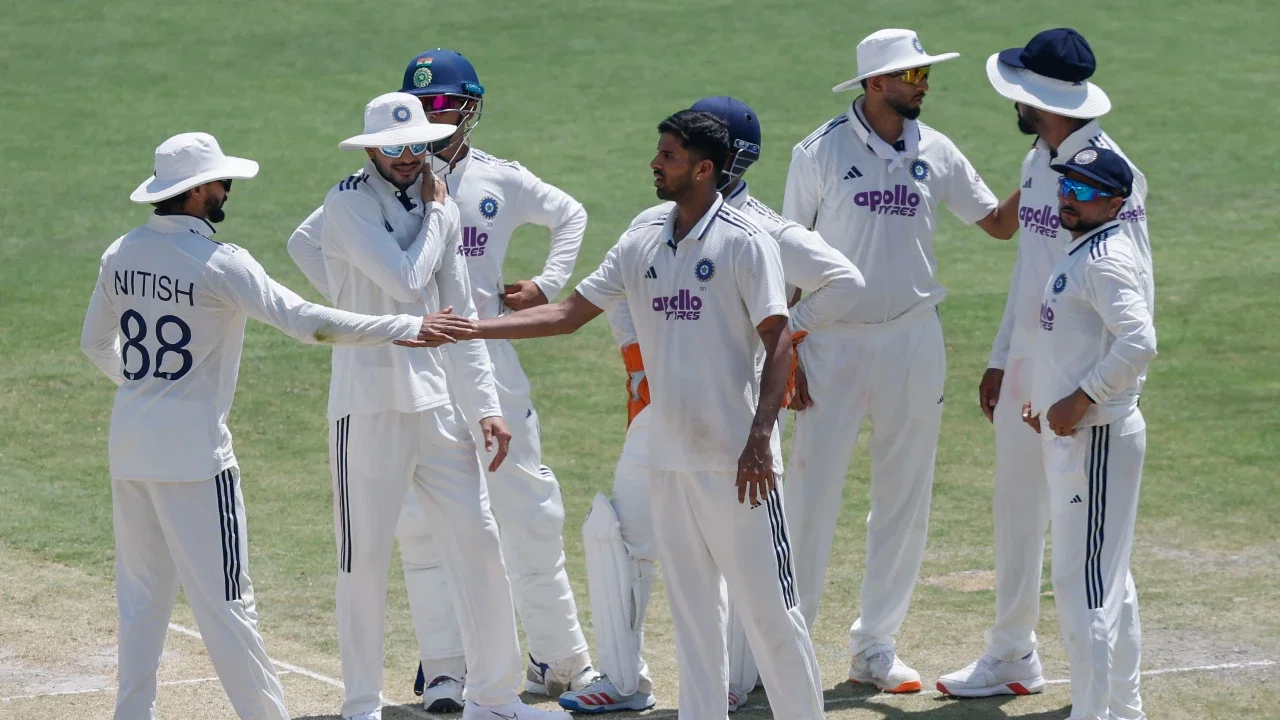
India Announce Test Squad for New Zealand Tour as Shubman Gill Takes Charge
India have named a 16-player squad for their two-Test series against New Zealand, with Shubman Gill appointed captain and KL Rahul selected as vice-captain. The series, scheduled for November, will bring the Test leg of India’s multi-format tour to a close after five T20 internationals and five one-day internationals.
The squad blends established international performers with emerging options across the batting, wicketkeeping, all-rounder and bowling departments. Jasprit Bumrah and Mohammed Siraj lead an experienced pace group, while Ravindra Jadeja, Washington Sundar and Kuldeep Yadav offer India a range of spin choices. Rishabh Pant is included as a wicketkeeper-batter, subject to fitness clearance, with Dhruv Jurel providing another option behind the stumps.
India’s Test Squad for the New Zealand Series
Shubman Gill (captain), Yashasvi Jaiswal, KL Rahul (vice-captain), Devdutt Padikkal, Rishabh Pant (wicketkeeper), Dhruv Jurel (wicketkeeper), Ravindra Jadeja, Anshul Kamboj, Jasprit Bumrah, Prasidh Krishna, Akash Deep, Sai Sudharsan, Nitish Kumar Reddy, Washington Sundar, Kuldeep Yadav and Mohammed Siraj.
Manav Suthar has not been included in the squad. The selection gives India several choices for adapting to conditions across the two venues, although the final playing combinations are likely to depend on pitch conditions, player fitness and how the opening match unfolds.
Two-Test Schedule and Venues
- First Test: Basin Reserve, Wellington — November 19
- Second Test: Hagley Oval, Christchurch — November 27 to December 1
The teams will have a short break between Tests, with a move from Wellington to Christchurch required after the opening match. The series is the final stage of India’s 2026 New Zealand tour. The T20I leg is scheduled to begin on October 22, followed by the ODI series from November 4.
How India’s Squad Is Shaped
Batting options and leadership
Gill will lead the side in challenging overseas conditions, while Rahul’s experience makes him a significant presence in the leadership group. The batting options include left-handers Yashasvi Jaiswal and Sai Sudharsan, alongside Devdutt Padikkal. Their inclusion gives India flexibility when selecting a top order and allows the team to balance right- and left-handed batters.
New Zealand’s conditions can test visiting batters, particularly when the ball moves in the air or off the surface. India’s top-order preparation and ability to build partnerships could therefore be central to the series. A strong start would also help the middle order manage pressure and give the bowlers a competitive total to defend.
Wicketkeeping and all-round depth
Pant’s selection adds an attacking option with substantial Test experience, but his availability is subject to fitness clearance. Jurel provides a second wicketkeeping choice and offers the selectors flexibility when settling on the final XI. The decision could also affect the balance of the middle order, depending on the conditions and the team’s preferred combination.
Jadeja, Sundar and Nitish Kumar Reddy strengthen the all-round options. Jadeja brings experience with both bat and ball, while Sundar can contribute as a specialist spin option and useful lower-order batter. Reddy adds another seam-bowling option and batting depth, giving India scope to adjust the balance of the side from one Test to the next.
Fast bowlers and spin choices
Bumrah and Siraj headline the pace attack, supported by Prasidh Krishna, Akash Deep and Anshul Kamboj. The group combines established international experience with additional options for conditions that may reward pace, bounce or movement. How the selectors manage workloads across the two matches may also be a consideration, particularly given the short gap between Tests.
Kuldeep is the specialist wrist-spin option, while Jadeja and Sundar offer further spin resources. New Zealand conditions are often associated with seam bowling, but the value of spin can increase as a match progresses and the surface wears. India’s selection therefore gives the team more than one possible approach to controlling the middle overs and building pressure.
India’s Recent Test History Against New Zealand
The previous Test series between the sides, played in India in October and November 2024, ended in a historic 3-0 victory for New Zealand. It was India’s first home Test series defeat since 2012 and New Zealand’s first series win on Indian soil.
New Zealand won the opening Test in Bengaluru by eight wickets after India were dismissed for 46 in their first innings. India responded with 462 in the second innings, but the visitors completed a manageable chase of 107. The result gave New Zealand an early advantage and set the tone for the series.
The visitors then secured the Pune Test by 113 runs, with Mitchell Santner taking 13 wickets as New Zealand defended a target of 359. India also lost the final Test in Mumbai, falling short by 25 runs. Ajaz Patel claimed 11 wickets in that match as New Zealand completed the first 3-0 Test-series whitewash of India at home.
What to Watch in the 2026 Series
The upcoming tour offers India an opportunity to respond to that difficult series while facing a different challenge away from home. New Zealand’s familiarity with local conditions could make the opening sessions especially important, while India’s pace depth and all-round balance may prove valuable across both venues.
Any prediction for the series will depend on fitness updates, the final playing XIs and the conditions at Wellington and Christchurch. Pant’s clearance, the choice of pace-and-spin combination, and India’s ability to handle New Zealand’s bowling attack are likely to be among the key talking points. With two Tests and little recovery time between them, consistency across the tour could matter as much as individual performances.
Latest News
BAN vs ZIM Playing 11 Today, Live Streaming, Pitch & Weather: Bangladesh vs Zimbabwe 1st ODI, Tri-Series 2026
India ODI squad for New Zealand tour announced, Ravindra Jadeja dropped
India Test squad for New Zealand tour announced, Mohammed Shami snubbed
Bhuvneshwar Kumar at M Chinnaswamy Stadium: Wickets, average and bowling record
IND vs WI Playing 11 Today, Live Streaming, Pitch & Weather: India vs West Indies 5th T20I, 2026
MS Dhoni to become CSK mentor, confirms Ravichandran Ashwin
Ajinkya Rahane snubs Vaibhav Sooryavanshi as he names top 5 T20 batters
Aneurin Donald set for BBL debut after white-ball series in Australia
Big Bash League targets global expansion as Chennai opener draws strong ticket demand
Brad Wheal announces retirement at just 30, reveals heartbreaking reason
Vaibhav Sooryavanshi’s reaction goes viral when PM Narendra Modi says ‘whose age was only 15 to 17…’
Dinesh Karthik names top 5 T20 batters, Virat Kohli at top, Abhishek Sharma snubbed
“There’s scope to make pitches flatter”: Sanjay Manjrekar takes a dig at Indian tracks
Bhuvneshwar Kumar gets surprise India selection vs WI after Arshdeep Singh’s shoulder injury