India ODI squad for New Zealand tour announced, Ravindra Jadeja dropped
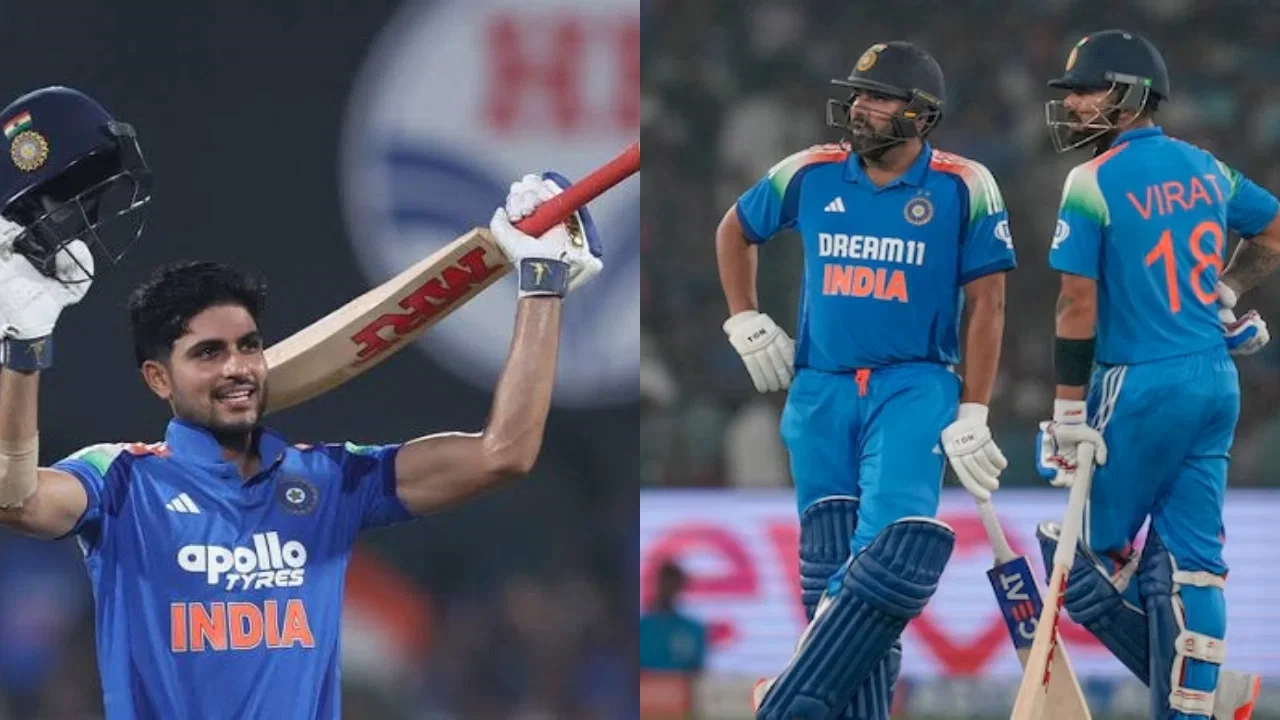
India Announce ODI Squad for New Zealand Tour as Leadership Changes for Final Two Matches
The Board of Control for Cricket in India (BCCI) has named India’s squad for the five-match ODI series against New Zealand, with a notable change in leadership planned midway through the contest. Shubman Gill will captain the side for the opening three matches, before vice-captain Shreyas Iyer takes over for the final two ODIs.
The series is part of India’s all-format tour of New Zealand and is scheduled to run from November 4 to November 15, 2026. The split captaincy and several squad changes give India an opportunity to test different combinations while facing a New Zealand team that recently claimed a historic ODI series win on Indian soil.
Gill to Lead India in the Opening Three ODIs
Gill will begin the series as captain, with Iyer serving as his deputy. The first-leg squad combines established international performers with players looking to strengthen their claims for a regular place in India’s ODI setup.
Senior batters Rohit Sharma and Virat Kohli bring extensive experience to the lineup, while wicketkeeper-batter KL Rahul is included for the first three matches. Ishan Kishan is also named as a wicketkeeping option. The batting group further features Ruturaj Gaikwad, Naman Dhir and Nitish Kumar Reddy, who can contribute with both bat and ball.
India’s bowling resources include Mohammed Siraj, Arshdeep Singh, Kuldeep Yadav, Anshul Kamboj and Gurnoor Brar. Prasidh Krishna has also been selected, subject to fitness clearance. Axar Patel adds another all-round option and gives the team flexibility in balancing its batting and bowling combinations.
India ODI squad for the first three matches
Shubman Gill (captain), Rohit Sharma, Virat Kohli, Shreyas Iyer (vice-captain), KL Rahul (wicketkeeper), Nitish Kumar Reddy, Axar Patel, Naman Dhir, Anshul Kamboj, Gurnoor Brar, Ruturaj Gaikwad, Arshdeep Singh, Ishan Kishan (wicketkeeper), Mohammed Siraj, Prasidh Krishna and Kuldeep Yadav.
Iyer Takes Over for the Fourth and Fifth ODIs
The squad will be reshaped for the final two matches, when Iyer becomes captain and Kishan is named vice-captain as well as wicketkeeper. Tilak Varma and Auqib Nabi join the group, while Kumar Kushagra replaces Rahul as the additional wicketkeeping choice. Yash Thakur is also included for the closing leg.
The changes create a different set of selection questions for India’s management. Tilak Varma offers another middle-order batting option, while the addition of Auqib Nabi and Yash Thakur expands the pace-bowling choices. Kishan’s promotion to vice-captain also gives him a more prominent role in the final phase of the tour.
Ravindra Jadeja is not included in either squad, continuing his absence from the selected ODI group. Axar Patel remains the frontline spin-bowling all-rounder, with Kuldeep Yadav providing a specialist wrist-spin option.
India ODI squad for the fourth and fifth matches
Shreyas Iyer (captain), Rohit Sharma, Virat Kohli, Tilak Varma, Ishan Kishan (wicketkeeper and vice-captain), Nitish Kumar Reddy, Axar Patel, Naman Dhir, Auqib Nabi, Gurnoor Brar, Ruturaj Gaikwad, Arshdeep Singh, Kumar Kushagra (wicketkeeper), Mohammed Siraj, Yash Thakur and Kuldeep Yadav.
India vs New Zealand ODI Series Schedule
The five-match series opens at Eden Park in Auckland on November 4. India and New Zealand will then travel to Wellington for the second ODI on November 7, followed by the third match at Seddon Park in Hamilton on November 10.
The final two games are scheduled for Bay Oval in Mount Maunganui. The fourth ODI will take place on November 13, with the series finale set for November 15. The schedule offers the teams a quick turnaround between matches, making squad rotation, recovery and adaptation to local conditions important considerations.
Full ODI schedule
1st ODI: November 4, Eden Park, Auckland
2nd ODI: November 7, Sky Stadium, Wellington
3rd ODI: November 10, Seddon Park, Hamilton
4th ODI: November 13, Bay Oval, Mount Maunganui
5th ODI: November 15, Bay Oval, Mount Maunganui
The ODI leg follows a five-match T20I series, which begins on October 22 and concludes on November 1. India are then scheduled to play two Tests against New Zealand, making the tour a demanding stretch across all three international formats.
Recent ODI Results Add Extra Edge to the Series
The teams’ previous ODI meeting came in January 2026, when New Zealand won a three-match series 2-1 in India. India took the opening match in Vadodara, chasing New Zealand’s total of 300 with four wickets in hand and six balls to spare.
New Zealand responded with a seven-wicket victory in Rajkot to level the series. The visitors then secured the deciding match in Indore, winning by 41 runs after posting 337 for eight. Daryl Mitchell and Glenn Phillips each scored a century and combined for a 219-run fourth-wicket partnership, putting India under pressure in the chase.
Virat Kohli’s 54th ODI century and a half-century from Nitish Kumar Reddy kept India in contention, but the hosts were dismissed for 296. The result gave New Zealand their first ODI series victory in India, adding a significant historical storyline to the upcoming return series.
What to Watch: Squad Balance and Series Prediction
India’s selection points to a focus on depth and flexibility. Rohit and Kohli provide proven batting leadership, while Gill and Iyer will each have a chance to guide the team during the series. The mid-series captaincy change may also give India’s management a useful opportunity to assess leadership options in different match situations.
Conditions in New Zealand could make the seam attack especially important, particularly early in the series. Siraj and Arshdeep are likely to be central to India’s plans, while the team’s all-rounders could help maintain balance across the five matches. Kuldeep’s role may also prove influential if pitches offer assistance to spin as the tour progresses.
Any series prediction remains uncertain: New Zealand will draw confidence from their recent success against India, while India’s experienced batting core and broader squad offer plenty of reasons for optimism. The opening matches should provide an early indication of how each side handles the conditions—and whether India can reverse the result of their previous ODI encounter.
Latest News
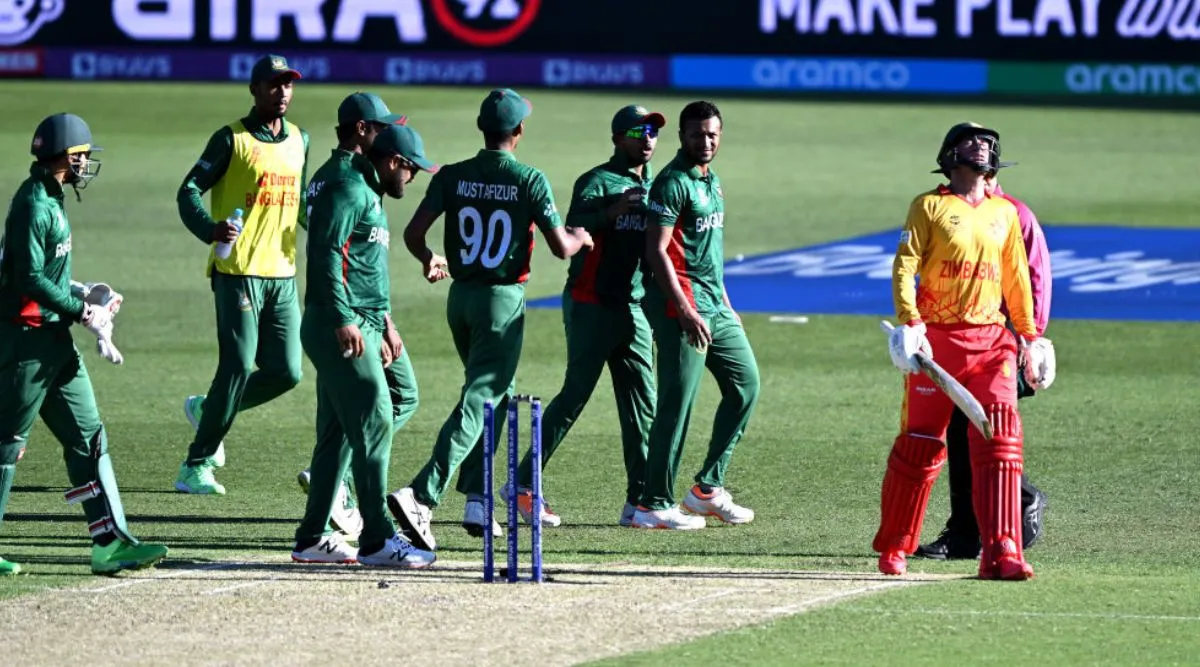
BAN vs ZIM Playing 11 Today, Live Streaming, Pitch & Weather: Bangladesh vs Zimbabwe 1st ODI, Tri-Series 2026
India ODI squad for New Zealand tour announced, Ravindra Jadeja dropped
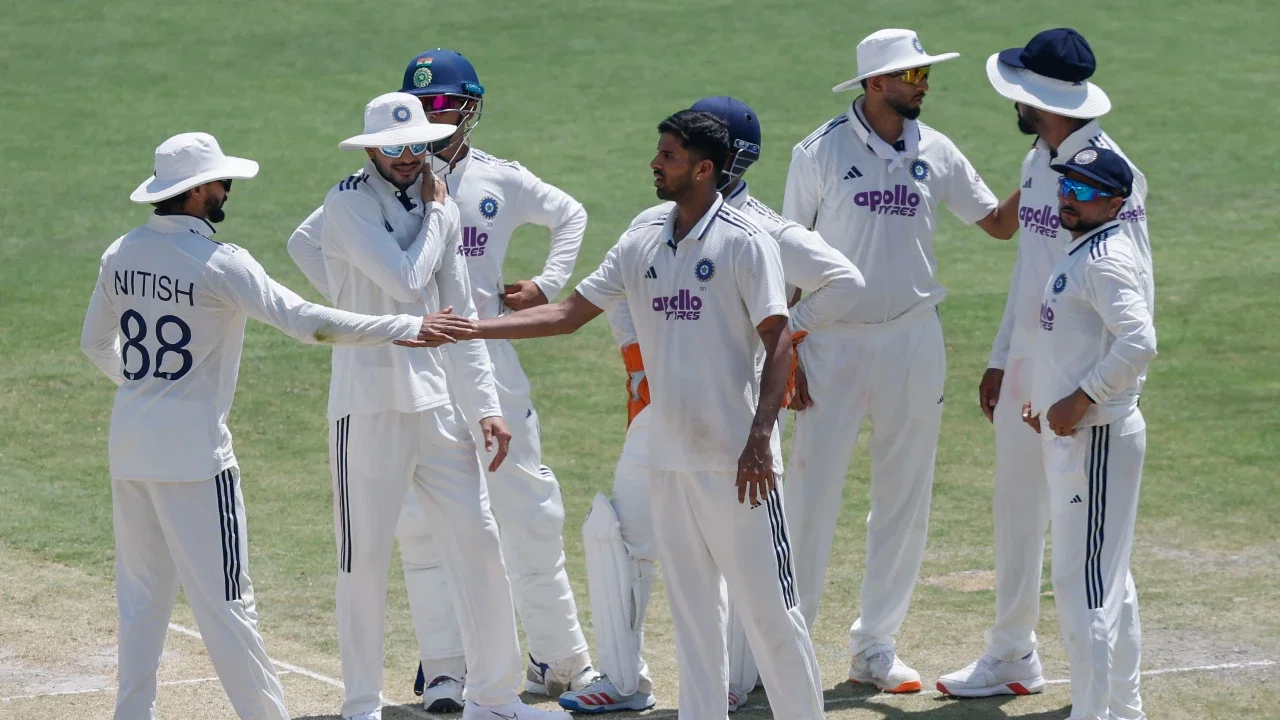
India Test squad for New Zealand tour announced, Mohammed Shami snubbed
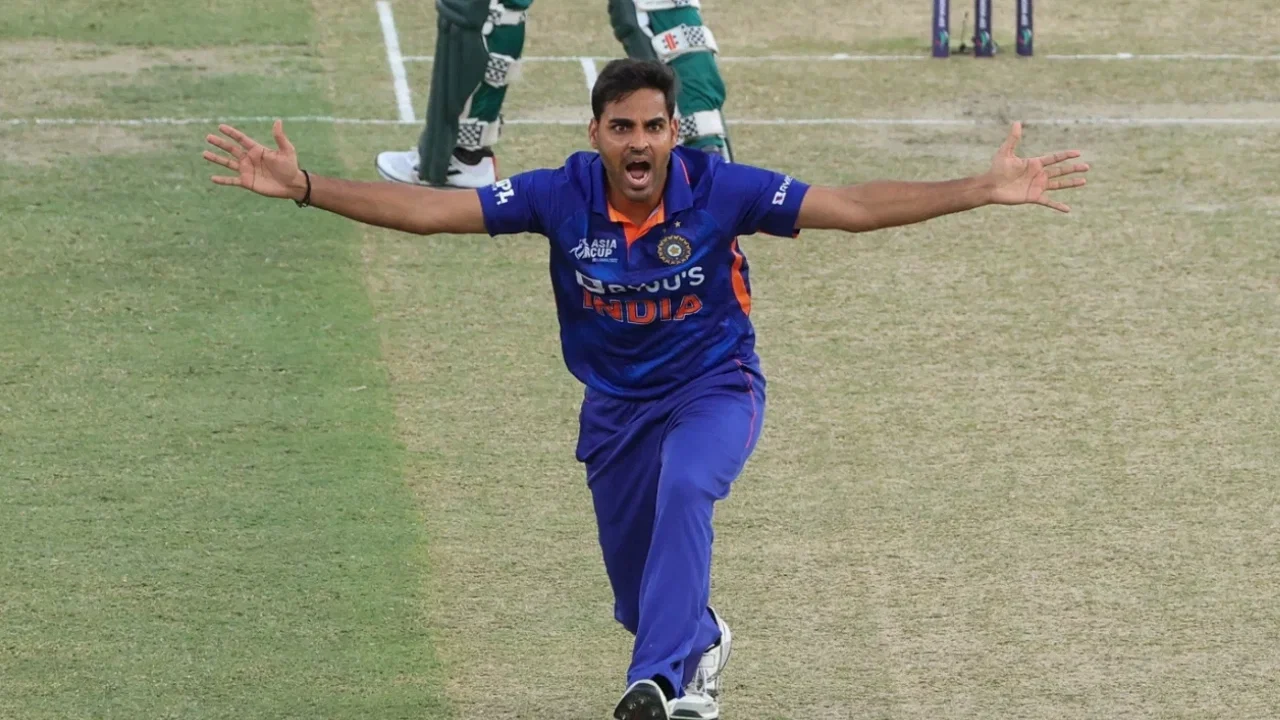
Bhuvneshwar Kumar at M Chinnaswamy Stadium: Wickets, average and bowling record
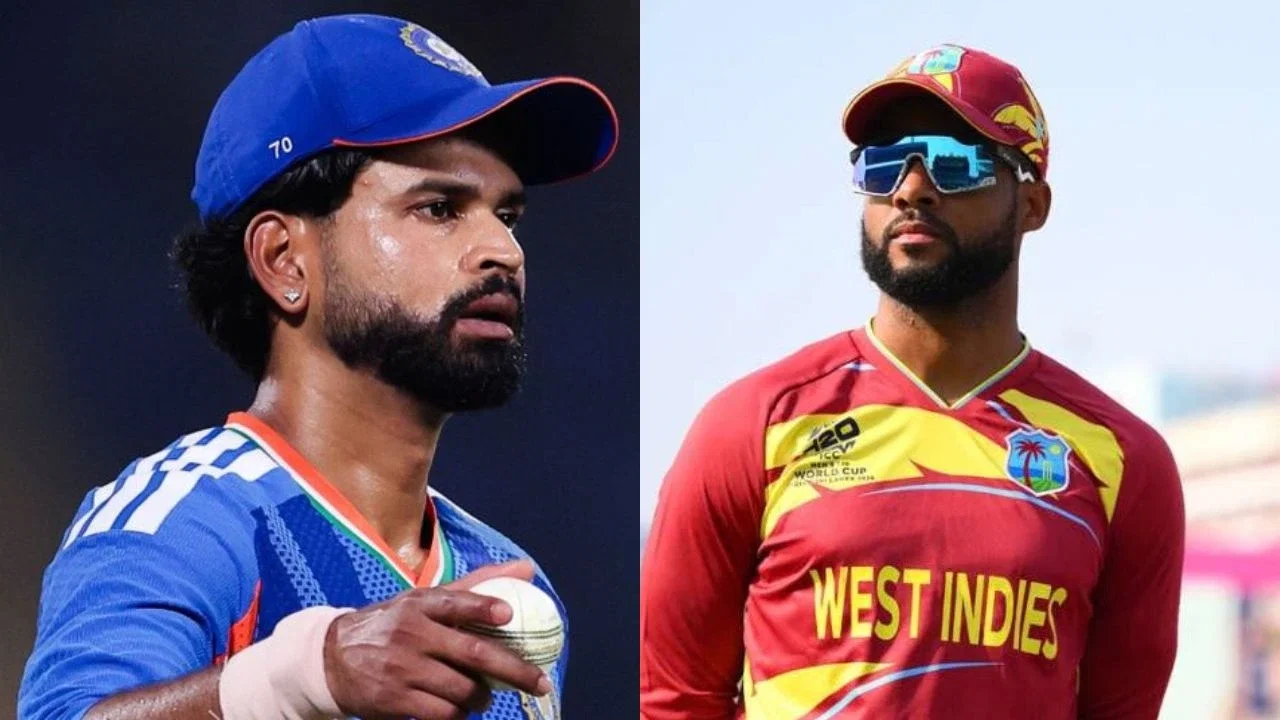
IND vs WI Playing 11 Today, Live Streaming, Pitch & Weather: India vs West Indies 5th T20I, 2026
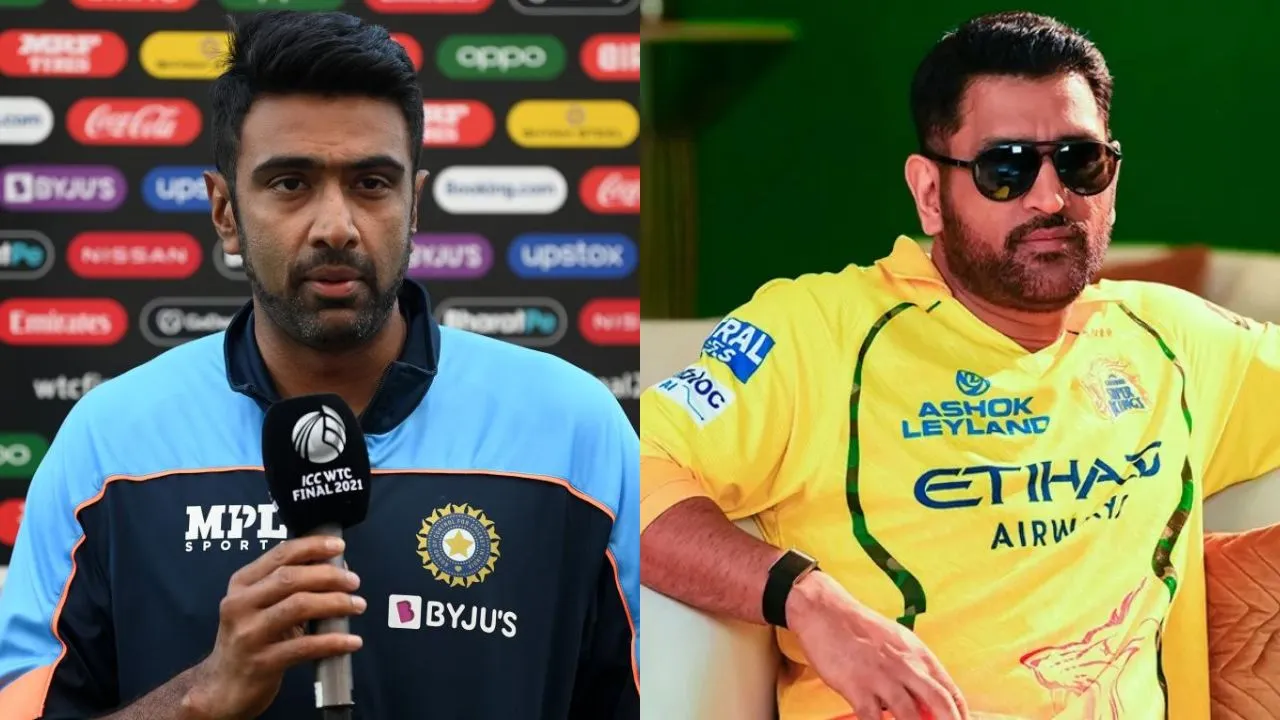
MS Dhoni to become CSK mentor, confirms Ravichandran Ashwin
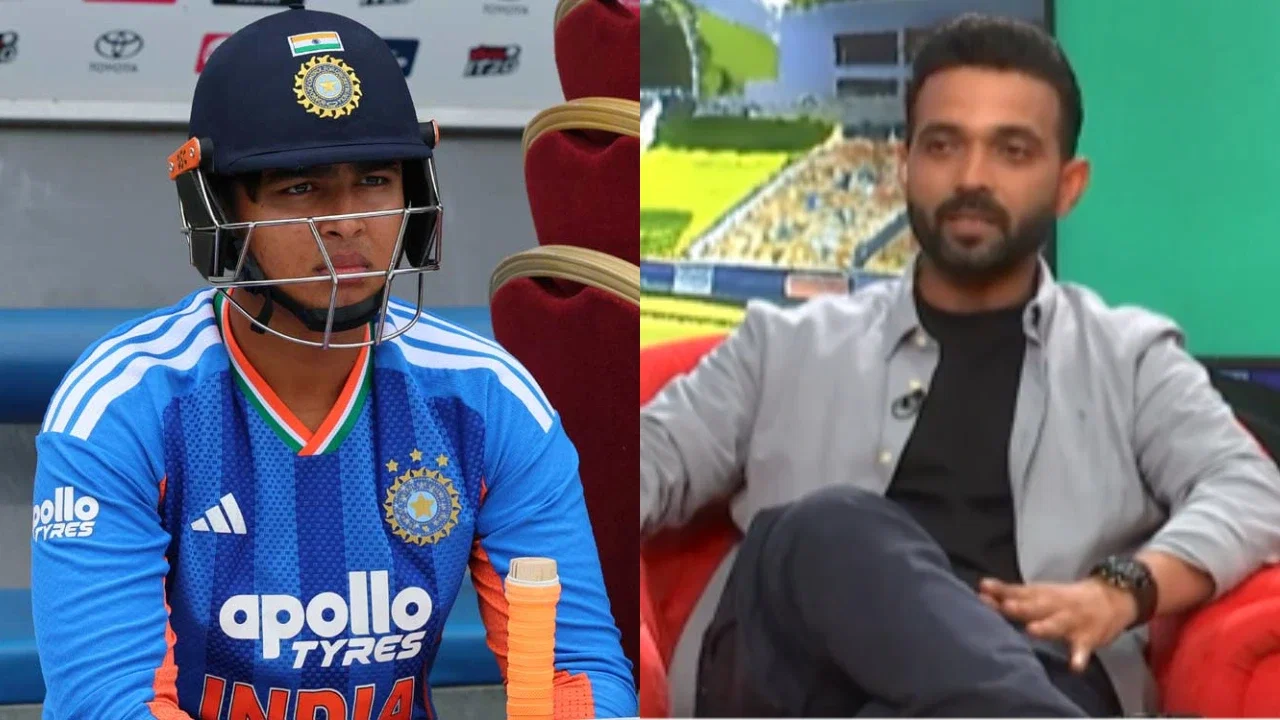
Ajinkya Rahane snubs Vaibhav Sooryavanshi as he names top 5 T20 batters
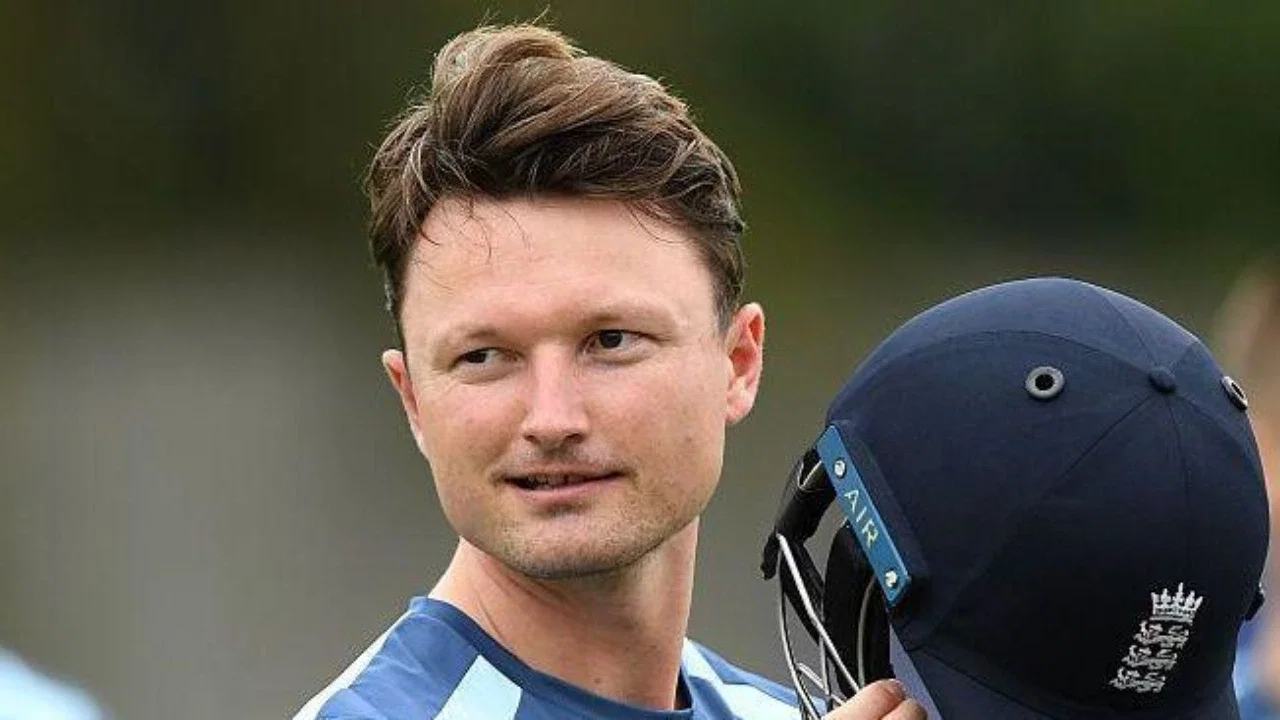
Aneurin Donald set for BBL debut after white-ball series in Australia
Big Bash League targets global expansion as Chennai opener draws strong ticket demand
Brad Wheal announces retirement at just 30, reveals heartbreaking reason
Vaibhav Sooryavanshi’s reaction goes viral when PM Narendra Modi says ‘whose age was only 15 to 17…’
Dinesh Karthik names top 5 T20 batters, Virat Kohli at top, Abhishek Sharma snubbed
“There’s scope to make pitches flatter”: Sanjay Manjrekar takes a dig at Indian tracks
Bhuvneshwar Kumar gets surprise India selection vs WI after Arshdeep Singh’s shoulder injury