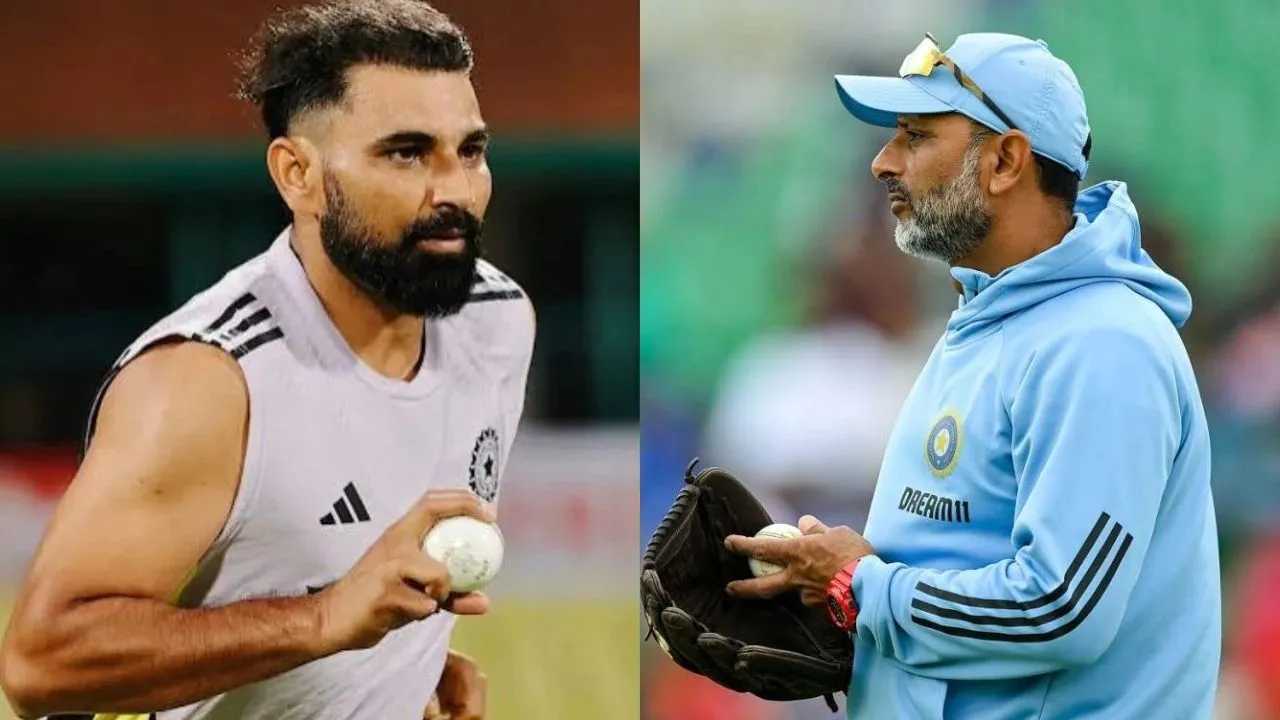
“PSL ko dhoka diya…”: Aakash Chopra reacts as Blessing Muzarabani’s agent exposes PCB

Former Indian Cricketer Aakash Chopra Criticizes PSL and PCB Over Blessing Muzarabani Controversy
Former Indian cricketer Aakash Chopra has recently spoken out against the Pakistan Super League (PSL) and the Pakistan Cricket Board (PCB) regarding their handling of the Blessing Muzarabani episode. The whole situation surrounding Muzarabani has caused quite a stir in the cricketing world, with tensions escalating each passing day.
The Blessing Muzarabani Controversy Unraveled
It all started when the Zimbabwean fast bowler, Blessing Muzarabani, expressed his preference for playing in the IPL 2026 over the PSL 2026. This seemingly innocent decision quickly snowballed into a major controversy, leading to Muzarabani being banned by the PCB for two years after he opted to join the Kolkata Knight Riders (KKR) in the ongoing IPL 2026.
However, the plot thickened when Muzarabani’s agent shed light on the situation. According to the agent, there was no formal contract signed between Muzarabani and Islamabad United, the PSL team in question. The agreement was merely verbal, with no official documentation to support it. Even when KKR approached Muzarabani with a concrete offer, the PSL team failed to provide a written agreement.
Aakash Chopra’s Take on the Matter
Reacting to the controversy, Aakash Chopra called out the PCB for its handling of the situation. In a video posted on his social media, Chopra criticized the ban imposed on Muzarabani, highlighting the absence of a proper signed contract as a key issue.
Chopra emphasized the importance of a formal contract in obtaining a no-objection certificate (NOC) from the player’s home board. Without a signed agreement, players cannot secure participation in any league. Due to the lack of paperwork from Islamabad United, Muzarabani was unable to pursue the necessary NOC, leading him to accept KKR’s offer for the IPL.
Questioning the Punishment
Chopra questioned the harshness of the punishment meted out to Muzarabani, pointing out the unfairness of penalizing a player for breaching a contract that was never officially documented. He defended Muzarabani against allegations of betrayal, stating that without a signed contract, the player could not be held accountable for any agreement.
Ultimately, Chopra called for a more nuanced understanding of the situation and urged fans and critics alike to refrain from condemning Muzarabani without considering all the facts. The controversy surrounding Blessing Muzarabani serves as a cautionary tale about the importance of clear communication and proper documentation in professional sports.
As the cricketing world continues to grapple with the fallout from this incident, it raises important questions about contract management and player rights in the ever-evolving landscape of global cricket leagues.
Player Empowerment and League Dynamics
One of the key themes that emerge from the Blessing Muzarabani controversy is the issue of player empowerment and the dynamics between players, leagues, and cricket boards. With the proliferation of various T20 leagues around the world, cricketers have more opportunities than ever to ply their trade in different competitions, often leading to conflicts of interest and tough decisions regarding player loyalty.
Players like Muzarabani are increasingly in demand due to their skills and marketability, creating a scenario where they hold more bargaining power in negotiating contracts and choosing where to play. This shift in power dynamics challenges traditional notions of player-team relationships and raises questions about the role of governing bodies like the PCB in regulating player movements.
Transparency and Accountability in Contractual Agreements
The lack of transparency and accountability in contractual agreements between players, teams, and leagues is another issue highlighted by the Muzarabani saga. In professional sports, clear and binding contracts are essential to ensure that all parties involved understand their rights and obligations. Without proper documentation, misunderstandings and disputes like the one involving Muzarabani can easily arise, damaging player-team relations and tarnishing the reputation of the sport.
Moving forward, leagues and teams must place a greater emphasis on formalizing agreements and ensuring that all parties adhere to the terms laid out in the contracts. This not only protects the interests of the players but also fosters a more professional and trustworthy environment within the cricketing community.
Lessons for Future Contract Negotiations
The controversy surrounding Blessing Muzarabani serves as a valuable lesson for players, agents, teams, and leagues on the importance of thorough contract negotiations. Players must exercise caution and due diligence when considering offers from different leagues, ensuring that they have a clear understanding of the terms and conditions of their agreements.
Similarly, teams and leagues must prioritize transparency and communication in their dealings with players to avoid misunderstandings and conflicts. By establishing clear protocols for contract management and player transfers, cricketing organizations can build stronger relationships with their players and uphold the integrity of the sport.
Conclusion
In conclusion, the Blessing Muzarabani controversy sheds light on the complexities of modern cricket and the challenges faced by players, teams, and leagues in navigating the competitive landscape of T20 cricket. By learning from this incident and implementing stricter protocols for contract management and player transfers, the cricketing world can foster a more transparent and fair environment for all stakeholders involved.
As the sport continues to evolve and adapt to changing dynamics, it is crucial for cricket boards, teams, and players to prioritize clear communication, accountability, and respect for contractual agreements. Only by upholding these principles can cricket maintain its integrity and reputation as a beloved global sport.
Latest News
Top 10 highest run-chases in T20 cricket history, ft. West Indies’ Ranchi win vs India
Aaryavir Sehwag and Anvay Dravid set to make headlines at U19 Asia Cup 2026
Longest ducks in Test cricket history ft. Nic Maddinson, Shoaib Akhtar
ECB to offer 39 central contracts to England players after Ben Stokes, Mark Wood’s retirement
Steve Smith surpasses Steve Waugh in all-time Test run-scorers’ list

Shane Watson identifies Gautam Gambhir’s biggest problem as India struggle for consistency
Is Bhuvneshwar Kumar in India’s 2027 World Cup plans? Ajinkya Rahane makes revelation

BCCI’s big ₹127 Crore move after injury crisis raises concerns over Team India
Parthiv Patel reveals RCB ignored his Jasprit Bumrah recommendation in IPL 2014 Auction
“Never spoke ill of any faith”: Irfan Pathan hits back at fake news using his name
Nic Maddinson bags 33-ball duck on Test comeback, disappoints George Bailey
Imran Tahir predicts 2027 ICC ODI World Cup Semi-Finalists, snubs India for title
Australia create unwanted history with first all-30-plus Test XI
Ravindra Jadeja returns to Ranji Trophy as Saurashtra announce squad