PSL team owner questions Aaqib Javed, Mike Hesson over Pakistan’s decline
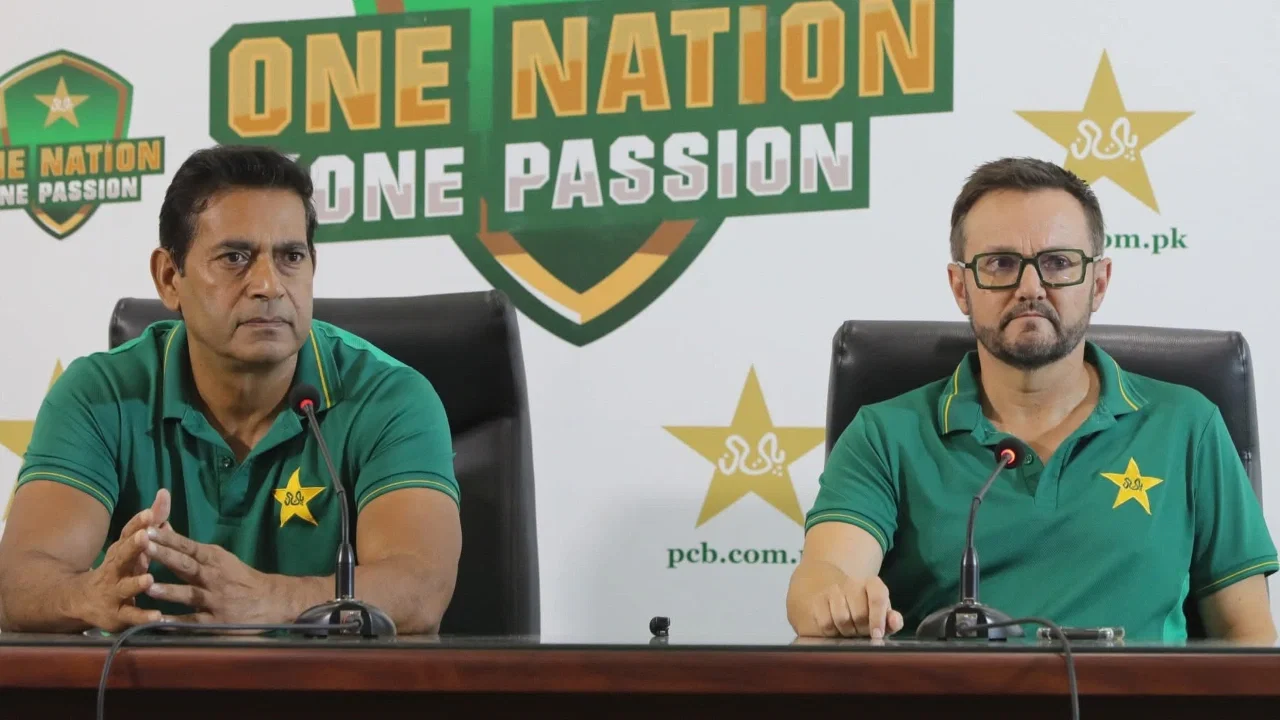
Hyderabad Kingsmen Owner Fawad Sarwar Criticizes PCB Officials for Pakistan’s International Cricket Struggles
Hyderabad Kingsmen owner Fawad Sarwar has taken a bold stance against the Pakistan Cricket Board (PCB) and some of its top employees for the team’s ongoing struggles in international cricket. Sarwar specifically called out Aaqib Javed, one of the selectors for the national cricket team, and Mike Hesson, the head coach of the Pakistan National Cricket Team, for the downfall of the team.
Continuous Criticism from Sarwar
Sarwar has been vocal in his criticisms of the PCB officials ever since the emergence of Hyderabad Kingsmen in the previous season of the Pakistan Super League (PSL). He believes that the poor performance of the national team in various multination and bilateral series has had a detrimental impact on cricket in Pakistan as a whole.
According to Sarwar, both Aaqib Javed and Mike Hesson have been consistently blaming the players for the team’s failures, instead of taking responsibility for their coaching and selection decisions. Sarwar has called for a change in the approach towards the team’s performance improvement.
A Call for Training and Revamping
Sarwar emphasized the need for proper training for Aaqib Javed on how to communicate with the media effectively. He criticized Javed for openly blaming the players in interviews and press conferences, questioning why a selector would lack confidence in his own team and criticize them publicly.
Similarly, Sarwar slammed head coach Mike Hesson for constantly pointing out the team’s poor records when explaining their underwhelming performances. He suggested that a revamp of the team’s lineup is necessary, with the release of underperforming players and the addition of fresh talent to the squad.
Pakistan’s Must-Win Situation
Sarwar’s remarks come in the wake of Pakistan’s 90-run defeat against West Indies in the ongoing Test series. The team, led by Babar Azam, suffered a batting collapse in the second innings, leading to a disappointing loss against the hosts. As Pakistan prepares for the second and final match of the series in Port of Spain, they are in a must-win situation to avoid a series sweep.
Despite the challenges, Pakistan will have to regroup without the services of former captain Shan Masood, who sustained a finger injury in the previous match. The Men in Green will need to rally and put up a strong performance to level the series against West Indies.
As the cricketing world watches closely, all eyes will be on Pakistan to see how they respond to the criticism and whether they can turn the tide in their favor in the upcoming match.
Impact of Coaching and Selection Decisions
One of the key factors affecting Pakistan’s international cricket struggles is the impact of coaching and selection decisions on the team’s performance. While players are often the ones facing criticism for poor results, it is essential to analyze the role of coaches and selectors in shaping the team’s success.
Coaches like Mike Hesson play a crucial role in strategizing and preparing the team for matches. Their ability to identify strengths and weaknesses, provide guidance to players, and make tactical decisions during games can significantly influence the team’s performance. Similarly, selectors like Aaqib Javed are responsible for choosing the best possible squad for each series, considering factors like form, fitness, and opposition strengths.
When coaching and selection decisions are called into question, it raises concerns about the direction in which the team is headed. Inconsistent performances, lack of team cohesion, and a failure to adapt to different playing conditions can all be attributed to the quality of coaching and selection processes in place.
Building a Strong Team Culture
Another crucial aspect highlighted by Fawad Sarwar’s criticism is the need to build a strong team culture within the Pakistan National Cricket Team. A positive team culture fosters unity, resilience, and accountability among players, coaches, and support staff.
Creating a culture of trust and open communication can encourage players to perform at their best and take ownership of their roles within the team. It also allows coaches to provide constructive feedback, set high standards, and instill a sense of pride in representing their country on the international stage.
By addressing issues related to coaching, selection, and team culture, Pakistan can work towards overcoming their international cricket struggles and reclaiming their position as a formidable cricketing nation.
The Road Ahead for Pakistan Cricket
Looking ahead, Pakistan faces a challenging road in their quest to regain their cricketing prowess. With upcoming series against top-ranked teams and major tournaments on the horizon, the team must address the underlying issues that have hindered their performance in recent times.
This period of reflection and transformation presents an opportunity for Pakistan to reassess their strategies, make necessary changes to coaching and selection processes, and cultivate a winning mindset within the team. By focusing on player development, teamwork, and consistent performance, Pakistan can strive towards achieving success on the global cricketing stage.
As fans, critics, and stakeholders eagerly await Pakistan’s response to the current challenges, the team’s ability to adapt, evolve, and thrive in the face of adversity will determine their future in international cricket.
By delving deeper into the complexities of coaching, selection, and team dynamics, Pakistan can position themselves for a resurgence in international cricket and pave the way for a new era of success and excellence in the sport.
Latest News
Top 10 highest run-chases in T20 cricket history, ft. West Indies’ Ranchi win vs India
Aaryavir Sehwag and Anvay Dravid set to make headlines at U19 Asia Cup 2026
Longest ducks in Test cricket history ft. Nic Maddinson, Shoaib Akhtar
ECB to offer 39 central contracts to England players after Ben Stokes, Mark Wood’s retirement
Steve Smith surpasses Steve Waugh in all-time Test run-scorers’ list
Shane Watson identifies Gautam Gambhir’s biggest problem as India struggle for consistency
Is Bhuvneshwar Kumar in India’s 2027 World Cup plans? Ajinkya Rahane makes revelation
BCCI’s big ₹127 Crore move after injury crisis raises concerns over Team India
Parthiv Patel reveals RCB ignored his Jasprit Bumrah recommendation in IPL 2014 Auction
“Never spoke ill of any faith”: Irfan Pathan hits back at fake news using his name
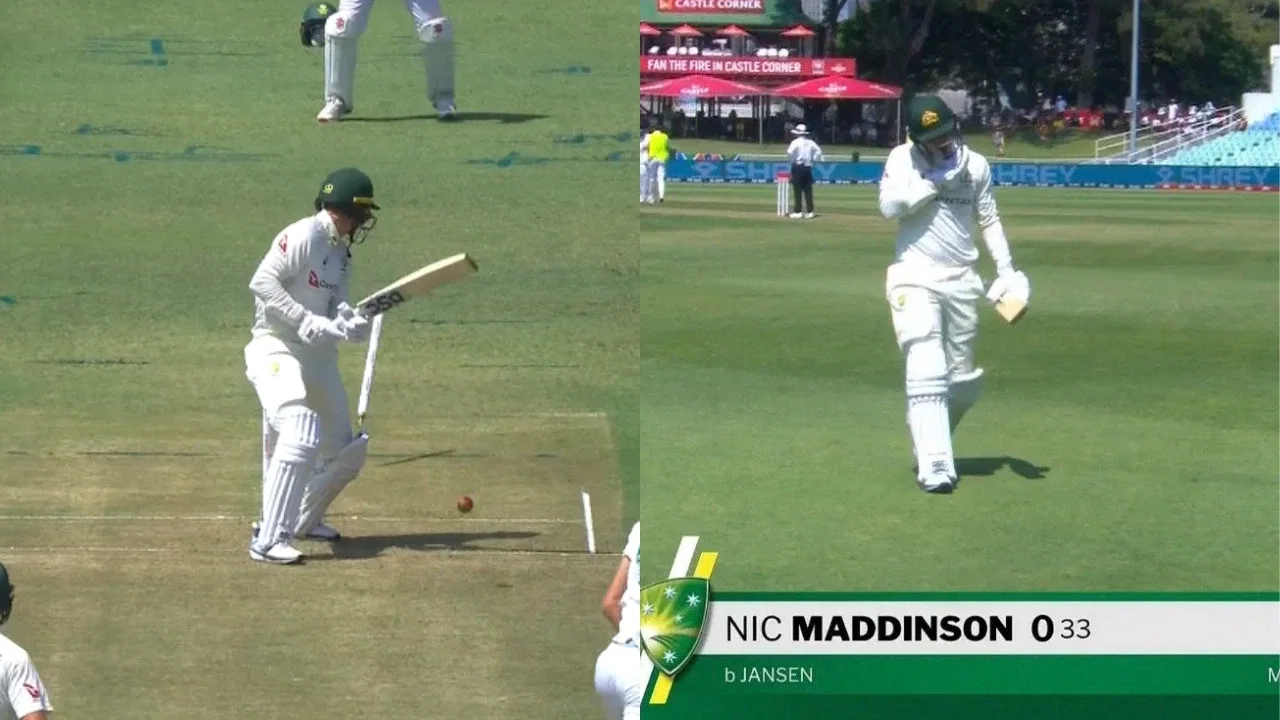
Nic Maddinson bags 33-ball duck on Test comeback, disappoints George Bailey
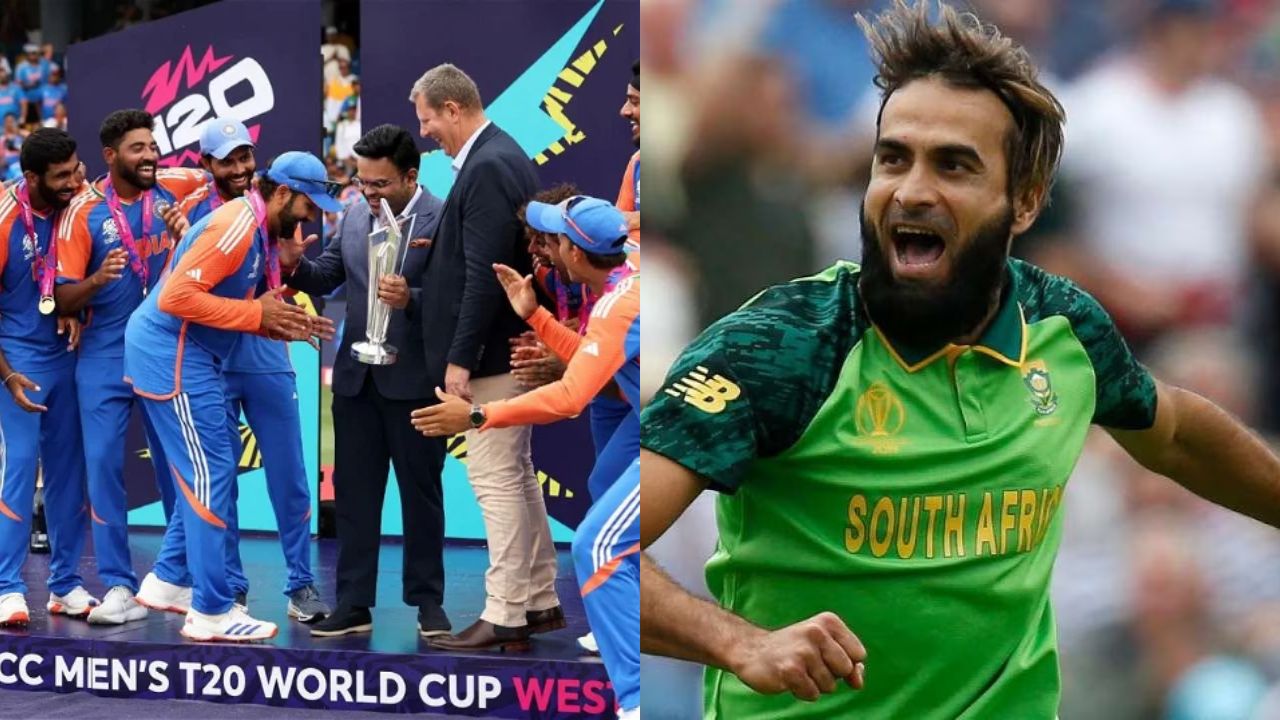
Imran Tahir predicts 2027 ICC ODI World Cup Semi-Finalists, snubs India for title
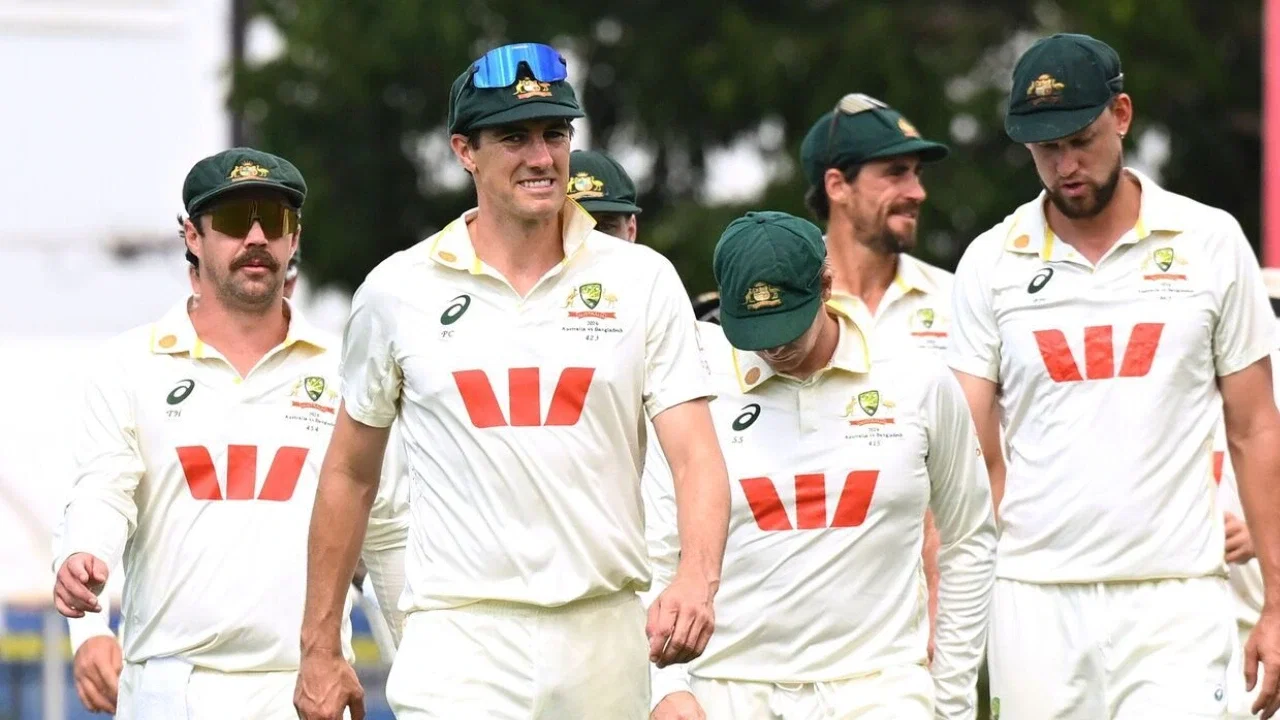
Australia create unwanted history with first all-30-plus Test XI
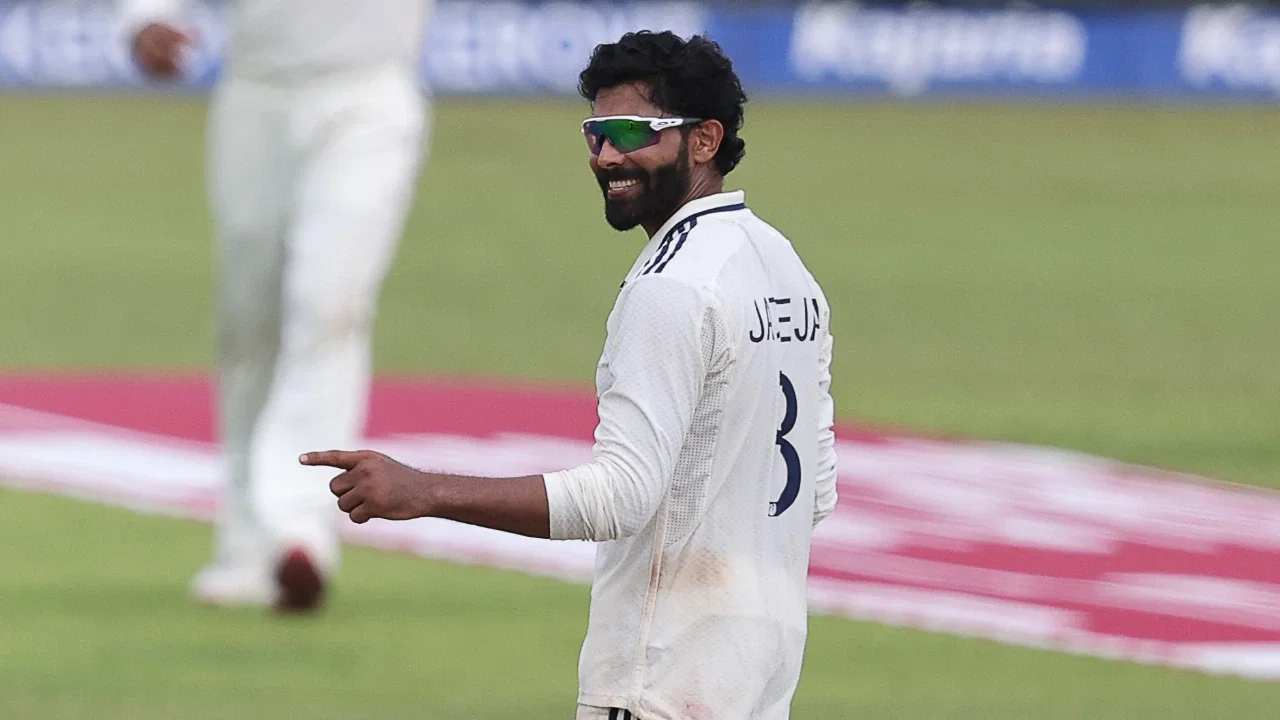
Ravindra Jadeja returns to Ranji Trophy as Saurashtra announce squad