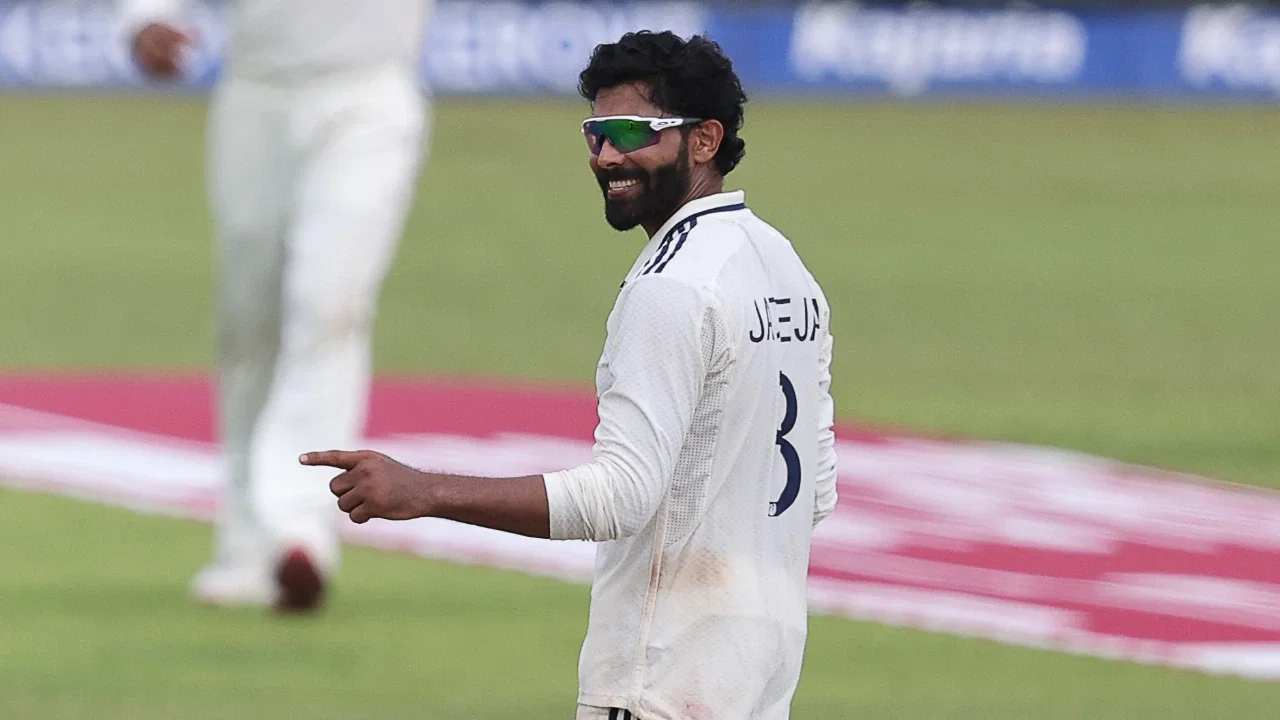
Qualification Scenario: India literally won’t qualify for T20 World Cup 2026 semi-finals if….
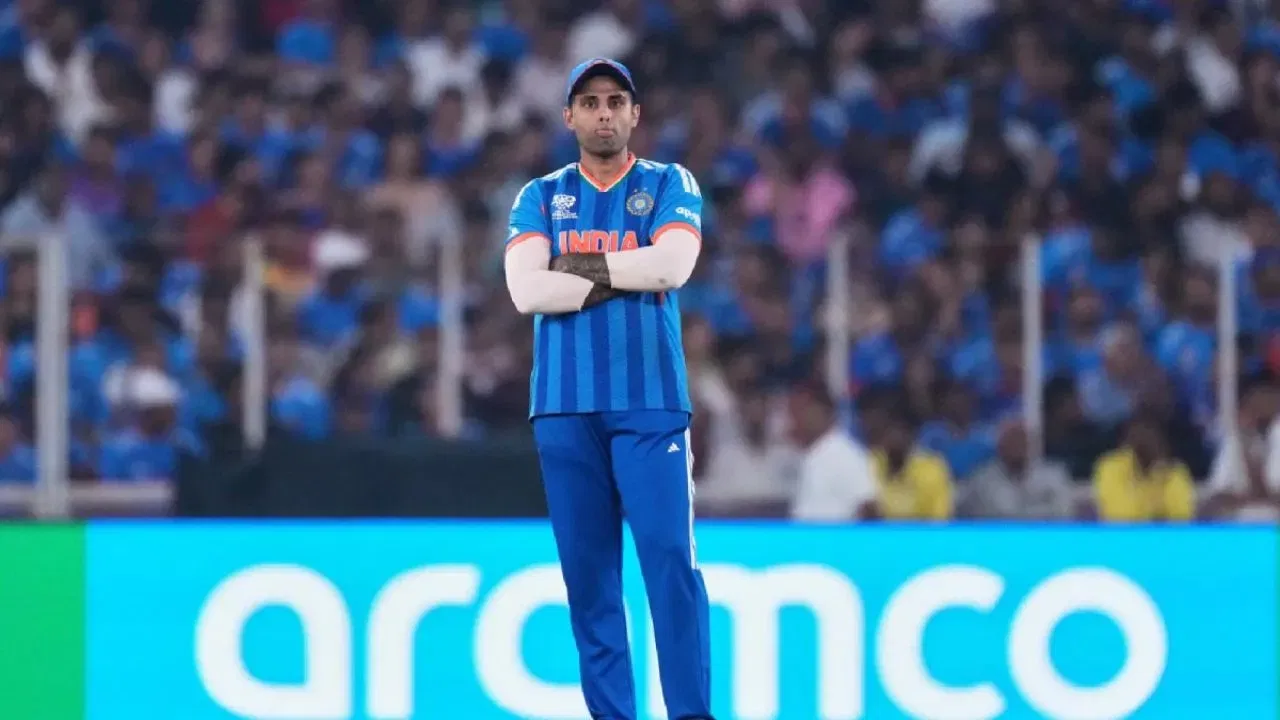
India Suffers First Defeat in the 2026 T20 World Cup
The India National Cricket Team faced a setback in the ongoing 2026 T20 World Cup as they were defeated by South Africa by a significant 76-run margin on Sunday at the Narendra Modi Stadium. This defeat marked the end of India’s impressive 17-match winning streak in ICC tournaments, impacting their run rate, which is now in negative territory.
South Africa’s Strong Performance
South Africa won the toss and elected to bat first. Despite a shaky start at 20/3, David Miller and Dewald Brevis showcased excellent resilience with a partnership of 97 runs in just 57 balls. Miller scored 63 off 35 deliveries, while Brevis contributed 45 off 29 balls. Tristan Stubbs’ fiery knock of 44 off 24 deliveries, including scoring 20 runs in the final over, helped South Africa set a challenging target of 187/7.
In response, Jasprit Bumrah was the standout bowler for India, finishing his spell with figures of 3/15 in four overs. Arshdeep Singh also bowled impressively, conceding just 28 runs and taking 2 wickets.
India’s Batting Collapse
During their chase, India suffered an early blow with inform Ishan Kishan getting out for a duck. While Shivam Dube’s 42 off 37 balls provided some resistance, the team faced a serious collapse and was eventually bowled out for 111. Marco Jensen picked up 4/22, and Keshav Maharaj took 3/24 to lead South Africa to victory.
Qualification Scenarios and Challenges for India
Following this heavy defeat, India’s path to the semi-finals has become challenging. To qualify, the co-hosts must win their remaining matches against Zimbabwe and the West Indies. Additionally, they need South Africa to win all their group games to secure the top spot in Group 1.
If India wins only one of their remaining games, their chances of qualifying will be slim. In this scenario, they would need to rely on their run rate being better than Zimbabwe and the West Indies. Therefore, the Men in Blue must focus on improving their performance, particularly in the middle overs where they have been losing wickets consistently.
Looking Ahead
As the defending champions, India will need to regroup and strategize for their upcoming matches. It is crucial for them to work as a cohesive unit and address their batting weaknesses to secure victories against Zimbabwe and the West Indies. Any changes in tactics or team composition may be necessary to bounce back from this defeat and secure a spot in the semi-finals.
Despite the challenges they face, Captain Suryakumar Yadav remains optimistic, stating, “We will learn from it” after India’s loss to South Africa. The team’s resilience and adaptability will be put to the test in the remaining matches of the tournament.
India’s Key Players Under Pressure
Following the defeat against South Africa, key players in the Indian team such as Virat Kohli, Rohit Sharma, and Rishabh Pant are under pressure to deliver standout performances in the upcoming matches. Kohli, known for his consistency and leadership skills, will be crucial in stabilizing the team’s batting order and guiding them to victory. Sharma, with his experience and ability to score big runs, will need to lead from the front. Pant, known for his explosive batting style, will be expected to provide the necessary impetus in the middle overs.
Additionally, the bowling department, led by Jasprit Bumrah and Arshdeep Singh, will need to continue their impressive form and pick up crucial wickets to restrict the opposition’s run-scoring. Their ability to bowl tight lines and lengths under pressure will be vital in turning the tide in India’s favor.
Adapting to Different Playing Conditions
One of the challenges for the Indian team in the 2026 T20 World Cup is adapting to different playing conditions across various venues in the tournament. The Narendra Modi Stadium, known for its spin-friendly pitches, posed a challenge for the Indian batsmen in the match against South Africa. As the tournament progresses, teams will encounter different pitch conditions that may favor pace or spin bowling, requiring adaptability and strategic planning.
India’s coaching staff, led by head coach Rahul Dravid, will need to analyze the playing conditions at each venue and devise strategies accordingly. This may involve tweaking the team composition or altering batting orders to suit the conditions and maximize their chances of success.
The Importance of Mental Resilience
In high-pressure tournaments like the T20 World Cup, mental resilience plays a crucial role in a team’s performance. The Indian players will need to maintain a positive mindset, learn from their mistakes, and focus on the upcoming challenges. Captain Suryakumar Yadav’s leadership will be instrumental in keeping the team motivated and united during tough times.
Moreover, the support staff, including sports psychologists and mental conditioning coaches, will play a pivotal role in ensuring that the players are mentally prepared to handle the rigors of elite-level competition. Techniques such as visualization, mindfulness, and stress management will be employed to enhance the players’ mental toughness and overall performance on the field.
Conclusion
Despite the setback against South Africa, India remains a formidable force in the 2026 T20 World Cup. With a talented roster of players, experienced coaching staff, and a history of success in ICC tournaments, the team has the potential to bounce back from defeat and make a strong push for the semi-finals.
As the tournament progresses, India’s ability to adapt to different challenges, showcase mental resilience, and execute their game plans effectively will be key to their success. Fans around the world will be eagerly watching as the Men in Blue strive to overcome obstacles, secure crucial victories, and stake their claim for another T20 World Cup title.
Latest News
New Zealand suffer blow as William O’Rourke misses India ODIs and Tests
Top 10 highest run-chases in T20 cricket history, ft. West Indies’ Ranchi win vs India
Aaryavir Sehwag and Anvay Dravid set to make headlines at U19 Asia Cup 2026
Longest ducks in Test cricket history ft. Nic Maddinson, Shoaib Akhtar
ECB to offer 39 central contracts to England players after Ben Stokes, Mark Wood’s retirement
Steve Smith surpasses Steve Waugh in all-time Test run-scorers’ list
Shane Watson identifies Gautam Gambhir’s biggest problem as India struggle for consistency
Is Bhuvneshwar Kumar in India’s 2027 World Cup plans? Ajinkya Rahane makes revelation
BCCI’s big ₹127 Crore move after injury crisis raises concerns over Team India
Parthiv Patel reveals RCB ignored his Jasprit Bumrah recommendation in IPL 2014 Auction
“Never spoke ill of any faith”: Irfan Pathan hits back at fake news using his name
Nic Maddinson bags 33-ball duck on Test comeback, disappoints George Bailey
Imran Tahir predicts 2027 ICC ODI World Cup Semi-Finalists, snubs India for title
Australia create unwanted history with first all-30-plus Test XI