

Rachel Khawaja hits back at critics over Usman Khawaja’s 2018 ball-tampering allegations
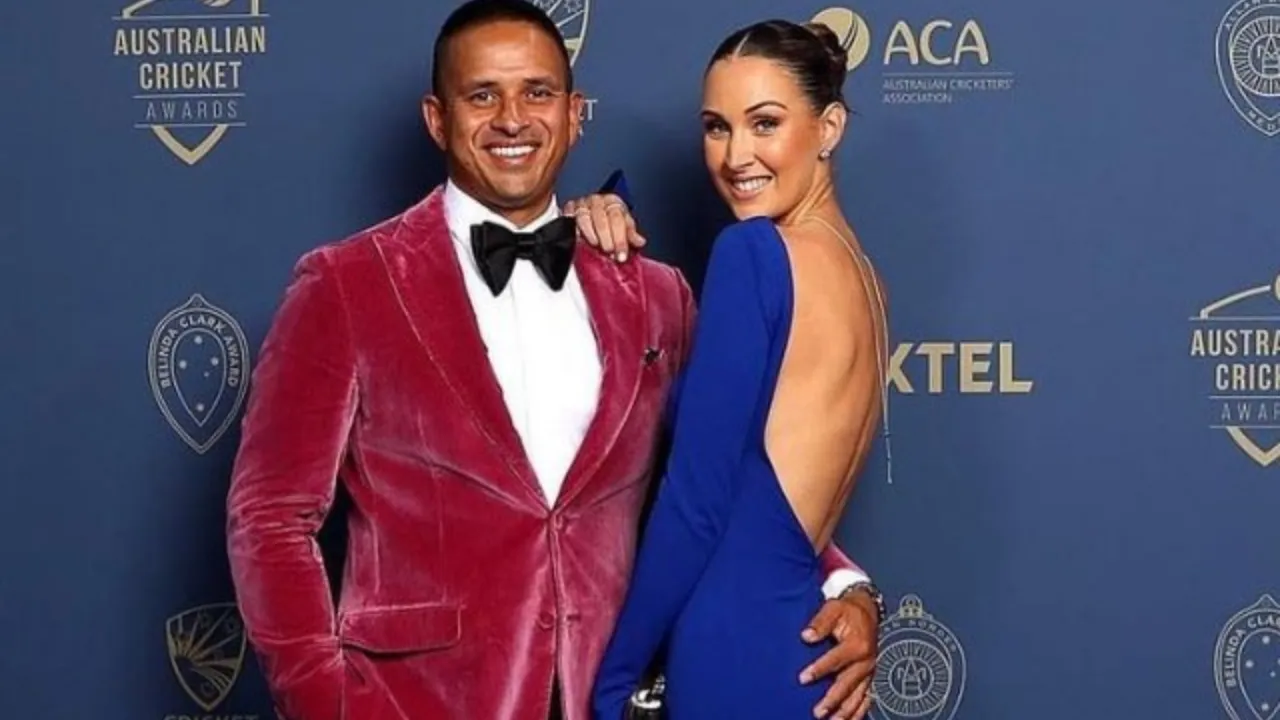
Rachel Khawaja Defends Usman Khawaja as Sandpaper Scandal Claims Reignite Debate
Rachel Khawaja has urged critics to consider the full context of her husband Usman Khawaja’s comments about Australia’s 2018 ball-tampering scandal, arguing that the controversy is only one part of a much broader personal story. Her response came after the former Test opener alleged in his memoir, Sabr, that knowledge of the sandpaper plan extended beyond the three players who were formally punished.
The claims have reopened discussion about one of Australian cricket’s most damaging episodes. Usman’s account has drawn strong reactions from former teammates, including Pat Cummins and Mitchell Starc, while Cricket Australia has said it does not intend to reopen its investigation. The dispute has also prompted fresh questions about what players knew during the 2018 tour of South Africa—and how the episode is remembered years later.
Rachel Khawaja asks critics to read the full account
In an Instagram post, Rachel encouraged people to read the original reporting about Usman’s comments and the relevant chapter of his memoir before reaching a conclusion. She said that a short news report could not necessarily convey the full detail or intent behind the claims.
“I urge you to read [journalist Dan Brettig’s] article to get the whole story and equally wait and read the book/chapter for even more clarity and context,” she wrote. Rachel also reminded readers that Sabr is a memoir about Usman’s life, not solely an account of the ball-tampering controversy.
Her message reflects a broader point about memoirs: they often revisit difficult events through the author’s personal perspective, including memories, relationships and consequences that may not have been part of the public record at the time. Rachel’s defence does not settle the factual dispute, but it highlights why she believes the claims should be considered in their full context.
What Usman Khawaja alleges about the 2018 ball-tampering scandal
In Sabr, Usman writes that the use of sandpaper was discussed and that the plan was known within the Australian dressing room during the second Test against South Africa in Port Elizabeth. That match took place before television cameras captured Cameron Bancroft with sandpaper during the third Test in Cape Town.
The incident led to severe sanctions for captain Steve Smith, vice-captain David Warner and Bancroft. Smith and Warner received 12-month suspensions, while Bancroft was banned for nine months. The case prompted widespread criticism of Australian cricket and led to reviews of the team’s culture and leadership.
Usman has dedicated the chapter to the three players and acknowledged that speaking about the episode could affect friendships. His account has nevertheless been challenged by teammates. Cummins has described the allegations as “100 per cent wrong,” while Starc has said the bowlers had no advance knowledge of the plan.
Former squad member Chadd Sayers has reportedly supported Usman’s version, claiming that he disposed of sandpaper during a drinks break in Port Elizabeth. These conflicting accounts leave the public debate centred on differing recollections, rather than a new official finding. Cricket Australia’s decision not to reopen its investigation means there is currently no announced process to reassess the original case.
Why the claims are drawing renewed attention
The renewed interest is partly about the original scandal, but it is also about how teams handle responsibility when misconduct occurs. The formal punishments focused on three players, while Usman’s memoir raises the possibility that awareness of the plan was more widely shared. That distinction matters: knowing about an idea, participating in it and failing to report it are different allegations, each requiring careful evidence.
For cricket followers, the competing accounts also underline the difficulty of reconstructing a dressing-room conversation years after the event. Memories can differ, and public statements may carry personal and professional consequences. Any prediction about whether the controversy will lead to further action should therefore be treated cautiously: Cricket Australia has ruled out reopening its investigation, and the public disagreement alone does not establish new findings.
Rachel and Usman Khawaja’s life beyond cricket
Rachel’s public response has also brought renewed attention to the couple’s life away from the sport. She has previously spoken about embracing Islam before marrying Usman. The pair met through a mutual friend in Brisbane in 2015 and became engaged the following year. They held their Islamic nikah in 2017, followed by a wedding celebration at Maleny Manor on Queensland’s Sunshine Coast on April 6, 2018.
Raised in a Catholic household, Rachel discussed her decision to embrace Islam in an appearance on ABC’s Australian Story. She described it as a significant moment and said her appreciation for the faith had grown over time, calling it a gift Usman had introduced into her life.
Usman has also spoken warmly about Rachel, describing her as one of the greatest gifts God has given him. Their relationship developed during a pivotal period in his cricket career. After returning to Australia’s Test side in late 2015 following a two-year absence, he scored four centuries that summer. He has credited feeling happy and settled away from cricket as one factor that helped him perform.
A memorable Ashes return
Rachel has experienced the uncertainty and excitement that come with an international cricket career. One of the couple’s most memorable moments came during the 2021–22 Ashes, when Usman received an unexpected recall for the Sydney Test after Travis Head tested positive for COVID-19.
Rachel was at the SCG with their daughter Aisha, then 18 months old, to watch his return. Usman made the opportunity count, scoring 137 in Australia’s first innings and an unbeaten 101 in the second. The performance became a striking example of how quickly a player’s fortunes can change—and how family life often unfolds alongside the pressures of elite sport.
A personal memoir and an unresolved cricket debate
Rachel’s defence of Usman is ultimately a call for readers to distinguish between a headline and a complete account. His allegations have reopened a painful chapter in Australian cricket, but the central claims remain disputed by former teammates and have not prompted a new investigation.
As readers assess the memoir, the debate is likely to continue around evidence, memory and accountability. For now, the controversy sits at the intersection of sport and personal history: a former player revisiting a defining event, a family asking for context, and a cricket community still divided over what happened behind closed doors.
Latest News
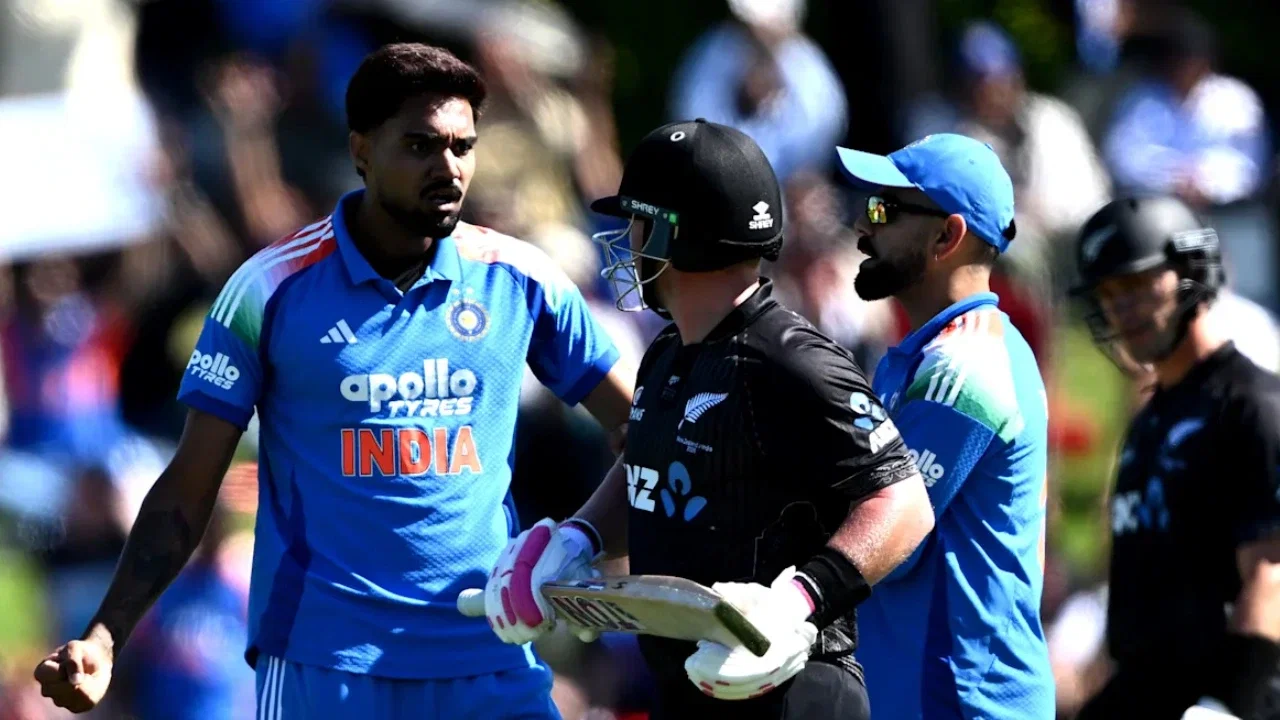
ICC reprimands Gurnoor Brar after controversial celebration during 4th IND vs NZ ODI
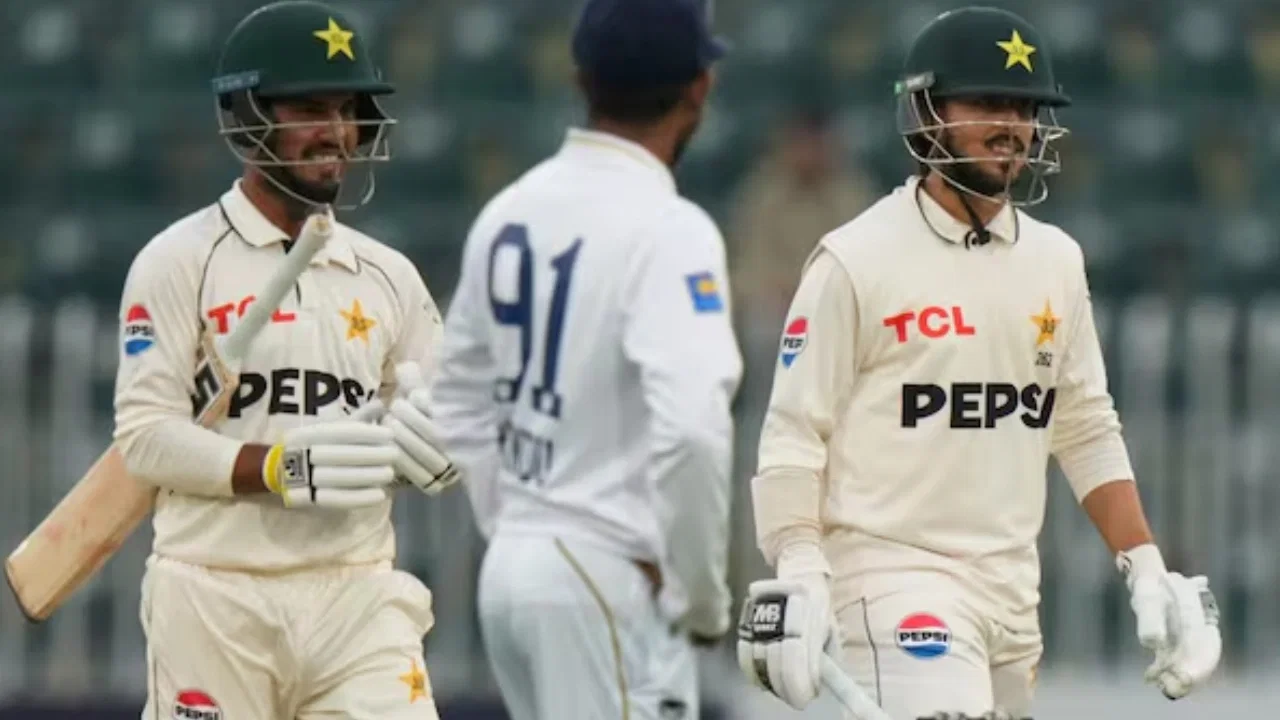
Sri Lanka suffer WTC blow, lose 15 points after slow over rate; Pakistan punished
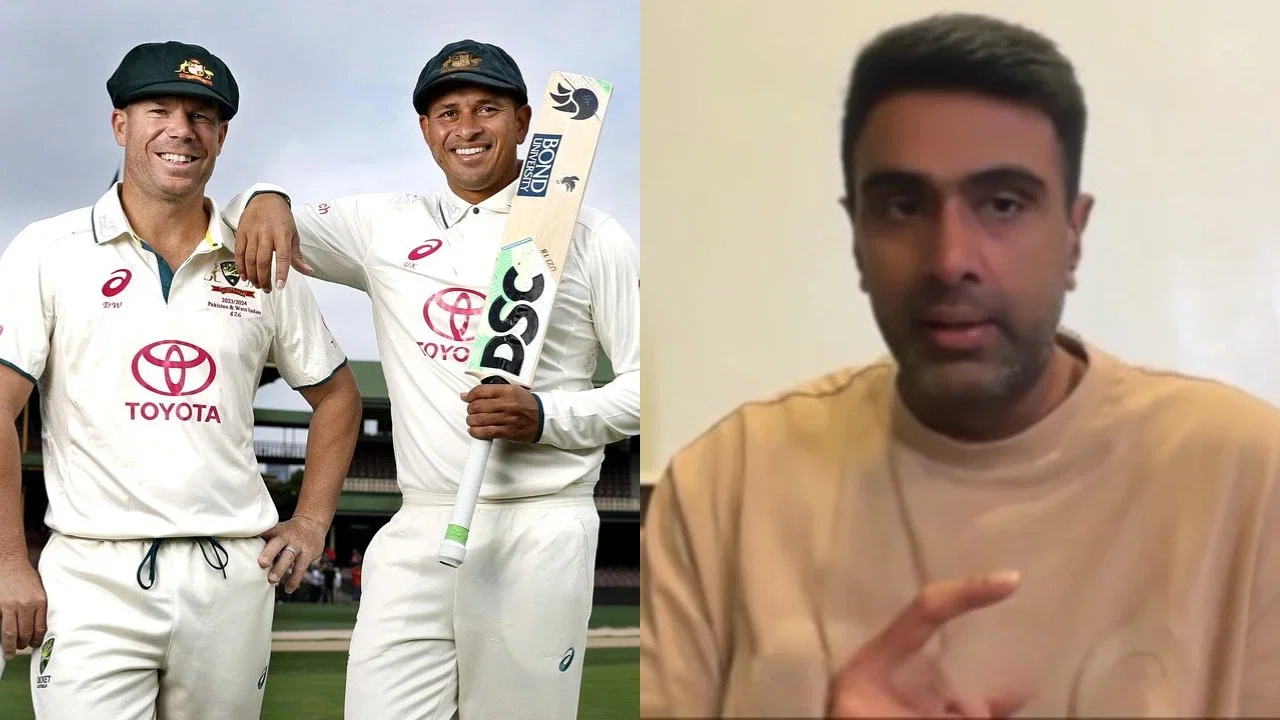
“Their career was at risk”: Ravichandran Ashwin explains why David Warner and others stayed silent during Sandpapergate
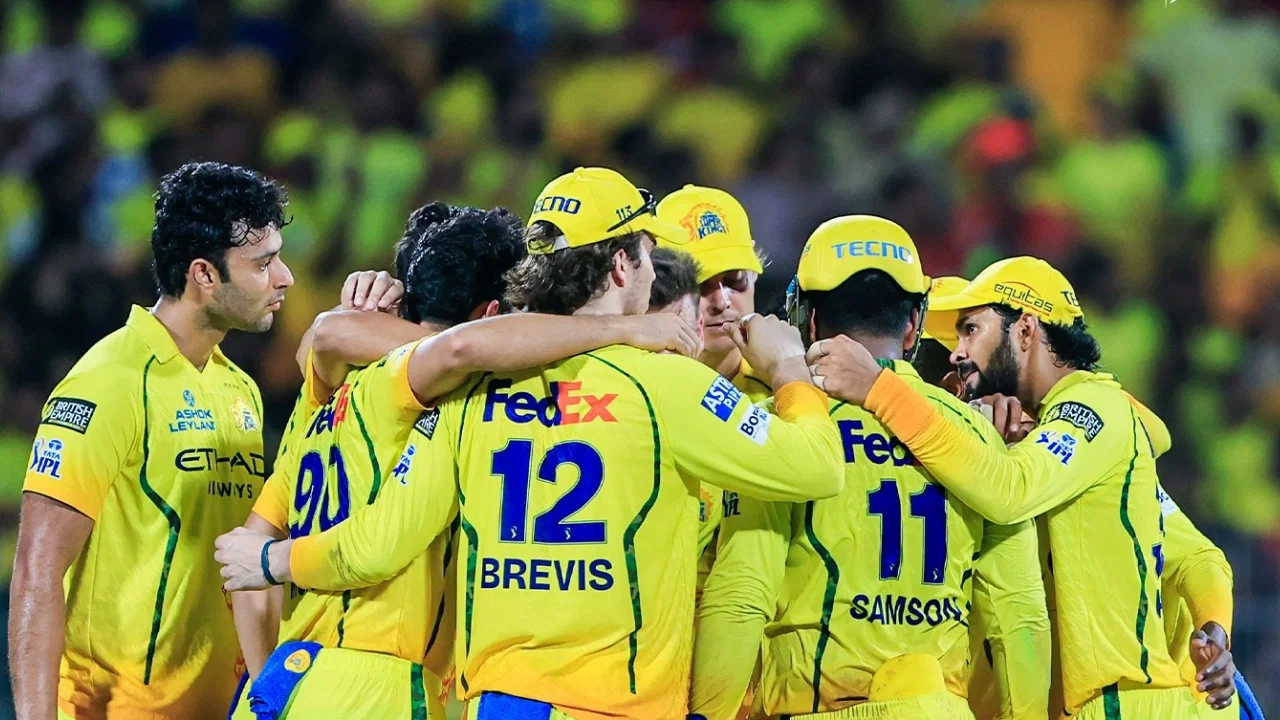
IPL 2027 Auction: CSK Full List of Retained and Released Players
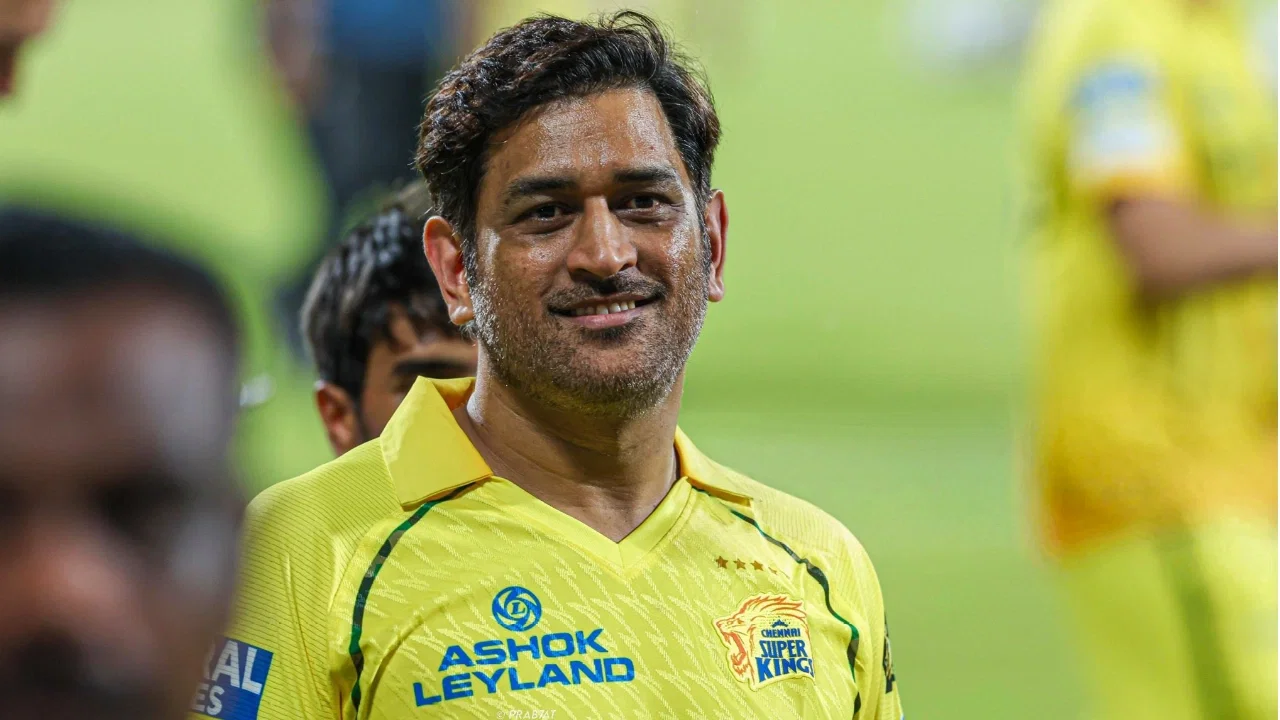
“Main har ek pal kaa shayar hu”: MS Dhoni breaks Instagram with IPL retirement post
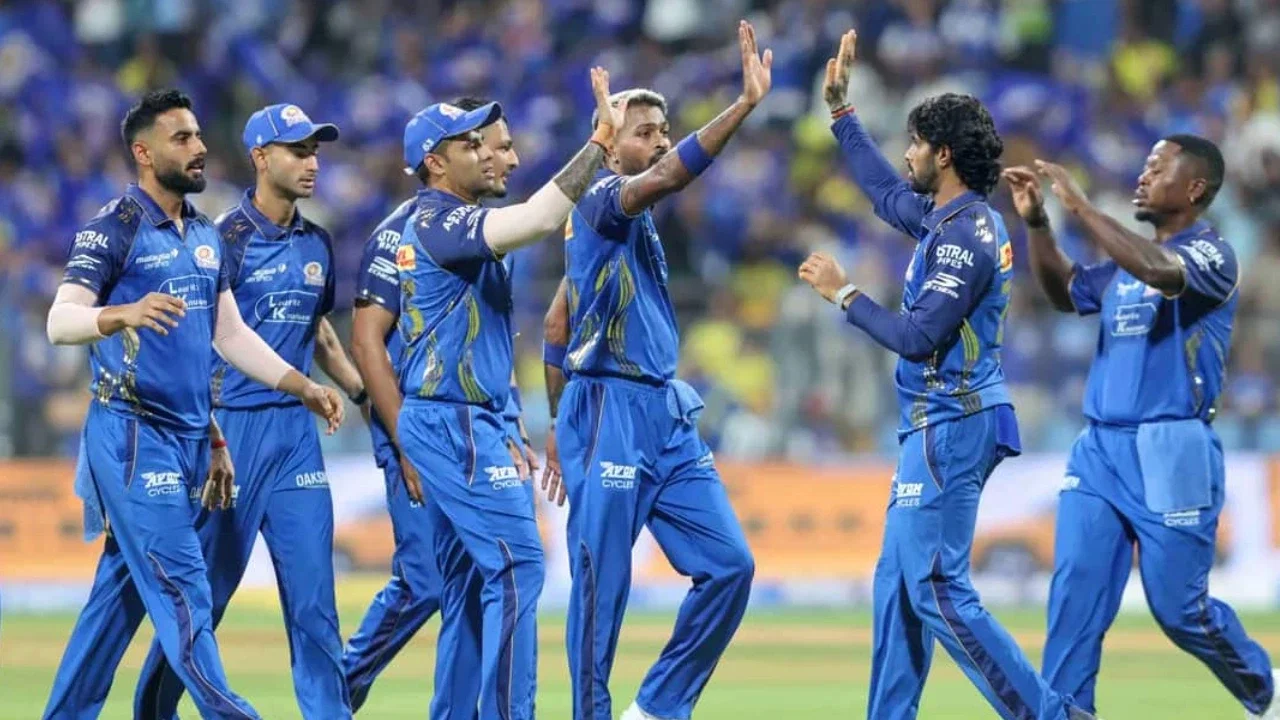
IPL 2027 Auction: MI Full List of Retained and Released Players
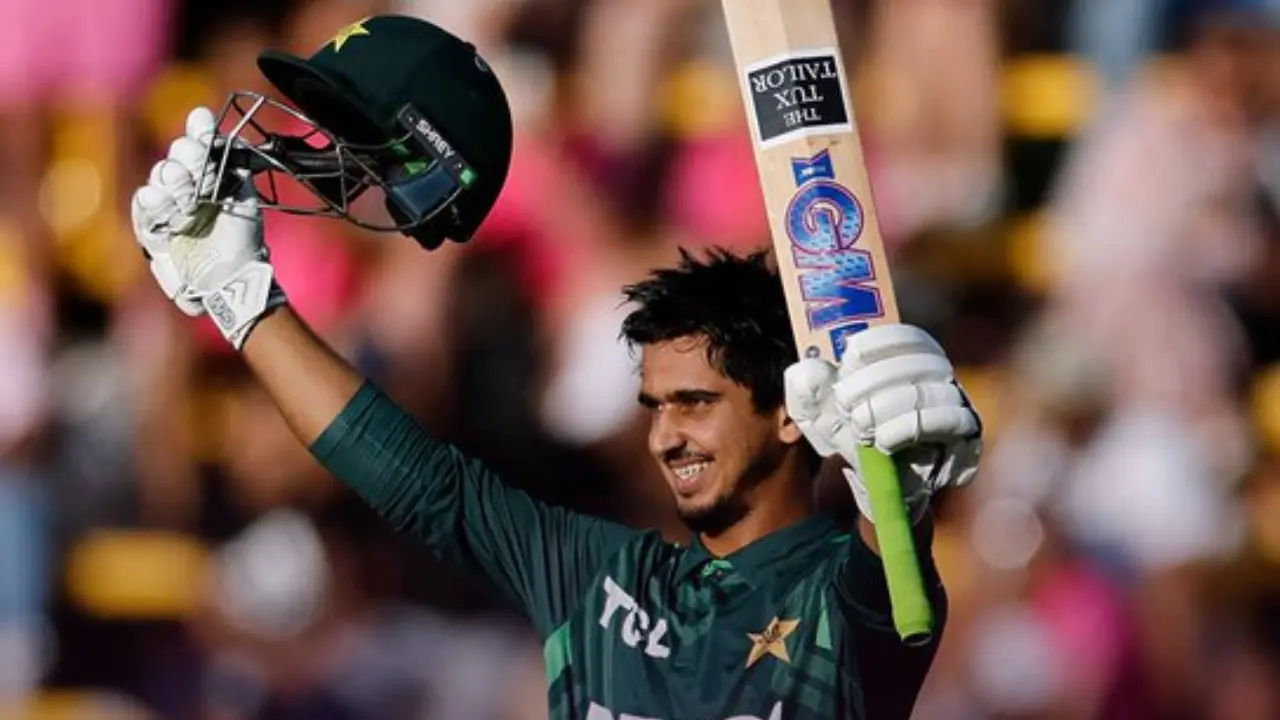
Saim Ayub takes break from cricket after poor run of form in 2026
Mumbai Indians release Deepak Chahar ahead of IPL 2027, free up Rs 9.25 Crore

Heinrich Klaasen named Gulf Giants captain ahead of ILT20 2026
Nashra Sandhu makes big gains after impressive campaign for Pakistan
MS Dhoni retires from IPL, appointed Chennai Super Kings team mentor for IPL 2027
IND vs NZ Playing 11 Today, Live Streaming, Pitch & Weather: India tour of New Zealand 2026, 1st Test
MS Dhoni’s record as IPL captain, full batting stats and key numbers after retirement
MS Dhoni’s Top 5 Greatest Knocks in IPL History

