Sri Lanka suffer WTC blow, lose 15 points after slow over rate; Pakistan punished
Sri Lanka Hit by 15-Point Deduction in World Test Championship Standings
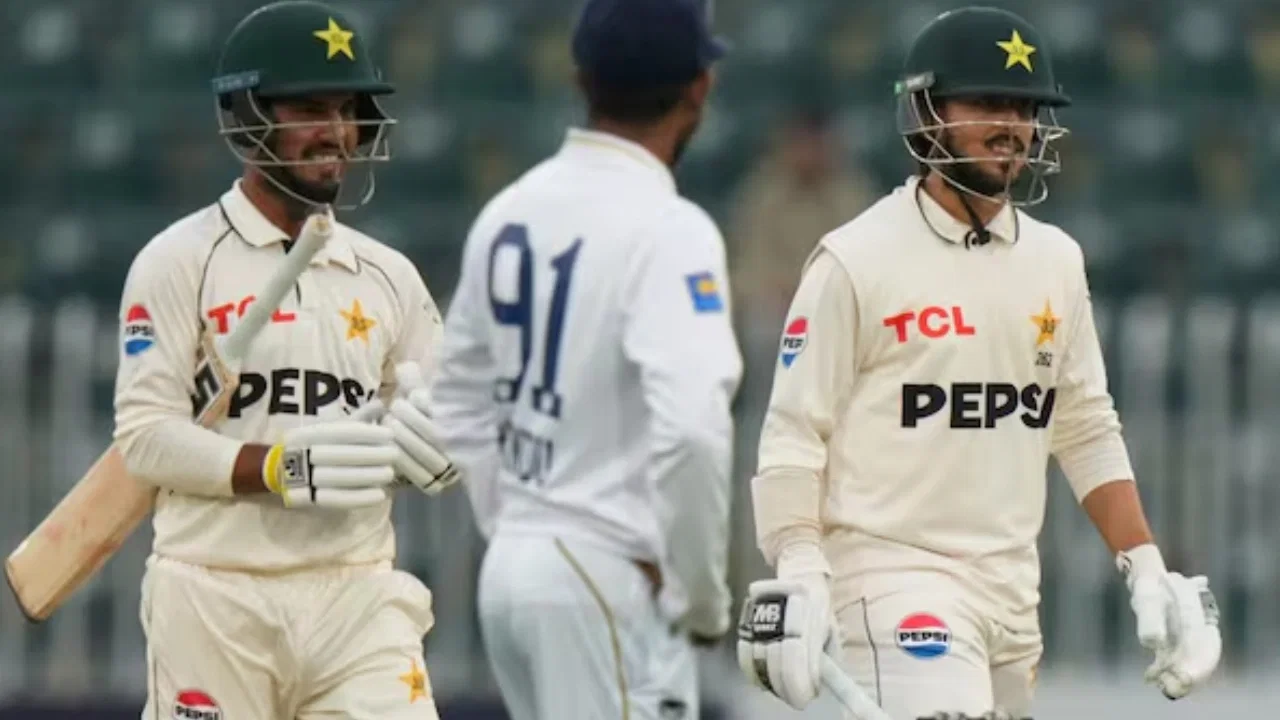
Sri Lanka’s campaign in the ICC World Test Championship (WTC) 2025–27 has suffered a significant setback after the team was penalized 15 points for maintaining a slow over rate in the drawn first Test against Pakistan in Rawalpindi. Pakistan was also sanctioned, losing five points for its own over-rate offence, leaving both sides with less room to maneuver in the early stages of the championship.
The deductions followed a match that ended in a high-scoring draw at the Rawalpindi International Cricket Stadium. While neither team secured a victory, the penalties have had an immediate effect on the WTC table—and could become increasingly important as the competition progresses. In a long championship cycle, every point matters, particularly for teams looking to build a strong points percentage and remain in contention for a place in the final.
How the WTC Points Deduction Changed the Table
Sri Lanka has dropped from seventh to eighth in the standings after the 15-point penalty. Its points percentage has fallen from 33.33% to 15.47%, a sharp decline that makes the team’s next results especially important. Pakistan remains ninth, at the bottom of the table, with its points percentage now at 3.33% following a five-point deduction.
The WTC standings are determined by points percentage rather than simply counting total points. That system accounts for the number of matches a team has played, making each available point valuable. A slow-over-rate penalty can therefore do more than reduce a team’s points total: it can also weaken its position in a tightly contested table, especially when the competition is still in its early stages.
Why Were the Teams Penalized?
Under the WTC playing conditions, a team loses one championship point for every over it falls short of its required rate by the end of a Test. Sri Lanka was found to be 15 overs behind the target in the Rawalpindi match, while Pakistan was five overs short. Those shortfalls led directly to the respective 15-point and five-point deductions.
Over rates can be affected by several factors, including extended periods of play, frequent changes of bowling, field-setting delays and time spent on other interruptions. Teams are expected to manage those demands while still completing the required number of overs. The rule is intended to protect the pace of Test cricket and ensure that matches have the best chance of reaching a result within the scheduled time.
Players Also Receive Match-Fee Fines
The sanctions were not limited to the WTC table. Under Article 2.22 of the ICC Code of Conduct for Players and Player Support Personnel, players are fined five percent of their match fees for each over their team is short, up to a maximum of 50 percent.
That maximum penalty applied to Sri Lanka, whose players were fined 50 percent of their match fees. Pakistan’s players received a 25 percent fine, reflecting the team’s five-over shortfall. The sanctions were imposed by Dean Cosker of the Emirates ICC International Panel of Match Referees after match officials reported the breaches.
The charges were brought by on-field umpires Adrian Holdstock and Rod Tucker, third umpire Allahuddien Paleker and fourth umpire Faisal Afridi. Sri Lanka captain Kusal Mendis and Pakistan captain Babar Azam pleaded guilty and accepted the proposed penalties, so the matter did not require a formal hearing.
Rawalpindi Test Delivered Runs, Records and a Late Fightback
The points penalties came after a compelling first Test in which both teams had opportunities to take control. Pakistan declared its first innings at 434 for nine, with five batters reaching half-centuries. Sri Lanka responded with a strong performance of its own, taking a narrow 12-run lead after centuries from Dhananjaya de Silva and Kusal Mendis.
At that stage, Sri Lanka appeared well placed to build a more substantial advantage. Pakistan’s debutant Saqib Khan, however, changed the complexion of the match with a seven-wicket haul. His spell restricted the visitors’ progress and gave Pakistan a route back into the contest.
Pakistan then focused on batting out the remaining time. The hosts closed their second innings at 284 for eight, ensuring the match ended in a draw rather than giving Sri Lanka a chance to press for a late victory. The result left both teams without a win, but the disciplinary deductions made the final outcome more costly than the scorecard alone suggested.
Second Test Adds Fresh Pressure to the Series
The teams have since moved into the second and final Test of the series, with Pakistan making an emphatic start. Sri Lanka was dismissed for just 98 in its first innings, as Amir Jamal, Razaullah and Mohammad Abbad each claimed three wickets. The collapse gives Pakistan an opportunity to take control of the match and pursue a result that could provide a valuable boost to its WTC campaign.
For Sri Lanka, the early innings defeat puts added pressure on its batters to respond. The team must not only recover from the scoreboard position but also begin rebuilding its championship standing after the points deduction. A strong performance in the remainder of the Test would help restore confidence, even though the lost points cannot be recovered through a match result.
WTC Prediction: Every Remaining Point Could Matter
The Rawalpindi penalties offer a reminder that WTC success depends on more than runs and wickets. Discipline, match management and the ability to maintain the required over rate can all shape a team’s route through the championship. Sri Lanka’s 15-point loss is particularly damaging because it has sharply reduced the team’s points percentage after only a small portion of the cycle has been completed.
Any prediction about the final standings remains premature, with many Tests still to come. However, the second Test could prove important for both sides: Pakistan has a chance to turn its strong start into a much-needed victory, while Sri Lanka needs a determined recovery to prevent the Rawalpindi setback from becoming a broader slide. As the 2025–27 championship develops, the teams’ ability to combine on-field performance with disciplined time management may be just as significant as their headline-making batting and bowling displays.
Latest News
ICC reprimands Gurnoor Brar after controversial celebration during 4th IND vs NZ ODI
Sri Lanka suffer WTC blow, lose 15 points after slow over rate; Pakistan punished

“Their career was at risk”: Ravichandran Ashwin explains why David Warner and others stayed silent during Sandpapergate

IPL 2027 Auction: CSK Full List of Retained and Released Players

“Main har ek pal kaa shayar hu”: MS Dhoni breaks Instagram with IPL retirement post

IPL 2027 Auction: MI Full List of Retained and Released Players
Saim Ayub takes break from cricket after poor run of form in 2026

Mumbai Indians release Deepak Chahar ahead of IPL 2027, free up Rs 9.25 Crore

Heinrich Klaasen named Gulf Giants captain ahead of ILT20 2026

Nashra Sandhu makes big gains after impressive campaign for Pakistan
MS Dhoni retires from IPL, appointed Chennai Super Kings team mentor for IPL 2027
IND vs NZ Playing 11 Today, Live Streaming, Pitch & Weather: India tour of New Zealand 2026, 1st Test
MS Dhoni’s record as IPL captain, full batting stats and key numbers after retirement

MS Dhoni’s Top 5 Greatest Knocks in IPL History