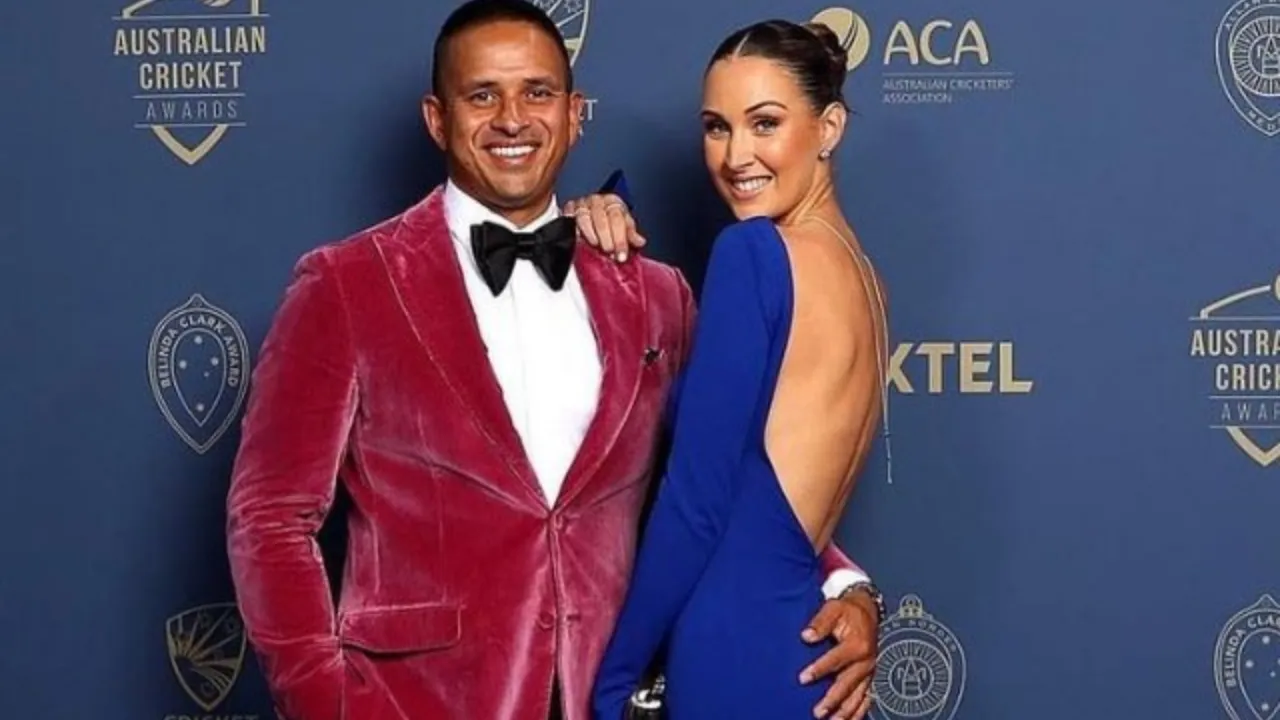
Saim Ayub takes break from cricket after poor run of form in 2026
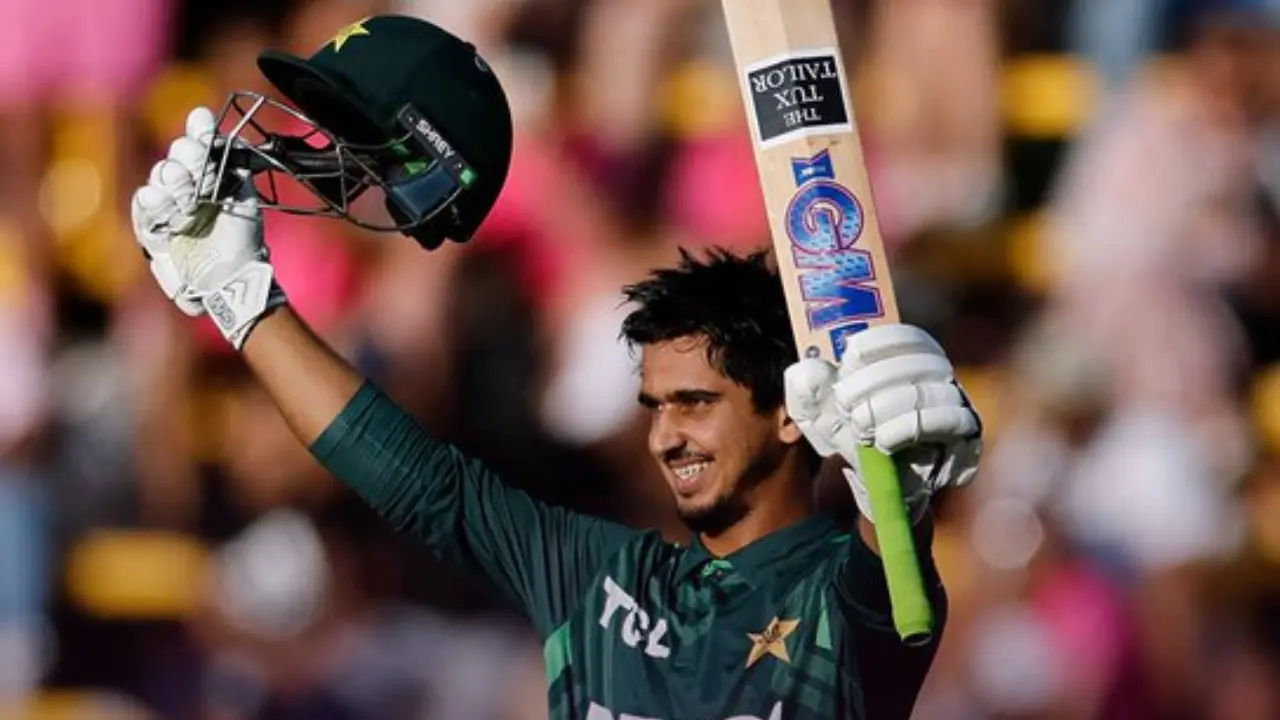
Saim Ayub Reportedly Steps Away From Cricket as Pakistan Batter Seeks Time to Regain Confidence
Pakistan opener Saim Ayub has reportedly told selector Aaqib Javed that he is not mentally ready to return to competitive cricket, raising fresh questions about his immediate future with the national side. The 24-year-old is understood to be taking a break after a difficult run of form, while Jang News has also reported that he is due to marry in December 2026.
Ayub’s situation is being closely watched because his record points to both significant promise and recent inconsistency. He has been one of Pakistan’s most exciting limited-overs batters, but a challenging 2026 has affected his confidence. His decision to step back could give him space to reset, though the timing and length of his absence remain unclear.
A Difficult Year and a Request for Time Away
Ayub’s struggles became particularly visible during Pakistan’s recent international matches. Against Sri Lanka and England, he scored 21 runs across three innings, with individual scores of seven, eight and six. Following Pakistan’s narrow one-wicket win over England in Lahore on October 25, he spoke with white-ball head coach Mike Hesson about his form and his readiness to continue.
Ayub asked to leave the squad and return to domestic cricket, hoping that regular batting opportunities would help him rebuild confidence. The Pakistan Cricket Board agreed to release him before the team’s final group match against Sri Lanka on October 27. In announcing the decision, the PCB praised what it described as Ayub’s “honest assessment of his current form.” Sahibzada Farhan was named as his replacement for the remainder of the tournament.
The expected return to domestic cricket did not happen immediately. Ayub missed three consecutive rounds of the Quaid-e-Azam Trophy, Pakistan’s premier first-class competition. ESPNcricinfo reported that he had no immediate domestic fixture available apart from the President’s Trophy final, where he was not part of the competing setup. He later informed selector Aaqib Javed that he did not feel mentally prepared to play.
That distinction matters: Ayub’s reported decision is not simply a matter of finding form in a lower-pressure environment. A player can benefit from time away, but a successful comeback also depends on feeling ready to train, compete and handle the scrutiny that comes with representing Pakistan. The board and team management will likely want to understand what support and schedule may help him return on his own terms.
Test Cricket Has Presented the Biggest Challenge
Ayub’s recent difficulties have been most pronounced in Test cricket, particularly away from home. He was recalled for the third Test against England in Birmingham in September after missing Pakistan’s series against Bangladesh and Australia. The recall came while he was playing in the Caribbean Premier League for the Jamaica Kingsmen, but his return to the Test side proved difficult: he recorded a pair of ducks.
Across nine Tests, Ayub has scored 364 runs at an average of 22.75, with three half-centuries and no centuries. He has also contributed with the ball, taking four wickets in six bowling innings. Those figures underline the potential value of his all-round skills, but they also show how much work may be needed to establish himself as a reliable Test opener.
His home record offers more encouragement. In five Tests in Pakistan in 2024, he made 290 runs at an average of 29, including three half-centuries. One of the highlights was his 77 against England in Multan. Overseas conditions have been more demanding: he has scored 74 runs in four Tests in Australia, South Africa and England, averaging 12.33 and registering three ducks.
For an opener, the contrast between home and away performance is especially important. The role requires patience against the new ball, adaptability to different pitches and the ability to recover quickly from low scores. Ayub’s time away could provide an opportunity to examine his technique and preparation, while avoiding the pressure of an immediate international comeback.
ODIs Remain Ayub’s Strongest Format
Despite his recent setbacks, Ayub’s one-day international record remains a major reason Pakistan will want to keep him in their plans. He has scored 772 runs in 20 ODIs at an average of 40.63 and a strike rate of 99.36. All three of his international centuries have come in the format, where his attacking instincts can have a clear impact.
His standout performances include an unbeaten 113 from 62 balls and a match-winning 109 in South Africa in late 2024. He also produced consecutive half-centuries of 53 and 77 during Pakistan’s home series win over South Africa in late 2025. These innings demonstrated his ability to accelerate without losing control—an important quality in modern ODI cricket.
That record offers a more optimistic prediction for Ayub’s long-term prospects than his recent run of low scores might suggest. If he can recover confidence and regain consistency, his ODI experience could make him a valuable option at the top of the order. However, a return to the national team is likely to depend on his readiness as well as his performances in training and competitive cricket.
T20I Contributions Add to His Value
Ayub has also shown considerable versatility in T20 internationals. In 71 matches, he has scored 1,356 runs at an average of 21.19 and a strike rate of 136.42. His highest score is an unbeaten 98, and he has recorded six half-centuries. The numbers reflect a batter capable of providing momentum, even if his consistency has varied.
His bowling has strengthened his case as a genuine all-round option. Ayub has taken 33 T20I wickets at an average of 22.18 and an economy rate of 7.25. During the 2025 Asia Cup, he claimed six wickets while conceding at an economy rate of 5.60, helping him rise to No. 1 in the ICC T20I all-rounder rankings. He also recorded career-best T20I figures of 3 for 25 against India at the 2026 T20 World Cup.
Those achievements show why Pakistan may view Ayub’s current break as a pause rather than a conclusion. His batting across formats and ability to contribute with the ball give him several routes back into contention. Still, the immediate priority appears to be restoring his confidence and ensuring he is mentally prepared before returning to the field.
What Comes Next for the Pakistan Opener?
For now, there is no confirmed timetable for Ayub’s return. His absence from recent domestic rounds means selectors may have limited fresh match evidence when assessing his form. The next step could involve a gradual return to training, followed by domestic cricket when he feels ready, although any plan will depend on discussions with the player and the PCB.
Pakistan will be balancing two considerations: supporting a young batter through a difficult period and maintaining competition for places in the national side. Ayub’s record suggests he has the tools to become a major contributor, particularly in white-ball cricket. But his next chapter will depend less on reputation than on recovery, preparation and the confidence to translate his talent into consistent performances.
With his reported December 2026 wedding also approaching, Ayub may be managing important personal and professional decisions at the same time. For supporters, the clearest prediction is that his return should not be rushed. A measured comeback—built around readiness and meaningful match practice—could give one of Pakistan’s most promising openers the best chance to rediscover his form.
Latest News
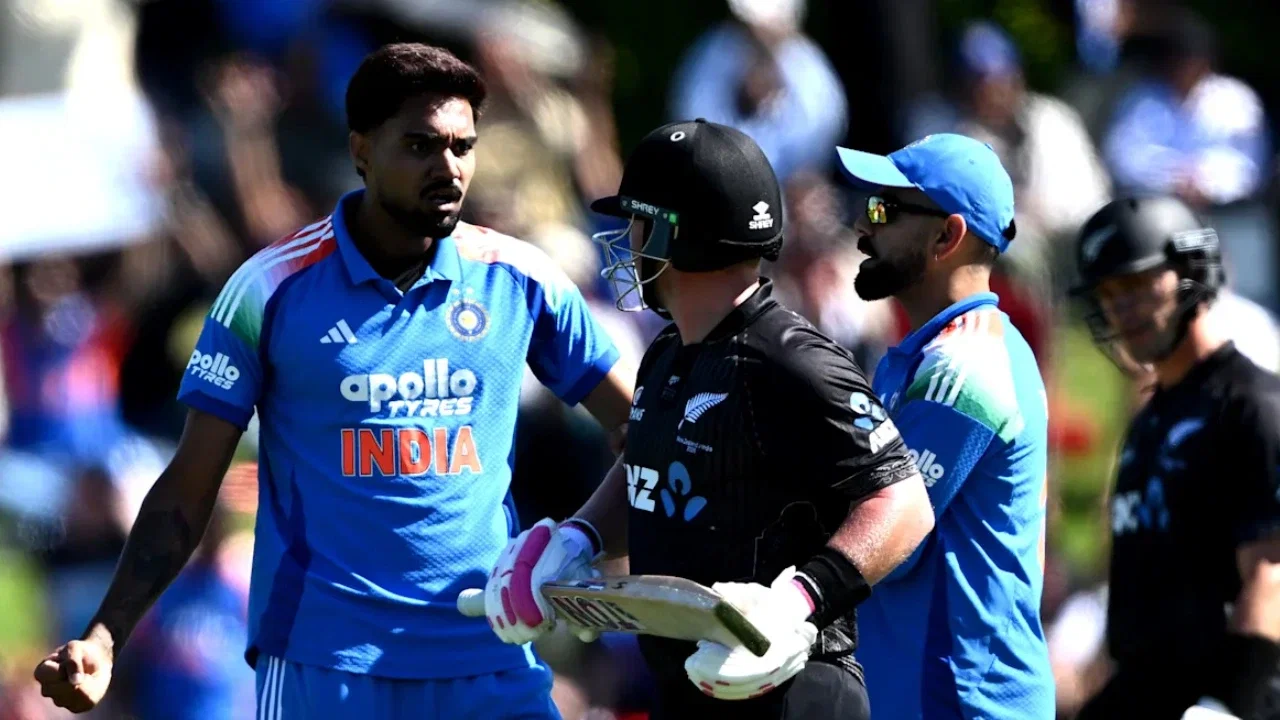
ICC reprimands Gurnoor Brar after controversial celebration during 4th IND vs NZ ODI
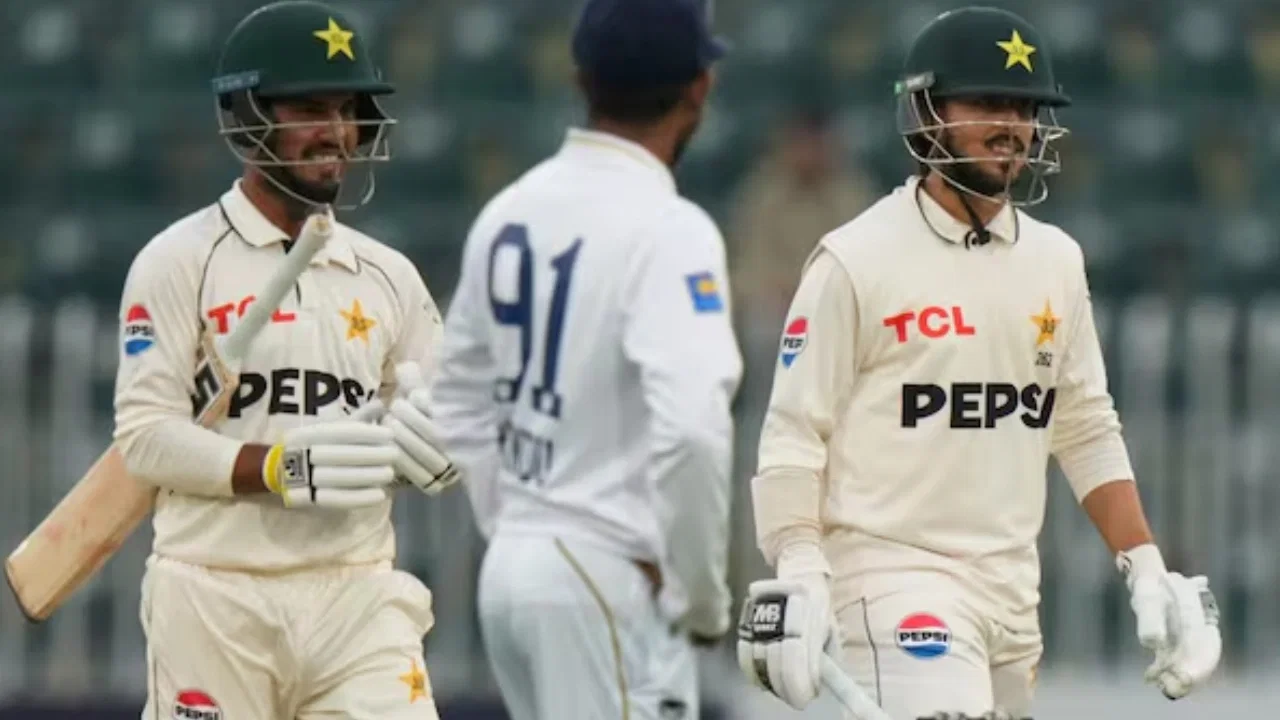
Sri Lanka suffer WTC blow, lose 15 points after slow over rate; Pakistan punished
“Their career was at risk”: Ravichandran Ashwin explains why David Warner and others stayed silent during Sandpapergate
IPL 2027 Auction: CSK Full List of Retained and Released Players
“Main har ek pal kaa shayar hu”: MS Dhoni breaks Instagram with IPL retirement post
IPL 2027 Auction: MI Full List of Retained and Released Players
Saim Ayub takes break from cricket after poor run of form in 2026
Mumbai Indians release Deepak Chahar ahead of IPL 2027, free up Rs 9.25 Crore
Heinrich Klaasen named Gulf Giants captain ahead of ILT20 2026
Nashra Sandhu makes big gains after impressive campaign for Pakistan
MS Dhoni retires from IPL, appointed Chennai Super Kings team mentor for IPL 2027
IND vs NZ Playing 11 Today, Live Streaming, Pitch & Weather: India tour of New Zealand 2026, 1st Test
MS Dhoni’s record as IPL captain, full batting stats and key numbers after retirement
MS Dhoni’s Top 5 Greatest Knocks in IPL History