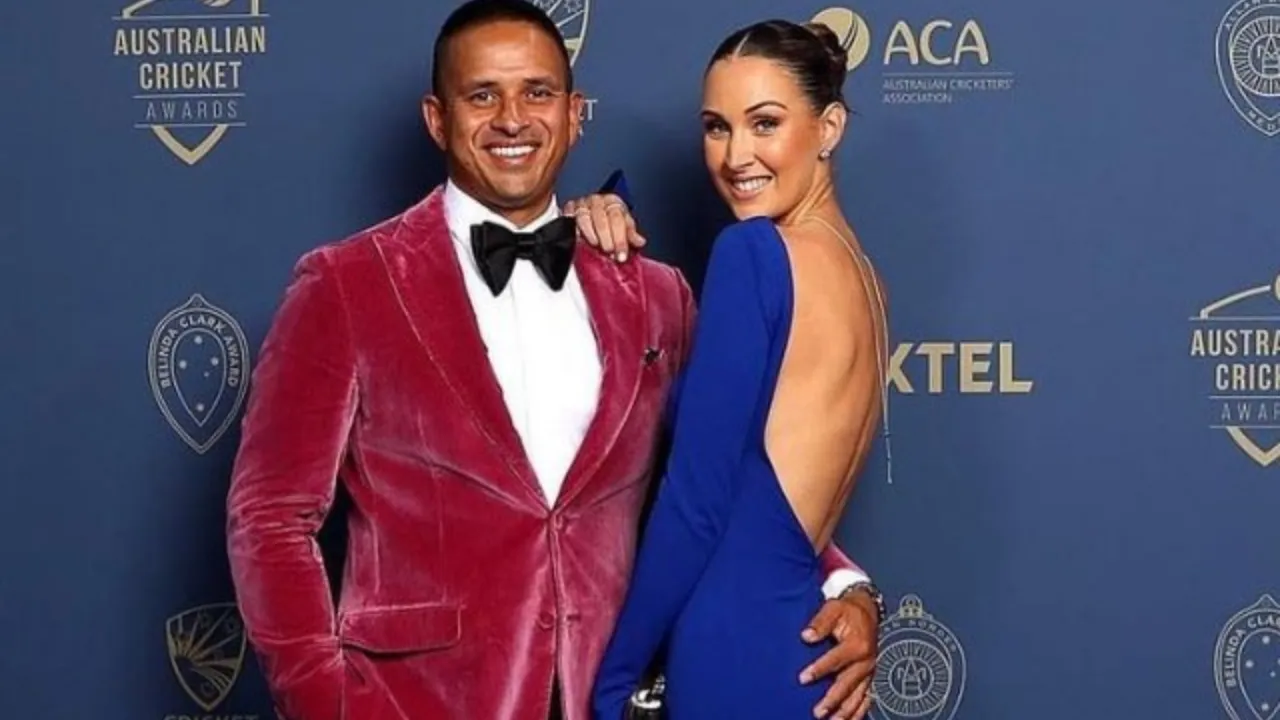
“Their career was at risk”: Ravichandran Ashwin explains why David Warner and others stayed silent during Sandpapergate
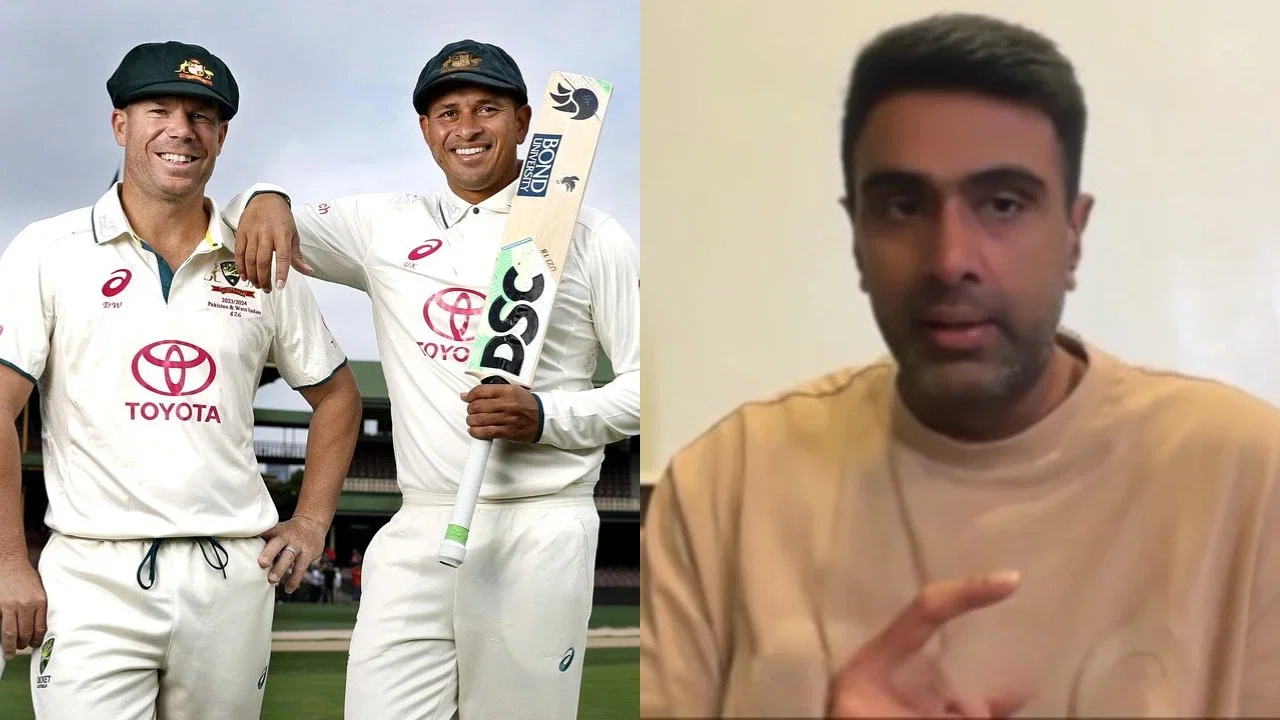
Ravichandran Ashwin Says Fear May Explain David Warner’s Silence on Sandpapergate
Former India spinner Ravichandran Ashwin believes fear of losing a career may have kept David Warner and other Australian players from speaking openly about the 2018 ball-tampering scandal. The controversy, widely known as Sandpapergate, has returned to the spotlight after former Australia batter Usman Khawaja made fresh claims in his autobiography, Sabr.
Khawaja’s account has renewed debate about what the Australian team knew during the 2018 Cape Town Test against South Africa, when Cameron Bancroft was caught using sandpaper on the ball. He has alleged that the practice was not limited to that match, claiming it had also taken place during the previous Test in Port Elizabeth. His comments have prompted renewed scrutiny of the team’s culture, the original investigation and the reasons players may have stayed quiet.
Ashwin points to the career risks of speaking out
Speaking on JioHotstar, Ashwin said the silence around the scandal may have reflected the pressure players felt within a high-stakes professional environment. “Their career is at risk. As simple as that,” he said, offering a direct explanation for why some players might have hesitated to challenge the official account or raise concerns publicly.
Ashwin also recalled the impact the scandal had on Steve Smith, who was one of the players punished after the Cape Town incident. Smith had been among the leading batters in world cricket, and Ashwin described the scenes of him facing the media after returning from South Africa as difficult to watch. The episode, he suggested, showed how quickly a player’s reputation and career prospects could be affected by a major controversy.
Cricket Australia opened a hotline in 2019, inviting players to share information about the incident. According to Ashwin, nobody came forward through that process. He viewed the lack of response as a sign of how hard it can be for players to speak against a powerful sporting system, particularly when doing so could affect teammates, contracts or future opportunities.
Why Warner’s support for Khawaja has raised questions
Former India all-rounder Irfan Pathan questioned why Warner is supporting Khawaja’s claims now, rather than making similar comments when the scandal first broke in 2018. Pathan also noted that Warner and Khawaja are close friends, and suggested that personal loyalty could be one reason Warner is backing him in the current debate.
Pathan’s comments highlight a central question in the renewed Sandpapergate discussion: why are some players speaking now, years after the original investigation and sanctions? The answer may involve changing relationships, a greater willingness to revisit the past, or a belief that the wider team’s role deserves more attention. But the timing has also led to questions about whether the latest claims can be independently confirmed.
Matthew Hayden agrees fear could have played a part
Former Australia batter Matthew Hayden supported Ashwin’s view that fear may have shaped players’ decisions. He said professional athletes understand that public statements can carry consequences, and that the possibility of damaging a career may discourage people from speaking candidly.
Hayden also said the new claims had fuelled anger and debate in Australia because many people expected Khawaja to challenge the alleged use of sandpaper at the time if he had known about it. Referring to Cameron Bancroft, who was caught with the sandpaper during the Cape Town Test, Hayden said he would have expected Khawaja to tell him to put it away.
That reaction captures the tension at the heart of the story. The debate is no longer only about who handled the sandpaper or who knew what on the field. It is also about the responsibilities teammates have to each other, what players owe the integrity of the game, and whether silence can be understood as self-protection—or seen as a failure to intervene.
Cummins rejects Khawaja’s account as debate widens
Australia captain Pat Cummins has strongly rejected Khawaja’s claims, calling them “100% wrong” and “complete and utter nonsense.” He also denied that he or the bowlers knew sandpaper had been taken onto the field.
Ashwin said he was surprised by the strength of Cummins’ response. In his view, Khawaja’s argument was focused on collective responsibility and on whether the discussion should extend beyond the three players who received sanctions. Ashwin stressed that he respects Cummins as a cricketer, but said the sharply different accounts from Khawaja, Warner and Cummins were concerning.
The contrast between their statements has added a new dimension to the story. Rather than producing a single shared explanation, the latest comments have exposed competing interpretations of the team’s knowledge and accountability. Those differences have also revived questions about how much of the dressing-room conversation was ever made public.
Cricket Australia will not reopen the investigation
Ashwin praised Cricket Australia’s chief executive for saying the governing body would not reopen the 2018 investigation. He described that decision as the right approach, while warning that the latest exchanges point to divisions within the team that may not have disappeared.
“There were cracks in the Australian dressing room in the past in terms of views and opinions on this,” Ashwin said, adding that the current disagreement suggests those differences may remain. His concern was not simply that former teammates remember events differently, but that the public clash could indicate unresolved tensions around responsibility and trust.
For Cricket Australia, reopening a completed case could create fresh complications, especially after sanctions were imposed and the organisation worked to repair the team’s image. Yet declining to reopen the inquiry does not mean the questions have gone away. Khawaja’s claims, Warner’s support and Cummins’ denial have ensured that the subject remains part of Australian cricket’s public conversation.
What the Sandpapergate debate means for Australian cricket
The latest Sandpapergate controversy is a reminder that the consequences of a sporting scandal can last well beyond the original punishments. It has renewed debate about team culture, leadership and the pressures that can discourage players from speaking up. It has also raised an important distinction between individual responsibility and accountability shared across a team.
At this stage, the renewed claims have not led to a new Cricket Australia investigation, and the people involved continue to offer differing accounts. The most likely prediction is that the debate will continue through interviews, memoirs and public responses rather than through a formal reopening of the case. For fans, the central question remains unresolved: whether the full story of what happened in 2018 has ever been told—and whether the latest disclosures will bring greater clarity or deepen the divisions surrounding one of cricket’s most damaging controversies.
Latest News
ICC reprimands Gurnoor Brar after controversial celebration during 4th IND vs NZ ODI
Sri Lanka suffer WTC blow, lose 15 points after slow over rate; Pakistan punished
“Their career was at risk”: Ravichandran Ashwin explains why David Warner and others stayed silent during Sandpapergate
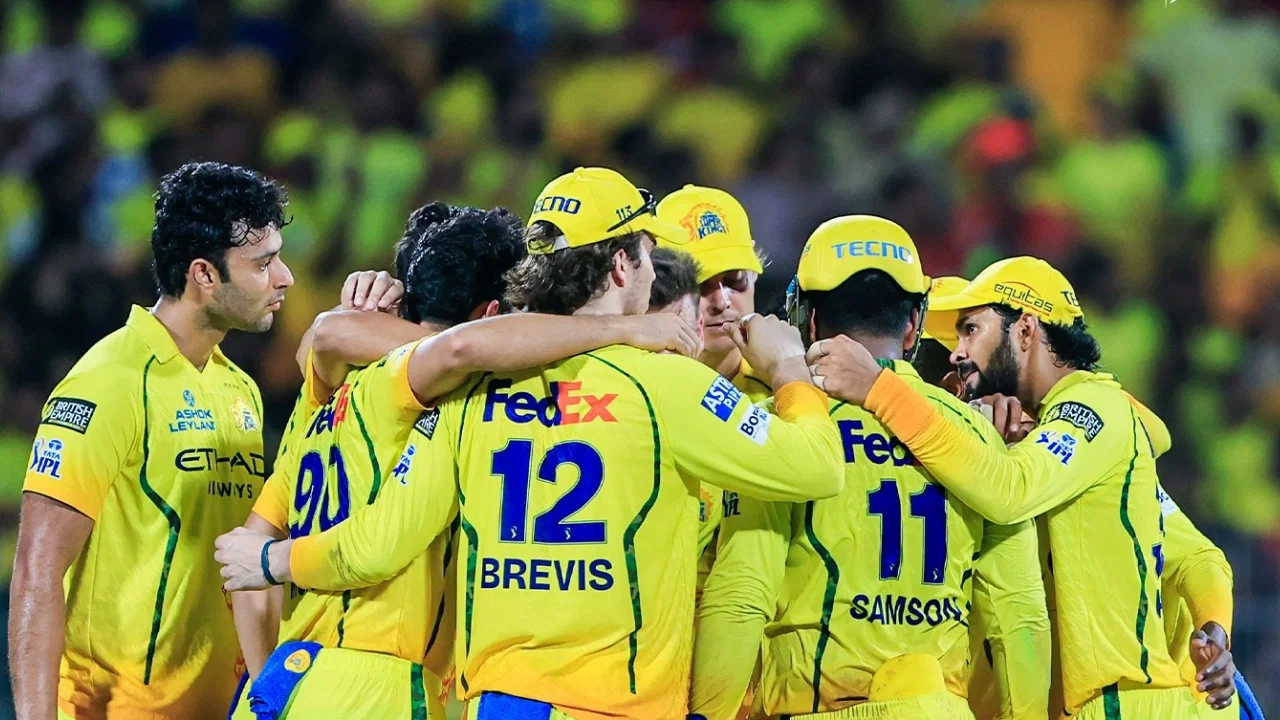
IPL 2027 Auction: CSK Full List of Retained and Released Players
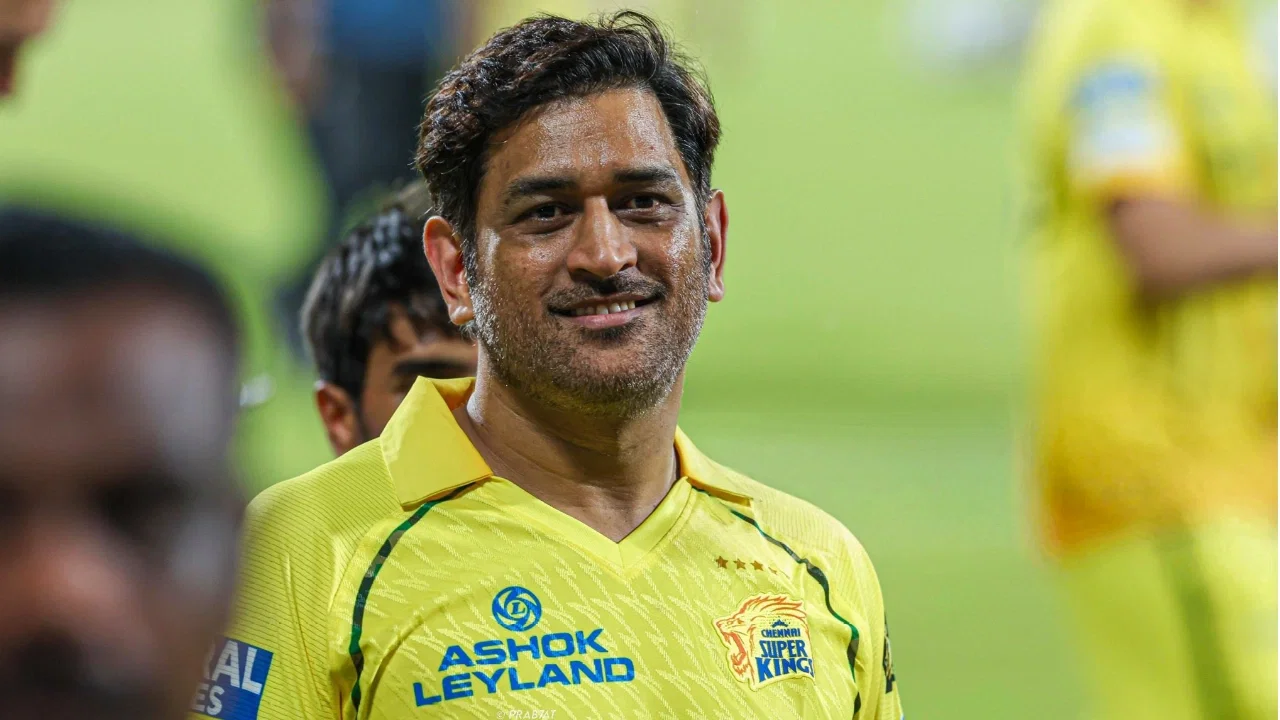
“Main har ek pal kaa shayar hu”: MS Dhoni breaks Instagram with IPL retirement post
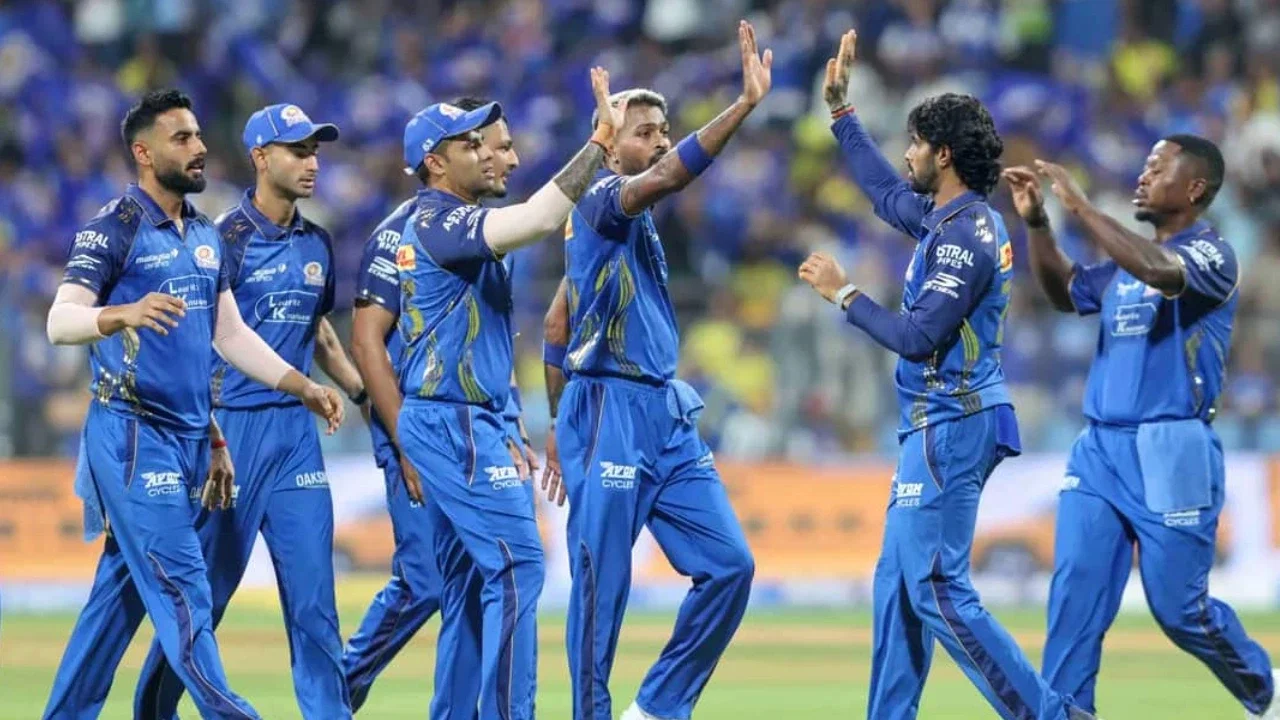
IPL 2027 Auction: MI Full List of Retained and Released Players
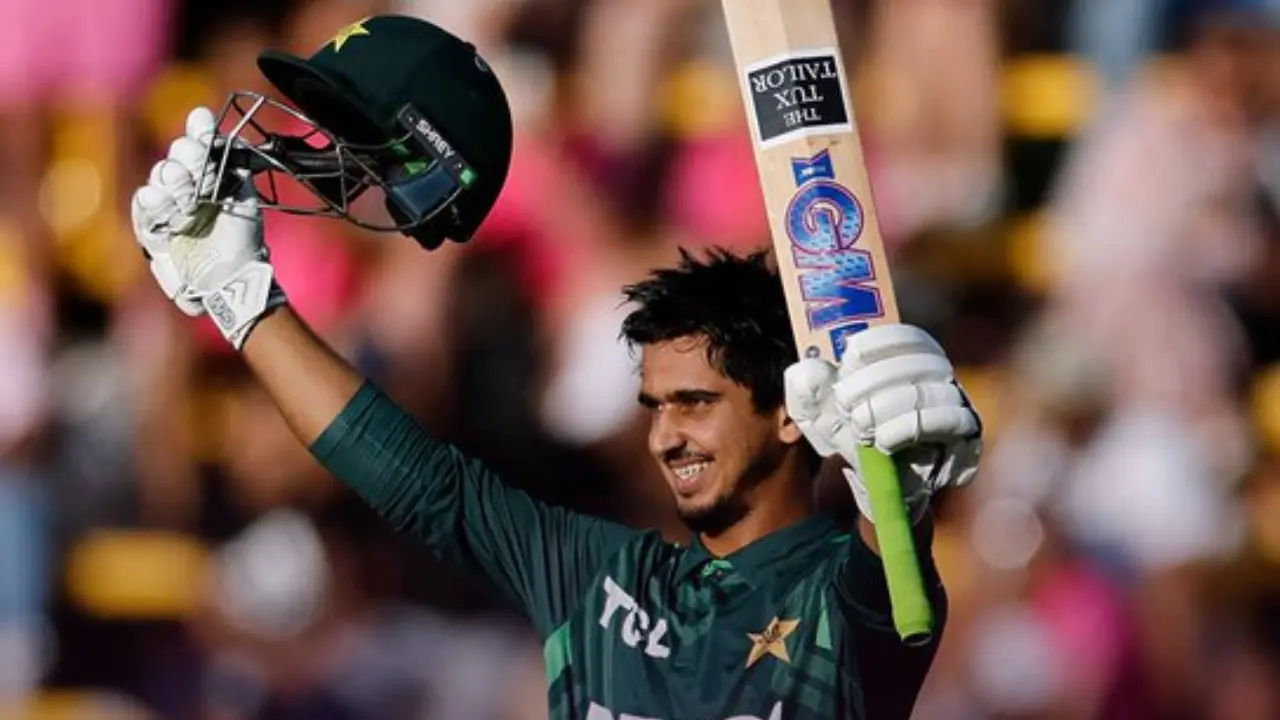
Saim Ayub takes break from cricket after poor run of form in 2026
Mumbai Indians release Deepak Chahar ahead of IPL 2027, free up Rs 9.25 Crore

Heinrich Klaasen named Gulf Giants captain ahead of ILT20 2026
Nashra Sandhu makes big gains after impressive campaign for Pakistan
MS Dhoni retires from IPL, appointed Chennai Super Kings team mentor for IPL 2027
IND vs NZ Playing 11 Today, Live Streaming, Pitch & Weather: India tour of New Zealand 2026, 1st Test
MS Dhoni’s record as IPL captain, full batting stats and key numbers after retirement
MS Dhoni’s Top 5 Greatest Knocks in IPL History