Rajeev Shukla’s BCCI Presidency cancelled; Indian Government takes board under its wings before Asia Cup 2025
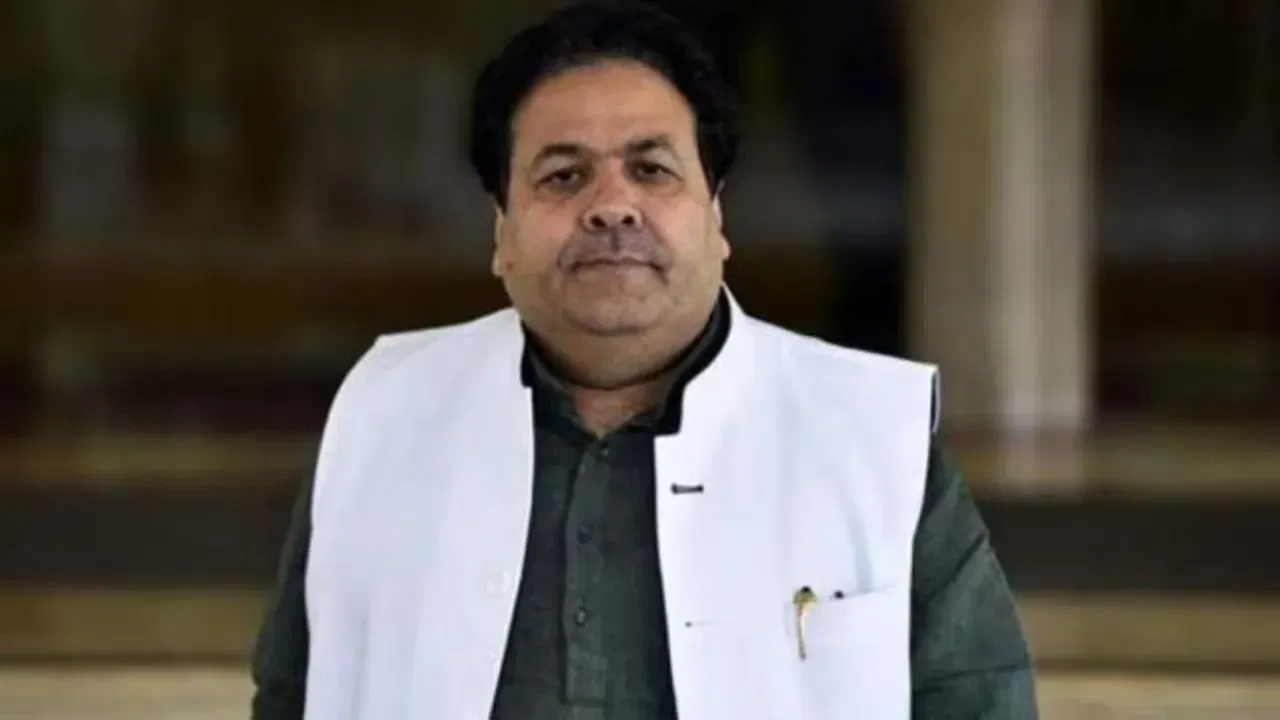
BCCI to be Included Under National Sports Governance Bill
The Board of Control for Cricket in India (BCCI) is set to be officially recognized as a National Sports Federation (NSF) under the National Sports Governance Bill, which will be introduced in Parliament on Wednesday. This development comes as the Ministry of Youth Affairs and Sports introduced the draft Sports Bill for reforms to India’s sports system.
Background and Importance of the Bill
Until 2019, the BCCI was not classified as an NSF, despite coming under the Right to Information (RTI) Act in 2020. However, with the new bill in place, the Indian Cricket Board will automatically fall under the NSF category, making all rules and regulations set by the Sports Ministry applicable to them. This move is significant as it aligns the BCCI with the national sports governance framework and ensures better oversight and accountability.
A top Sports Ministry source confirmed to India Today that the BCCI’s inclusion under the National Sports Bill was widely anticipated, especially with Indian cricket teams eyeing participation in the 2028 Los Angeles Olympics. This move will bring the BCCI under the jurisdiction of the Sports Ministry and establish clear guidelines for its operations within the national sports ecosystem.
Implications for BCCI President Roger Binny
The National Sports Bill is also expected to raise the maximum age limit for office-bearers in all NSFs from 70 to 75 years. This change would allow individuals between 70 and 75 to contest elections and hold positions within the board, provided there are no conflicting rules from international bodies or specific federation bylaws.
With the International Cricket Council (ICC) not imposing an age limit, the approval of the Bill would clear the way for current Board President Roger Binny to complete his term without legal barriers. Binny, who recently turned 70, is reportedly consulting with the board’s legal team to assess his options. The BCCI has not yet released an official statement on the matter.
Ministry of Youth Affairs and Sports Unveils Draft Bill
The Ministry of Youth Affairs and Sports has unveiled the Draft National Sports Governance Bill, 2025, aimed at reforming the way sports bodies and NSFs operate in India. The legislation seeks to enhance transparency, prioritize athlete welfare, and align India’s governance model with international standards.
This move is part of ongoing reform efforts aimed at promoting ethical practices, safeguarding athletes’ rights, and fostering a professional, dispute-free sporting environment. The bill also aims to strengthen India’s chances of hosting major global events, including a potential bid for the 2036 Olympic Games.
For the first time, athletes will play a central role in shaping sports policy, with all NSFs, including the Indian Olympic Association and the National Paralympic Committee, required to establish Athletes’ Committees to ensure athlete representation and welfare.
Overall, the inclusion of the BCCI under the National Sports Governance Bill and the unveiling of the draft legislation mark important steps towards enhancing the governance and development of sports in India.
Impact on BCCI’s Autonomy and Operations
With the BCCI set to be included under the National Sports Governance Bill, there are concerns within the cricketing community about the potential impact on the board’s autonomy and decision-making processes. While aligning with national sports governance standards is essential for accountability and transparency, some fear that increased government intervention may hinder the board’s ability to function effectively.
The BCCI has long been known for its independence and financial prowess, allowing it to develop the sport of cricket in India significantly. However, with the new legislation, the board may face stricter regulations and oversight, which could influence its strategic initiatives, financial management, and organizational structure.
It will be crucial for the BCCI to find a balance between complying with the National Sports Bill’s requirements while safeguarding its operational efficiency and unique characteristics that have contributed to its success over the years.
Ensuring Fair Representation and Accountability
One of the key objectives of the National Sports Governance Bill is to ensure fair representation and accountability within sports organizations, including the BCCI. By establishing clear guidelines for governance, elections, and transparency, the legislation aims to prevent conflicts of interest, promote diversity, and enhance the overall integrity of sports administration in India.
With the provision to increase the maximum age limit for office-bearers, the bill also seeks to bring in fresh perspectives and leadership within NSFs, encouraging a more inclusive and dynamic governance structure. This move could potentially pave the way for a new generation of leaders in the BCCI and other sports bodies, fostering innovation and progress in the Indian sports ecosystem.
Promoting Athlete Welfare and Participation
The emphasis on athlete welfare and participation in the draft National Sports Governance Bill reflects a growing recognition of the importance of prioritizing athletes’ needs and rights in sports administration. By mandating the establishment of Athletes’ Committees within all NSFs, the legislation aims to empower athletes to voice their concerns, contribute to decision-making processes, and advocate for policies that benefit their well-being and development.
This proactive approach to athlete representation not only aligns with international best practices but also signals a shift towards a more athlete-centric sports governance model in India. By involving athletes in shaping sports policy, the bill aims to create a more inclusive, supportive, and athlete-friendly environment that fosters success on and off the field.
Looking Ahead: India’s Sporting Future
As India continues to make strides in the world of sports, the reforms introduced through the National Sports Governance Bill are expected to play a significant role in shaping the country’s sporting landscape. By modernizing governance practices, enhancing transparency, and prioritizing athlete welfare, the legislation aims to propel Indian sports to new heights of excellence and competitiveness on the global stage.
With the BCCI’s inclusion under the bill signaling a new era of accountability and regulation for India’s most prominent cricketing body, the sports community eagerly anticipates the positive impact these reforms will have on the overall development and success of Indian sports in the years to come.
By focusing on governance, transparency, athlete welfare, and leadership renewal, the National Sports Governance Bill sets the stage for a more professional, ethical, and inclusive sports ecosystem in India, positioning the country as a formidable force in the world of sports.
Latest News
Top 10 highest run-chases in T20 cricket history, ft. West Indies’ Ranchi win vs India
Aaryavir Sehwag and Anvay Dravid set to make headlines at U19 Asia Cup 2026

Longest ducks in Test cricket history ft. Nic Maddinson, Shoaib Akhtar

ECB to offer 39 central contracts to England players after Ben Stokes, Mark Wood’s retirement
Steve Smith surpasses Steve Waugh in all-time Test run-scorers’ list

Shane Watson identifies Gautam Gambhir’s biggest problem as India struggle for consistency
Is Bhuvneshwar Kumar in India’s 2027 World Cup plans? Ajinkya Rahane makes revelation

BCCI’s big ₹127 Crore move after injury crisis raises concerns over Team India
Parthiv Patel reveals RCB ignored his Jasprit Bumrah recommendation in IPL 2014 Auction

“Never spoke ill of any faith”: Irfan Pathan hits back at fake news using his name
Nic Maddinson bags 33-ball duck on Test comeback, disappoints George Bailey
Imran Tahir predicts 2027 ICC ODI World Cup Semi-Finalists, snubs India for title
Australia create unwanted history with first all-30-plus Test XI
Ravindra Jadeja returns to Ranji Trophy as Saurashtra announce squad