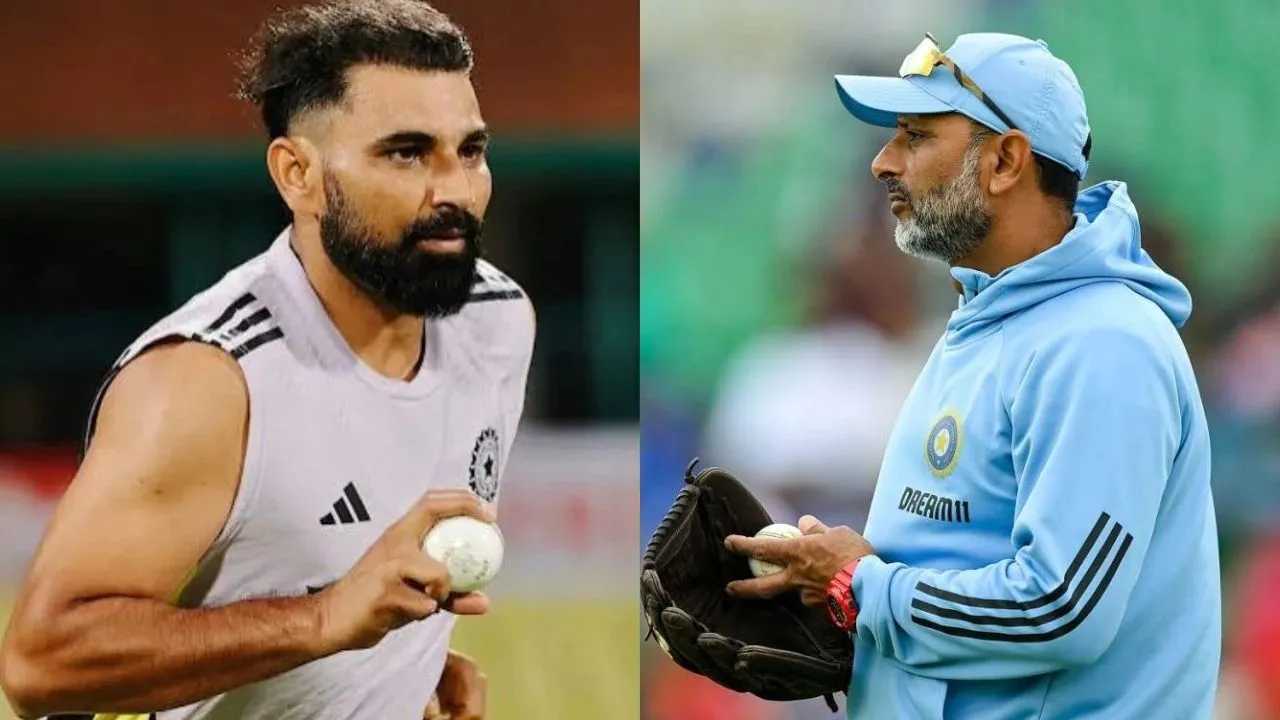
Ravichandran Ashwin brutally hammers Paul Reiffel for repeated anti-India calls; suspicious decisions found
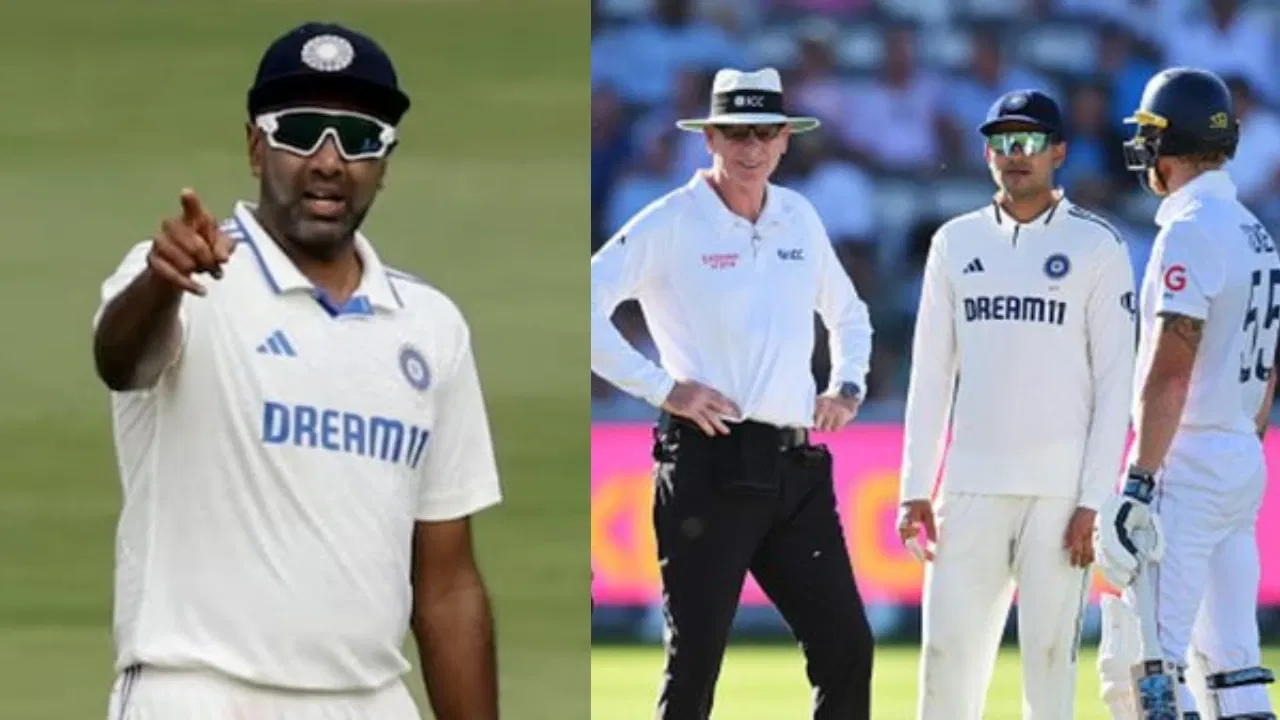
Ravichandran Ashwin Joins Cricket Legends in Criticizing Umpire Decision at Lord’s
Indian cricketer Ravichandran Ashwin has joined the likes of Anil Kumble, Sunil Gavaskar, and Jonathan Trott in expressing shock and disappointment over umpire Paul Reiffel’s decision to give England’s Joe Root a lifeline during the ongoing third Test match at Lord’s.
Controversial Umpiring Decision
On Day 4 of the third Test, India was close to getting a breakthrough when Mohammed Siraj bowled a delivery that trapped Joe Root right in front of the stumps. The Indian players were confident of the dismissal, but the on-field umpire was not convinced and turned down the appeal. India decided to go for a review, but Hawk-Eye showed that the ball was just clipping the leg stump, resulting in an ‘umpire’s call’ decision in favor of Root.
This decision did not sit well with the Indian camp, with Siraj visibly frustrated by the narrow escape. Renowned cricketers like Anil Kumble and Sunil Gavaskar expressed their disappointment over the call, with Gavaskar stating on-air that the ball was knocking the stumps over and Trott agreeing that it looked stone dead in real-time. Ashwin also slammed the decision, highlighting a pattern where decisions tend to go against India when they are bowling.
Ravichandran Ashwin’s Criticism
In a candid interview on his YouTube channel “Ash ki Baat,” Ashwin criticized umpire Paul Reiffel for seemingly favoring the opposition in close decisions during the ongoing Test series against England. He mentioned a clear bias where decisions go against India when they are bowling but in their favor when they are batting.
Ashwin humorously recalled an instance where the gap between the bat and the ball was so significant that even a car could pass through it, emphasizing the difficulty of getting decisions in India’s favor when Reiffel is officiating. He also shared an anecdote where his father believes India cannot win a match when Reiffel is on duty.
Call for ICC Review
Ashwin’s comments have reignited the debate around umpiring decisions and raised questions about the need for closer scrutiny by the International Cricket Council (ICC). The consistent criticism from players and experts highlights the importance of impartial officiating in high-stakes matches like the ongoing Test series between India and England.
As the cricketing world continues to discuss the controversial decision at Lord’s, all eyes will be on how umpires handle future matches to ensure fairness and uphold the spirit of the game.
Overall, the incident involving Joe Root’s ‘lucky escape’ has sparked a broader conversation about the role of umpires in shaping the outcome of matches and the need for greater accountability in decision-making processes.
Impact of Umpiring Decisions on Cricket Matches
Umpiring decisions play a crucial role in the outcome of cricket matches, as they can swing momentum in favor of one team or the other. In the case of the controversial decision at Lord’s, where Joe Root was given a lifeline, the match dynamics could have shifted significantly if the decision had gone in India’s favor. Such moments of contention highlight the need for consistent and unbiased officiating to maintain the integrity of the sport.
Cricket is a game of fine margins, where a single decision can alter the course of an entire match. Players invest their time and effort into honing their skills, and having a questionable decision impact the result can be disheartening for both teams. It is essential for umpires to make accurate calls based on the rules of the game, ensuring fairness for all involved.
Role of Technology in Umpiring
In recent years, advancements in technology have been introduced to assist umpires in making more accurate decisions. Tools like Hawk-Eye, UltraEdge, and Snickometer provide additional information to aid in determining the correctness of calls, especially in cases of close LBW appeals or edges behind the wicket. While these technologies have improved the accuracy of decisions, controversies still arise due to the interpretation of the data.
Despite the availability of technology, the human element in umpiring remains crucial. Umpires are required to make split-second judgments on the field, often under immense pressure. Their experience, knowledge of the game, and ability to stay impartial in high-pressure situations are qualities that are irreplaceable by technology. Therefore, a balance between technology and on-field umpires is necessary to ensure a fair and efficient officiating process.
Transparency and Accountability in Umpiring
As the cricketing world grapples with umpiring controversies, there is a growing call for greater transparency and accountability in the officiating process. The International Cricket Council (ICC) has a responsibility to oversee the conduct of umpires, ensuring that they adhere to the highest standards of fairness and professionalism.
Umpires undergo rigorous training and assessments to officiate at the international level, but instances of questionable decisions raise concerns about consistency and bias. It is imperative for the ICC to review umpiring performances regularly, address any patterns of favoritism or errors, and uphold the credibility of the game.
Conclusion
The incident at Lord’s involving Ravichandran Ashwin’s criticism of umpire Paul Reiffel highlights the ongoing challenges faced by cricket in maintaining integrity and fairness in officiating. While controversies are a part of the game, it is essential for stakeholders to address issues promptly, implement necessary reforms, and ensure that the spirit of cricket is preserved.
As fans and players continue to debate the role of umpires in shaping match outcomes, the focus remains on promoting a culture of transparency, accountability, and excellence in officiating. By learning from past mistakes and embracing technology while valuing the human element in umpiring, cricket can continue to evolve and thrive as a sport beloved by millions worldwide.
Ultimately, the goal is to create an environment where matches are decided on the players’ skills and sportsmanship rather than on contentious umpiring decisions, allowing the spirit of the game to shine through in all its glory.
Latest News
Top 10 highest run-chases in T20 cricket history, ft. West Indies’ Ranchi win vs India
Aaryavir Sehwag and Anvay Dravid set to make headlines at U19 Asia Cup 2026
Longest ducks in Test cricket history ft. Nic Maddinson, Shoaib Akhtar
ECB to offer 39 central contracts to England players after Ben Stokes, Mark Wood’s retirement
Steve Smith surpasses Steve Waugh in all-time Test run-scorers’ list

Shane Watson identifies Gautam Gambhir’s biggest problem as India struggle for consistency
Is Bhuvneshwar Kumar in India’s 2027 World Cup plans? Ajinkya Rahane makes revelation

BCCI’s big ₹127 Crore move after injury crisis raises concerns over Team India

Parthiv Patel reveals RCB ignored his Jasprit Bumrah recommendation in IPL 2014 Auction
“Never spoke ill of any faith”: Irfan Pathan hits back at fake news using his name
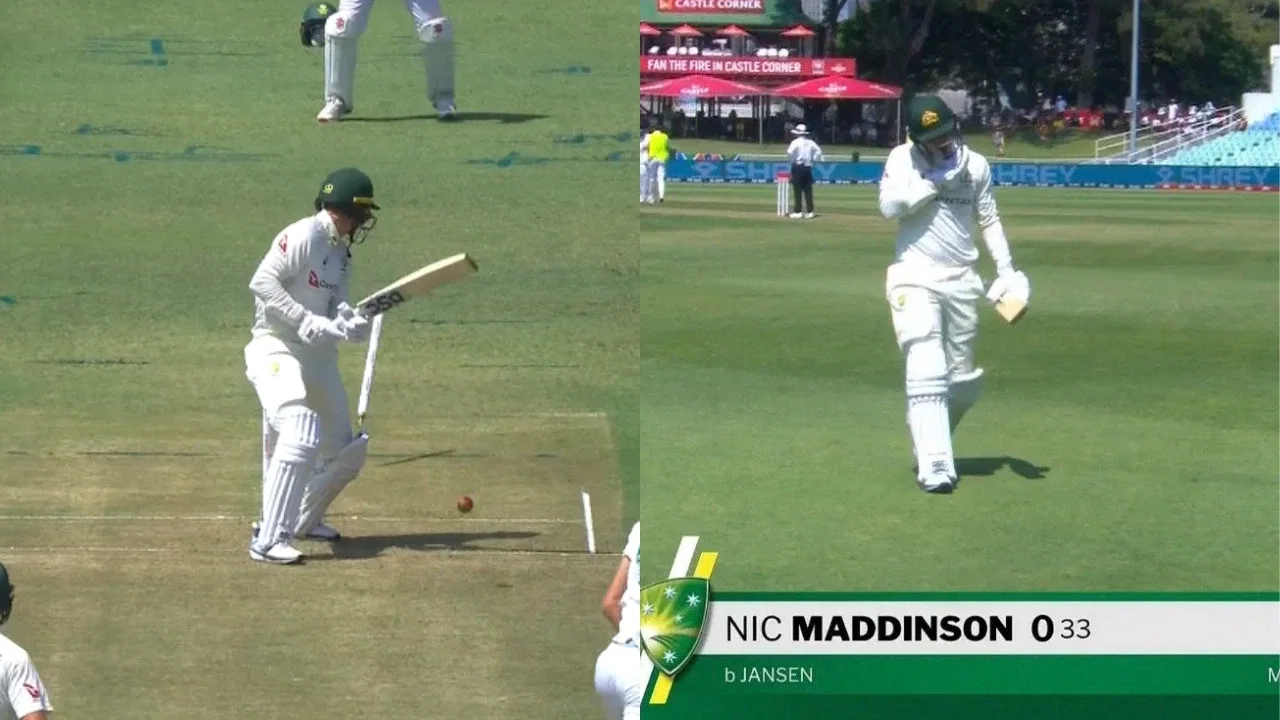
Nic Maddinson bags 33-ball duck on Test comeback, disappoints George Bailey

Imran Tahir predicts 2027 ICC ODI World Cup Semi-Finalists, snubs India for title
Australia create unwanted history with first all-30-plus Test XI
Ravindra Jadeja returns to Ranji Trophy as Saurashtra announce squad