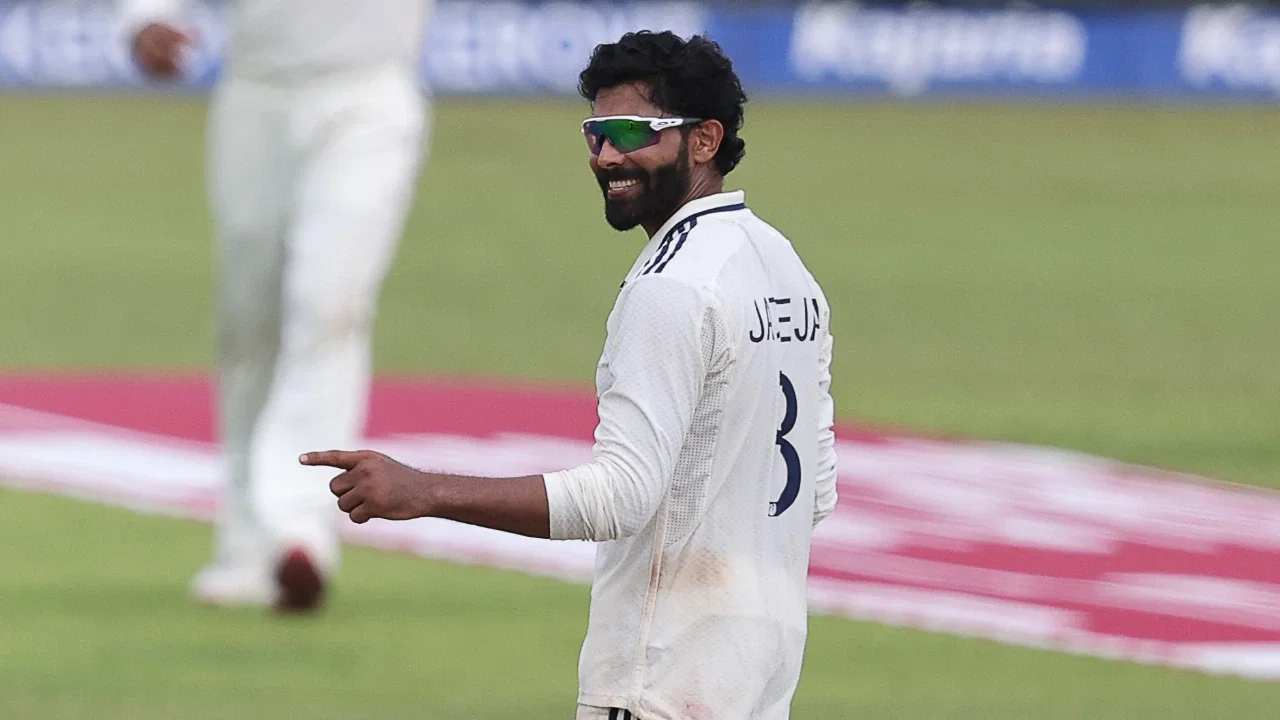
Ravichandran Ashwin EXPOSES ‘preferential treatment’ culture inside Indian dressing room
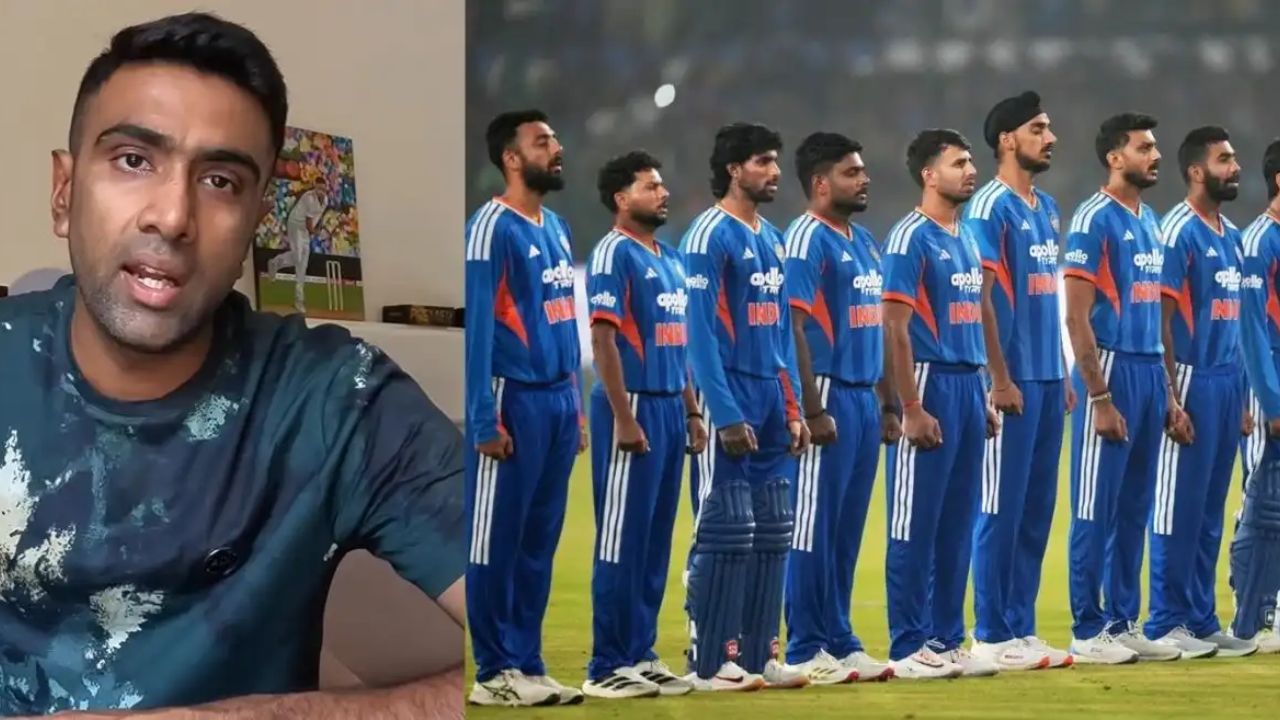
Former Indian Cricketer Ashwin Criticizes Preferential Treatment in Team Selection
Former Indian cricketer Ravichandran Ashwin has raised concerns about the preferential treatment of players in the Indian team. He pointed out that while some players are given ample opportunities, others are being overlooked despite their quality and performance.
Controversy Surrounding ODI Squad Selection
Recently, the Indian Men’s Selection Committee announced the ODI squad for the upcoming series against New Zealand starting on January 11th in Vadodara. However, the selection has sparked controversy as some deserving players were left out. Ruturaj Gaikwad, who scored a brilliant century in his last international appearance and continued his good form in the Vijay Hazare Trophy, was surprisingly omitted from the squad.
In addition, players like Dhruv Jurel, Sanju Samson, and Ishan Kishan, who were in contention for the backup wicket-keeper spot, were also not included, with Rishabh Pant retaining his place as India’s second keeper. This decision has not gone down well with fans and critics alike.
Ashwin’s Critique of Team Selection
Ravichandran Ashwin has expressed his dissatisfaction with the selection process, highlighting the lack of transparency and fairness in player choices. He emphasized that every player deserves equal respect and opportunities to prove themselves on the field.
According to Ashwin, the current system leads to insecurity among players, as some individuals receive special treatment while others are left in the dark. He believes that this preferential treatment is unjust and can have a negative impact on team morale and performance.
Ashwin stated, “There should be no preferential treatment. But unfortunately, we live in a world where some players get extra chances. I would love to see Yashasvi Jaiswal, Shreyas Iyer, Ruturaj Gaikwad all get that treatment too because these are fabulous players.”
Call for Stability and Fairness
Ashwin urged the Indian management to provide players with stability and clarity regarding their roles in the team. He emphasized the importance of consistency in selection to build trust and confidence among players.
The former cricketer stressed, “Whoever performs in the IPL goes ahead. It is very difficult for the selectors. But if you want to win tournaments, as management, you need to give stability to players. How you give it is totally up to you.”
Backlash Against Selection Committee
With major ICC tournaments on the horizon, including the ICC T20 World Cup 2026 and the 2027 ICC ODI World Cup, the pressure is on the Indian team to solidify their squad and prepare for success. However, the recent ODI squad announcement has once again put the spotlight on the controversial decisions made by the selection committee.
Critics and fans have questioned the exclusion of players like Ruturaj Gaikwad and the inclusion of others like Rishabh Pant and Yashasvi Jaiswal. The omission of experienced players like Mohammad Shami has also raised eyebrows, despite their impressive performances in domestic cricket.
Overall, Ashwin’s critique sheds light on the need for fairness, transparency, and stability in team selection to ensure the best possible outcomes for Indian cricket moving forward.
The Importance of Meritocracy in Team Selection
One of the key issues highlighted by Ashwin’s criticism is the importance of meritocracy in team selection. Meritocracy refers to the idea that individuals should be selected based on their abilities, performance, and qualifications rather than other factors such as favoritism or personal relationships. In the world of sports, especially at the international level, it is crucial that players are chosen purely on merit to ensure fair competition and the best possible representation of the team.
When players feel that their selection is based on merit, it leads to a sense of fairness and empowerment. It motivates individuals to perform at their best and fosters a healthy competitive environment within the team. On the other hand, preferential treatment can breed resentment, demotivation, and ultimately harm team dynamics and performance.
Impact on Player Development
Another aspect to consider is the impact of preferential treatment on player development. When certain players are consistently given opportunities over others, regardless of performance, it can stifle the growth and progress of deserving individuals. This can create a sense of disillusionment among players who are overlooked, leading to a loss of motivation and commitment to the sport.
Furthermore, by not providing equal opportunities to all players, the selection committee may be missing out on talent that could contribute significantly to the team’s success in the long run. It is essential to nurture and support all players, irrespective of their reputation or past achievements, to ensure a strong and competitive team for the future.
Building Trust and Unity
Transparency and fairness in team selection are crucial for building trust and unity among players. When individuals feel that they are being treated fairly and given equal opportunities, it creates a sense of camaraderie and cohesion within the team. Trust in the selection process fosters a positive team culture where players support and uplift each other, ultimately leading to improved performance on the field.
By promoting a culture of fairness and meritocracy, the Indian cricket team can establish a strong foundation for success. Players will be more motivated to excel, knowing that their efforts will be recognized and rewarded based on their performance rather than external factors.
Looking Ahead
As the Indian cricket team prepares for upcoming tournaments and challenges, it is essential for the management and selection committee to reflect on Ashwin’s critique and prioritize fairness, transparency, and stability in team selection. By addressing the issues of preferential treatment and favoritism, the team can create a conducive environment for player development, unity, and success.
Ultimately, the goal should be to create a team that is truly representative of the best talent India has to offer, where players are selected based on merit, dedication, and performance. With a commitment to fairness and meritocracy, the Indian cricket team can strive for excellence and achieve greatness on the international stage.
Latest News

New Zealand suffer blow as William O’Rourke misses India ODIs and Tests
Top 10 highest run-chases in T20 cricket history, ft. West Indies’ Ranchi win vs India
Aaryavir Sehwag and Anvay Dravid set to make headlines at U19 Asia Cup 2026
Longest ducks in Test cricket history ft. Nic Maddinson, Shoaib Akhtar
ECB to offer 39 central contracts to England players after Ben Stokes, Mark Wood’s retirement
Steve Smith surpasses Steve Waugh in all-time Test run-scorers’ list

Shane Watson identifies Gautam Gambhir’s biggest problem as India struggle for consistency
Is Bhuvneshwar Kumar in India’s 2027 World Cup plans? Ajinkya Rahane makes revelation
BCCI’s big ₹127 Crore move after injury crisis raises concerns over Team India
Parthiv Patel reveals RCB ignored his Jasprit Bumrah recommendation in IPL 2014 Auction
“Never spoke ill of any faith”: Irfan Pathan hits back at fake news using his name
Nic Maddinson bags 33-ball duck on Test comeback, disappoints George Bailey
Imran Tahir predicts 2027 ICC ODI World Cup Semi-Finalists, snubs India for title
Australia create unwanted history with first all-30-plus Test XI