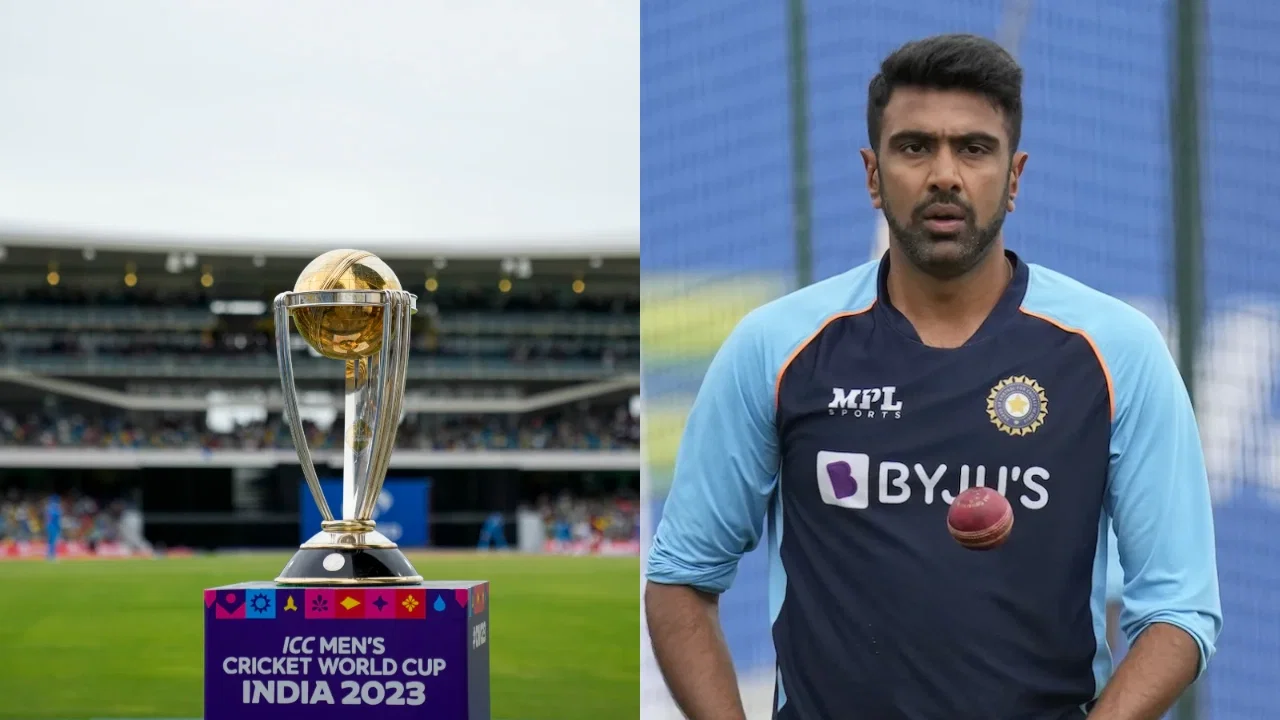
Ravichandran Ashwin questions ICC’s new ODI, T20 World Cup formats
Ravichandran Ashwin Supports Competitive Formats for ODI and T20 World Cups
Ravichandran Ashwin, former India cricketer, recently expressed his partial support for the new formats of the ODI World Cup and T20 World Cup approved by the International Cricket Council (ICC) after their annual meeting in Scotland. While acknowledging that the new formats will increase the competitiveness of the tournaments, Ashwin raised concerns about the impact on the growth of emerging cricketing nations.
Ashwin’s Critique of the New Formats
Ashwin believes that the changes in the formats of the ODI and T20 World Cups, announced by the ICC on July 15, may not necessarily support the growth of emerging cricketing nations. Despite keeping the total number of participating teams the same, the modifications in the formats may not provide enough opportunities for lesser-known teams to compete at a higher level.
Through a social media post, Ashwin emphasized the importance of expanding the game across the globe and called for a stronger pathway for emerging nations to thrive in international cricket. He highlighted the need for teams like Nepal, Netherlands, Scotland, and USA to have more competitive matches against top-tier teams, not just in qualification games.
Emphasizing Collective Growth for the Sport
Ashwin suggested that including emerging nations in bilateral series and providing them with more meaningful matches could contribute to the collective growth of cricket. By offering these teams more opportunities to showcase their talent on a global stage, Ashwin believes that cricket could become a spectacle at events like the Olympics.
Despite recognizing the competitiveness brought about by the new formats for the 2027 ODI World Cup and 2028 T20 World Cup, Ashwin reiterated the importance of prioritizing the development of cricket-playing nations beyond the traditional powerhouses in the sport.
Impact of New Format on ODI World Cup
The upcoming ODI World Cup in 2027 will follow a new format introduced by the ICC. The tournament will kick off with a round-robin phase involving teams placed 12th, 13th, and 14th. The top-performing team from this phase will advance to the next stage with eleven other teams.
These twelve teams will then be divided into two groups, with the top 3 from each group and the best fourth-placed team progressing to the next round. This round will feature a round-robin format with 21 matches among the seven teams. The top four teams from this stage will qualify for the semi-finals, leading to the ultimate showdown between the winners in the final.
In conclusion, while Ashwin appreciates the focus on competitiveness in the new formats, he believes that nurturing the growth of emerging cricketing nations is equally crucial for the long-term success and popularity of the sport.
The Importance of Inclusivity in Cricket
Expanding on Ashwin’s concerns, it is essential to recognize the significance of inclusivity in cricket. By providing opportunities for emerging cricketing nations to compete at a higher level, the sport can foster diversity and global participation. Inclusivity not only enriches the talent pool but also broadens the fan base, making cricket a truly global phenomenon.
Furthermore, promoting inclusivity in cricket can have a positive impact on the overall development of the sport. By nurturing talent from diverse backgrounds and regions, cricket can continue to evolve and innovate, ensuring its relevance and sustainability in the long run. Inclusivity also opens doors for new narratives, fresh rivalries, and exciting storylines that capture the imagination of fans worldwide.
Building Bridges through Cricket
Cricket has the power to transcend boundaries and bring people together from all walks of life. By supporting competitive formats that promote inclusivity, cricket can serve as a platform for cultural exchange, mutual understanding, and friendship. The sport becomes a bridge that connects nations, fostering goodwill and camaraderie among players and fans alike.
Through initiatives that prioritize the growth of emerging cricketing nations, cricket can act as a catalyst for social change and unity. By giving a voice to underrepresented teams and players, the sport can champion diversity and equality, setting an example for other sports to follow. In a world marked by divisions, cricket stands out as a unifying force that celebrates differences and builds bridges across borders.
Looking Ahead: The Future of Cricket
As cricket continues to evolve and adapt to changing landscapes, it is crucial to keep the spirit of inclusivity alive. By embracing diversity and providing equal opportunities for all nations to excel, cricket can secure its position as a global sporting powerhouse. The future of cricket lies in its ability to champion inclusivity, inspire new generations of players, and unite fans from every corner of the world.
In conclusion, while the new formats for the ODI and T20 World Cups aim to enhance competitiveness, it is imperative to remember the importance of inclusivity in cricket. By supporting the growth of emerging cricketing nations, the sport can reach new heights of popularity, relevance, and impact, ensuring a bright future for generations of cricket enthusiasts to come.
Latest News
Top 10 highest run-chases in T20 cricket history, ft. West Indies’ Ranchi win vs India
Aaryavir Sehwag and Anvay Dravid set to make headlines at U19 Asia Cup 2026
Longest ducks in Test cricket history ft. Nic Maddinson, Shoaib Akhtar
ECB to offer 39 central contracts to England players after Ben Stokes, Mark Wood’s retirement
Steve Smith surpasses Steve Waugh in all-time Test run-scorers’ list
Shane Watson identifies Gautam Gambhir’s biggest problem as India struggle for consistency
Is Bhuvneshwar Kumar in India’s 2027 World Cup plans? Ajinkya Rahane makes revelation
BCCI’s big ₹127 Crore move after injury crisis raises concerns over Team India
Parthiv Patel reveals RCB ignored his Jasprit Bumrah recommendation in IPL 2014 Auction
“Never spoke ill of any faith”: Irfan Pathan hits back at fake news using his name
Nic Maddinson bags 33-ball duck on Test comeback, disappoints George Bailey
Imran Tahir predicts 2027 ICC ODI World Cup Semi-Finalists, snubs India for title
Australia create unwanted history with first all-30-plus Test XI
Ravindra Jadeja returns to Ranji Trophy as Saurashtra announce squad