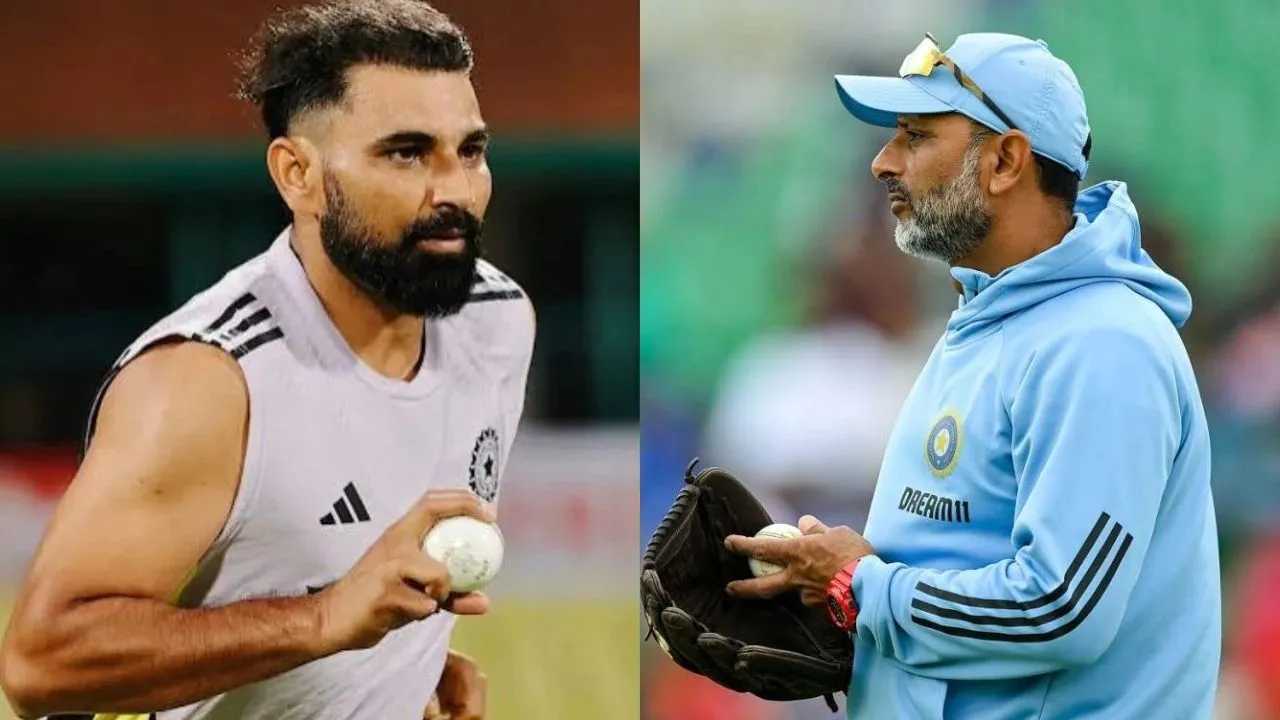
Ravichandran Ashwin unapologetic on Jos Buttler ‘Mankad’ controversy, makes strong ICC claim
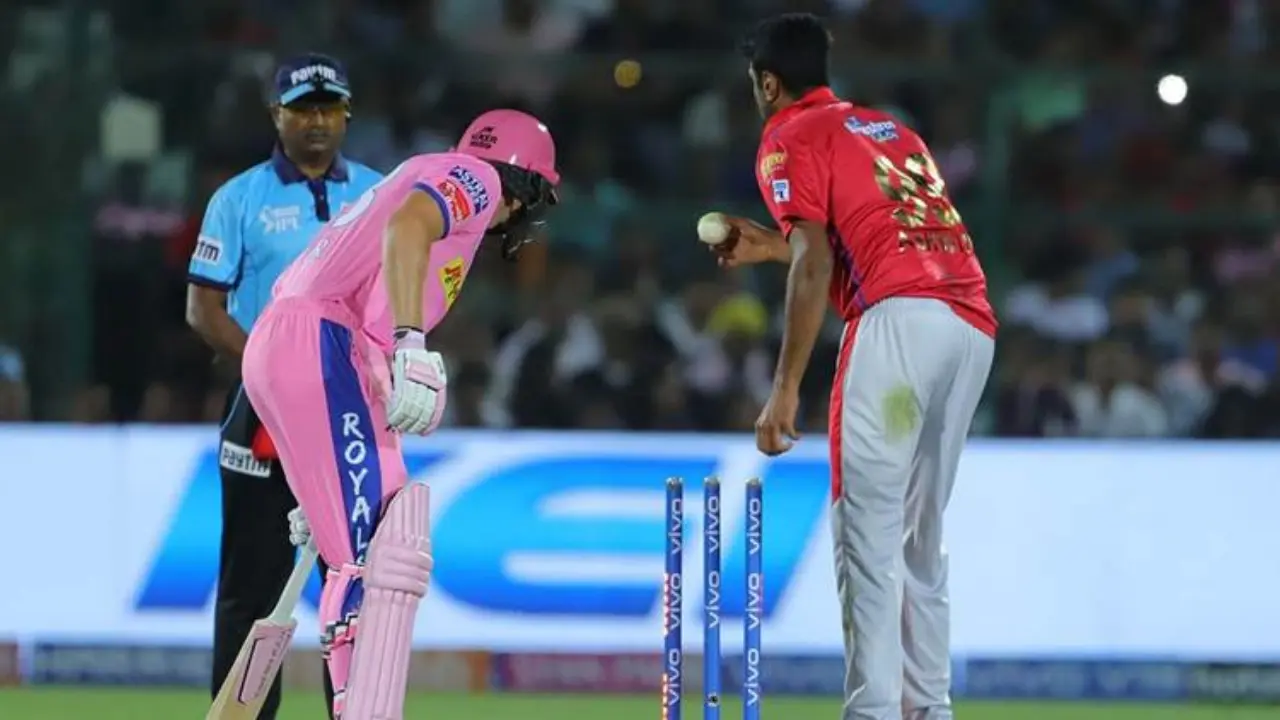
Ravichandran Ashwin Stands Firm on ‘Mankading’: A Closer Look at the Controversial Dismissal Method
Former India off-spinner Ravichandran Ashwin has once again voiced his unwavering support for the contentious ‘Mankading’ method of dismissing a batter. Despite facing criticism, Ashwin has remained steadfast in his belief that bowlers should have the right to execute this form of dismissal.
Understanding ‘Mankading’
‘Mankading’ is named after former Indian all-rounder Vinoo Mankad, who first employed this technique in a Test match by running out Australia’s Bill Brown in 1948. The act involves a bowler running out a batter at the non-strikers’ end before the ball is bowled, when the batter is out of the crease.
Over the years, ‘Mankading’ has sparked debates within the cricketing community. While some view it as unsportsmanlike, others argue that it is a legitimate way to prevent the non-striker from gaining an unfair advantage.
Ravichandran Ashwin’s Stance
In a recent interview with JioHotstar, Ashwin defended his controversial decision to ‘Mankad’ Jos Buttler during an IPL match in 2019. He emphasized that the rules of cricket allow for this form of dismissal and that it is the non-striker’s responsibility to stay within the crease.
Ashwin recounted a moment during a match when he instructed a bowler to attempt a ‘Mankad’ runout, but the bowler hesitated due to the perceived backlash. Ashwin’s actions reflect his firm belief in the legality of ‘Mankading’ and his willingness to use it strategically to secure a victory.
Controversies and Impact
The most recent ‘Mankading’ incident involving India’s Deepti Sharma and England’s Charlie Dean reignited discussions around the practice. Despite criticisms, the MCC moved ‘Mankading’ from the ‘Unfair Play’ section to a regular runout in the Laws of Cricket.
As Ashwin continues to defend ‘Mankading,’ his bold approach to the dismissal method has sparked both support and opposition from fans and players alike. His willingness to challenge traditional norms in cricket has made him a polarizing figure in the sport.
Ravichandran Ashwin’s Future
Following his retirement from international and IPL cricket, Ashwin has transitioned into a media role, providing insightful commentary during matches. His popularity on social media and YouTube has further solidified his status as a cricketing icon.
In the upcoming MLC 2026 season, Ashwin is set to represent the San Francisco Unicorns, showcasing his skills on a global stage. Despite the controversies surrounding his career, Ashwin’s passion for the game and dedication to pushing boundaries continue to define his legacy in cricket.
As ‘Mankading’ remains a topic of debate in the cricketing world, Ravichandran Ashwin’s unwavering support for the dismissal method sheds light on the complexities of sportsmanship and fair play in the modern game.
The Evolution of ‘Mankading’
Since its inception, ‘Mankading’ has evolved from being a rare and controversial form of dismissal to a more accepted tactic in cricket. Initially seen as a breach of etiquette, the practice has gradually gained recognition as a legitimate means of enforcing discipline on non-strikers taking undue advantage.
Players like Vinoo Mankad and Ravichandran Ashwin have been at the forefront of championing ‘Mankading,’ sparking discussions that have reshaped its perception in the cricketing community. While traditionalists may still view it with disdain, the younger generation of cricketers and fans are more open to embracing this strategic maneuver.
The Ethical Dilemma of ‘Mankading’
One of the key debates surrounding ‘Mankading’ revolves around the ethical considerations of the dismissal method. Critics argue that it goes against the spirit of the game, which emphasizes fair play and mutual respect between competitors. On the other hand, proponents contend that it is a necessary tool to maintain balance and prevent unfair advantages.
As cricket continues to evolve, questions around sportsmanship and competitive edge will persist, with ‘Mankading’ serving as a focal point for these discussions. The tension between tradition and innovation underscores the dynamic nature of the sport and the ongoing reevaluation of its norms.
Ravichandran Ashwin’s Influence on the Game
Aside from his prowess on the field, Ravichandran Ashwin’s advocacy for ‘Mankading’ has had a significant impact on the cricketing landscape. By challenging conventions and standing by his convictions, Ashwin has encouraged players to think critically about the rules and strategies that govern the game.
His bold approach to ‘Mankading’ has not only sparked debate but has also prompted a reexamination of cricket’s unwritten rules. Ashwin’s willingness to challenge the status quo reflects a broader shift towards a more analytical and strategic approach to the sport, where innovation is valued alongside tradition.
The Legacy of Ravichandran Ashwin
As Ravichandran Ashwin’s career enters its twilight phase, his legacy as a trailblazer in the world of cricket is already cemented. Beyond his statistical achievements, Ashwin will be remembered for his willingness to push boundaries, challenge norms, and advocate for change in the sport.
Whether it’s through his performances on the field, his commentary in the media, or his presence on social platforms, Ashwin continues to shape the narrative of modern cricket. His legacy serves as a reminder that true greatness is not just measured in runs or wickets but in the impact a player has on the sport as a whole.
Looking Ahead
As cricket moves forward, the debate around ‘Mankading’ will likely persist, with players and fans continuing to grapple with its implications. Ravichandran Ashwin’s unwavering support for the dismissal method has sparked a conversation that transcends the boundaries of the pitch, touching on broader themes of integrity, competitiveness, and the evolving nature of sportsmanship.
Ultimately, whether one agrees or disagrees with ‘Mankading,’ its presence in cricket serves as a reminder that the sport is not static but a dynamic entity that reflects the values and beliefs of those who participate in it. As the game continues to evolve, so too will the discussions and debates that shape its future.
Latest News
Top 10 highest run-chases in T20 cricket history, ft. West Indies’ Ranchi win vs India
Aaryavir Sehwag and Anvay Dravid set to make headlines at U19 Asia Cup 2026
Longest ducks in Test cricket history ft. Nic Maddinson, Shoaib Akhtar
ECB to offer 39 central contracts to England players after Ben Stokes, Mark Wood’s retirement
Steve Smith surpasses Steve Waugh in all-time Test run-scorers’ list
Shane Watson identifies Gautam Gambhir’s biggest problem as India struggle for consistency
Is Bhuvneshwar Kumar in India’s 2027 World Cup plans? Ajinkya Rahane makes revelation

BCCI’s big ₹127 Crore move after injury crisis raises concerns over Team India
Parthiv Patel reveals RCB ignored his Jasprit Bumrah recommendation in IPL 2014 Auction
“Never spoke ill of any faith”: Irfan Pathan hits back at fake news using his name
Nic Maddinson bags 33-ball duck on Test comeback, disappoints George Bailey
Imran Tahir predicts 2027 ICC ODI World Cup Semi-Finalists, snubs India for title
Australia create unwanted history with first all-30-plus Test XI
Ravindra Jadeja returns to Ranji Trophy as Saurashtra announce squad