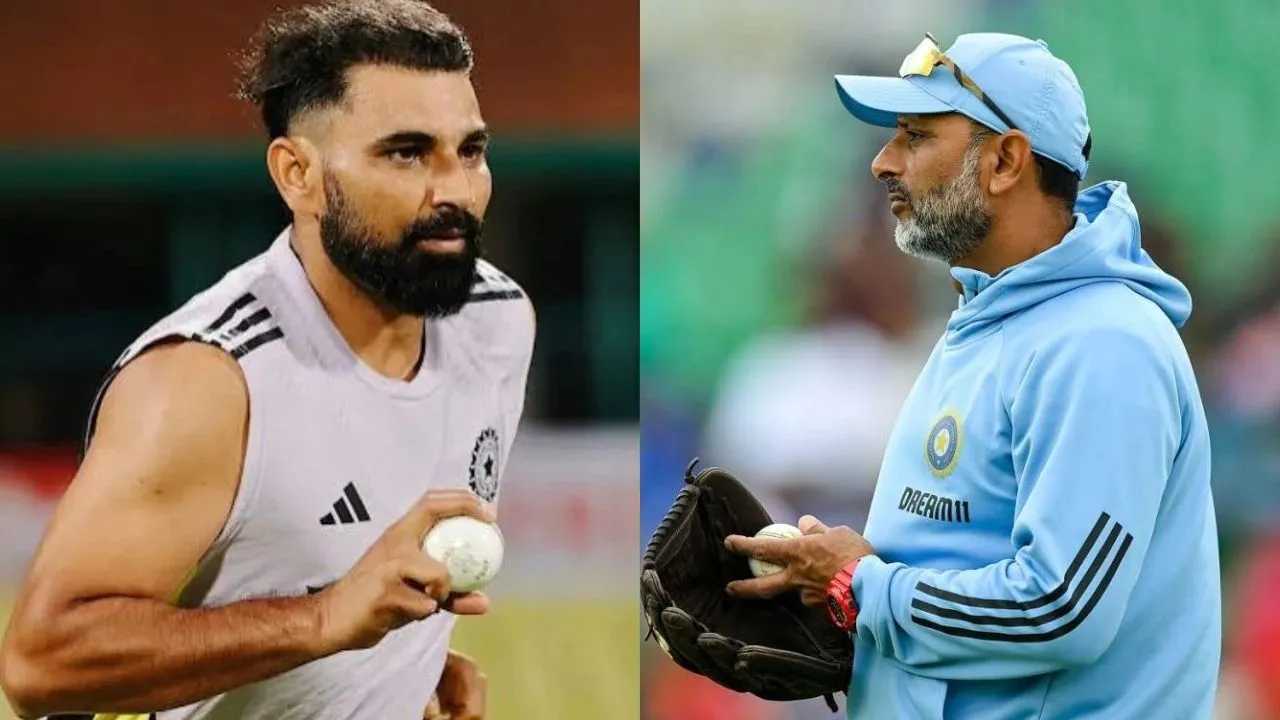
Roger Binny blocks Rajeev Shukla’s takeover, could stay BCCI President till 75
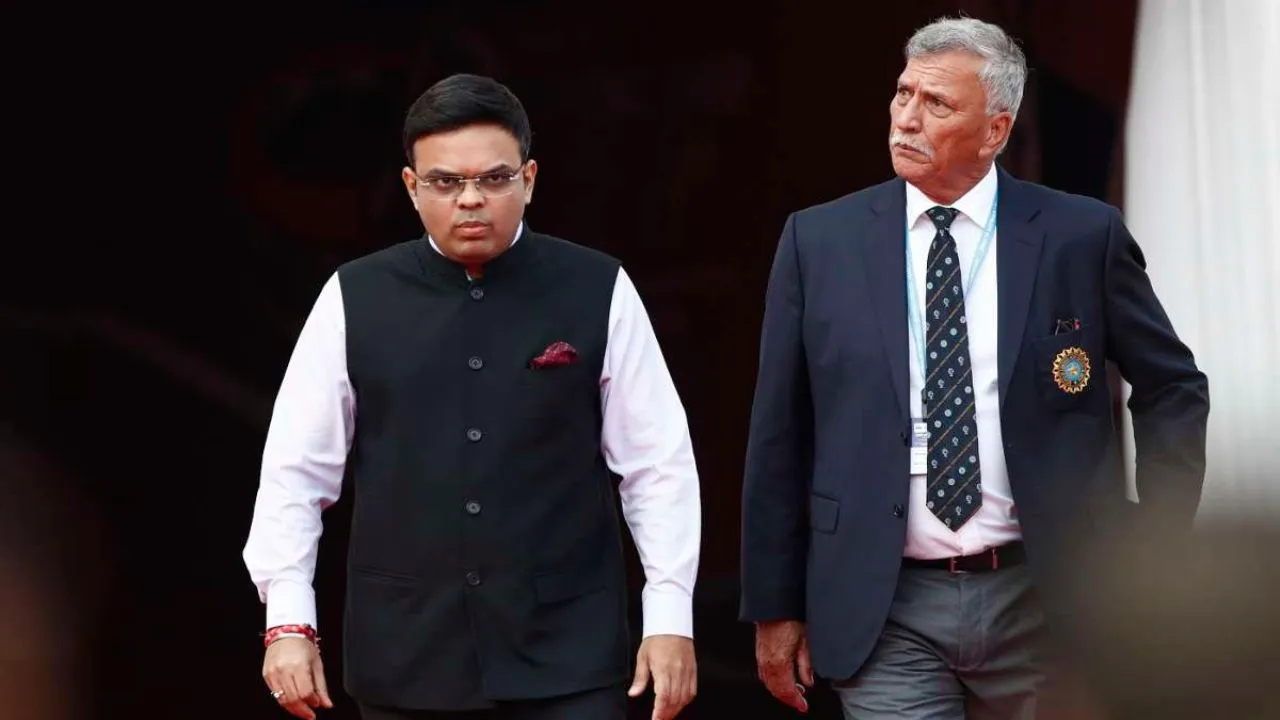
Former India National Cricket Team All-Rounder Roger Binny Could Block Takeover of BCCI President Role
Former India National Cricket Team all-rounder and current president of the Board of Control for Cricket in India (BCCI), Roger Binny, is facing uncertainties regarding his continuation in the role due to age restrictions set by the BCCI constitution. At 70 years old, Binny could potentially block the takeover of Rajeev Shukla as the president of the BCCI.
Aging Restrictions and Potential Continuation
Roger Binny, a pivotal member of the 1983 World Cup-winning team, celebrated his 70th birthday on July 19, 2025. According to the BCCI constitution, any office-bearer who turns 70 is disqualified from holding the post. This led to speculations that the BCCI vice-president Rajeev Shukla might take over as the president, at least on an interim basis, following the upcoming BCCI Annual General Meeting (AGM) scheduled for September.
National Sports Bill and Extended Term
A recent report from PTI suggests that the National Sports Bill passed in parliament could enable Roger Binny to continue as the BCCI president until the age of 75. However, this extension is contingent upon approval from the BCCI state unit members. The National Sports Bill sets 75 as the cut-off age for office bearers of National Sports Federations, aligning with global bodies like the ICC that lack specific age clauses.
While the BCCI legal team is reviewing the implications of the National Sports Bill, it is crucial to note that the board does not receive grants from the government, minimizing the bill’s direct impact. The decision on Binny’s continuity as president will ultimately rely on discussions with BCCI stakeholders, including senior players and coaching staff.
Upcoming Challenges for Team India – The Asia Cup 2025
Looking ahead, Team India faces a significant challenge in the upcoming Asia Cup 2025, set to be hosted in the United Arab Emirates in a T20I format. The tournament, running from September 9 to September 28, features eight participating teams, with Suryakumar Yadav leading the Indian squad.
India finds itself in Group A alongside Pakistan, Oman, and UAE, while Group B comprises Sri Lanka, Bangladesh, Afghanistan, and Hong Kong. The highly-anticipated match between arch-rivals India and Pakistan is scheduled for Sunday, September 14, at the Dubai International Cricket Stadium.
With a strong lineup and experienced players, Team India enters the Asia Cup as favorites, aiming to showcase their talent and secure victory in the prestigious tournament.
Challenges and Opportunities for BCCI Leadership
As the BCCI navigates the potential transition in leadership, it faces both challenges and opportunities. One of the key challenges is ensuring a smooth handover of responsibilities while maintaining the stability and continuity of operations. With Roger Binny’s potential exit and Rajeev Shukla’s possible takeover, the BCCI must prioritize a seamless transition to avoid any disruptions in its functioning.
At the same time, this leadership change presents an opportunity for the BCCI to evaluate its governance structure and make any necessary reforms to enhance transparency, efficiency, and accountability. The inclusion of younger members or individuals with diverse backgrounds could bring fresh perspectives and innovative ideas to the organization, driving growth and development in Indian cricket.
Impact of Aging Restrictions on Sports Administration
The issue of aging restrictions in sports administration is not unique to the BCCI but is a broader concern across various sports organizations globally. While age limits can help promote new leadership and prevent stagnation, they can also limit the continuity and experience that older officials bring to the table. Balancing the need for succession planning with the value of seasoned leaders is a delicate task that sports bodies must navigate effectively.
In the case of Roger Binny, his potential extension under the National Sports Bill highlights the complexities surrounding age restrictions and the need for flexibility in governance frameworks. By aligning with international standards set by bodies like the ICC, the BCCI can ensure consistency and coherence in its policies while adapting to evolving norms in sports administration.
Strategies for Team India in the Asia Cup
With the Asia Cup 2025 on the horizon, Team India faces a series of strategic decisions and challenges as they aim to clinch the title. The tournament presents an opportunity for the team to test its skills against competitive rivals and showcase its prowess on the international stage. Key strategies such as player selection, tactical planning, and mental preparedness will play a crucial role in India’s performance in the tournament.
Moreover, the Asia Cup serves as a platform for emerging talents to make their mark and solidify their positions in the national team. Young players like Suryakumar Yadav have the chance to shine and contribute significantly to India’s success, bolstering the team’s depth and resilience in the face of tough competition.
Conclusion
In conclusion, the potential leadership transition in the BCCI, the implications of aging restrictions on sports administration, and the strategic outlook for Team India in the Asia Cup all underscore the dynamic nature of cricket and the governance structures that underpin it. As the BCCI navigates these challenges and opportunities, it must prioritize continuity, innovation, and excellence to uphold its legacy as one of the most influential cricketing bodies in the world.
Latest News
Top 10 highest run-chases in T20 cricket history, ft. West Indies’ Ranchi win vs India
Aaryavir Sehwag and Anvay Dravid set to make headlines at U19 Asia Cup 2026
Longest ducks in Test cricket history ft. Nic Maddinson, Shoaib Akhtar
ECB to offer 39 central contracts to England players after Ben Stokes, Mark Wood’s retirement
Steve Smith surpasses Steve Waugh in all-time Test run-scorers’ list
Shane Watson identifies Gautam Gambhir’s biggest problem as India struggle for consistency
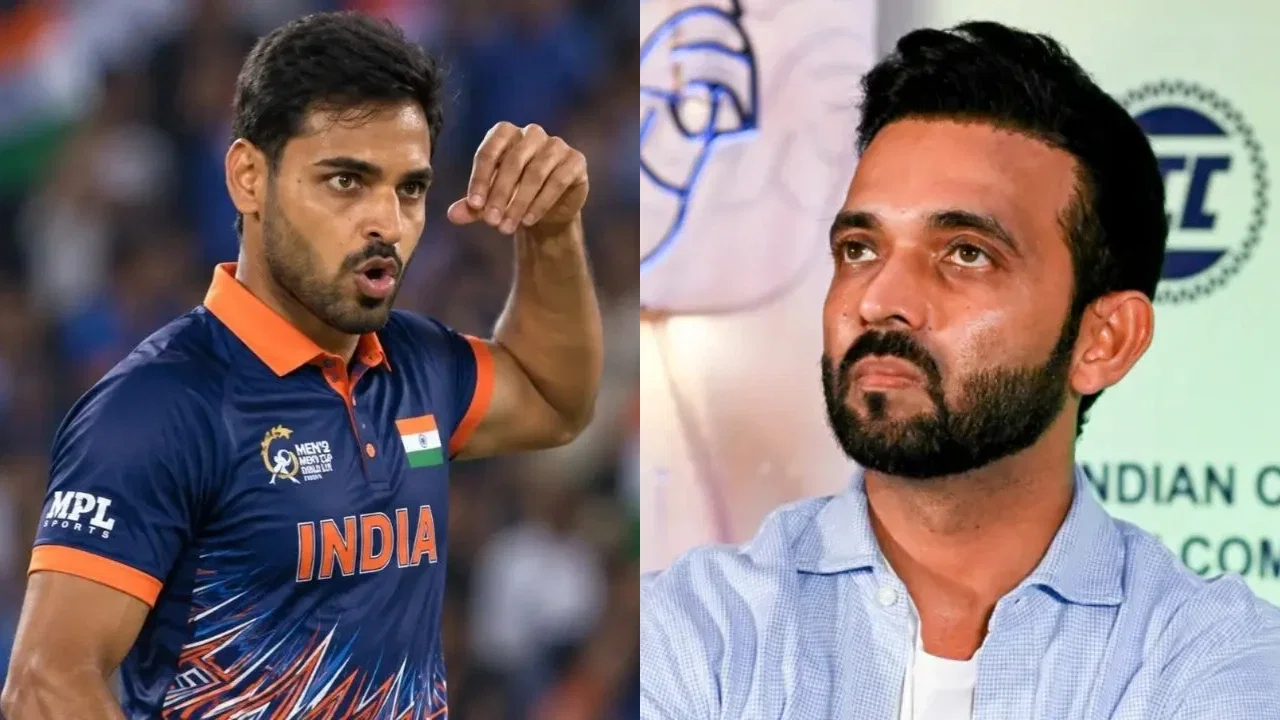
Is Bhuvneshwar Kumar in India’s 2027 World Cup plans? Ajinkya Rahane makes revelation
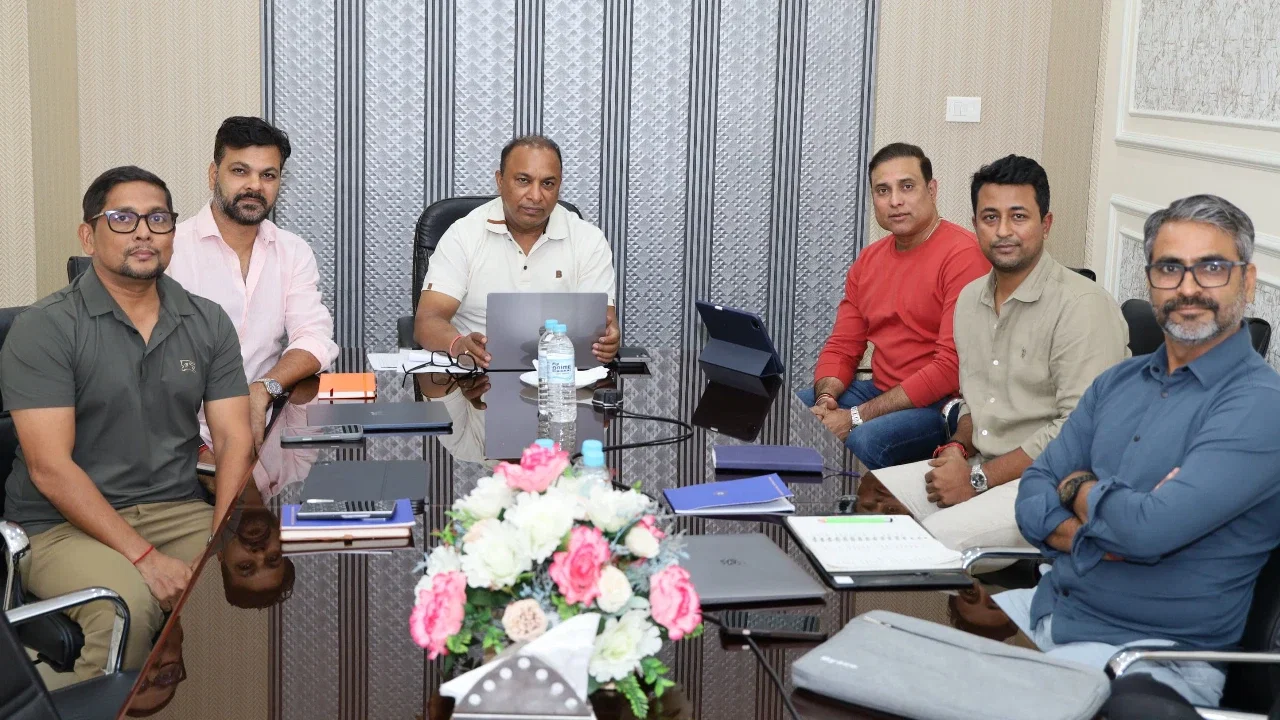
BCCI’s big ₹127 Crore move after injury crisis raises concerns over Team India
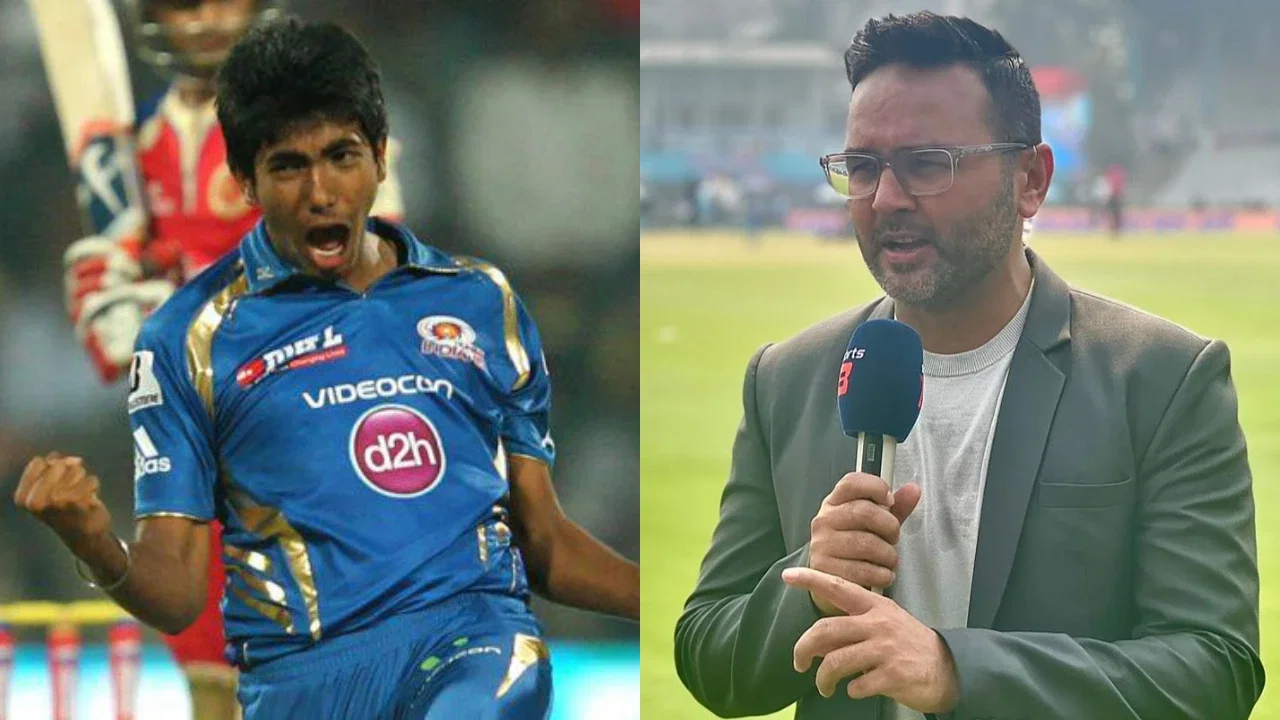
Parthiv Patel reveals RCB ignored his Jasprit Bumrah recommendation in IPL 2014 Auction
“Never spoke ill of any faith”: Irfan Pathan hits back at fake news using his name
Nic Maddinson bags 33-ball duck on Test comeback, disappoints George Bailey
Imran Tahir predicts 2027 ICC ODI World Cup Semi-Finalists, snubs India for title
Australia create unwanted history with first all-30-plus Test XI
Ravindra Jadeja returns to Ranji Trophy as Saurashtra announce squad