Rohit Sharma, Suryakumar Yadav, Jasprit Bumrah’s wives react to CJP’s Jantar Mantar protest
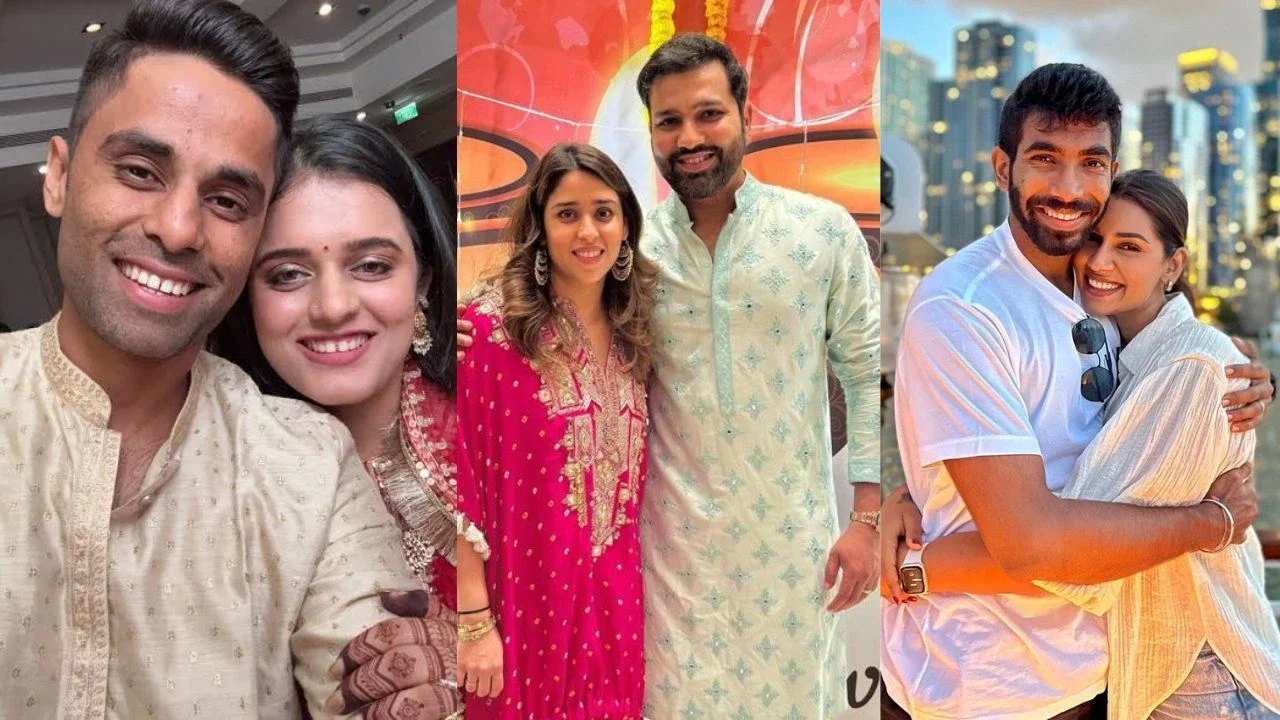
Social Media Buzz: Indian Cricketers’ Wives React to CJP Protest in Delhi
As tensions ran high at the Cockroach Janta Party (CJP) protest in Delhi, not only did the event dominate headlines, but it also sparked a wave of reactions on social media. Instagram Stories shared by the wives of Indian cricketers Rohit Sharma, Suryakumar Yadav, and Jasprit Bumrah added another layer of commentary to the unfolding events.
Why Did the CJP Protest Trend Across India?
The CJP’s Jantar Mantar protest in Delhi gained nationwide attention as thousands of demonstrators gathered to demand education reforms and accountability. However, tensions escalated when clashes erupted between protesters and police, leading to injuries and the use of force. This incident triggered sharp political reactions and sparked widespread debate over the handling of the protest in Delhi, with images and videos circulating widely on social media.
Hashtags related to the CJP protest, Jantar Mantar news, and Delhi news climbed the trending charts, drawing in public figures, journalists, and ordinary citizens who shared their views online. The discussion extended beyond politics to encompass concerns from various sectors of society.
Insights from the Wives of Rohit Sharma, Suryakumar Yadav, and Jasprit Bumrah
Rohit Sharma’s wife, Ritika Sajdeh, posted a video on her Instagram Story from the Jantar Mantar protest, featuring a young boy bravely speaking out against the use of force: “Not scared of lathis, inspired by Bhagat Singh,” read the on-screen caption.
On the other hand, Suryakumar Yadav’s wife, Devisha Shetty, shared a message emphasizing that violence is not synonymous with democracy. She highlighted the consequences of resorting to aggressive tactics during protests and how it deviates from peaceful activism.
Jasprit Bumrah’s wife, Sanjana Ganesan, expressed her concern over reports of children being affected by tear gas at the protest site, emphasizing the need to protect citizens, especially the most vulnerable members of society.
Social Media Reactions Reflect Public Sentiment
The online conversation surrounding the Jantar Mantar protest extended well beyond political circles, with screenshots of the cricketers’ wives’ Instagram Stories being widely shared. As the protest remains a significant topic of discussion, netizens have also focused on how public figures and their families are engaging with the current issues.
While the posts varied in tone and content, they all contributed to the broader dialogue on the CJP protest and its implications. As social media continues to play a pivotal role in shaping public opinion, the voices of influential individuals and their families carry considerable weight in shaping the narrative around key societal events.
Stay tuned for more updates as the situation unfolds and public discourse continues to evolve around the CJP protest in Delhi.
The Role of Social Media in Modern Activism
With the rise of social media, activism has taken on a new dimension, allowing individuals to amplify their voices and mobilize support for causes they believe in. The CJP protest in Delhi is a prime example of how social media can be used to spread awareness, organize demonstrations, and hold authorities accountable. The real-time updates, live streams, and personal accounts shared on various platforms have helped shed light on the events unfolding at Jantar Mantar, reaching audiences far beyond the physical protest site.
Moreover, the involvement of public figures such as Indian cricketers’ wives in voicing their opinions on social issues demonstrates the reach and influence of celebrities in shaping public discourse. Their perspectives not only add a personal touch to the larger narrative but also bring attention to issues that might have otherwise gone unnoticed by their followers.
The Power of Visual Storytelling
One of the most compelling aspects of social media is its ability to convey powerful messages through visual storytelling. The videos and images shared by the cricketers’ wives from the CJP protest captured poignant moments that resonated with audiences on an emotional level. These visuals not only humanized the protest but also underscored the importance of peaceful activism and the impact of violence on vulnerable populations.
By leveraging the visual nature of social media, individuals can create a more profound connection with their audience, evoke empathy, and drive meaningful conversations around pressing social issues. The use of multimedia content in activism can be a catalyst for change, as it has the potential to inspire action, foster solidarity, and spark dialogue among diverse communities.
Fostering Empathy and Understanding Through Online Discourse
As social media continues to be a platform for public discourse, it is essential to cultivate empathy and understanding in online interactions. The diverse perspectives shared by individuals, including the cricketers’ wives, provide an opportunity for meaningful dialogue and reflection on complex societal issues. By engaging in respectful conversations and listening to different viewpoints, we can broaden our understanding of the world and work towards building a more inclusive society.
Encouraging empathy in online discourse can help bridge divides, foster mutual respect, and promote constructive dialogue even in the face of disagreement. By approaching discussions with an open mind and a willingness to listen, individuals can contribute to a more compassionate and empathetic online community.
Conclusion: The Ongoing Impact of Social Media Activism
As social media platforms continue to shape the landscape of activism and public discourse, the voices of individuals, including celebrities and their families, play a crucial role in influencing societal narratives and driving change. The CJP protest in Delhi and the reactions from the cricketers’ wives highlight the power of online engagement in amplifying social issues and advocating for positive transformation.
By harnessing the power of visual storytelling, fostering empathy in online interactions, and promoting meaningful dialogue, social media users can contribute to a more informed, connected, and compassionate society. As we navigate the evolving digital landscape, let us remember the impact our words and actions can have on shaping a better future for all.
Latest News
Top 10 highest run-chases in T20 cricket history, ft. West Indies’ Ranchi win vs India
Aaryavir Sehwag and Anvay Dravid set to make headlines at U19 Asia Cup 2026

Longest ducks in Test cricket history ft. Nic Maddinson, Shoaib Akhtar

ECB to offer 39 central contracts to England players after Ben Stokes, Mark Wood’s retirement

Steve Smith surpasses Steve Waugh in all-time Test run-scorers’ list

Shane Watson identifies Gautam Gambhir’s biggest problem as India struggle for consistency
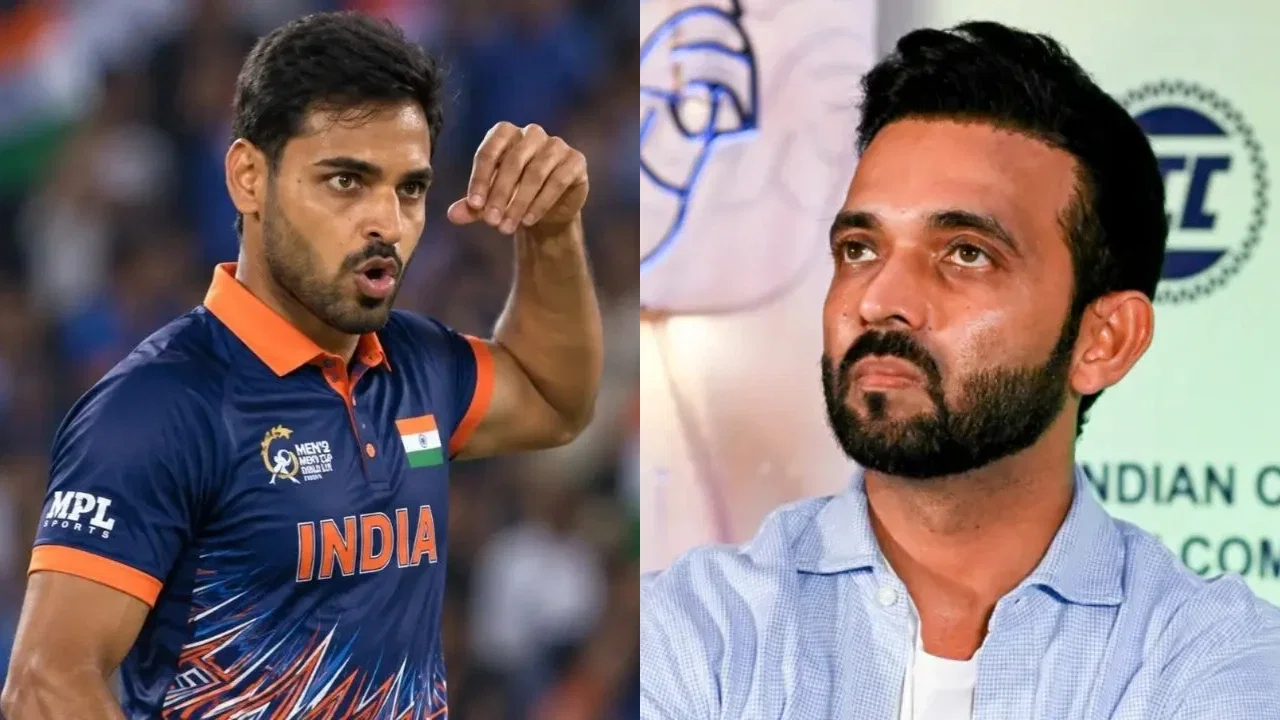
Is Bhuvneshwar Kumar in India’s 2027 World Cup plans? Ajinkya Rahane makes revelation
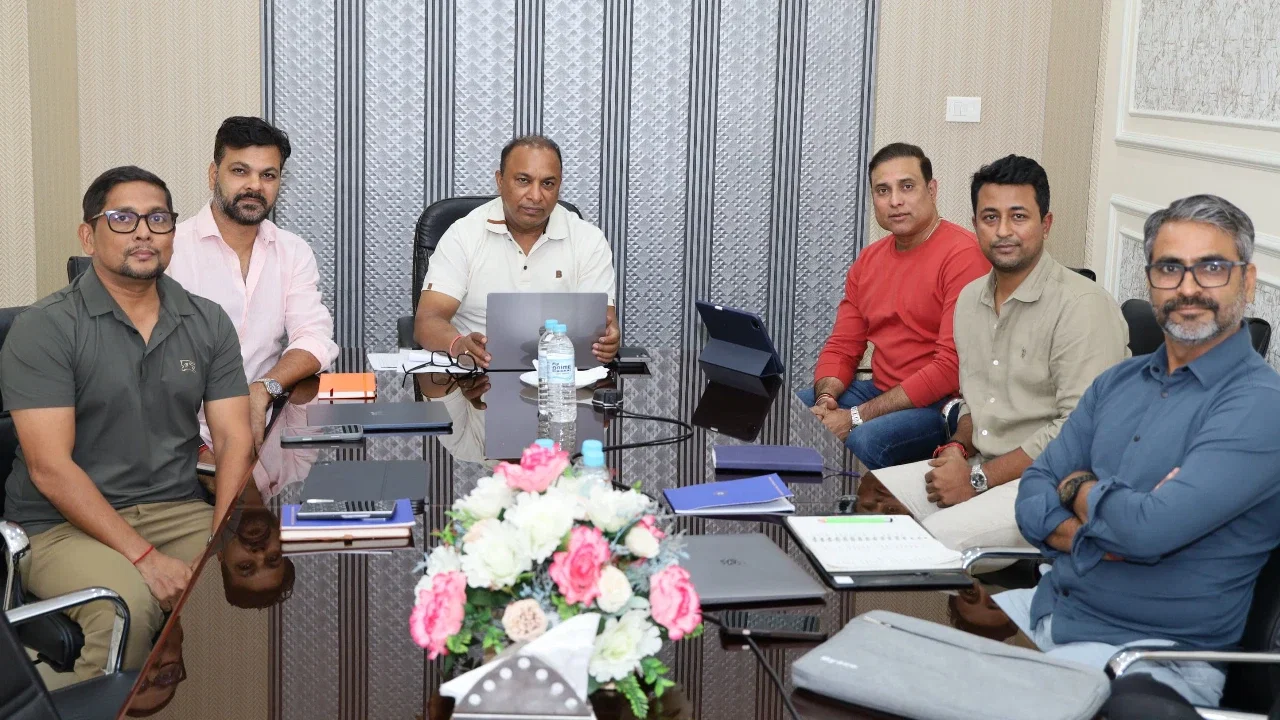
BCCI’s big ₹127 Crore move after injury crisis raises concerns over Team India
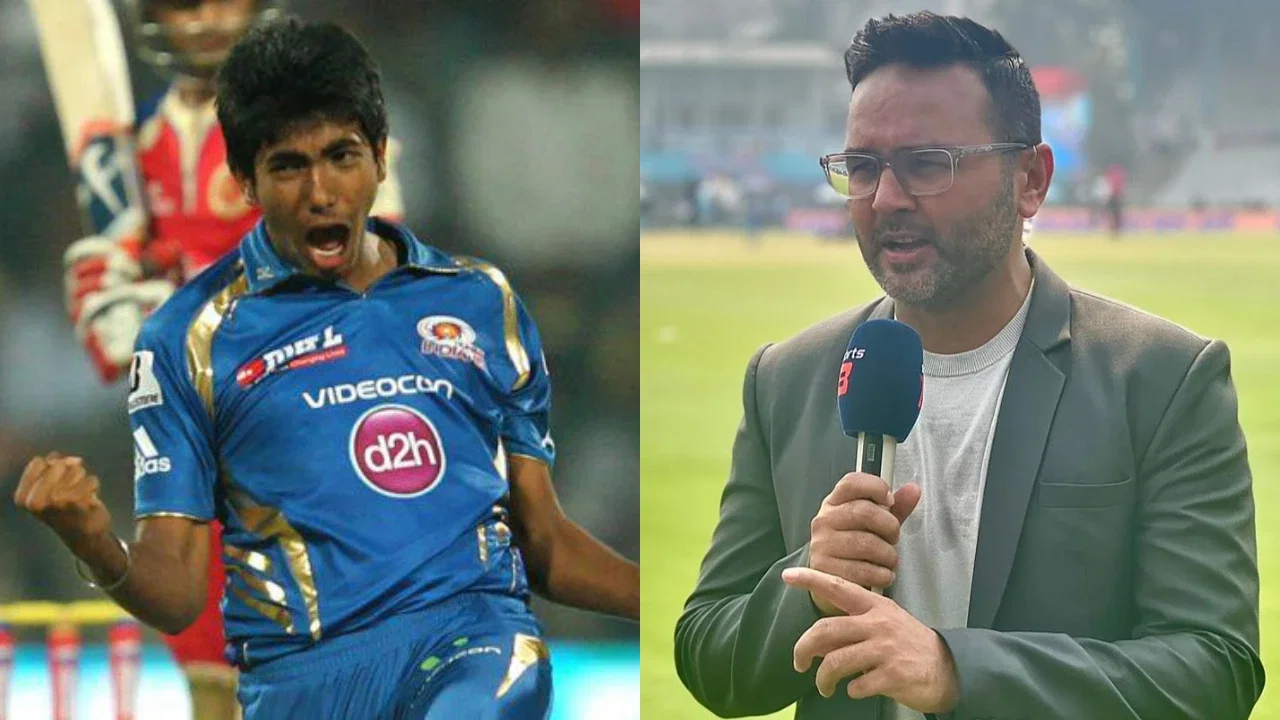
Parthiv Patel reveals RCB ignored his Jasprit Bumrah recommendation in IPL 2014 Auction
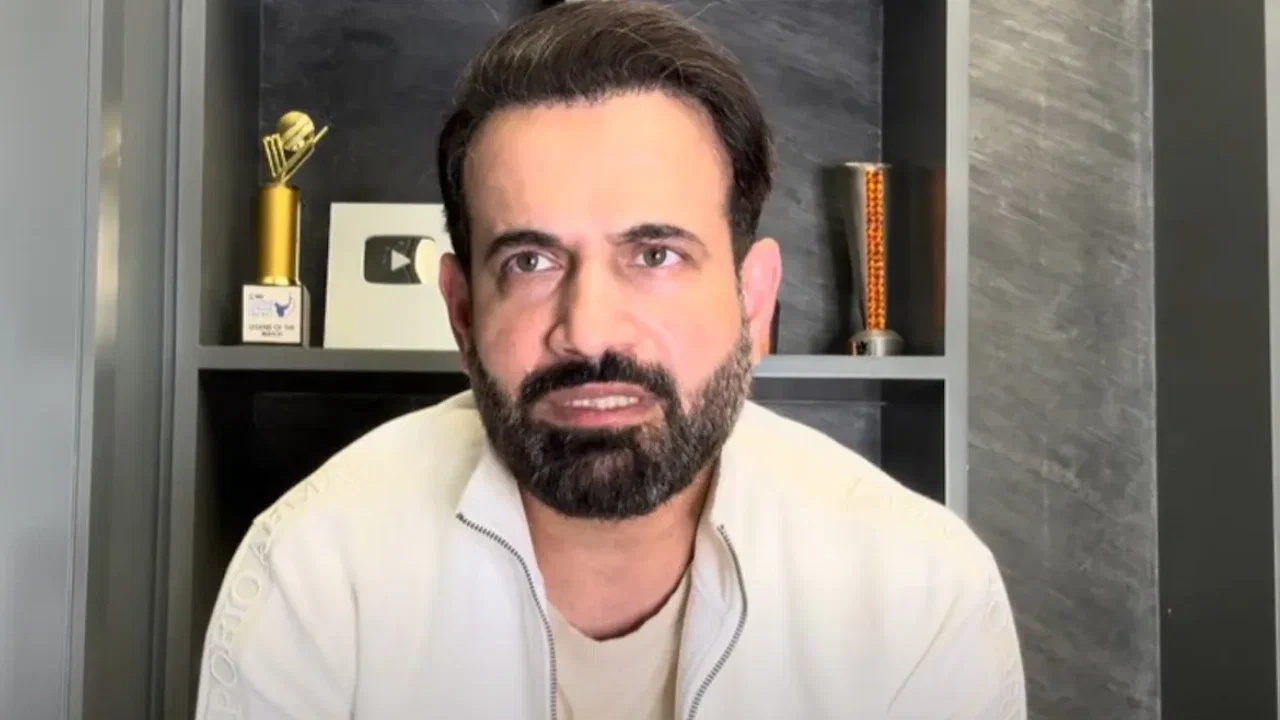
“Never spoke ill of any faith”: Irfan Pathan hits back at fake news using his name
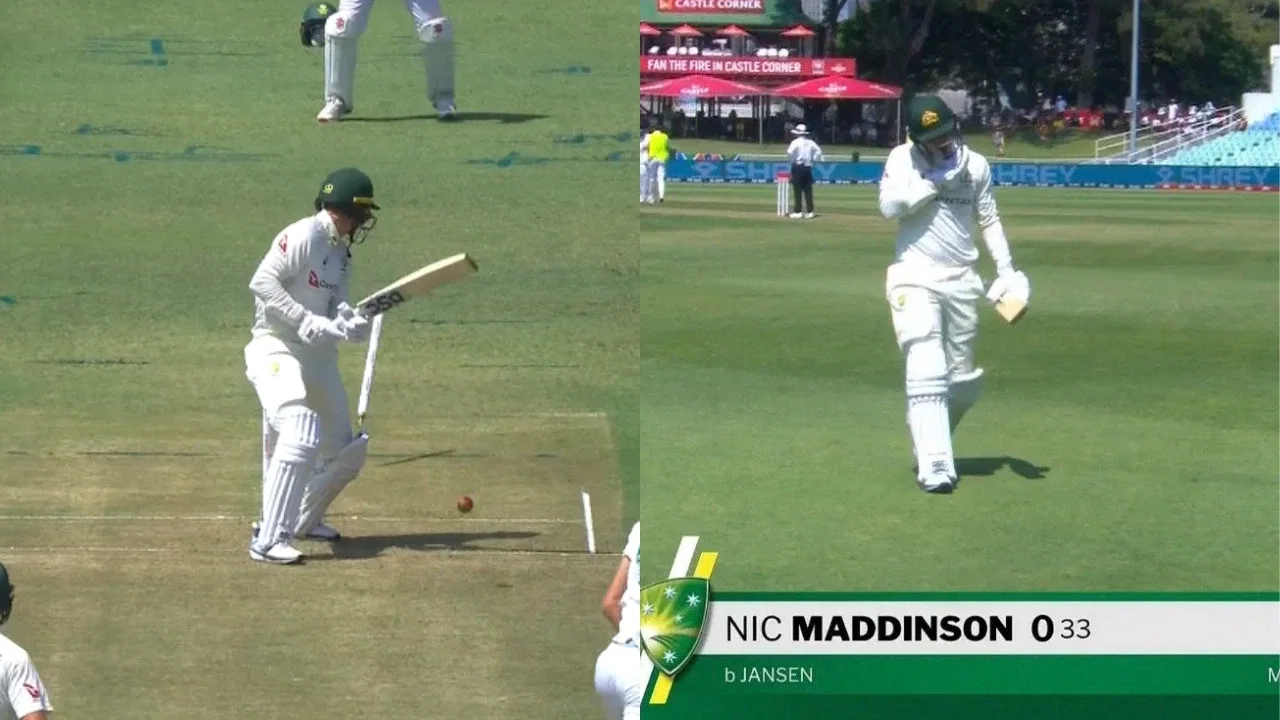
Nic Maddinson bags 33-ball duck on Test comeback, disappoints George Bailey

Imran Tahir predicts 2027 ICC ODI World Cup Semi-Finalists, snubs India for title
Australia create unwanted history with first all-30-plus Test XI
Ravindra Jadeja returns to Ranji Trophy as Saurashtra announce squad