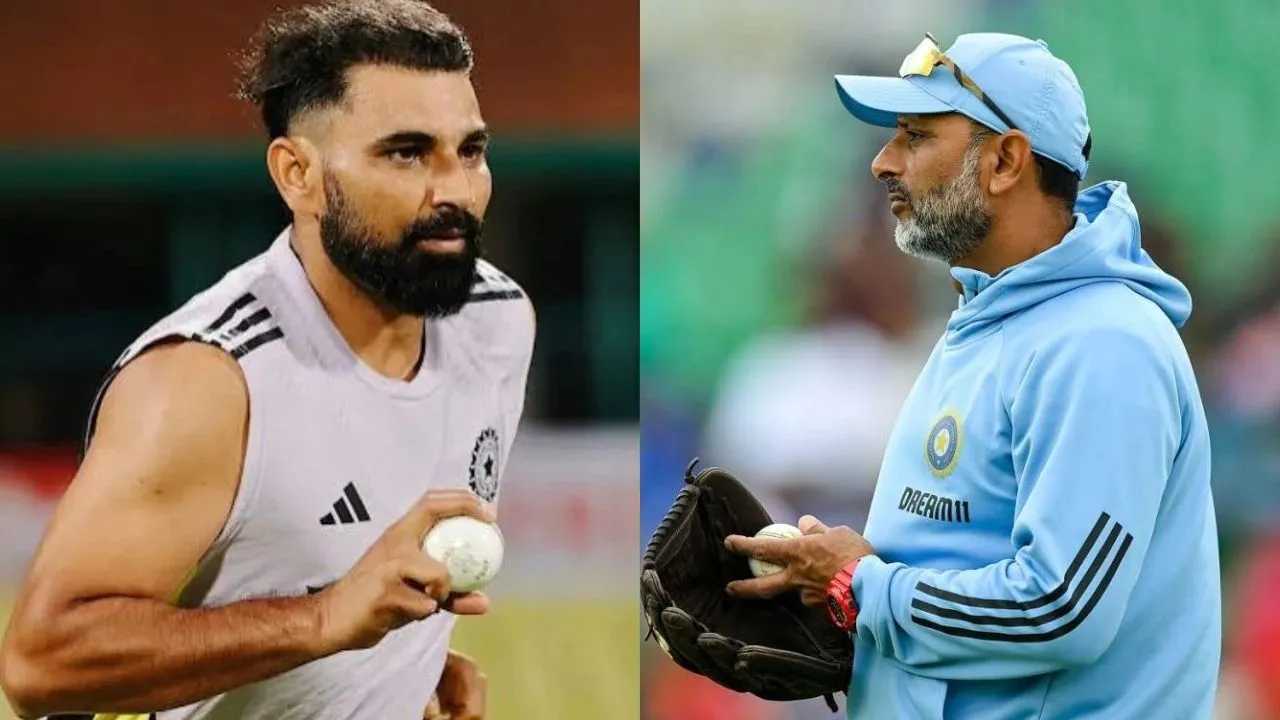
Saba Karim questions Team India’s coaching staff, urges BCCI to act after back-to-back T20I series defeats
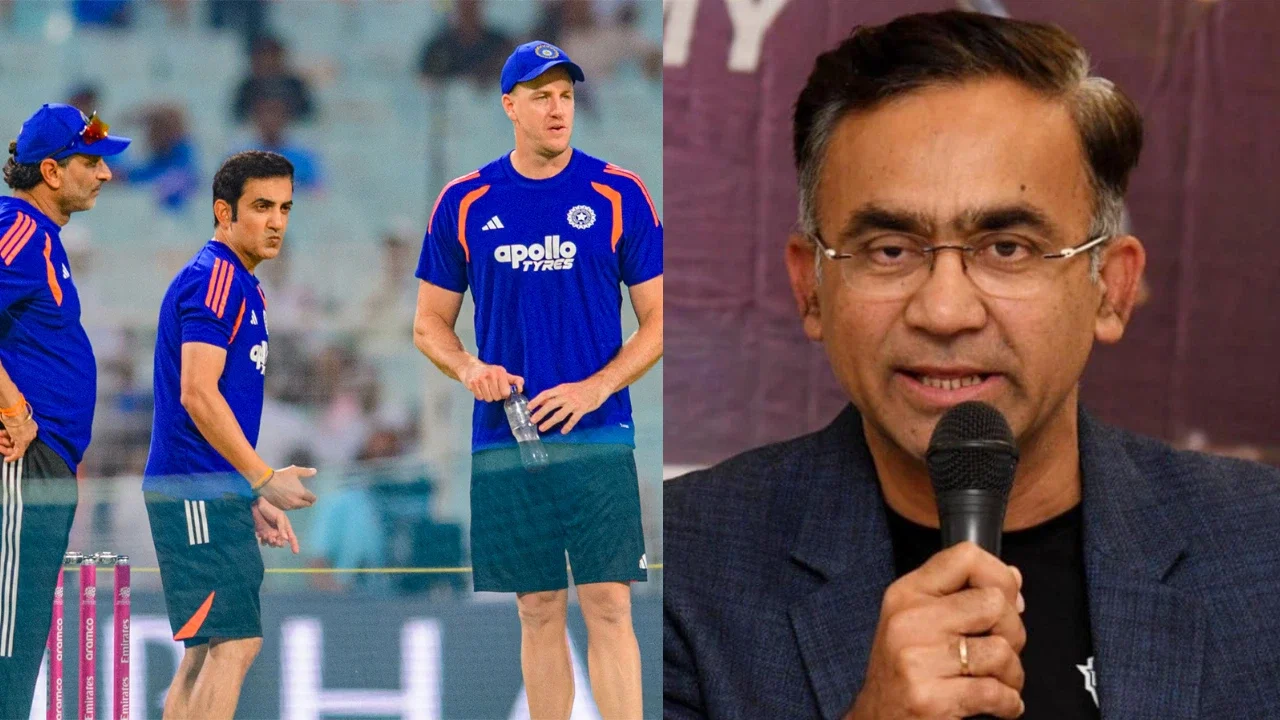
**Former Selector Saba Karim Calls for BCCI Review Following India’s T20I Failures**
**Former Indian selector Saba Karim has urged the Board of Control for Cricket in India (BCCI) to conduct a thorough review of the team management’s role following India’s recent dismal performance in T20I series against Ireland and England.**
India’s T20I tour of the UK turned out to be a nightmare as they suffered defeats in both the series. The team first faced a 2-0 loss in a two-match T20I series against Ireland before heading to England, where they were handed a heavy defeat in the five-match T20I series, losing 4-0. This marked a poor start for new captain Shreyas Iyer, who failed to secure a single victory.
**Questioning the Team Management’s Decisions**
Former selector Kris Srikkanth raised concerns over a statement made by Vaibhav Sooryavanshi, prompting Saba Karim to call for a comprehensive review of the team’s performance. Karim emphasized the importance of holding not just players but also the coaching staff accountable for the disappointing results.
Karim stated, “After such a disastrous series, no one can escape responsibility, including the support staff, head coach Gautam Gambhir, as well as the captain and vice-captain. It is crucial to assess the roles and responsibilities of everyone involved in decision-making processes.”
**Support for Shreyas Iyer Amid Turmoil**
Despite questioning the leadership of the team, Karim expressed his support for captain Shreyas Iyer, suggesting that the selectors should continue to back him rather than making abrupt changes. He highlighted the need for Iyer to assert himself in terms of planning, resources, and vision to lead the team effectively.
Karim commented, “I believe in investing in a captain like Shreyas Iyer and providing continuous support. It is crucial for Iyer to take charge and guide the team with the right resources under his leadership.”
**Emphasizing the Importance of Self-Analysis**
Karim stressed the significance of conducting an honest review to identify the shortcomings that led to India’s poor performance in the T20I series. He emphasized the need for players, selectors, coaches, and support staff to analyze their mistakes and rectify the weaknesses to improve in future matches.
The former selector highlighted the role of the head coach in motivating players to perform at their best and suggested that the BCCI must investigate the reasons behind the team’s struggles during the review process.
Karim concluded by stating, “It is crucial for the team to acknowledge their mistakes, address the weaknesses, and engage in honest self-analysis to bounce back stronger after a disappointing tour.”
**In conclusion, Saba Karim’s call for a thorough BCCI review following India’s T20I failures highlights the importance of accountability, support for the captain, and honest self-analysis to improve the team’s performance in future matches.**
Identifying Areas for Improvement in India’s T20I Performance
One key aspect that the BCCI review should focus on is the team’s batting performance during the T20I series. India’s top-order batsmen struggled to provide solid starts, resulting in early wickets and putting pressure on the middle order. The inability to build partnerships and accelerate the scoring rate in the death overs was a significant factor in the team’s defeats.
Another critical area for evaluation is the team’s bowling strategy. India’s bowlers failed to contain the opposition’s batting line-up, conceding runs at crucial moments and lacking penetration to take wickets. The absence of effective variations, especially in the death overs, exposed a lack of depth in the bowling attack, which was exploited by Ireland and England.
Moreover, the fielding standards of the Indian team came under scrutiny during the T20I series. Dropped catches, misfields, and lapses in concentration cost the team crucial moments in the matches. Improving fielding techniques, communication, and overall agility will be essential for India to perform better in future games.
Implementing Changes in Team Strategy and Selection
In response to the review findings, the BCCI may need to consider making changes to the team’s strategy and selection policies. The selection of players based on current form, fitness, and adaptability to different conditions will be crucial in building a competitive T20I squad.
Additionally, the team management, led by head coach Gautam Gambhir, will need to reassess their tactics, communication with players, and overall game plan. Utilizing data analytics, match simulations, and performance metrics can help in identifying areas for tactical improvement and strategic adjustments.
Empowering captain Shreyas Iyer to take more ownership of the team’s decisions, including field placements, bowling changes, and batting orders, will be vital in enhancing the team’s on-field performance. Providing Iyer with the necessary support and resources to lead effectively will be key in shaping India’s approach to T20Is.
Fostering a Culture of Continuous Improvement
Saba Karim’s emphasis on self-analysis and honest evaluation underscores the importance of fostering a culture of continuous improvement within the Indian cricket team. Learning from mistakes, adapting to changing conditions, and maintaining a growth mindset will be essential for the team to bounce back from setbacks and achieve success in upcoming series.
Encouraging open communication, constructive feedback, and a collaborative approach among players, coaching staff, and selectors will be instrumental in building a cohesive unit that strives for excellence in every aspect of the game. Embracing innovation, experimentation, and a willingness to embrace new ideas can help India stay ahead in the rapidly evolving landscape of T20 cricket.
Conclusion
In conclusion, the BCCI’s review following India’s T20I failures presents an opportunity for the team to reflect, learn, and adapt in order to improve their performance in future matches. By addressing key areas for improvement, implementing strategic changes, and fostering a culture of continuous improvement, India can elevate their T20I game and compete at the highest level on the international stage. Saba Karim’s call for accountability, support, and self-analysis serves as a reminder of the dedication and resilience required to succeed in the competitive world of cricket.
Latest News
Top 10 highest run-chases in T20 cricket history, ft. West Indies’ Ranchi win vs India
Aaryavir Sehwag and Anvay Dravid set to make headlines at U19 Asia Cup 2026
Longest ducks in Test cricket history ft. Nic Maddinson, Shoaib Akhtar
ECB to offer 39 central contracts to England players after Ben Stokes, Mark Wood’s retirement
Steve Smith surpasses Steve Waugh in all-time Test run-scorers’ list

Shane Watson identifies Gautam Gambhir’s biggest problem as India struggle for consistency
Is Bhuvneshwar Kumar in India’s 2027 World Cup plans? Ajinkya Rahane makes revelation
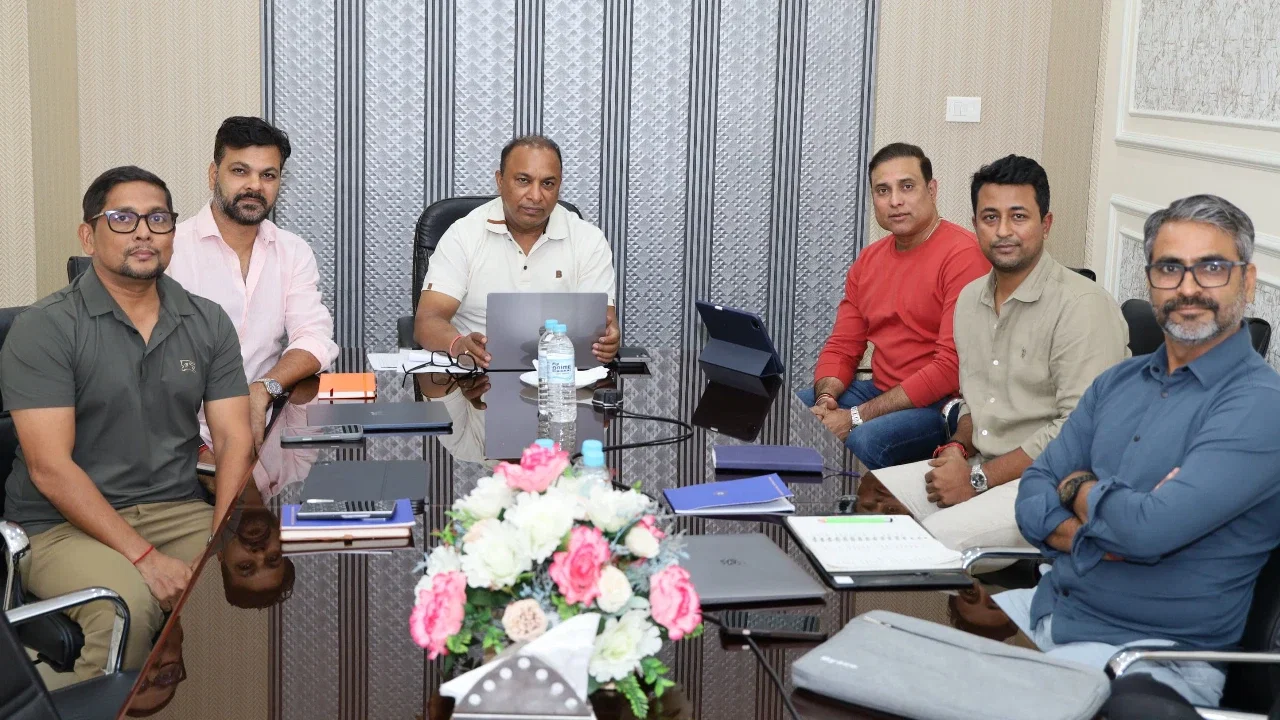
BCCI’s big ₹127 Crore move after injury crisis raises concerns over Team India

Parthiv Patel reveals RCB ignored his Jasprit Bumrah recommendation in IPL 2014 Auction
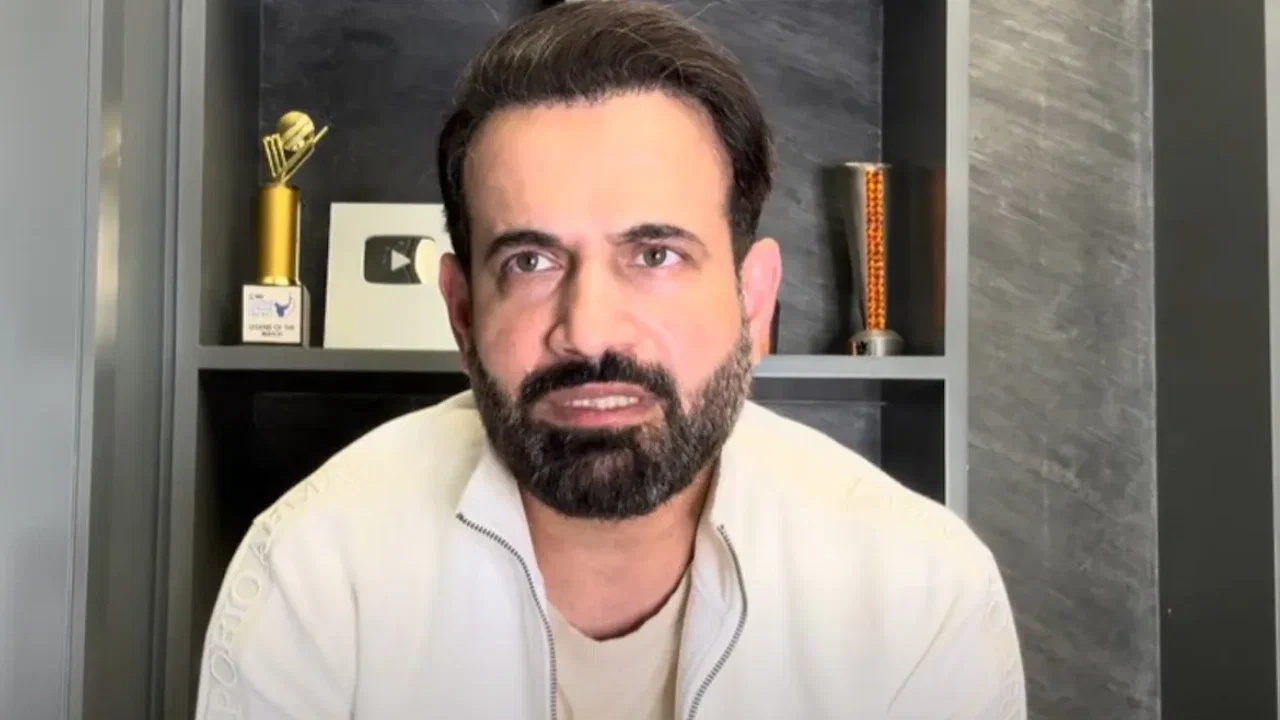
“Never spoke ill of any faith”: Irfan Pathan hits back at fake news using his name
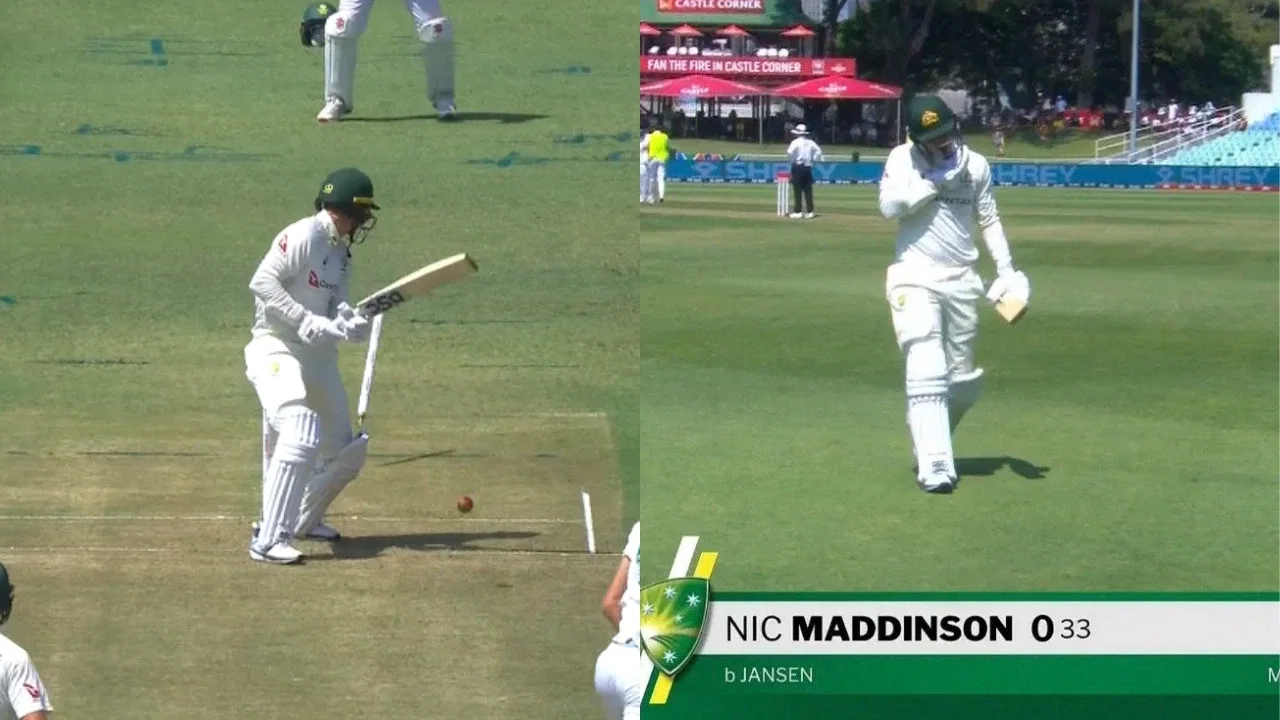
Nic Maddinson bags 33-ball duck on Test comeback, disappoints George Bailey
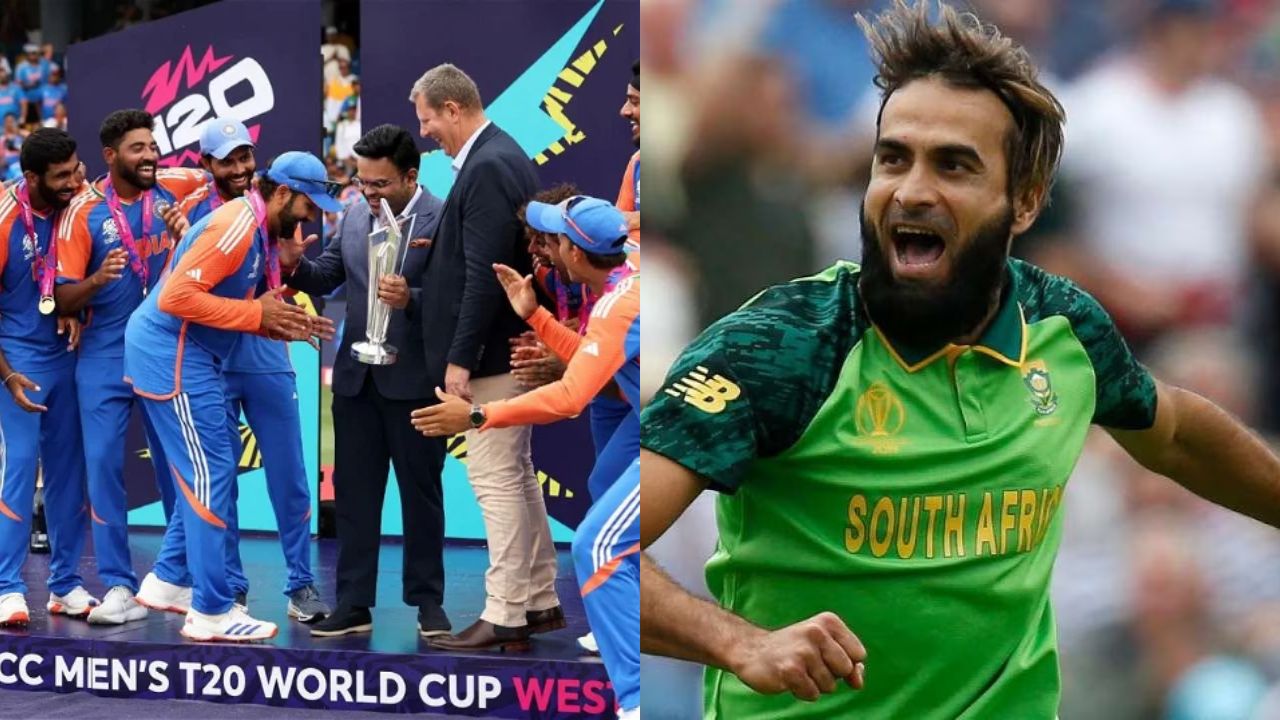
Imran Tahir predicts 2027 ICC ODI World Cup Semi-Finalists, snubs India for title
Australia create unwanted history with first all-30-plus Test XI
Ravindra Jadeja returns to Ranji Trophy as Saurashtra announce squad