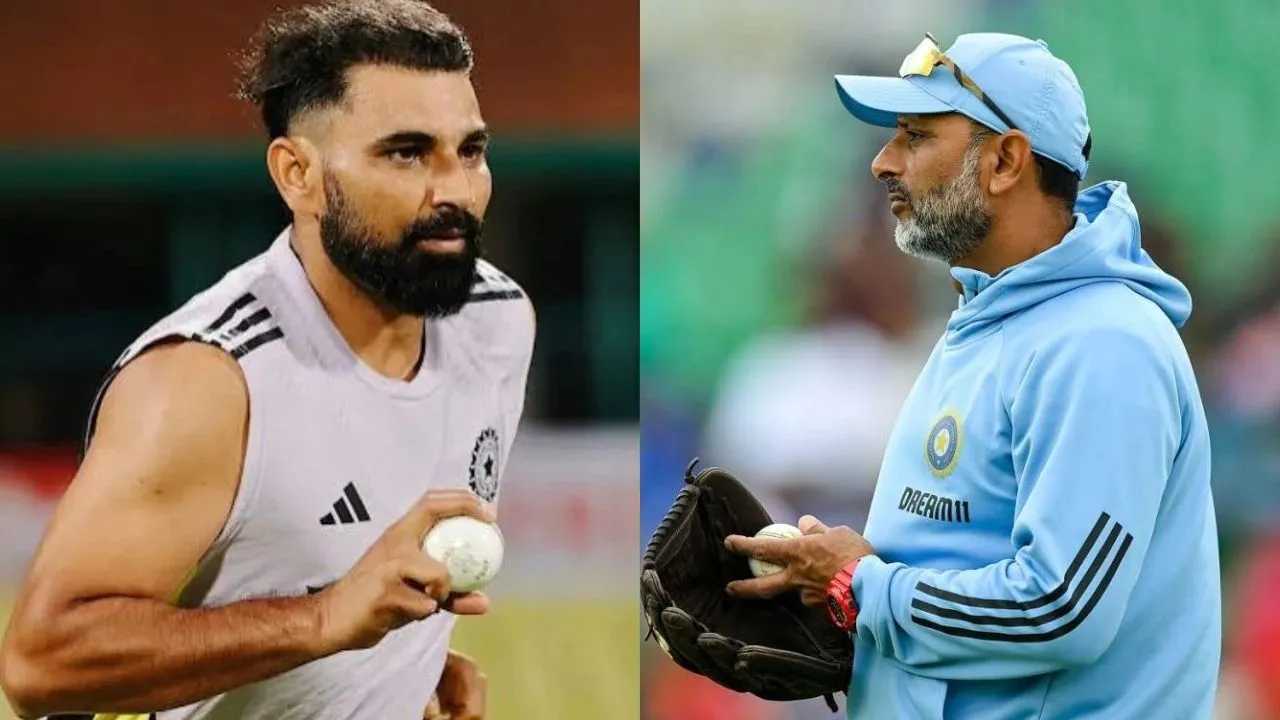
Sadagoppan Ramesh urges CSK to avoid Hardik Pandya trade ahead of IPL 2027
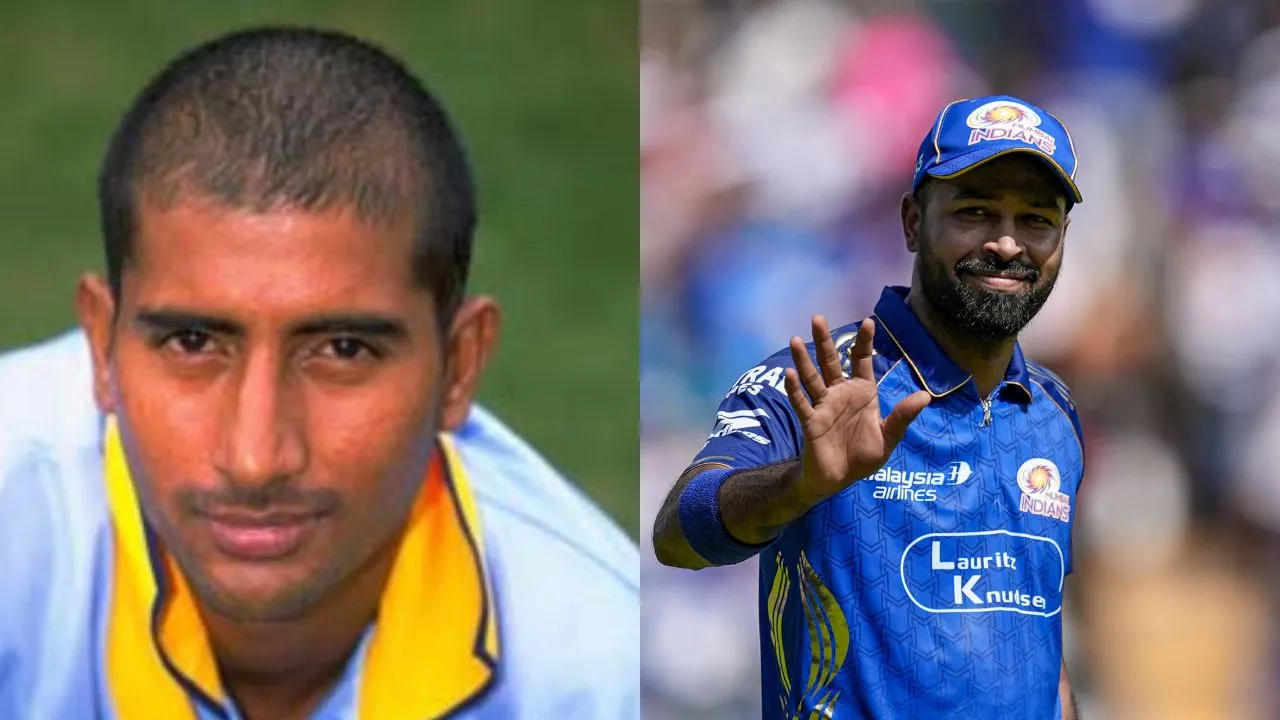
**Sadagoppan Ramesh Critiques Hardik Pandya’s Potential Move in IPL 2027**
Former Indian cricketer Sadagoppan Ramesh recently shared his insights on the ongoing trade speculations surrounding Hardik Pandya as the TATA Indian Premier League (IPL) 2027 approaches. Pandya, who had a lackluster season with the Mumbai Indians in the previous edition, is rumored to be on the move to a different franchise for the upcoming season. Various teams have reportedly shown interest in acquiring Pandya’s services, sparking discussions among fans and experts alike.
**Unpacking Sadagoppan Ramesh’s Analysis**
Ramesh, in a recent video on his YouTube channel, expressed his reservations about the potential trade deal that could see Pandya joining the Chennai Super Kings (CSK). Despite acknowledging Pandya’s track record as a reliable all-rounder, Ramesh cautioned against sacrificing young talent to acquire the seasoned player. He emphasized the importance of nurturing emerging players while also acknowledging the need for experienced performers in the squad.
**The Hardik Pandya Conundrum**
According to Ramesh, the dilemma lies in balancing the team’s requirement for proven players with the imperative of retaining promising young talent. While Pandya’s skills on the field are undeniable, Ramesh criticized Pandya’s leadership capabilities, particularly citing his underwhelming performance as captain during his stint with the Mumbai Indians.
**Hardik Pandya’s Captaincy Woes**
Reflecting on Pandya’s tenure as captain of the Mumbai Indians, Ramesh highlighted the team’s struggles and poor results during that period. Despite Pandya’s individual prowess as a cricketer, Ramesh pointed out that his performance as captain did not translate into success for the team. Ramesh noted that Pandya’s leadership style seemed to lack the strategic acumen and impact needed to guide the team to victory.
**The Gujarat Titans Success Story**
Ramesh drew a comparison between Pandya’s leadership at Mumbai Indians and his successful stint with the Gujarat Titans. He attributed the Gujarat Titans’ triumph in the IPL to the guidance of coach Ashish Nehra, suggesting that Pandya’s success was closely tied to the support and mentorship he received in that environment.
**Looking Ahead to IPL 2027**
As the trade talks continue and teams weigh their options for the upcoming season, Ramesh’s analysis serves as a reminder of the complexities involved in building a successful IPL franchise. While the allure of acquiring established players like Pandya is strong, Ramesh’s cautionary words underscore the importance of long-term planning and strategic decision-making in team management.
In conclusion, the debate surrounding Hardik Pandya’s potential move in IPL 2027 raises pertinent questions about team dynamics, leadership, and the balance between experience and youth in a squad. As fans eagerly await the official announcements regarding player transfers, Ramesh’s insights provide valuable food for thought for cricket enthusiasts and team strategists alike.
**Navigating the Balance Between Experience and Youth in Team Building**
One of the key takeaways from Sadagoppan Ramesh’s analysis is the delicate balance that teams must strike when assembling their squads for the IPL. While seasoned players like Hardik Pandya bring a wealth of experience and skill to the table, nurturing and developing young talent is equally crucial for the long-term success of a team. Ramesh’s emphasis on avoiding the sacrifice of emerging players in pursuit of established stars highlights the importance of continuity and growth within a team.
**The Evolution of Leadership in Cricket**
Ramesh’s critique of Hardik Pandya’s leadership abilities sheds light on the evolving role of captains in modern cricket. While individual brilliance on the field is essential, effective leadership requires a unique set of skills, including strategic thinking, communication, and the ability to inspire and motivate teammates. The contrast between Pandya’s captaincy at Mumbai Indians and his success under Ashish Nehra’s mentorship at the Gujarat Titans underscores the impact of coaching and mentorship on a player’s development as a leader.
**The Role of Coach-Captain Dynamics in Team Success**
The comparison between Pandya’s performances under different coaching setups raises the question of the importance of coach-captain dynamics in team success. A strong partnership between the coach and captain can enhance communication, strategic planning, and overall team morale. Ramesh’s analysis suggests that the right combination of leadership and mentorship can lead to a winning formula for a team, as seen in Pandya’s successful collaboration with Ashish Nehra.
**Strategic Decision-Making in Team Management**
As teams gear up for IPL 2027, Ramesh’s insights serve as a valuable reminder of the strategic decision-making process involved in team management. While the excitement of player transfers and acquisitions may dominate headlines, the long-term vision and planning behind these moves are equally crucial. Balancing the immediate impact of experienced players with the potential of young talent requires foresight, strategic thinking, and a keen understanding of team dynamics.
**The Impact of Team Culture on Performance**
Ramesh’s analysis also touches upon the significance of team culture in shaping player performance and success. The environment created by coaches, senior players, and support staff can influence a player’s development, confidence, and overall contribution to the team. By recognizing the role of team culture in fostering growth and success, teams can create a cohesive and supportive atmosphere that maximizes each player’s potential.
**Final Thoughts on Hardik Pandya’s Potential Move**
As the speculation around Hardik Pandya’s potential move in IPL 2027 continues, Ramesh’s critique offers a nuanced perspective on the complexities of team building and leadership in professional cricket. While the allure of star players like Pandya is undeniable, Ramesh’s cautionary words encourage teams to consider the broader implications of their roster decisions. By striking a balance between experience and youth, nurturing leadership potential, and fostering a positive team culture, franchises can position themselves for sustained success in the competitive landscape of the IPL.
Latest News

Top 10 highest run-chases in T20 cricket history, ft. West Indies’ Ranchi win vs India

Aaryavir Sehwag and Anvay Dravid set to make headlines at U19 Asia Cup 2026

Longest ducks in Test cricket history ft. Nic Maddinson, Shoaib Akhtar

ECB to offer 39 central contracts to England players after Ben Stokes, Mark Wood’s retirement

Steve Smith surpasses Steve Waugh in all-time Test run-scorers’ list

Shane Watson identifies Gautam Gambhir’s biggest problem as India struggle for consistency
Is Bhuvneshwar Kumar in India’s 2027 World Cup plans? Ajinkya Rahane makes revelation
BCCI’s big ₹127 Crore move after injury crisis raises concerns over Team India
Parthiv Patel reveals RCB ignored his Jasprit Bumrah recommendation in IPL 2014 Auction
“Never spoke ill of any faith”: Irfan Pathan hits back at fake news using his name
Nic Maddinson bags 33-ball duck on Test comeback, disappoints George Bailey
Imran Tahir predicts 2027 ICC ODI World Cup Semi-Finalists, snubs India for title
Australia create unwanted history with first all-30-plus Test XI
Ravindra Jadeja returns to Ranji Trophy as Saurashtra announce squad