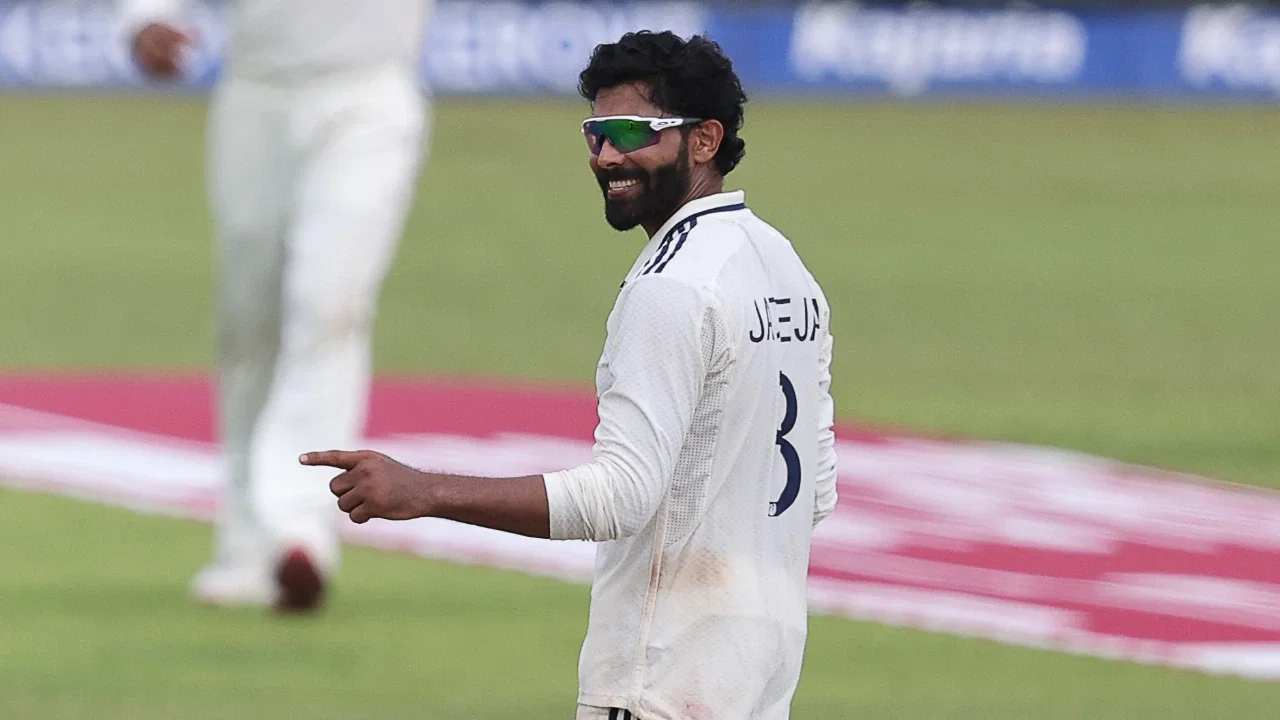
Salman Agha stoops low!! Uses Asia Cup match fees for anti-India propaganda, provokes with Operation Sindoor reference
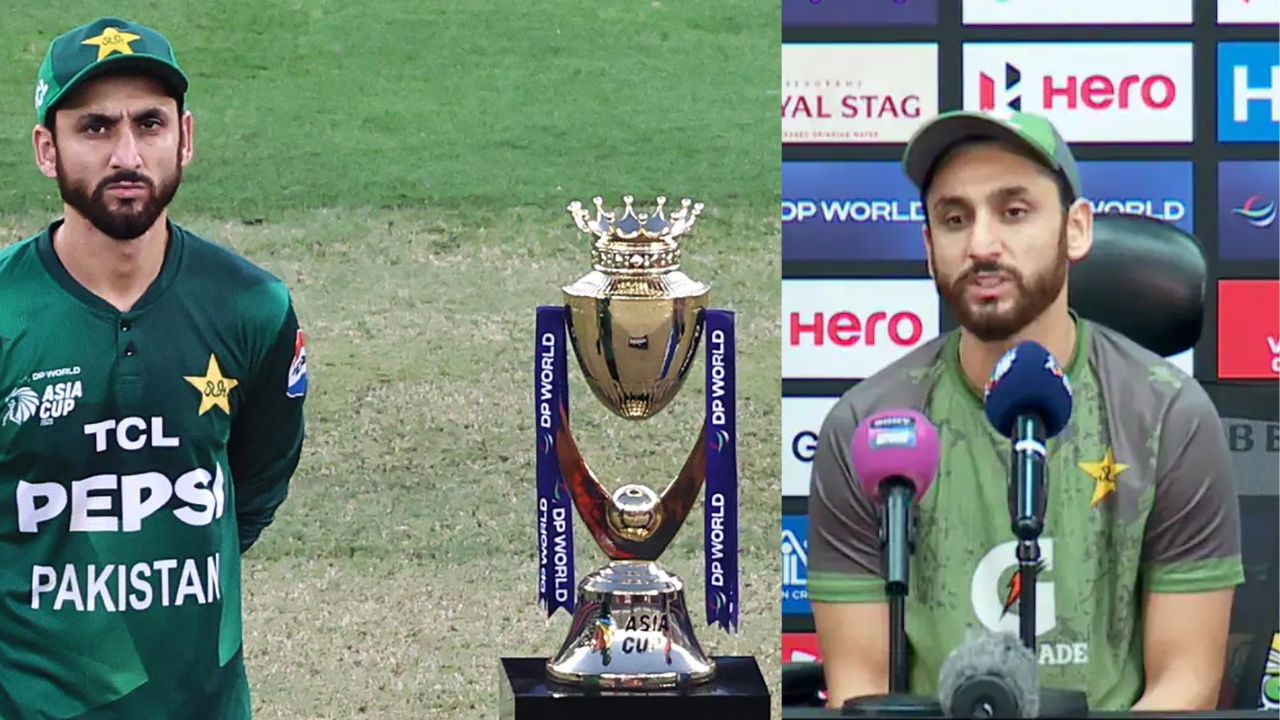
Pakistani Skipper Salman Agha’s Gesture of Humanity: Donates Match Fees to Civilians Affected by Indian Attack
In a post-match press conference following India’s victory over Pakistan in the Asia Cup final, Pakistani skipper Salman Agha made a heartfelt announcement that the Pakistani players would be donating their match fees to civilians and children affected by the Indian attack on their territory. This gesture of compassion and solidarity towards those impacted by the conflict showcases the human side of sportsmanship and transcends the boundaries of the game.
A Humiliating End to Pakistan’s Campaign
The defeat in the Asia Cup final marked the third loss for the Pakistan team against their arch-rivals, India. The Suryakumar Yadav-led side outperformed Pakistan in every aspect of the game, displaying dominance on the field. Despite the controversies and tensions surrounding the match, Salman Agha’s decision to donate the match fees reflects a spirit of generosity and empathy towards those affected by the conflict.
Salman Agha Criticizes Indian Cricketers
During his interaction with the media, Salman Agha expressed his disappointment in the behavior of the Indian cricketers, accusing them of disrespecting not just Pakistan but the spirit of cricket itself. He highlighted instances of perceived disrespect, such as the refusal to shake hands, skipping the customary photoshoot, and the refusal to accept the trophy.
Salman Agha emphasized that the actions of the Indian team set a negative example for future generations of cricketers and questioned their sportsmanship. Despite the tense atmosphere surrounding the match, Agha’s focus on the humanitarian aspect of the situation by pledging the match fees for the welfare of those affected by the conflict is a commendable gesture that transcends the boundaries of the game.
Clarity on India’s Trophy Refusal
Following the confusion among fans regarding the Indian team’s refusal to accept the Asia Cup Trophy despite their victory, BCCI secretary Devajit Saikia clarified the situation. The Indian team declined to receive the trophy from ACC Chief Mohsin Naqvi due to his dual role as the PCB chief and an internal minister in the Pakistan government.
Despite the absence of physical silverware, the Indian team celebrated their victory with joy and pride, showcasing their sportsmanship and focus on the game rather than the material rewards. The refusal to accept the trophy was a statement of their commitment to fair play and integrity in the sport, regardless of external circumstances.
In conclusion, Salman Agha’s decision to donate the match fees to those affected by the conflict, combined with India’s display of sportsmanship in the face of controversy, highlights the essence of cricket as a game that unites people across borders and cultures, transcending rivalry and politics.
Impact of Salman Agha’s Gesture
Salman Agha’s decision to donate the match fees to civilians affected by the Indian attack goes beyond the realm of cricket and sportsmanship. It sheds light on the power of sports to bring about positive change in society. By choosing to allocate their earnings towards humanitarian aid, the Pakistani players are using their platform and influence to support those in need during challenging times.
This act of generosity not only demonstrates empathy towards the victims of the conflict but also sets an example for athletes worldwide to consider the broader impact of their actions. It showcases how athletes can leverage their positions to make a difference and contribute to the well-being of their communities, transcending the boundaries of the game and standing in solidarity with those facing adversity.
Broader Implications of India-Pakistan Cricket Rivalry
The intense rivalry between India and Pakistan in cricket is deeply rooted in historical, political, and cultural factors. Matches between the two nations evoke strong emotions and garner widespread attention from fans around the world. While the competition on the field is fierce, moments like Salman Agha’s gesture highlight the humanity that exists beyond the rivalry.
Despite the tensions and animosities that often characterize India-Pakistan cricket encounters, acts of compassion and solidarity, such as the donation of match fees, serve as reminders of the shared humanity that transcends borders and conflicts. They emphasize the importance of empathy, understanding, and unity in times of crisis, showcasing the potential for sports to bridge divides and promote harmony.
The Role of Sportsmanship in Cricket
Cricket, often referred to as a gentleman’s game, places a significant emphasis on sportsmanship, fair play, and respect for the opposition. Acts of goodwill and gestures of kindness, like Salman Agha’s donation and India’s sportsmanship in victory, embody the values that lie at the core of the sport. They reflect a commitment to upholding the spirit of cricket beyond the boundaries of the field.
By prioritizing humanity and compassion in the face of adversity, athletes and teams uphold the principles of sportsmanship that transcend individual rivalries and nationalistic fervor. These displays of integrity and empathy not only enhance the reputation of the players and teams involved but also inspire a sense of unity and camaraderie among fans and spectators worldwide.
Looking Towards the Future
As cricket continues to serve as a platform for cultural exchange, competition, and camaraderie, moments like Salman Agha’s gesture and India’s display of sportsmanship offer hope for a future where sports can be a catalyst for positive change and mutual understanding. By prioritizing humanitarian concerns and embodying the values of respect and compassion, athletes have the potential to influence societal attitudes and promote a spirit of unity and solidarity.
Ultimately, the actions of individuals like Salman Agha and teams like India exemplify the transformative power of sports in fostering connections, breaking down barriers, and promoting a sense of shared humanity that transcends the constraints of nationality, rivalry, and conflict.
Latest News

New Zealand suffer blow as William O’Rourke misses India ODIs and Tests
Top 10 highest run-chases in T20 cricket history, ft. West Indies’ Ranchi win vs India
Aaryavir Sehwag and Anvay Dravid set to make headlines at U19 Asia Cup 2026

Longest ducks in Test cricket history ft. Nic Maddinson, Shoaib Akhtar

ECB to offer 39 central contracts to England players after Ben Stokes, Mark Wood’s retirement
Steve Smith surpasses Steve Waugh in all-time Test run-scorers’ list

Shane Watson identifies Gautam Gambhir’s biggest problem as India struggle for consistency
Is Bhuvneshwar Kumar in India’s 2027 World Cup plans? Ajinkya Rahane makes revelation

BCCI’s big ₹127 Crore move after injury crisis raises concerns over Team India

Parthiv Patel reveals RCB ignored his Jasprit Bumrah recommendation in IPL 2014 Auction
“Never spoke ill of any faith”: Irfan Pathan hits back at fake news using his name
Nic Maddinson bags 33-ball duck on Test comeback, disappoints George Bailey

Imran Tahir predicts 2027 ICC ODI World Cup Semi-Finalists, snubs India for title
Australia create unwanted history with first all-30-plus Test XI