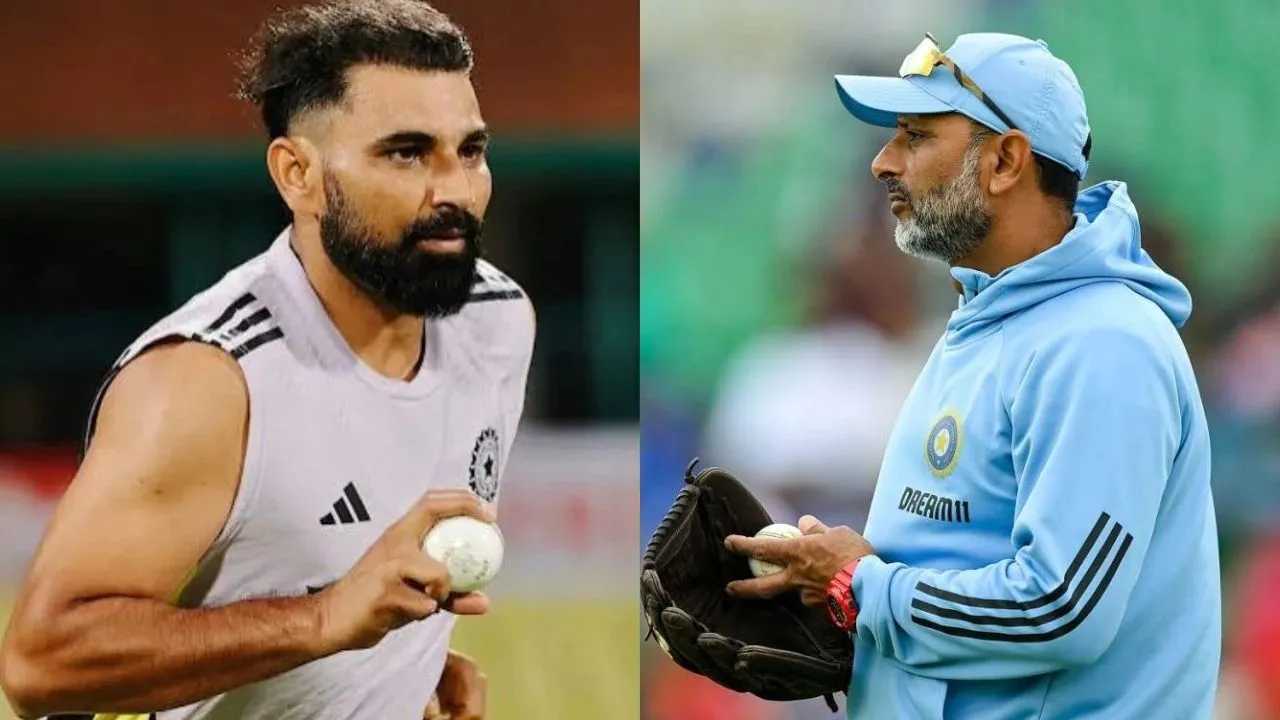
Should Shreyas Iyer have retired out vs RR? Ex-Mumbai Indians captain drops a stunning verdict
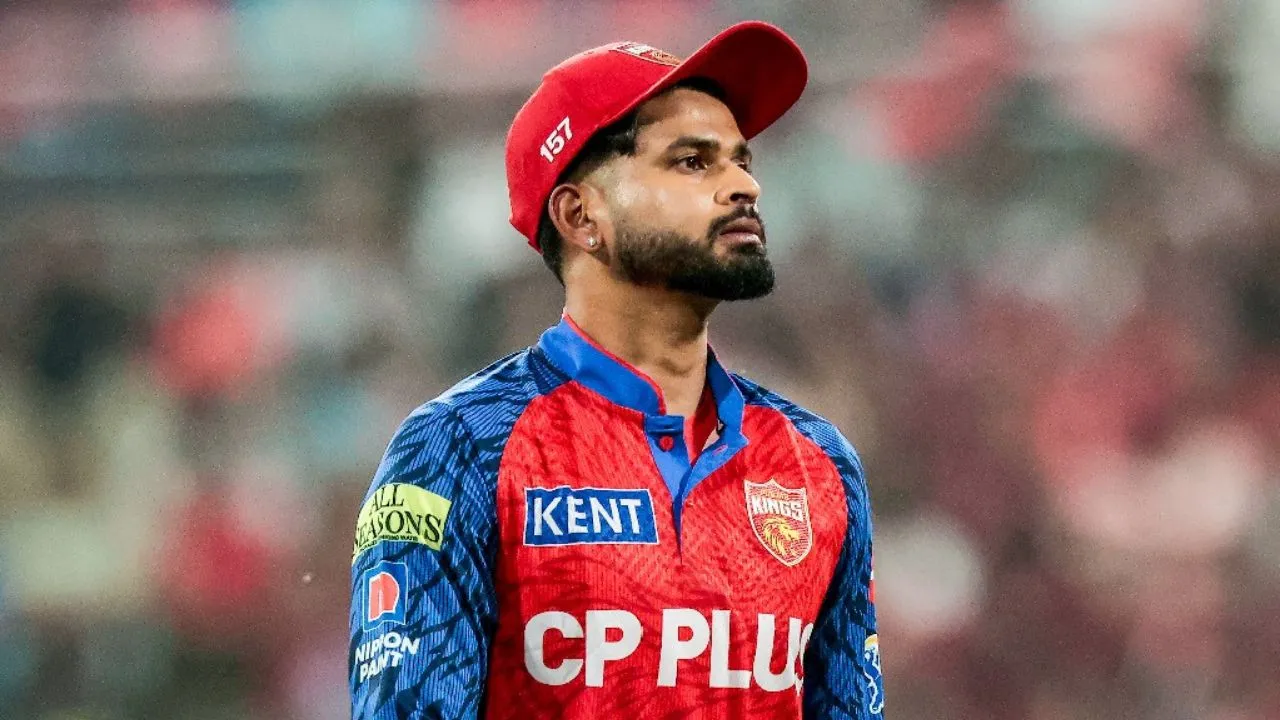
Shaun Pollock Weighs in on Shreyas Iyer’s Slow Knock Against Rajasthan Royals
Former Mumbai Indians captain, Shaun Pollock, recently shared his thoughts on Punjab Kings captain Shreyas Iyer’s slow innings during the IPL 2026 match against Rajasthan Royals. The debate sparked after Iyer scored 30 runs off 27 balls in a losing effort for Punjab Kings.
Pollock’s Verdict on Iyer’s Innings
Speaking with Cricbuzz after the match, Pollock dismissed the idea of Iyer retiring out, emphasizing that such decisions hinge on the form of the players waiting in the dugout. He mentioned that if a player like Marcus Stoinis, who scored an unbeaten 62 off 22 balls in the same match, was yet to bat, then retiring out Iyer could have been considered. However, with no other batsmen in better form waiting to come in, Pollock deemed it a brave call.
Pollock acknowledged Iyer’s intent but noted that his timing was off during the innings. He mentioned that Iyer was swinging hard but couldn’t find the desired connection, leading to a below-par performance. Despite the slow knock, Pollock believes it’s a temporary setback that Iyer will address on his own to avoid falling into a similar trap again.
Harsha Bhogle’s Perspective on Iyer’s Innings
Veteran commentator Harsha Bhogle offered another viewpoint on why Iyer might have opted not to retire out. He suggested that players in good form back themselves to recover even after slow starts, believing they can turn the innings around with a few big hits.
Rajasthan Royals’ Impressive Chase
After Punjab Kings posted a challenging total of 222 runs, Rajasthan Royals responded with aggressive intent during the chase. Vaibhav Sooryavanshi and Yashasvi Jaiswal provided a strong start, with Sooryavanshi smashing 43 runs off 16 balls and Jaiswal contributing 51 off 27 deliveries.
Donovan Ferreira and Ravi Dubey took the Royals closer to victory, with Ferreira’s unbeaten 52 off 26 balls and Dubey’s quickfire 31 off 12 balls guiding Rajasthan to a win with four balls remaining against Punjab Kings.
The match between Punjab Kings and Rajasthan Royals was a high-scoring thriller, featuring standout performances from players on both teams. While Iyer’s slow innings raised questions, Pollock’s insights shed light on the complexities of tactical decisions in cricket, emphasizing the importance of considering various factors before making bold calls.
Strategic Decision-Making in Cricket
Shaun Pollock’s analysis of Shreyas Iyer’s slow innings against Rajasthan Royals highlights the strategic intricacies involved in decision-making during a cricket match. In a high-pressure situation like the IPL, captains and players are constantly faced with tough choices that can impact the outcome of the game.
While some critics may have questioned Iyer’s approach, it is essential to consider the broader context of the game. As Pollock mentioned, the decision to retire out a player depends not only on their individual performance but also on the form of the players waiting in the dugout. In the case of Punjab Kings, with no other batsmen in better touch than Iyer, the decision to persist with him at the crease may have been the most logical one.
Harsha Bhogle’s perspective on players backing themselves to recover from slow starts adds another layer to the discussion. In a game as dynamic as cricket, momentum can shift rapidly, and a player’s confidence in their ability to turn things around can be a decisive factor in their performance.
The Impact of Team Dynamics
One aspect that often gets overlooked in cricket analysis is the impact of team dynamics on individual performances. A player’s role within the team, the chemistry with their teammates, and the overall atmosphere in the dressing room can all influence their on-field decisions and execution.
In the case of Punjab Kings, the team’s collective performance against Rajasthan Royals may have played a role in Iyer’s approach. The pressure of defending a challenging total and the aggressive intent shown by the opposition could have affected Iyer’s mindset and approach at the crease.
Understanding these team dynamics and the psychological aspects of the game can provide valuable insights into players’ behaviors and decision-making processes on the field.
The Evolution of T20 Cricket
The IPL 2026 match between Punjab Kings and Rajasthan Royals showcased the fast-paced, high-scoring nature of T20 cricket. With batsmen looking to score quickly and bowlers under constant pressure, the game has evolved significantly over the years, demanding a blend of skill, strategy, and adaptability from players.
Teams like Rajasthan Royals, with their aggressive batting approach and fearless mindset, exemplify the modern style of T20 cricket, where boundaries flow freely, and run rates escalate rapidly. In this dynamic environment, players like Vaibhav Sooryavanshi and Yashasvi Jaiswal thrived, showcasing their ability to take on the bowlers and keep the scoreboard ticking.
As T20 cricket continues to grow in popularity and prominence, we can expect to see more thrilling contests like the one between Punjab Kings and Rajasthan Royals, where individual brilliance and team strategy converge to create enthralling spectacles for fans around the world.
By delving into the strategic nuances, team dynamics, and evolving nature of T20 cricket, we gain a deeper appreciation for the complexities and excitement that define the sport. The IPL 2026 match between Punjab Kings and Rajasthan Royals serves as a vivid illustration of the unpredictable, exhilarating nature of cricket, where every ball and every decision can shape the outcome of the game.
Latest News
Top 10 highest run-chases in T20 cricket history, ft. West Indies’ Ranchi win vs India
Aaryavir Sehwag and Anvay Dravid set to make headlines at U19 Asia Cup 2026
Longest ducks in Test cricket history ft. Nic Maddinson, Shoaib Akhtar
ECB to offer 39 central contracts to England players after Ben Stokes, Mark Wood’s retirement
Steve Smith surpasses Steve Waugh in all-time Test run-scorers’ list
Shane Watson identifies Gautam Gambhir’s biggest problem as India struggle for consistency
Is Bhuvneshwar Kumar in India’s 2027 World Cup plans? Ajinkya Rahane makes revelation
BCCI’s big ₹127 Crore move after injury crisis raises concerns over Team India
Parthiv Patel reveals RCB ignored his Jasprit Bumrah recommendation in IPL 2014 Auction
“Never spoke ill of any faith”: Irfan Pathan hits back at fake news using his name
Nic Maddinson bags 33-ball duck on Test comeback, disappoints George Bailey
Imran Tahir predicts 2027 ICC ODI World Cup Semi-Finalists, snubs India for title
Australia create unwanted history with first all-30-plus Test XI
Ravindra Jadeja returns to Ranji Trophy as Saurashtra announce squad