“Should’ve kept it in-house”: Clive Lloyd criticises ECB over Ben Stokes’ nightclub controversy
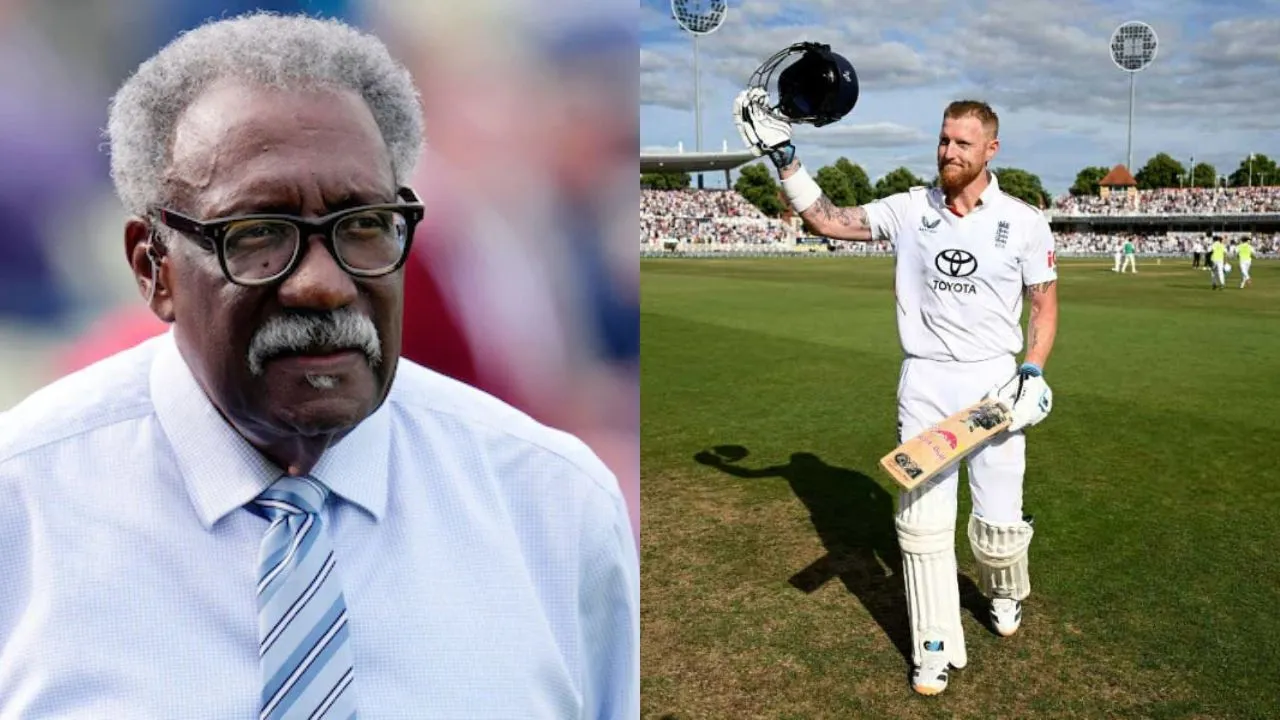
**Former West Indies Captain Sir Clive Lloyd Discusses Ben Stokes Controversy and Future of Cricket**
**In a recent interview with The Telegraph, former World Cup-winning captain for West Indies, Sir Clive Lloyd, shared his thoughts on the Ben Stokes nightclub controversy, the state of West Indies cricket, and the future of the sport.**
**Ben Stokes Controversy:**
During the interview, Sir Clive Lloyd expressed his views on the nightclub controversy involving Ben Stokes and Gus Atkinson. The duo was suspended from the England cricket team for one match after being involved in a physical altercation. Sir Clive Lloyd believed that the England and Wales Cricket Board (ECB) should have handled the situation internally rather than publicly embarrassing Stokes. He suggested that fines and warnings could have been more appropriate measures instead of suspension.
**West Indies Cricket:**
Sir Clive Lloyd also touched upon the challenges faced by West Indies cricket, mentioning that the International Cricket Council (ICC) had provided financial assistance to Cricket West Indies during tough times. Despite a recent victory against Sri Lanka, the West Indies team has struggled in Test matches, winning only one out of their last 10 games. Sir Clive Lloyd expressed concern for the younger players, emphasizing that many senior players opt for franchise cricket over Test matches, leaving the youngsters exposed.
**Diminishing Future of Test Cricket:**
Sir Clive Lloyd emphasized the importance of Test cricket in developing players’ skills and assessing their abilities. He expressed his disappointment in the trend of prioritizing T20 cricket over the traditional format. According to Sir Clive, Test cricket provides a more thorough examination of a player’s capabilities compared to T20, which is more focused on entertainment.
**Looking Ahead:**
As the cricketing world evolves, Sir Clive Lloyd’s insights shed light on the challenges faced by players and cricket boards. The balance between discipline and support for players like Ben Stokes remains a topic of debate, while the future of Test cricket and nurturing young talent in countries like the West Indies pose significant challenges.
**In conclusion, Sir Clive Lloyd’s perspectives offer valuable insights into the current state of cricket, highlighting the need for a balanced approach to discipline, development, and the preservation of traditional formats amidst the popularity of T20 cricket. As the sport continues to evolve, the voices of cricketing legends like Sir Clive Lloyd provide guidance for navigating the complexities of modern cricket.**
Impact of Sir Clive Lloyd’s Predictions on Cricket
As the cricketing world looks to the future, Sir Clive Lloyd’s predictions and insights hold significant weight in shaping the direction of the sport. His emphasis on the importance of Test cricket as a fundamental pillar of player development raises questions about the potential consequences of neglecting this format in favor of more lucrative T20 leagues. The diminishing interest in Test cricket among both players and audiences could have far-reaching implications for the traditional format’s sustainability.
Young Talent Development in Cricket
One of the critical issues highlighted by Sir Clive Lloyd is the challenges faced by young talent in cricket, particularly in regions like the West Indies. With senior players gravitating towards franchise cricket for financial incentives, the exposure and development opportunities for emerging players could be compromised. The nurturing of young talent is essential for the future success of cricket, and cricket boards need to find a balance between retaining experienced players and providing opportunities for the next generation.
Balancing Player Discipline and Support
The Ben Stokes controversy brought to light the complexities of maintaining discipline while supporting players through challenging situations. Sir Clive Lloyd’s suggestion of handling such incidents internally rather than resorting to public humiliation raises questions about the role of cricket boards in managing player behavior. Striking a balance between accountability and support is crucial for fostering a healthy team environment and ensuring that players learn from their mistakes without facing excessive repercussions.
The Evolution of Cricket Formats
With T20 cricket gaining immense popularity for its fast-paced and entertaining nature, the future of Test cricket hangs in the balance. Sir Clive Lloyd’s concerns about the potential detriment of neglecting the traditional format in favor of shorter, more commercially appealing versions of the game underscore the need for a strategic approach to maintaining the integrity of all cricket formats. Finding a harmonious coexistence between Test cricket, ODIs, and T20s is essential for preserving the rich history and skill development opportunities that each format offers.
Conclusion
Sir Clive Lloyd’s perspectives on the current state and future of cricket offer a roadmap for navigating the challenges and opportunities facing the sport. From managing player controversies to nurturing young talent and preserving traditional formats, his insights provide valuable guidance for cricket stakeholders worldwide. As the cricketing landscape continues to evolve, leveraging the wisdom of legends like Sir Clive Lloyd is crucial for steering the sport towards a sustainable and prosperous future.
Latest News
Top 10 highest run-chases in T20 cricket history, ft. West Indies’ Ranchi win vs India
Aaryavir Sehwag and Anvay Dravid set to make headlines at U19 Asia Cup 2026
Longest ducks in Test cricket history ft. Nic Maddinson, Shoaib Akhtar
ECB to offer 39 central contracts to England players after Ben Stokes, Mark Wood’s retirement
Steve Smith surpasses Steve Waugh in all-time Test run-scorers’ list
Shane Watson identifies Gautam Gambhir’s biggest problem as India struggle for consistency
Is Bhuvneshwar Kumar in India’s 2027 World Cup plans? Ajinkya Rahane makes revelation
BCCI’s big ₹127 Crore move after injury crisis raises concerns over Team India
Parthiv Patel reveals RCB ignored his Jasprit Bumrah recommendation in IPL 2014 Auction
“Never spoke ill of any faith”: Irfan Pathan hits back at fake news using his name
Nic Maddinson bags 33-ball duck on Test comeback, disappoints George Bailey
Imran Tahir predicts 2027 ICC ODI World Cup Semi-Finalists, snubs India for title
Australia create unwanted history with first all-30-plus Test XI
Ravindra Jadeja returns to Ranji Trophy as Saurashtra announce squad