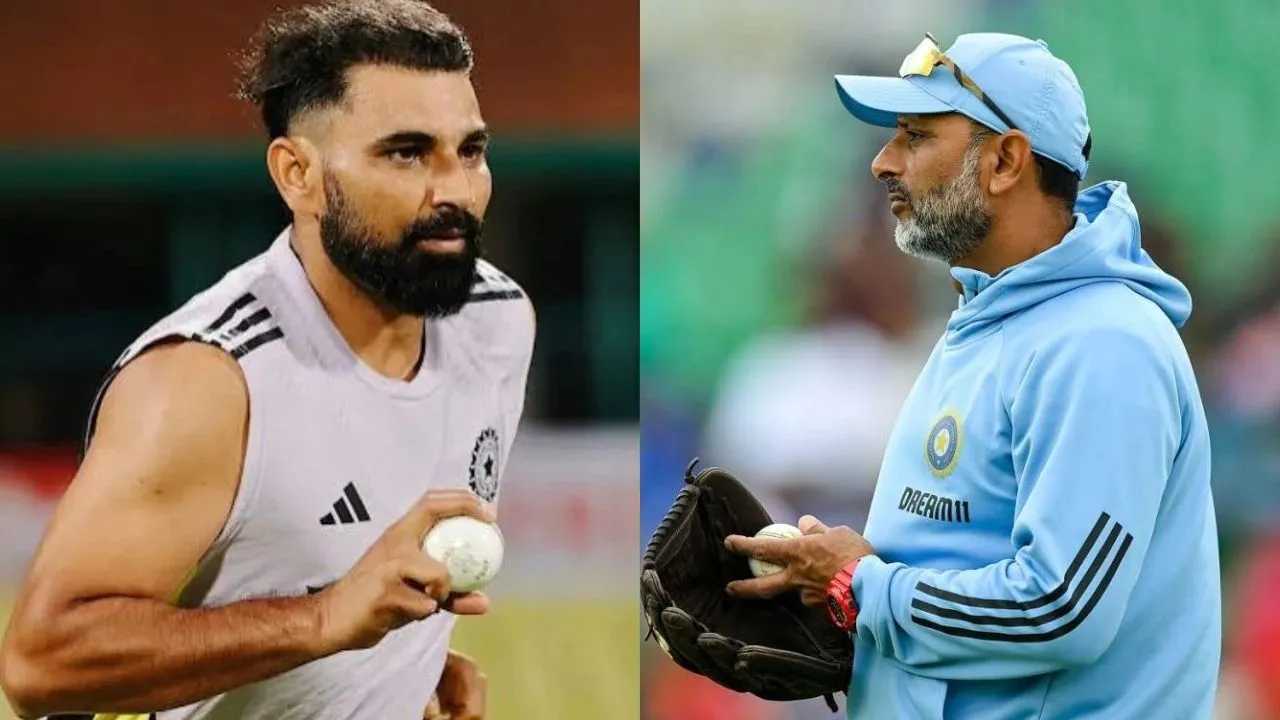
Shubman Gill blocked by India selector before Asia Cup 2025 squad selection
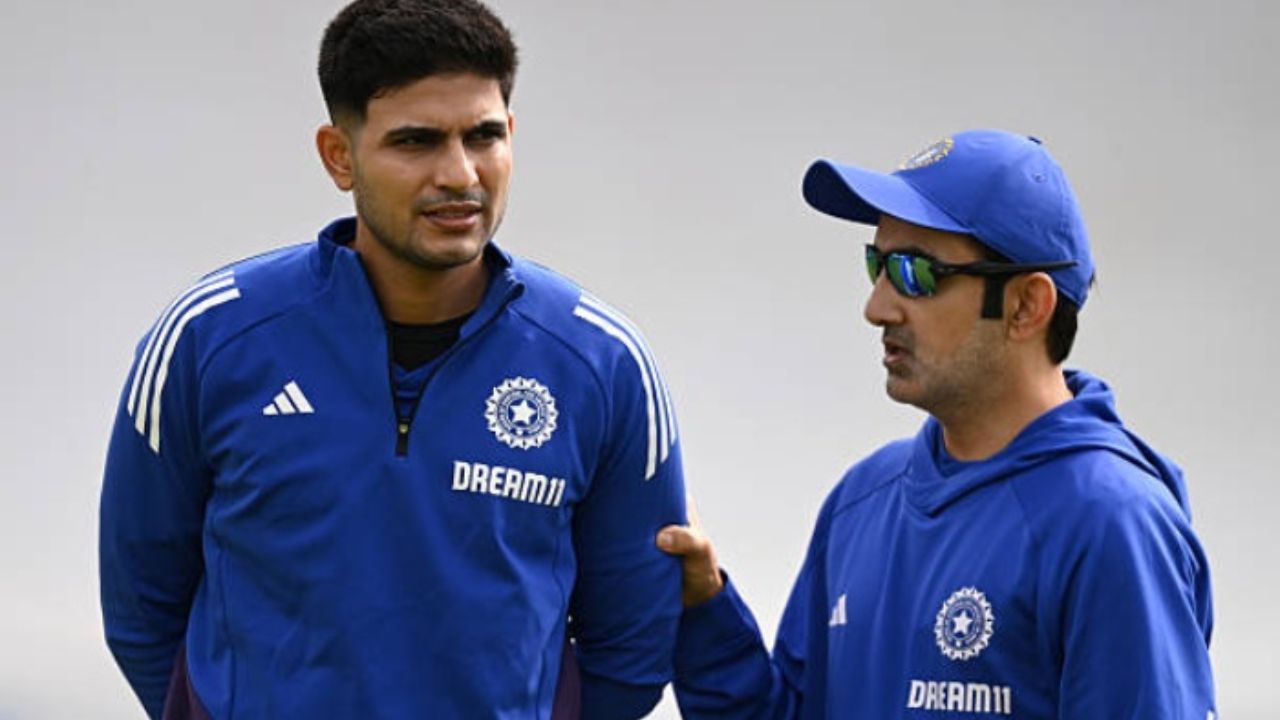
Former Indian Selector Criticizes Shubman Gill’s T20I Comeback Rumors
Former Indian selector Krishnamachari Srikkanth has raised objections to the possible inclusion of Shubman Gill in the Indian T20I squad for the upcoming Asia Cup. Srikkanth believes that Gill’s sudden comeback is unwarranted and could potentially hamper the opportunities of younger players.
Srikkanth’s Concerns
Srikkanth expressed his dissatisfaction with the speculations surrounding Gill’s return to the T20I side, emphasizing that the young batsman was not part of the ICC T20 World Cup-winning squad in 2024. The former selector argued that India already boasts a talented pool of young opening batsmen like Sai Sudharsan, Yashasvi Jaiswal, and Vaibhav Suryavanshi, who deserve fair opportunities in the shortest format.
“If Shubman Gill was the captain [in T20Is], he would have automatically come into the playing XI. Then, there would be no room for other emerging talents. Gill would have opened straightaway. But Gill wasn’t part of the T20 World Cup. Where does he come in suddenly?” Srikkanth questioned on his YouTube channel.
Gill’s Performance and Recent History
Shubman Gill, known for his proficiency in Test and ODI formats, has recently captained the Gujarat Titans in the Indian Test side with commendable success. Despite initial criticisms about his strike rate, Gill has adapted his game and showcased his potential in T20 cricket as well.
In his best IPL season in 2023, Gill amassed 890 runs in just 17 innings, narrowly missing out on crossing the 900-run mark. His international T20 record stands at 578 runs from 21 games at a strike rate of nearly 140, including a century. Gill’s last appearance for India in T20s was during the Sri Lanka tour in 2024, following which he was excluded from subsequent series against South Africa and England.
Srikkanth’s Final Thoughts
Despite Gill’s recent impressive performances, Srikkanth emphasized the importance of strategic selection decisions, pointing out that Gill was not part of the T20I team that secured victories against England. The former selector cautioned against hasty selection choices that could disrupt the balance of the team and hinder the growth of emerging talents.
As the Indian selectors prepare to announce the squad for the upcoming Asia Cup, the debate surrounding Shubman Gill’s potential comeback continues to divide opinions. While some advocate for Gill’s inclusion based on his recent form, others, including Krishnamachari Srikkanth, advocate for prioritizing the development and opportunities of promising young players in the T20I setup.
The Importance of Consistency in Selection
One of the key aspects highlighted by Srikkanth is the need for consistency in selection policies. The former selector’s concerns stem from the potential disruption that a sudden inclusion of Shubman Gill could cause to the team dynamics. By emphasizing the performances of younger players who have been part of recent successes, Srikkanth underscores the importance of rewarding consistent performers and providing them with opportunities to further prove themselves.
Consistency in selection not only instills confidence in players but also fosters a sense of fairness and transparency within the team. By sticking to a well-defined selection criteria, teams can avoid creating an environment of uncertainty and anxiety among players vying for a spot in the playing XI. This approach also encourages healthy competition and drives players to continuously improve their performances to secure their positions in the squad.
The Evolving Role of Data Analytics in Player Selection
With the advancements in data analytics and player tracking technologies, selectors now have access to a wealth of information to aid their decision-making process. Performance metrics, player statistics, and match analysis can provide valuable insights into a player’s suitability for different formats of the game. By leveraging data-driven approaches, selectors can make more informed decisions that align with the team’s strategic objectives.
In the case of Shubman Gill, a detailed analysis of his recent performances across formats could help selectors assess his readiness for a T20I comeback. By evaluating key performance indicators such as strike rate, average, and adaptability in varying match situations, selectors can gauge Gill’s potential impact in the shortest format of the game. Incorporating data analytics into the selection process can bring objectivity and precision to decision-making, reducing the chances of biases or subjective judgments influencing player selections.
The Balancing Act of Team Composition
Another crucial aspect of selection decisions is the careful balance of individual talent with team chemistry and cohesion. While Shubman Gill’s individual brilliance cannot be denied, selectors must also consider how his inclusion could impact the overall balance of the team. The synergy between players, the roles they fulfill within the team, and their compatibility with each other are essential factors to consider when finalizing the squad for a tournament.
By maintaining a delicate equilibrium between experienced players and emerging talents, selectors can create a harmonious team environment that maximizes performance on the field. As Srikkanth suggests, overlooking the contributions of promising young players in favor of established stars could hinder the team’s long-term development and success. Striking the right balance in team composition requires a nuanced understanding of individual strengths, playing conditions, and strategic requirements for each match.
Looking Ahead: The Future of Indian Cricket
As Indian cricket continues to evolve and adapt to the changing landscape of the sport, selectors face the ongoing challenge of nurturing talent while achieving consistent success on the international stage. The debate surrounding Shubman Gill’s T20I comeback serves as a microcosm of the broader discussions around player selection, team dynamics, and strategic planning.
Ultimately, the decisions made by selectors will shape the future trajectory of Indian cricket, influencing the emergence of new stars, the competitiveness of the team, and the overall direction of the sport in the country. By striking a balance between tradition and innovation, experience and youth, India can position itself as a formidable force in world cricket, capable of achieving sustained success across all formats of the game.
As the selectors deliberate on the composition of the T20I squad for the upcoming Asia Cup, the wisdom of past experiences, the insights of data analytics, and the vision for the future of Indian cricket will all converge in shaping a team that embodies the rich legacy and promising future of the sport.
Latest News
Top 10 highest run-chases in T20 cricket history, ft. West Indies’ Ranchi win vs India
Aaryavir Sehwag and Anvay Dravid set to make headlines at U19 Asia Cup 2026
Longest ducks in Test cricket history ft. Nic Maddinson, Shoaib Akhtar
ECB to offer 39 central contracts to England players after Ben Stokes, Mark Wood’s retirement
Steve Smith surpasses Steve Waugh in all-time Test run-scorers’ list

Shane Watson identifies Gautam Gambhir’s biggest problem as India struggle for consistency
Is Bhuvneshwar Kumar in India’s 2027 World Cup plans? Ajinkya Rahane makes revelation

BCCI’s big ₹127 Crore move after injury crisis raises concerns over Team India
Parthiv Patel reveals RCB ignored his Jasprit Bumrah recommendation in IPL 2014 Auction
“Never spoke ill of any faith”: Irfan Pathan hits back at fake news using his name
Nic Maddinson bags 33-ball duck on Test comeback, disappoints George Bailey
Imran Tahir predicts 2027 ICC ODI World Cup Semi-Finalists, snubs India for title
Australia create unwanted history with first all-30-plus Test XI
Ravindra Jadeja returns to Ranji Trophy as Saurashtra announce squad