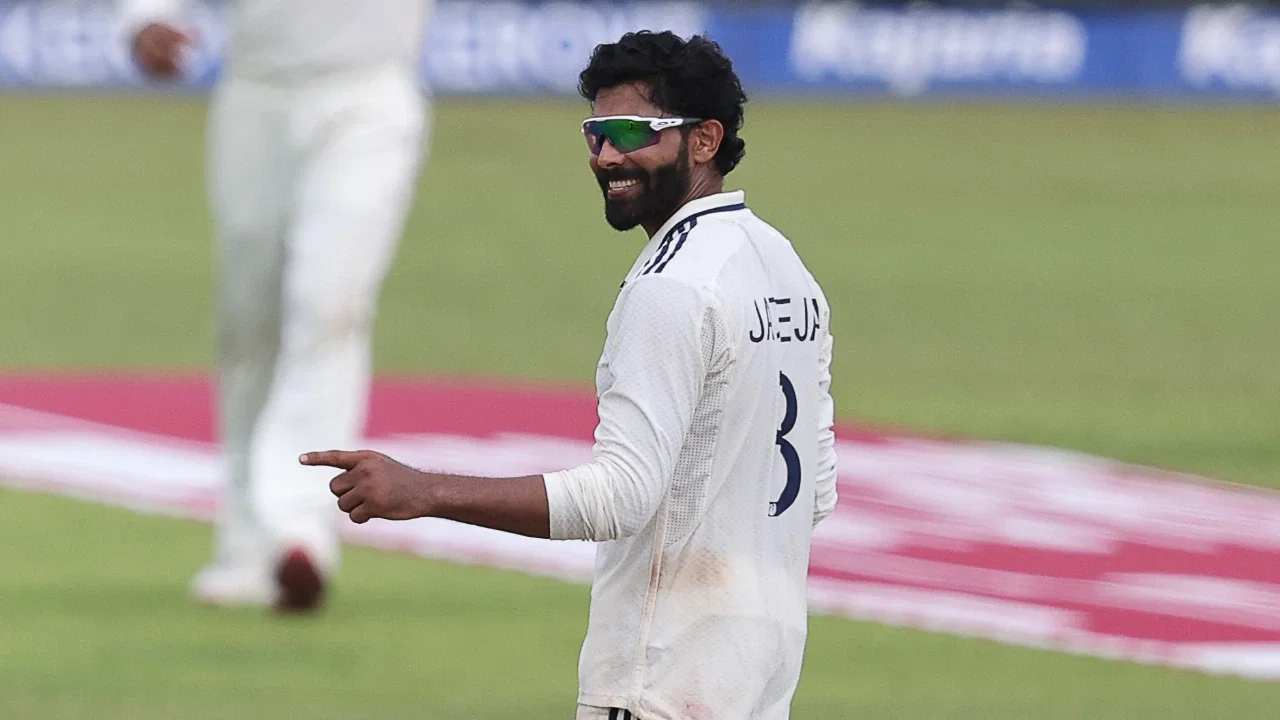
Shubman Gill picked over MS Dhoni, Rohit Sharma, Jasprit Bumrah in All-Time T20 XI by Sanjay Bangar
A Bold and Surprising Debate in Indian Cricket
A recent debate in Indian cricket has sparked massive interest and discussion among fans across the country. The former Indian batting coach, Sanjay Bangar, shared his all-time India T20 playing XI during a special segment on ESPNcricinfo, leading to surprising choices that have left many fans stunned.
Sanjay Bangar’s Unexpected Picks
One of the most shocking selections in Bangar’s XI was choosing Shubman Gill as an opener ahead of legendary players like MS Dhoni, Rohit Sharma, and Jasprit Bumrah. Despite Gill being left out of India’s recent T20 plans due to struggles, Bangar showed full trust in the young player’s ability by including him in his team.
Virat Kohli was named as the captain of Bangar’s all-time T20 XI, with Kohli and Gill forming the opening pair. The team also featured KL Rahul as the wicketkeeper, Suryakumar Yadav, and the legendary Yuvraj Singh in the middle order.
For the all-rounders, Bangar selected Yuvraj Singh, Shivam Dube, and Deepak Chahar to provide power with the bat and useful bowling options. The bowling attack included fast bowlers Mohammed Shami and Ashish Nehra, along with a strong spin duo of Kuldeep Yadav and Yuzvendra Chahal.
Aakash Chopra’s Contrasting XI
Aakash Chopra, who was also part of the discussion, built a very different team with his all-time India T20 playing XI. He won the toss to pick first and selected Jasprit Bumrah as the opening pick, highlighting the trust in the fast bowler’s abilities.
Chopra’s team featured explosive openers in Rohit Sharma and Virender Sehwag, with Suresh Raina and Yusuf Pathan adding firepower to the middle order. He chose MS Dhoni as both the captain and wicketkeeper for his XI.
For all-round options, Chopra included Hardik Pandya and Axar Patel, while in the spin department, he picked Varun Chakaravarthy for a mystery element. The pace attack was led by Bumrah, supported by Bhuvneshwar Kumar and Arshdeep Singh to provide a mix of swing, control, and left-arm pace.
The Intense Debate Continues
The contrasting selections of Sanjay Bangar and Aakash Chopra have ignited a passionate debate among cricket enthusiasts, with discussions ranging from the inclusion of young talent like Shubman Gill to the experience and leadership of players like MS Dhoni.
As fans analyze and compare the two all-time India T20 playing XIs, the debate over team selection, strategy, and player capabilities continues to captivate audiences and showcase the depth and diversity of talent in Indian cricket.
Impact of Predictive Analytics in Cricket Team Selection
While debates like the one sparked by Sanjay Bangar and Aakash Chopra’s all-time India T20 playing XIs are based on personal opinions and preferences, the role of predictive analytics in cricket team selection cannot be overlooked. In recent years, cricket teams, including the Indian team, have started employing data analytics to make informed decisions about player selection, strategy, and performance.
By using data analytics, teams can analyze player statistics, performance trends, opposition weaknesses, and match conditions to optimize their playing XIs for different formats of the game. Factors such as player form, fitness, playing conditions, and head-to-head records can all be considered when making strategic decisions about team composition.
For example, predictive analytics can help identify players who perform well under pressure situations, excel in specific roles such as opening batsmen or death bowlers, or have a track record of success against particular opponents. This data-driven approach allows teams to minimize risks and maximize their chances of success on the field.
The Evolution of Team Selection in Cricket
Traditionally, cricket team selection was often based on subjective judgments, personal preferences, and past experiences. However, with the advent of technology and data analytics, the approach to team selection has evolved significantly. Coaches, selectors, and analysts now have access to a wealth of data that can provide valuable insights into player performance and potential.
By combining traditional scouting methods with data-driven analytics, teams can create a more balanced and effective playing XI that takes into account both statistical analysis and on-field experience. This hybrid approach to team selection aims to leverage the strengths of both human judgment and algorithmic predictions to build competitive and successful cricket teams.
Future Trends in Cricket Team Selection
As technology continues to advance and data analytics become more sophisticated, the future of cricket team selection is likely to be even more data-driven and predictive. Artificial intelligence, machine learning, and predictive modeling are expected to play a significant role in analyzing player performance, formulating strategies, and predicting match outcomes.
Teams may increasingly use player tracking devices, performance metrics, and real-time data to monitor player fitness, fatigue levels, and workload management. This data-driven approach not only enhances team selection but also helps in injury prevention, player development, and long-term performance optimization.
Overall, while debates like the one between Sanjay Bangar and Aakash Chopra add an element of fun and excitement to cricket discussions, the use of predictive analytics and data-driven insights is becoming an integral part of modern cricket team selection. By embracing technology and innovation, teams can stay ahead of the curve and make informed decisions that maximize their chances of success on the field.
As cricket continues to evolve, the blend of human expertise with data analytics is likely to shape the future of team selection, strategy, and performance in the sport, creating a dynamic and competitive landscape for players, coaches, and fans alike.
Latest News
New Zealand suffer blow as William O’Rourke misses India ODIs and Tests
Top 10 highest run-chases in T20 cricket history, ft. West Indies’ Ranchi win vs India
Aaryavir Sehwag and Anvay Dravid set to make headlines at U19 Asia Cup 2026
Longest ducks in Test cricket history ft. Nic Maddinson, Shoaib Akhtar
ECB to offer 39 central contracts to England players after Ben Stokes, Mark Wood’s retirement
Steve Smith surpasses Steve Waugh in all-time Test run-scorers’ list
Shane Watson identifies Gautam Gambhir’s biggest problem as India struggle for consistency
Is Bhuvneshwar Kumar in India’s 2027 World Cup plans? Ajinkya Rahane makes revelation
BCCI’s big ₹127 Crore move after injury crisis raises concerns over Team India
Parthiv Patel reveals RCB ignored his Jasprit Bumrah recommendation in IPL 2014 Auction
“Never spoke ill of any faith”: Irfan Pathan hits back at fake news using his name
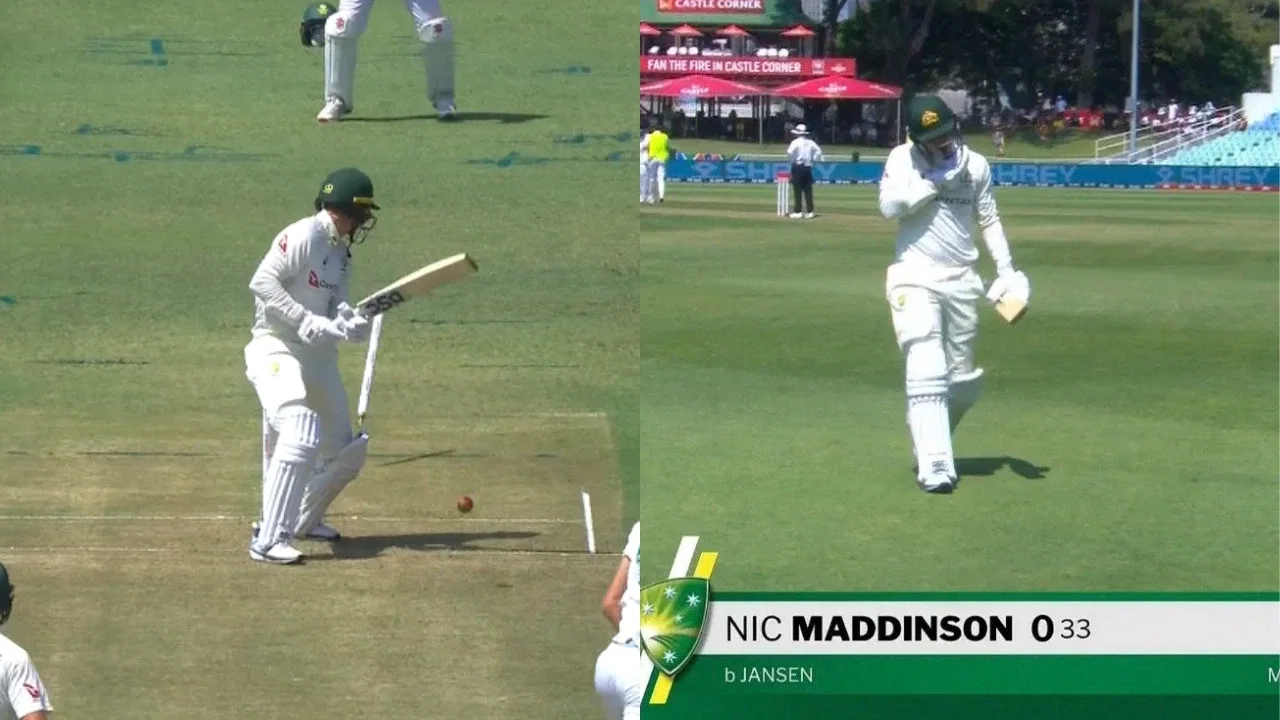
Nic Maddinson bags 33-ball duck on Test comeback, disappoints George Bailey
Imran Tahir predicts 2027 ICC ODI World Cup Semi-Finalists, snubs India for title
Australia create unwanted history with first all-30-plus Test XI