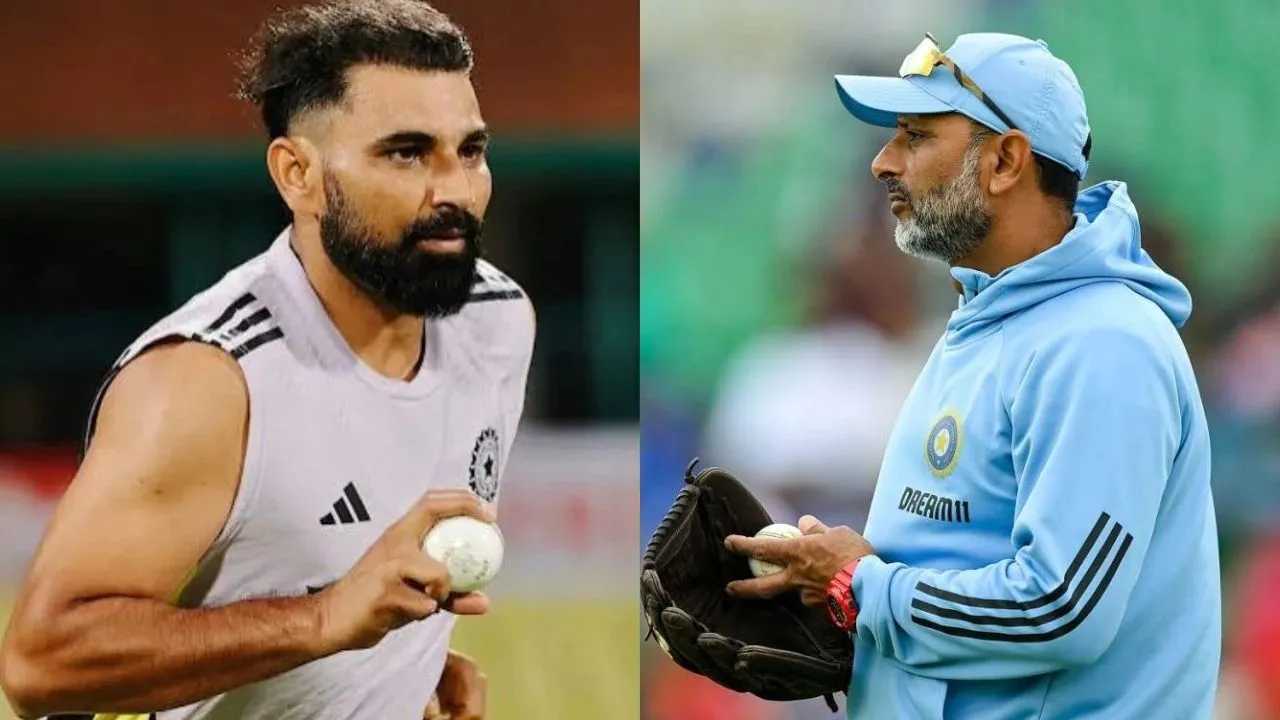
Shubman Gill speaks out on Delhi’s Jantar Mantar paper leak protests
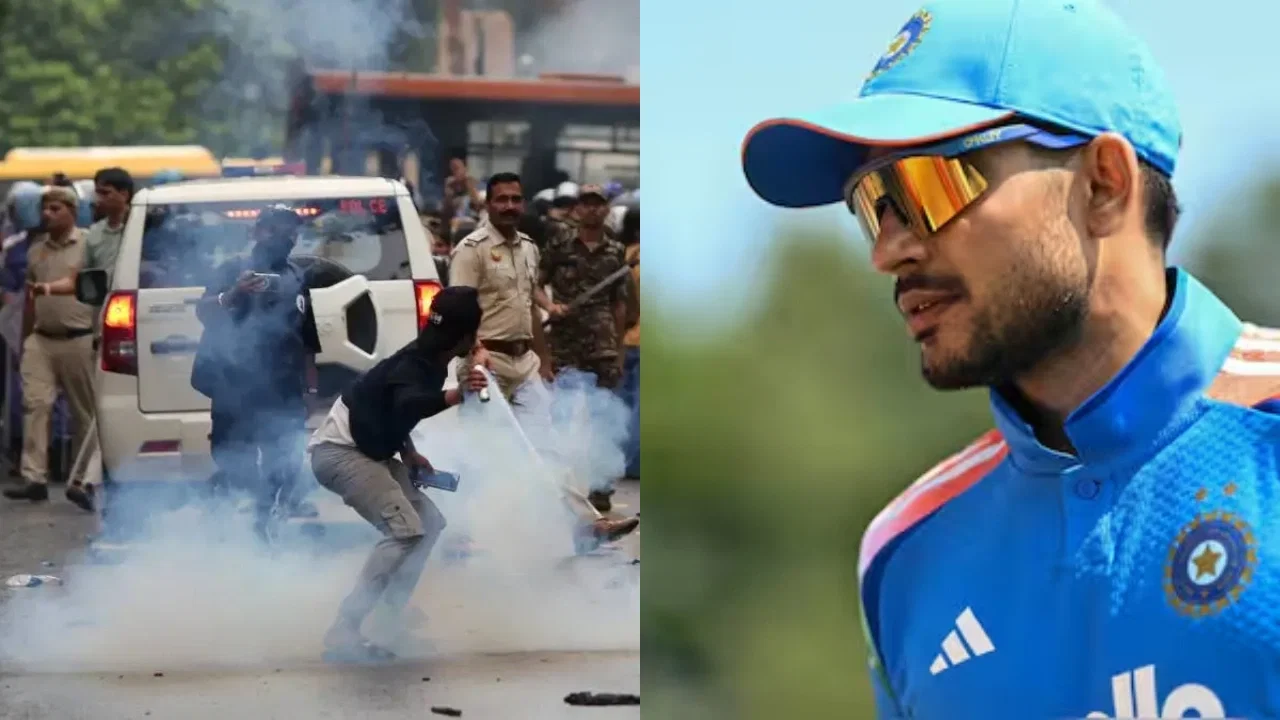
Indian Cricketers Speak Out on Students’ Protest
Amid the ongoing students’ protest in Delhi’s Jantar Mantar, Indian cricketers have stepped forward to voice their opinions on the matter. Shubman Gill, the captain of the India National Cricket Team for the Test and ODI formats, recently took to Instagram to share his thoughts.
Shubman Gill’s Instagram Statement
In a meaningful Instagram story posted on July 23, Shubman Gill emphasized the importance of compassion and mutual respect in moving India forward towards a better future. The young cricket star expressed his support for the students protesting in Delhi, stating that his generation deserves every opportunity to learn, dream, and shape a brighter tomorrow through education.
Shubman Gill’s Instagram story reads, “As a young Indian, I believe our generation deserves every opportunity to learn, dream, and shape the future we all aspire to. I have immense respect for every young person who believes in making their voice heard peacefully. Education has the power to shape our nation’s future. I hope we move forward with compassion, mutual respect, and keep the best interests of every student at heart. For India’s future.”
Support from Former Cricketers
Shubman Gill is not the only cricketer to speak out on the nationwide issue. Legendary players like Sachin Tendulkar, Yuvraj Singh, and Shikhar Dhawan have also raised their voices in support of the students’ protest. Sachin Tendulkar, in a social media post, acknowledged the students’ frustrations, emphasizing the importance of rewarding hard work over seeking shortcuts based on outcomes.
Former Team India all-rounder Irfan Pathan also joined the conversation, highlighting the sacrifices made by students and their families in pursuit of a better future. He condemned incidents like paper leaks that jeopardize the hopes and aspirations of young students.
Students’ Protest Overview
The students’ protest, initiated on July 20 by the Cockroach Janta Party, quickly gained momentum and turned into a nationwide movement. Reports indicate that the protest led to clashes with the police, resulting in lathi charges to maintain law and order.
Key figures like environmental activist Sonam Wangchuk have openly supported the students’ demands, including the removal of Union Education Minister Dharmendra Pradhan following the NEET paper leak controversy.
As Indian cricketers and prominent personalities continue to speak out in support of the students, the nationwide protest remains a significant topic of discussion across the country. The calls for justice, accountability, and a fair education system echo through the streets of Delhi, urging authorities to address the students’ concerns promptly and effectively.
Impact of Cricketers’ Support
Indian cricketers using their platform to speak out on social issues like the students’ protest demonstrates their influence beyond the boundaries of the cricket field. Their support not only amplifies the voices of the protesting students but also sheds light on the importance of education and fair opportunities for the youth of the nation. With millions of followers on social media, cricketers have the ability to reach a vast audience and inspire others to engage in meaningful conversations about social justice and equality.
By standing in solidarity with the students, cricketers show that they are not just athletes but also responsible citizens who care about the future of the country. Their words carry weight and can sway public opinion, putting pressure on authorities to address the grievances of the students and work towards creating a more equitable education system.
Broader Implications of the Students’ Protest
The students’ protest in Delhi is not an isolated incident but rather a reflection of the larger issues plaguing the education system in India. Cases of paper leaks, exam irregularities, and lack of transparency have long been a cause of concern for students and parents alike. The protest serves as a wake-up call for policymakers to reevaluate the current education infrastructure, ensuring that it is fair, merit-based, and free from corruption.
Furthermore, the students’ demands for accountability and justice highlight the need for systemic reforms to prevent such incidents from recurring in the future. By addressing the root causes of discontent among students, authorities can build a more inclusive and supportive educational environment that fosters learning and growth for all.
Role of Social Media in Activism
Social media platforms have played a crucial role in amplifying the voices of the students and garnering support from public figures like cricketers. The widespread dissemination of information through hashtags, posts, and stories has helped raise awareness about the students’ plight and mobilize a larger community of activists and supporters.
Platforms like Twitter, Instagram, and Facebook have become powerful tools for activism, allowing individuals to connect, organize, and advocate for change on a global scale. The use of social media by cricketers to express their solidarity with the students not only provides a platform for dialogue but also showcases the power of social media in shaping public discourse and influencing societal norms.
Looking Ahead
As the students’ protest continues to reverberate across the country, the support from Indian cricketers and other prominent figures serves as a beacon of hope for a brighter and more equitable future. By coming together to address the systemic issues within the education system, stakeholders can work towards building a society where every student has the opportunity to learn, grow, and succeed.
It is essential for all members of society, including athletes, celebrities, and policymakers, to actively engage in conversations about social justice and advocate for meaningful change. By standing united in the face of adversity, India can move towards a future where education is a fundamental right, not a privilege, and where the voices of the youth are heard and respected.
Latest News
Top 10 highest run-chases in T20 cricket history, ft. West Indies’ Ranchi win vs India
Aaryavir Sehwag and Anvay Dravid set to make headlines at U19 Asia Cup 2026
Longest ducks in Test cricket history ft. Nic Maddinson, Shoaib Akhtar
ECB to offer 39 central contracts to England players after Ben Stokes, Mark Wood’s retirement
Steve Smith surpasses Steve Waugh in all-time Test run-scorers’ list
Shane Watson identifies Gautam Gambhir’s biggest problem as India struggle for consistency
Is Bhuvneshwar Kumar in India’s 2027 World Cup plans? Ajinkya Rahane makes revelation
BCCI’s big ₹127 Crore move after injury crisis raises concerns over Team India
Parthiv Patel reveals RCB ignored his Jasprit Bumrah recommendation in IPL 2014 Auction
“Never spoke ill of any faith”: Irfan Pathan hits back at fake news using his name
Nic Maddinson bags 33-ball duck on Test comeback, disappoints George Bailey
Imran Tahir predicts 2027 ICC ODI World Cup Semi-Finalists, snubs India for title
Australia create unwanted history with first all-30-plus Test XI
Ravindra Jadeja returns to Ranji Trophy as Saurashtra announce squad