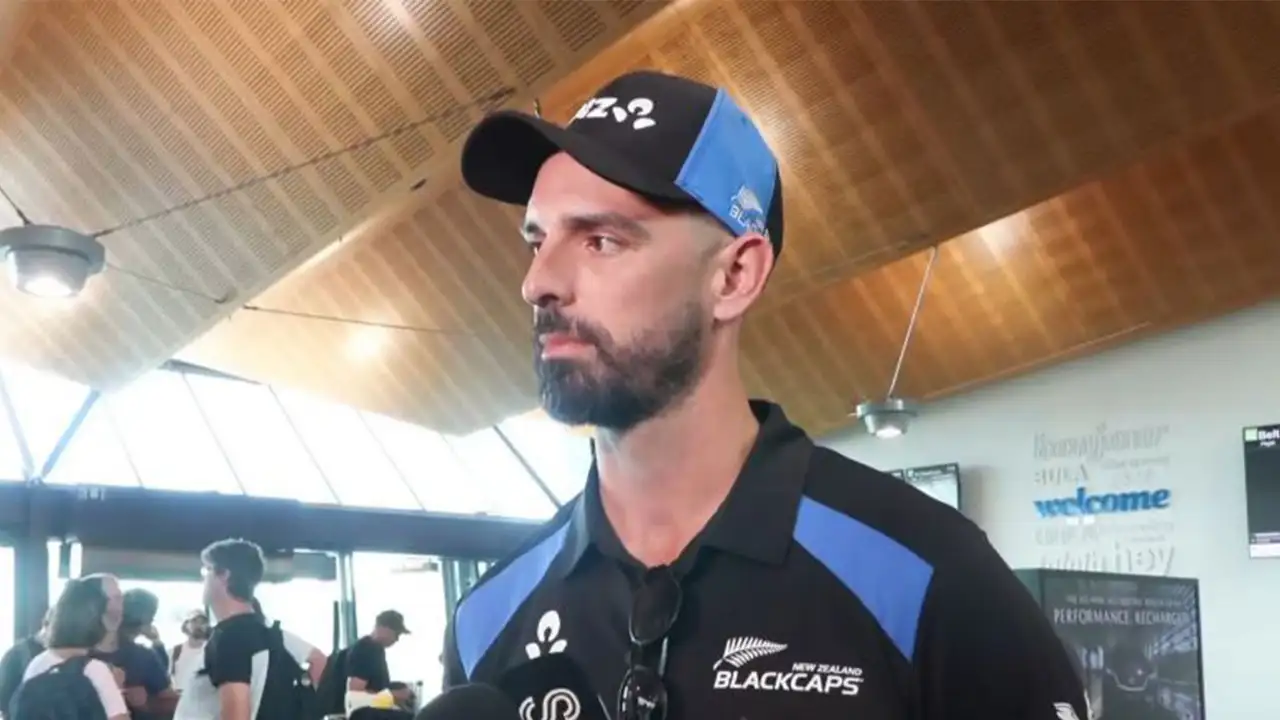
Shubman Gill survives controversial LBW appeal as New Zealand players express their displeasure
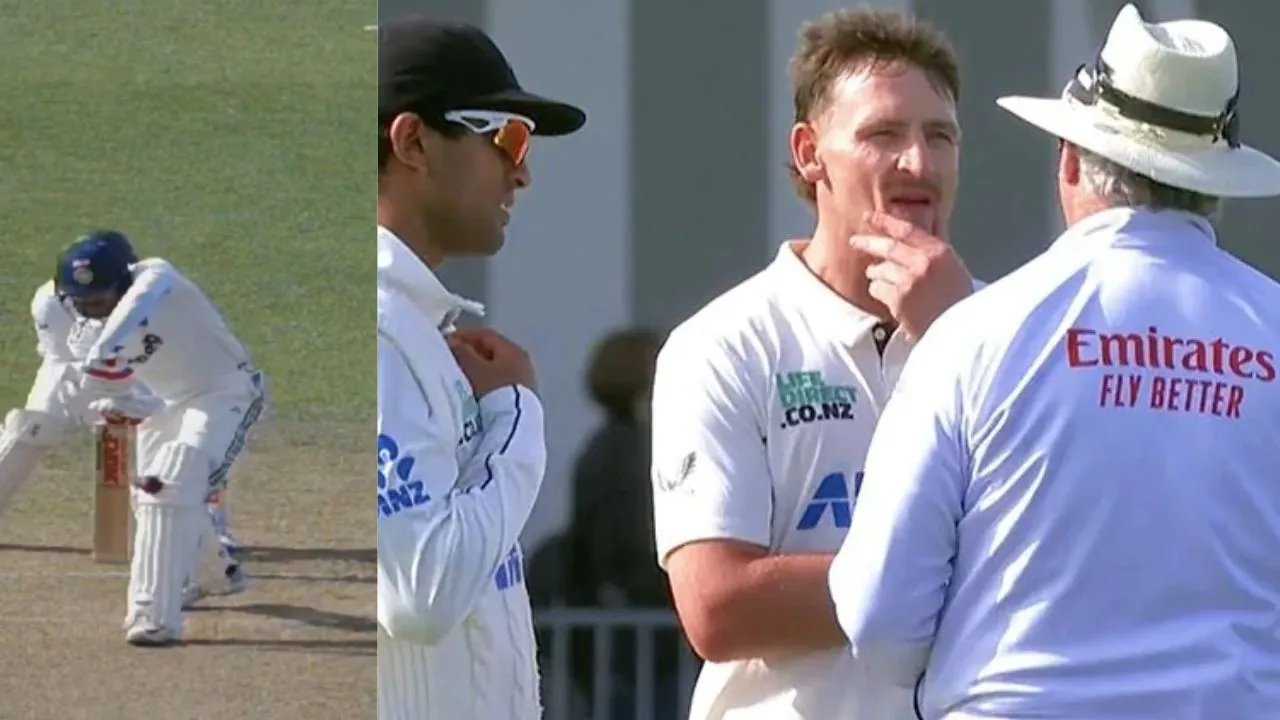
India vs New Zealand 1st Test: Shubman Gill Survives LBW Review as India Take Control at Basin Reserve
India strengthened their position on Day 3 of the first Test against New Zealand at Wellington’s Basin Reserve, building a valuable lead as Shubman Gill and Rishabh Pant continued the innings. The day’s biggest talking point came when Gill was given out lbw, only for a review to reveal a possible inside edge and overturn the decision.
The close call added tension to an already significant contest. India are seeking a Test-series victory after winning the preceding ODI and T20I series, while valuable points in the World Test Championship cycle remain important to their hopes of reaching the final. With several Indian batters contributing and the hosts having spent a long time in the field, the visitors were well placed to press their advantage.
Shubman Gill’s LBW Decision Overturned After Review
The incident occurred in the 107th over, when New Zealand bowler Nathan Smith sent a delivery back into Gill’s pads. On-field umpire Richard Illingworth raised his finger after the home side’s appeal, prompting Gill to review the decision.
Replays shown on the big screen indicated that the ball may have taken the inside edge before striking the pad. Third umpire Paul Reiffel reviewed the available evidence and overturned the original decision, allowing Gill to continue his innings.
The ruling frustrated the New Zealand players, who believed they had dismissed India’s captain. Their reaction was audible, with one player pointing to what he thought was a gap between bat and ball. Pant responded with a light-hearted remark, reassuring the visitors that the third umpire could see the evidence. The exchange briefly eased the tension, though the decision remained a major moment in the session.
Close reviews are often decisive in Test cricket, where a single wicket can shift momentum after a long partnership. In this case, the technology gave the third umpire another angle to assess whether Gill had made contact with the ball. The episode also underlined the fine margins involved in an lbw decision, particularly when bat, pad and ball meet in quick succession.
Gill’s Form Adds to India’s Batting Confidence
Gill’s composure at the crease has been a feature of his recent performances, and his innings in Wellington continued that trend. He reached his half-century from 66 balls, bringing up the milestone with a six off New Zealand quick Jacob Duffy. The stroke showcased the confidence with which he has been batting, even as the hosts searched for a breakthrough.
His latest contribution also carried significance for his record in the World Test Championship. Gill reached 3,000 runs in the competition, becoming India’s leading run-scorer in the WTC, according to the match account. The milestone reflects his growing importance to the team as both a top-order batter and captain.
Gill has also been building a notable record as India’s Test leader in New Zealand. His half-century placed him among Indian captains to reach fifty in a Test in the country, alongside MS Dhoni. A century would put him in distinguished company: Sunil Gavaskar and Mohammad Azharuddin are among the Indian captains to have scored Test hundreds in New Zealand.
That possibility gave the innings an added storyline, but Gill’s immediate task was to remain focused and help India extend their advantage. A substantial lead would give the bowlers room to attack when New Zealand return to bat, while also reducing the risk of the match being shaped by a late collapse.
KL Rahul’s 136 Anchors India’s Reply
India’s position was built on a commanding batting effort, led by KL Rahul’s 136. Opening the innings, Rahul combined patience with disciplined shot selection to produce a major score in challenging New Zealand conditions. His hundred was a landmark achievement: he became the first Indian opener to score a Test century in each of the SENA countries—South Africa, England, New Zealand and Australia.
Rahul’s innings was particularly valuable because it helped India respond strongly to New Zealand’s first-innings total. The hosts had posted 368, despite being under pressure earlier in their innings. Henry Nicholls scored 175, while Glenn Phillips made 115, and their 216-run partnership rescued New Zealand and transformed a precarious position into a competitive total.
India’s reply, supported by substantial contributions from the top order, shifted the balance back towards the visitors. The Indian batters’ ability to build partnerships and convert starts into significant scores left New Zealand searching for wickets over an extended period. As the innings moved beyond 450, India had the opportunity to set up a strong position for the final stages of the match.
What the Day 3 Position Means for the Match
With Gill and Pant at the crease and India holding a lead, the next phase will be about balancing ambition with time. Batting deep into Day 3 could further tire New Zealand’s bowlers and increase the target India can impose. An early declaration on Day 4, if conditions and the score allow, could give India’s attack time to pursue a result.
New Zealand, meanwhile, will need to break the partnership quickly and prevent India from turning their advantage into a match-defining lead. The hosts have already shown their ability to recover through the Nicholls-Phillips stand, but India’s batting depth means the contest is far from settled.
For fans following the India vs New Zealand Test, Gill’s overturned lbw decision, Rahul’s milestone century and the contrasting fortunes of the two first innings have made Day 3 especially compelling. The match prediction will depend on how much further India can extend their lead—and whether New Zealand can respond with the same resilience they showed through their own middle-order partnership.
Latest News
WATCH: Beau Webster pulls off sensational caught-and-bowled to dismiss Cameron Bancroft
IPL 2027: MS Dhoni unlikely to sit at CSK’s auction table, says Irfan Pathan
Ben Stokes mocks Shubman Gill’s decision to settle for draw against New Zealand

“Ravindra Jadeja could have been the difference”: S Badrinath slams India’s team selection in 1st Test vs NZ

Aakash Chopra predicts costliest player of IPL 2027 auction, names 3 Indian pacers
Wasim Jaffer backs Rishabh Pant’s ODI comeback after impressive performance in 1st Test

IPL 2027: Yuvraj Samra and Brandon McMullen register for mini-auction

Michael Vaughan questions Shubman Gill’s decision to settle for draw against New Zealand
Priyansh Arya smashes world record, surpasses KL Rahul’s highest T20 score by an Indian
ICC rejects England’s request to change WTC slow over-rate penalties
IPL 2027: LSG, PBKS set to battle for England pacer Sonny Baker in mini-auction
“Don’t understand why”: Madan Lal questions Rishabh Pant’s absence in ODIs and T20Is

Aakash Chopra points out why Ravindra Jadeja is a better bowler than Washington Sundar
PSL 2027: Peshawar gets historic first match as PCB confirms six host cities