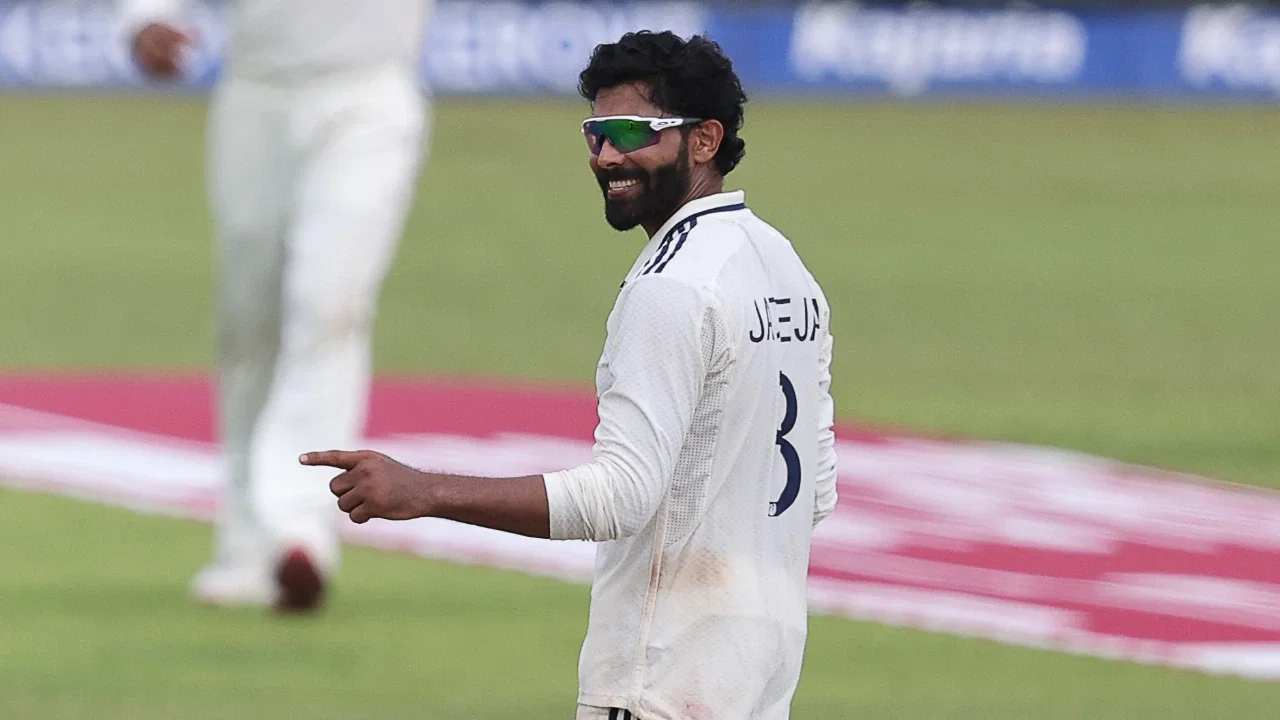
Shubman Gill’s captaincy rubbished by former BCCI selector after second consecutive series defeat
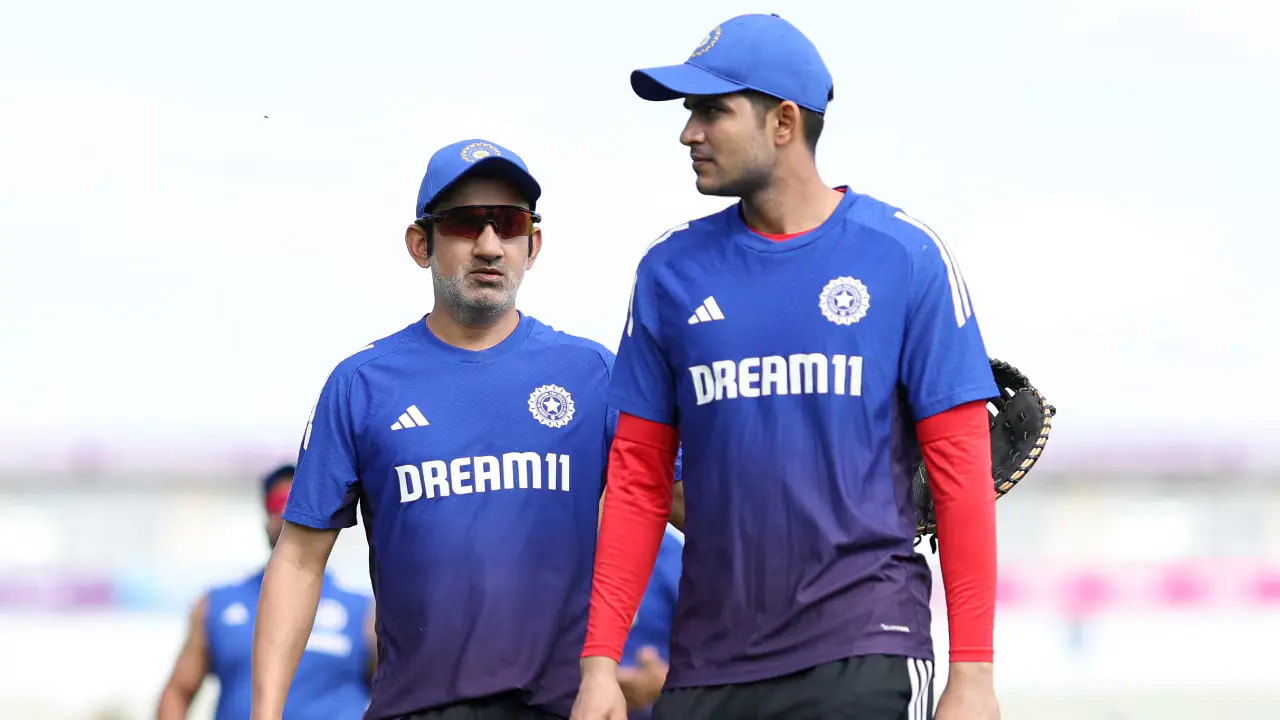
Former Indian Selector Criticizes Shubman Gill’s Captaincy Decision
Former Indian selector Kris Srikkanth recently expressed his disappointment with Shubman Gill’s captaincy decisions during India’s recent series against New Zealand. Srikkanth highlighted several flaws in Gill’s choices, particularly in the bowling department. The series ended in a loss for India, shedding light on various shortcomings within the team.
Challenges Faced by Indian Team
India’s batting order struggled against New Zealand’s bowlers, with key players like Rohit Sharma and Shreyas Iyer failing to capitalize on their starts. However, the most concerning issue was the poor form of India’s spinners, who failed to pose a threat to the Kiwi batsmen. This led to a continuous flow of runs in the middle overs, putting additional pressure on the team.
Criticism of Bowling Changes
Srikkanth specifically criticized Gill’s decision to delay handing the ball to Ravindra Jadeja until the 29th over of the game. Instead, Gill opted for Nitish Kumar Reddy, who proved to be ineffective against the Kiwi batters. Srikkanth suggested that bringing Jadeja on earlier could have exploited some footholes and created more pressure on the opposition.
According to Srikkanth, Reddy’s pace did not trouble the New Zealand batsmen, allowing them to settle in and score freely. He emphasized that Jadeja should have been utilized before Reddy to control the flow of runs and create more opportunities for India.
Ineffectiveness of Spinners
Srikkanth pointed out that both Kuldeep Yadav and Ravindra Jadeja failed to deliver impactful performances throughout the series. Jadeja remained wicketless, while Yadav only managed to secure three scalps. Their inefficiency in the middle overs cost India crucial opportunities to turn the tide in their favor.
Critical Analysis of Bowlers
Srikkanth also criticized Harshit Rana for leaking runs during his second spell in almost every game. While Rana showed promise with the new ball, his inability to contain runs later in his spell proved to be detrimental to India’s bowling efforts. Srikkanth suggested that Rana should be used strategically, with fewer overs in the later stages of the innings to minimize run leakage.
Despite the criticisms, Srikkanth acknowledged the strong performances of Mohammed Siraj and Arshdeep Singh in the bowling department. He praised Siraj for his consistency and highlighted Singh’s ability to take early wickets. However, he urged Rana to improve his performance in the latter stages of his spells to contribute effectively to the team’s success.
Overall, Srikkanth’s analysis shed light on the challenges faced by the Indian team during the series against New Zealand and emphasized the need for strategic improvements in bowling decisions to enhance India’s chances of success in future matches.
Strategic Insights for Future Matches
Building on Srikkanth’s observations, it is evident that strategic decision-making and adaptability are crucial for success in cricket. In the modern game, captains must be proactive in their approach, making quick and effective decisions to outmaneuver the opposition. Gill’s delayed introduction of Jadeja is a prime example of how a minor tactical error can have significant repercussions on the outcome of a match. Moving forward, it is imperative for captains to assess the game situation promptly and make bold decisions to seize the initiative.
Importance of Player Form and Consistency
In addition to strategic acumen, player form and consistency play a vital role in determining the outcome of matches. The underperformance of key players like Rohit Sharma and Shreyas Iyer underscored the need for top-order batsmen to convert starts into substantial innings. Similarly, the lackluster performances of spinners like Kuldeep Yadav and Ravindra Jadeja highlight the importance of bowlers maintaining consistency and delivering impactful spells throughout a series.
Development of Young Talent
As India looks to build a competitive team for the future, the development of young talent like Shubman Gill and Harshit Rana is crucial. While Gill’s captaincy decisions may have come under scrutiny, it is important to remember that leadership skills often improve with experience. By providing opportunities for young cricketers to learn and grow in high-pressure situations, India can nurture a new generation of leaders who can lead the team to success on the international stage.
Strategic Rotation of Bowlers
To address the issue of leaked runs in the middle overs, captains should consider strategic rotation of bowlers to keep the opposition batsmen on their toes. By deploying bowlers with varying styles and strengths at different stages of the innings, teams can disrupt the rhythm of the opposition and create more opportunities for breakthroughs. This strategic approach can also help in managing the workload of bowlers and maximizing their effectiveness throughout the match.
Focus on Mental Resilience
In high-pressure situations, mental resilience plays a crucial role in determining a team’s performance. Captains and players must cultivate a strong mindset that can withstand the ebbs and flows of a cricket match. By focusing on mental toughness, players can maintain composure under pressure, make sound decisions, and execute their skills effectively. Building mental resilience not only enhances individual performance but also fosters a cohesive team environment that can overcome challenges collectively.
By incorporating these strategic insights and focusing on player development, India can strengthen its position in international cricket and compete at the highest level. While criticism is a part of the game, it is through learning from mistakes and making strategic improvements that teams can grow and succeed in the long run.
Latest News
New Zealand suffer blow as William O’Rourke misses India ODIs and Tests
Top 10 highest run-chases in T20 cricket history, ft. West Indies’ Ranchi win vs India
Aaryavir Sehwag and Anvay Dravid set to make headlines at U19 Asia Cup 2026
Longest ducks in Test cricket history ft. Nic Maddinson, Shoaib Akhtar
ECB to offer 39 central contracts to England players after Ben Stokes, Mark Wood’s retirement
Steve Smith surpasses Steve Waugh in all-time Test run-scorers’ list

Shane Watson identifies Gautam Gambhir’s biggest problem as India struggle for consistency
Is Bhuvneshwar Kumar in India’s 2027 World Cup plans? Ajinkya Rahane makes revelation
BCCI’s big ₹127 Crore move after injury crisis raises concerns over Team India
Parthiv Patel reveals RCB ignored his Jasprit Bumrah recommendation in IPL 2014 Auction
“Never spoke ill of any faith”: Irfan Pathan hits back at fake news using his name
Nic Maddinson bags 33-ball duck on Test comeback, disappoints George Bailey
Imran Tahir predicts 2027 ICC ODI World Cup Semi-Finalists, snubs India for title
Australia create unwanted history with first all-30-plus Test XI