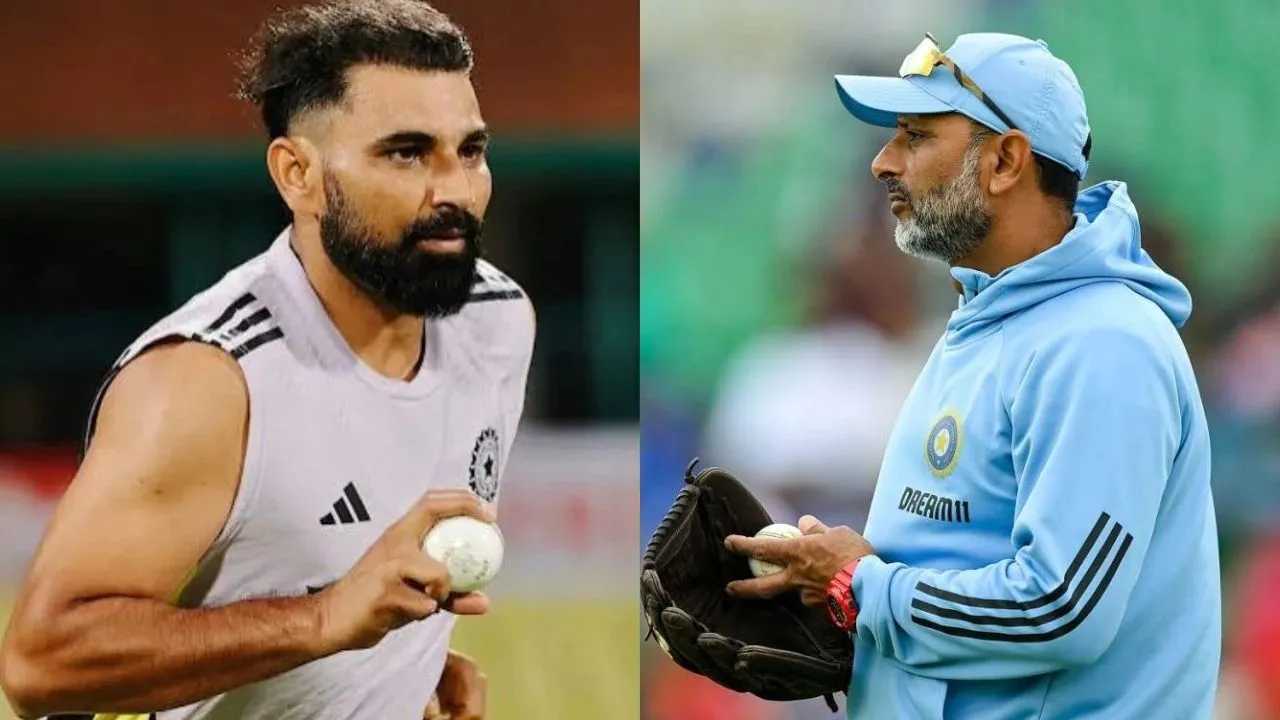
Sri Lanka Cricket’s future faces fresh uncertainty as Jay Shah meets President Dissanayake
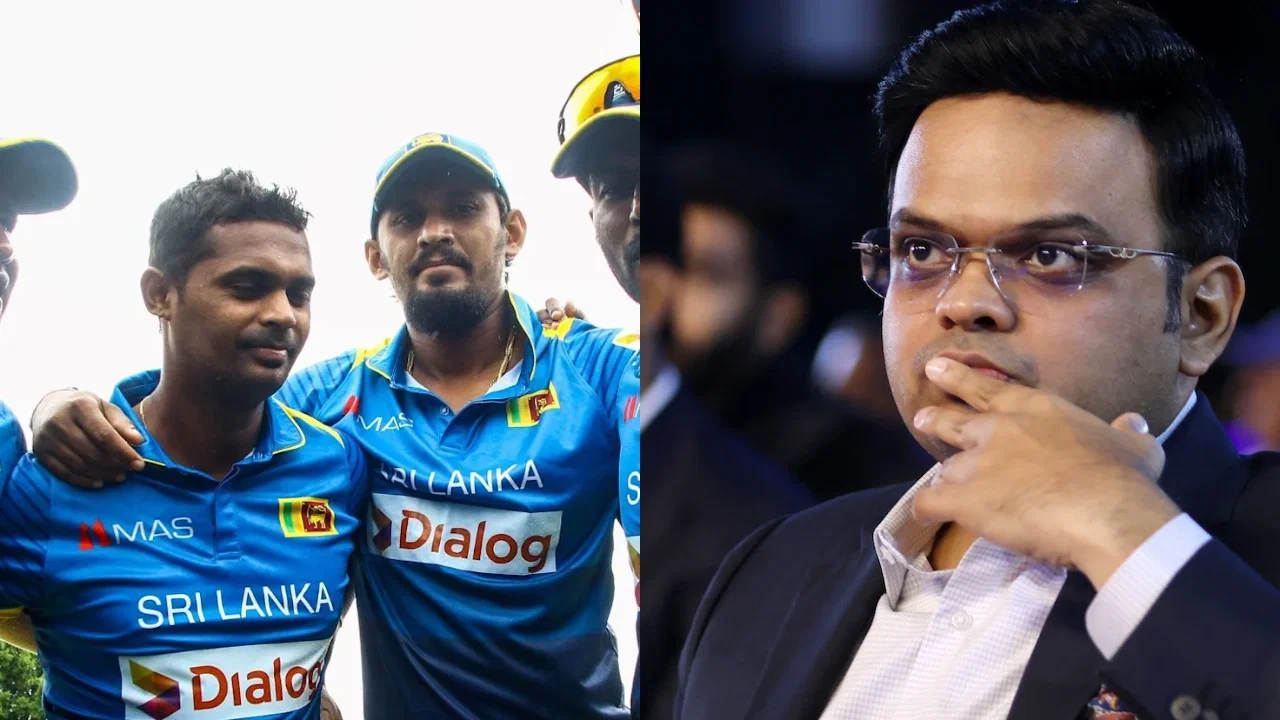
Jay Shah to Discuss Sri Lanka Cricket’s Future Amid Controversy
The Sri Lanka Cricket (SLC) is currently facing uncertainty following the resignation of Shammi Silva and other office bearers. This mass resignation led to the formation of a temporary committee to oversee the cricket board, prompting concerns about political interference in the national cricket governing body.
Interim Committee and Political Interference
The formation of the interim committee to manage the SLC has raised questions about the adherence to International Cricket Council (ICC) regulations, which prohibit government interference in national cricket boards. The appointment of the committee by Sri Lanka’s Sports Minister has sparked controversy, with fears that it may not align with the ICC’s regulations.
ICC Chairman’s Involvement
With the SLC’s future at stake, ICC Chairman Jay Shah is scheduled to meet with Sri Lankan President Anura Kumara Dissanayake to address the ongoing situation. The meeting aims to discuss the role of the interim committee and ensure that the cricket board operates independently, free from external influence.
ICC’s Stance on Democratic Elections
Reports suggest that the ICC has requested SLC to conduct democratic elections promptly to establish a new governing body in compliance with ICC regulations. Failure to uphold democratic principles in the election process could result in repercussions for the SLC, similar to the suspension faced by Zimbabwe Cricket in 2019 due to government interference.
Previous Governing Body’s Tenure
The previous governing body, led by Shammi Silva, was expected to continue until May of the following year. However, the sudden resignation of Silva and the office bearers has created a vacuum in the leadership of the SLC, prompting the need for immediate action to ensure the continuity and stability of Sri Lankan cricket.
Lessons from Zimbabwe Cricket’s Suspension
The ICC’s past actions, such as the suspension of Zimbabwe Cricket in 2019, serve as a cautionary tale for national cricket boards facing government interference. The suspension not only affected Zimbabwe Cricket’s operations but also led to the cessation of financial support from the ICC until the issue was resolved.
As the discussions between ICC Chairman Jay Shah and Sri Lankan President Dissanayake unfold, the future of Sri Lanka Cricket hangs in the balance. The outcome of these deliberations will determine the next steps for the SLC and its governance structure, with a focus on upholding the integrity and independence of the sport.
Challenges Faced by Sri Lanka Cricket
Aside from the recent governance issues, Sri Lanka Cricket has been grappling with various challenges that have impacted the performance of the national team. In recent years, the team has struggled to maintain a consistent level of success in international competitions, leading to a decline in rankings and overall performance.
One of the key challenges facing Sri Lanka Cricket is the lack of a stable domestic cricket structure that can nurture and develop young talent. The absence of a robust grassroots system has hindered the identification and grooming of future cricket stars, leading to a reliance on aging players and a lack of fresh talent in the national team.
Role of Jay Shah in Cricket Governance
As the Chairman of the ICC, Jay Shah plays a crucial role in shaping the future of cricket governance and ensuring that the sport operates in a fair and transparent manner. His involvement in the discussions with Sri Lankan authorities highlights the ICC’s commitment to upholding the principles of independence and non-interference in national cricket boards.
Shah’s experience and expertise in cricket administration make him a valuable asset in addressing the challenges faced by Sri Lanka Cricket and guiding the country towards a more stable and sustainable future in the sport. His insights and recommendations are expected to provide valuable guidance to the SLC in navigating the current crisis and rebuilding trust with the international cricket community.
Importance of Democratic Elections
The ICC’s emphasis on conducting democratic elections within national cricket boards is crucial in ensuring transparency, accountability, and fairness in the governance of the sport. By allowing stakeholders to elect their representatives through a democratic process, cricket boards can uphold the principles of good governance and prevent external interference in their operations.
The upcoming elections for the governing body of Sri Lanka Cricket will be closely monitored by the ICC to ensure compliance with international standards. A successful and transparent election process will not only legitimize the new leadership but also demonstrate Sri Lanka’s commitment to upholding the values of cricket governance.
Future Prospects for Sri Lanka Cricket
Despite the current challenges and uncertainties, Sri Lanka Cricket has the potential to overcome its obstacles and emerge stronger in the international cricket scene. By addressing governance issues, improving the domestic cricket structure, and nurturing young talent, Sri Lanka can revitalize its national team and regain its competitive edge in the sport.
The discussions between ICC Chairman Jay Shah and Sri Lankan President Dissanayake mark a critical turning point for Sri Lanka Cricket, signaling a new chapter in the governance and management of the sport in the country. With a renewed focus on integrity, transparency, and independence, Sri Lanka Cricket can pave the way for a brighter future and reclaim its status as a cricketing powerhouse in the global arena.
By addressing these challenges head-on and implementing reforms that prioritize the long-term sustainability of the sport, Sri Lanka Cricket can navigate through the current crisis and emerge as a stronger and more resilient force in international cricket.
Latest News
Top 10 highest run-chases in T20 cricket history, ft. West Indies’ Ranchi win vs India
Aaryavir Sehwag and Anvay Dravid set to make headlines at U19 Asia Cup 2026
Longest ducks in Test cricket history ft. Nic Maddinson, Shoaib Akhtar
ECB to offer 39 central contracts to England players after Ben Stokes, Mark Wood’s retirement
Steve Smith surpasses Steve Waugh in all-time Test run-scorers’ list
Shane Watson identifies Gautam Gambhir’s biggest problem as India struggle for consistency
Is Bhuvneshwar Kumar in India’s 2027 World Cup plans? Ajinkya Rahane makes revelation
BCCI’s big ₹127 Crore move after injury crisis raises concerns over Team India
Parthiv Patel reveals RCB ignored his Jasprit Bumrah recommendation in IPL 2014 Auction
“Never spoke ill of any faith”: Irfan Pathan hits back at fake news using his name
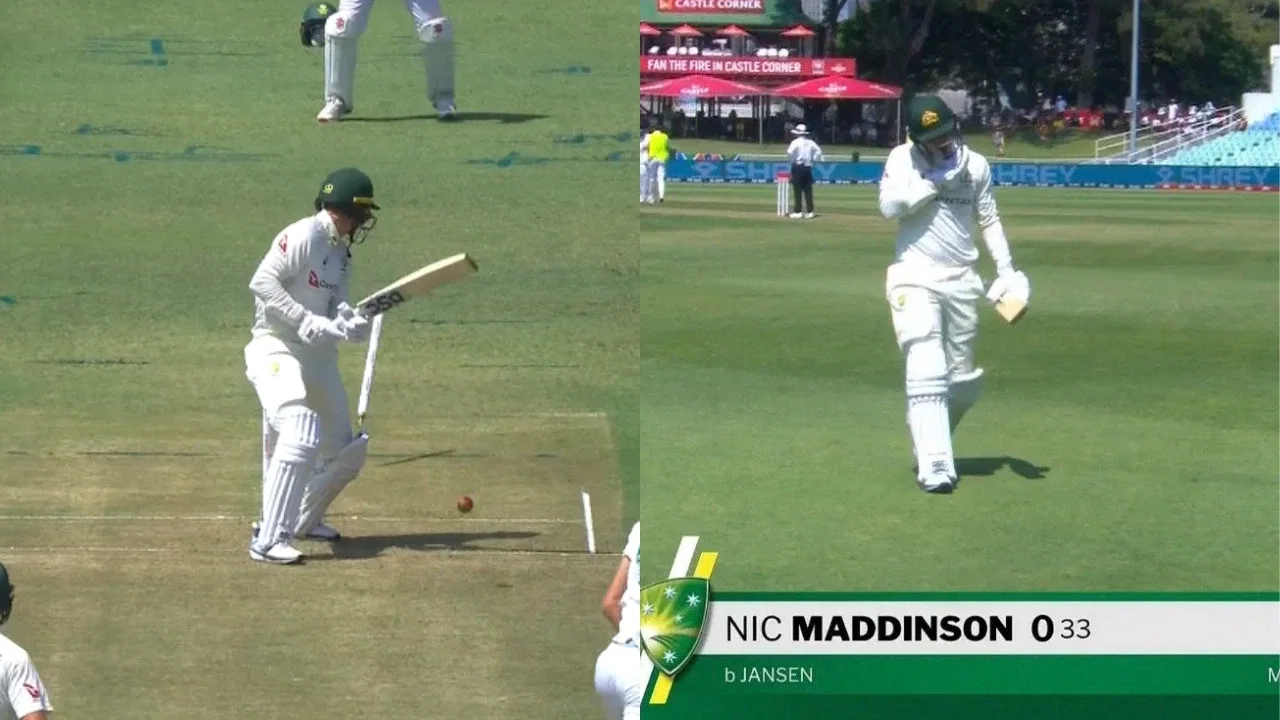
Nic Maddinson bags 33-ball duck on Test comeback, disappoints George Bailey
Imran Tahir predicts 2027 ICC ODI World Cup Semi-Finalists, snubs India for title
Australia create unwanted history with first all-30-plus Test XI
Ravindra Jadeja returns to Ranji Trophy as Saurashtra announce squad