Sri Lanka President steps in for high-stakes meeting with cricket chief – Sacking imminent?
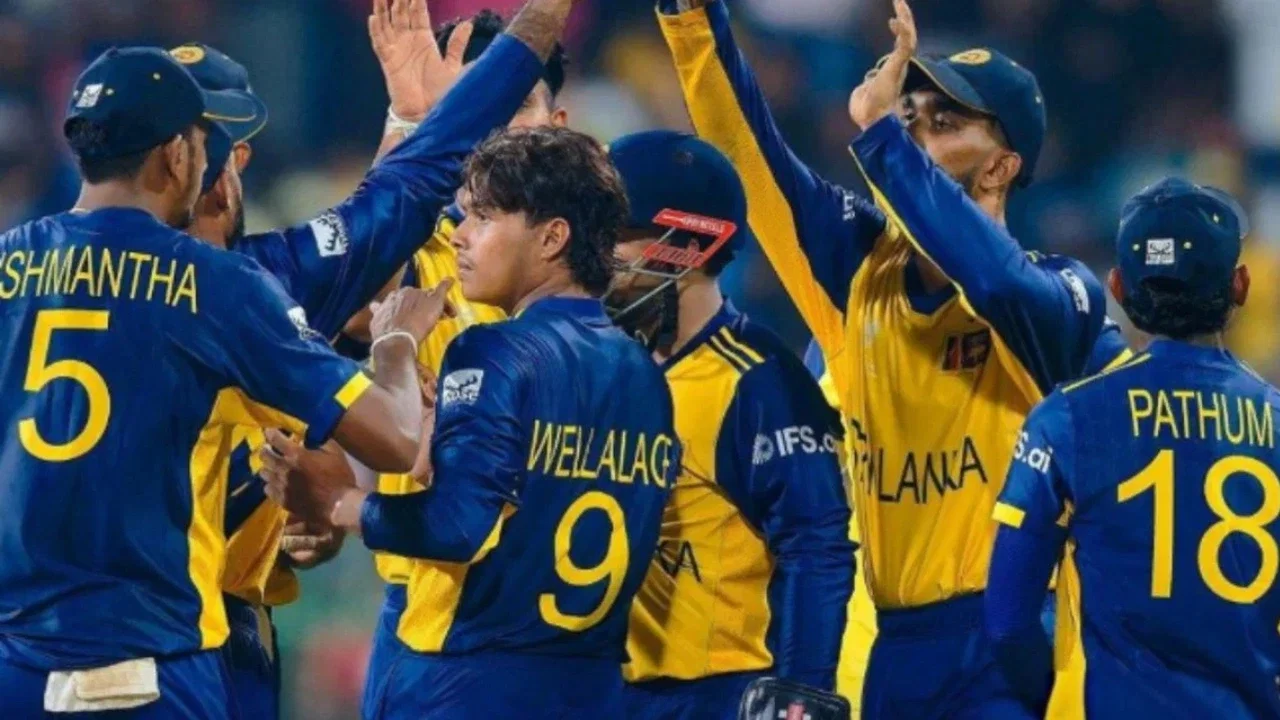
Sri Lanka President to Meet Cricket Board Chief Amid Speculation of Leadership Change
Sri Lanka President Anura Kumara Dissanayake is set to hold a crucial meeting with the country’s cricket board chief, Shammi Silva, on Friday, amid mounting speculation surrounding a potential shake-up in leadership within the board.
The talk of a possible change in leadership comes as reports suggest that the government is contemplating the appointment of an interim administration, with a desire for Shammi Silva to step down to facilitate the immediate installation of a new administration starting May 1. This proposed move is driven by concerns over player unrest, a decline in performance, and disappointing showings by the national team in recent tournaments.
Legal and International Implications
Shammi Silva, who secured his current presidential term last year, is scheduled to serve until May 2027. However, Sri Lanka’s 1973 Sports Law grants the Sports Minister the authority to dissolve governing bodies, a legal provision that clashes with ICC regulations against political interference.
Any potential decision to replace Shammi Silva will be made after consulting the International Cricket Council to avoid a repeat of the controversy that ensued in December 2024, when Sri Lanka faced suspension due to political meddling, leading to significant financial and reputational losses, including the loss of hosting rights for the 2025 Under-19 World Cup.
Pressure Mounts After Poor T20 World Cup 2026 Performance
The current administrative tensions follow Sri Lanka’s lackluster campaign in the recently concluded T20 World Cup 2026. Despite co-hosting the tournament with India, the Dasun Shanaka-led team failed to make an impact, bowing out in the Super Eight stage with three consecutive defeats on home soil.
Losses to England and New Zealand, coupled with batting struggles, drew heavy criticism from fans. The tournament came to an end with a narrow five-run loss to Pakistan, adding to the pressure on the board and prompting growing government concern over the state of the team’s performance.
Stakeholders Navigate Delicate Balance
President Anura Kumara Dissanayake’s upcoming meeting with Shammi Silva on April 24 signifies a critical juncture for Sri Lanka Cricket. Both parties must navigate the situation delicately, ensuring compliance with local sports laws while upholding the board’s independence, a prerequisite set by the ICC.
The goal is to manage any potential leadership transition smoothly, mitigating the risk of another suspension from international cricket that could have far-reaching consequences for Sri Lanka’s cricketing future.
This developing story underscores the need for a careful and strategic approach to handling the governance of cricket in Sri Lanka, balancing internal concerns with international regulations to secure the country’s standing in the global cricket community.
Potential Candidates for Leadership
As speculation swirls around the potential change in leadership within Sri Lanka Cricket, there is growing interest in who may step up to lead the board if Shammi Silva resigns. Several names have been floated as possible candidates, including former cricketers and experienced administrators with a deep understanding of the game.
Former captains such as Mahela Jayawardene and Kumar Sangakkara have been mentioned as potential contenders for the position. Their wealth of experience in international cricket, both as players and coaches, could bring a fresh perspective and much-needed expertise to the board’s leadership. Additionally, individuals with a strong background in sports administration, such as former board officials or respected cricket administrators, may also be considered to steer Sri Lanka Cricket in a new direction.
Rebuilding Team Performance and Morale
One of the key challenges facing the new administration, should a leadership change occur, will be to rebuild the national team’s performance and morale. The recent string of disappointing results in international tournaments has not only frustrated fans but also raised concerns about the team’s competitiveness on the global stage.
The incoming leadership will need to focus on creating a nurturing and supportive environment for players, fostering talent development, and implementing strategic plans to enhance the team’s performance. This may involve restructuring coaching staff, scouting new talent, and providing the necessary resources and support systems to help players excel in their roles.
Engagement with Stakeholders and Fans
Another crucial aspect of effective leadership in Sri Lanka Cricket will be to engage with stakeholders and fans to build trust, transparency, and accountability. Open communication channels with cricketing associations, sponsors, media, and the general public will be essential to garner support for the board’s initiatives and decisions.
Creating opportunities for fan engagement, such as town hall meetings, interactive social media platforms, and public forums, can help bridge the gap between the governing body and the cricketing community. By involving stakeholders in the decision-making process and actively listening to their feedback and suggestions, the new leadership can foster a sense of ownership and unity within the cricketing fraternity.
Strategic Planning and Long-Term Vision
As Sri Lanka Cricket looks to navigate through a potential leadership transition, it is imperative for the board to establish a clear strategic plan and long-term vision for the future of the sport in the country. This may involve setting achievable goals, implementing performance metrics, and creating pathways for player development from grassroots to the national team level.
By charting a course for sustainable growth and success, the new leadership can instill confidence in players, coaches, fans, and sponsors, ensuring that Sri Lanka Cricket remains a competitive force in the global cricketing landscape. A focus on talent identification, infrastructure development, and grassroots programs will be critical in shaping the next generation of cricketers and securing the country’s place in international cricket.
Conclusion
As Sri Lanka Cricket stands at a crossroads with the possibility of a leadership change on the horizon, the coming days will be crucial in determining the direction of the sport in the country. With a focus on rebuilding team performance, engaging with stakeholders and fans, and setting a clear strategic vision, the new administration has the opportunity to usher in a new era of success and growth for Sri Lanka Cricket.
By harnessing the talent and passion of its players and supporters, Sri Lanka Cricket can overcome its current challenges and emerge stronger and more competitive on the global stage. The decisions made in the coming weeks will not only shape the future of cricket in Sri Lanka but also impact the country’s standing in the international cricketing community for years to come.
Latest News

Top 10 highest run-chases in T20 cricket history, ft. West Indies’ Ranchi win vs India

Aaryavir Sehwag and Anvay Dravid set to make headlines at U19 Asia Cup 2026

Longest ducks in Test cricket history ft. Nic Maddinson, Shoaib Akhtar

ECB to offer 39 central contracts to England players after Ben Stokes, Mark Wood’s retirement

Steve Smith surpasses Steve Waugh in all-time Test run-scorers’ list

Shane Watson identifies Gautam Gambhir’s biggest problem as India struggle for consistency
Is Bhuvneshwar Kumar in India’s 2027 World Cup plans? Ajinkya Rahane makes revelation
BCCI’s big ₹127 Crore move after injury crisis raises concerns over Team India
Parthiv Patel reveals RCB ignored his Jasprit Bumrah recommendation in IPL 2014 Auction
“Never spoke ill of any faith”: Irfan Pathan hits back at fake news using his name
Nic Maddinson bags 33-ball duck on Test comeback, disappoints George Bailey
Imran Tahir predicts 2027 ICC ODI World Cup Semi-Finalists, snubs India for title
Australia create unwanted history with first all-30-plus Test XI
Ravindra Jadeja returns to Ranji Trophy as Saurashtra announce squad