Stuart Broad attacks ICC for punishing Mohammed Siraj, exposes hypocrisy as Shubman Gill escapes fine
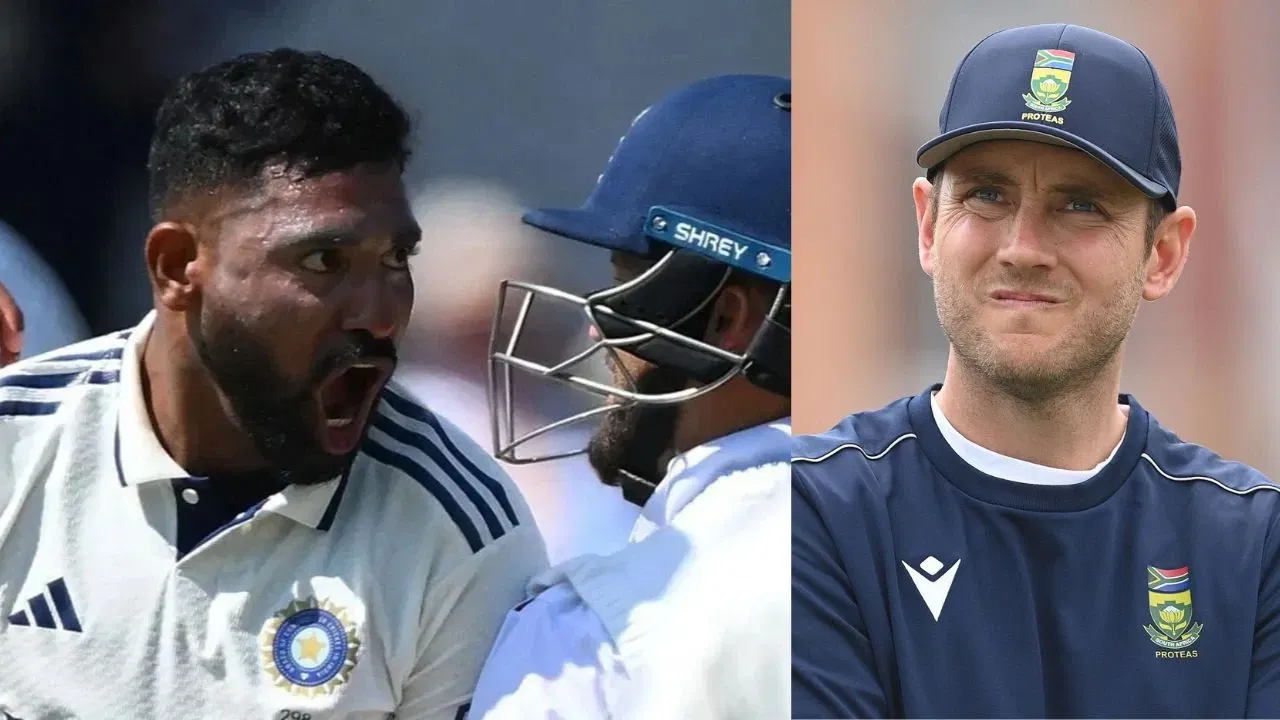
Stuart Broad Criticizes ICC’s Sanction on Mohammed Siraj for Aggressive Celebration
Former England cricketer Stuart Broad has recently expressed his concerns regarding the International Cricket Council’s (ICC) decision to penalize Team India pacer Mohammed Siraj for his aggressive celebration during the third Test match. Broad highlighted the lack of action taken against Indian captain Shubman Gill despite Siraj being fined 15% of his match fee for the incident.
Siraj Penalized for Breaching ICC Code of Conduct
During the third Test at Lord’s, Mohammed Siraj celebrated aggressively after dismissing England’s Ben Duckett with a catch at mid-on. The ICC fined Siraj for breaching Article 2.5 of the ICC Code of Conduct, which prohibits players from using language, actions, or gestures that could provoke an aggressive reaction from a batter upon dismissal in an International Match.
Despite the fine imposed on Siraj, no action was taken against Shubman Gill, who was caught swearing on live television during the same match. Broad expressed his discontent with the inconsistency in applying disciplinary measures and called for fairness and consistency in enforcing the rules.
Gill’s Altercation with Zak Crawley Leads to Tension
The tension between the two teams escalated further when Indian captain Shubman Gill confronted England’s Zak Crawley during the match. Crawley’s deliberate time-wasting tactics and gestures towards the dressing room led to a heated exchange between the players, prompting the umpires to intervene and calm the situation.
India’s total of 387 runs in the innings equaled England’s first-innings score. The match witnessed intense moments on the field, with players from both sides engaging in verbal altercations and confrontations. The ICC’s handling of disciplinary matters has come under scrutiny following the contrasting treatment of Mohammed Siraj and Shubman Gill for their respective actions during the game.
ICC Imposes Demerit Point on Mohammed Siraj
Following the incident, Mohammed Siraj received a demerit point from the ICC, marking his second offence within a 24-month period. The pacer had previously been penalized during the Adelaide Test of the 2024-25 Border-Gavaskar Trophy against Australia. Under ICC regulations, accumulating four or more demerit points within two years can lead to a player facing a ban.
Stuart Broad’s comments on the disciplinary actions taken by the ICC have sparked a debate among fans and experts in the cricketing world. The need for consistent and fair application of rules and sanctions remains a topic of discussion as the sport continues to address issues related to player behavior and conduct on the field.
Impact of ICC’s Decisions on Player Behavior
The recent incidents in the India vs. England series have raised questions about the effectiveness of the ICC’s disciplinary measures in maintaining player conduct on the field. The disparity in the penalties imposed on Mohammed Siraj and Shubman Gill has sparked debates about the consistency and fairness of the governing body’s actions.
Player behavior is crucial in shaping the spirit of the game and setting the right example for fans, especially younger audiences who look up to their favorite cricketers. The ICC plays a significant role in upholding the integrity of cricket by enforcing codes of conduct and ensuring that players adhere to the highest standards of sportsmanship.
Need for Clear Guidelines and Enforcement
One of the challenges faced by the ICC is establishing clear guidelines on what constitutes acceptable behavior on the field. While emotions can run high during competitive matches, it is essential for players to maintain respect for the game, their opponents, and match officials at all times.
Consistent enforcement of rules is crucial in deterring misconduct and promoting a culture of mutual respect among players. By holding players accountable for their actions and applying sanctions fairly across all teams, the ICC can help create a more harmonious and disciplined environment on the cricket field.
Educating Players on Sportsmanship
Another aspect that the ICC can focus on is educating players about the importance of sportsmanship and the impact of their behavior on the game’s reputation. By instilling values of fair play, respect, and integrity in cricketers from a young age, the governing body can contribute to fostering a positive and inclusive cricketing community.
Training programs, workshops, and awareness campaigns can be implemented to raise awareness about the significance of upholding ethical standards in cricket. Emphasizing the role of players as ambassadors of the sport can encourage them to demonstrate exemplary conduct both on and off the field.
Building a Culture of Respect in Cricket
Ultimately, the goal is to cultivate a culture of respect and sportsmanship in cricket, where players prioritize the spirit of the game above individual rivalries or emotions. By setting clear expectations and enforcing rules consistently, the ICC can help shape a more disciplined and honorable environment for players to compete in.
As the cricketing world continues to evolve, the emphasis on fair play, integrity, and respect remains fundamental to preserving the essence of the sport. Through proactive measures and effective governance, the ICC can uphold the values that define cricket and inspire future generations of players to uphold the highest standards of conduct.
Latest News
Top 10 highest run-chases in T20 cricket history, ft. West Indies’ Ranchi win vs India
Aaryavir Sehwag and Anvay Dravid set to make headlines at U19 Asia Cup 2026
Longest ducks in Test cricket history ft. Nic Maddinson, Shoaib Akhtar
ECB to offer 39 central contracts to England players after Ben Stokes, Mark Wood’s retirement
Steve Smith surpasses Steve Waugh in all-time Test run-scorers’ list

Shane Watson identifies Gautam Gambhir’s biggest problem as India struggle for consistency
Is Bhuvneshwar Kumar in India’s 2027 World Cup plans? Ajinkya Rahane makes revelation

BCCI’s big ₹127 Crore move after injury crisis raises concerns over Team India
Parthiv Patel reveals RCB ignored his Jasprit Bumrah recommendation in IPL 2014 Auction
“Never spoke ill of any faith”: Irfan Pathan hits back at fake news using his name
Nic Maddinson bags 33-ball duck on Test comeback, disappoints George Bailey
Imran Tahir predicts 2027 ICC ODI World Cup Semi-Finalists, snubs India for title
Australia create unwanted history with first all-30-plus Test XI
Ravindra Jadeja returns to Ranji Trophy as Saurashtra announce squad