Sunil Gavaskar accuses ICC of bias against sub-continent pitches
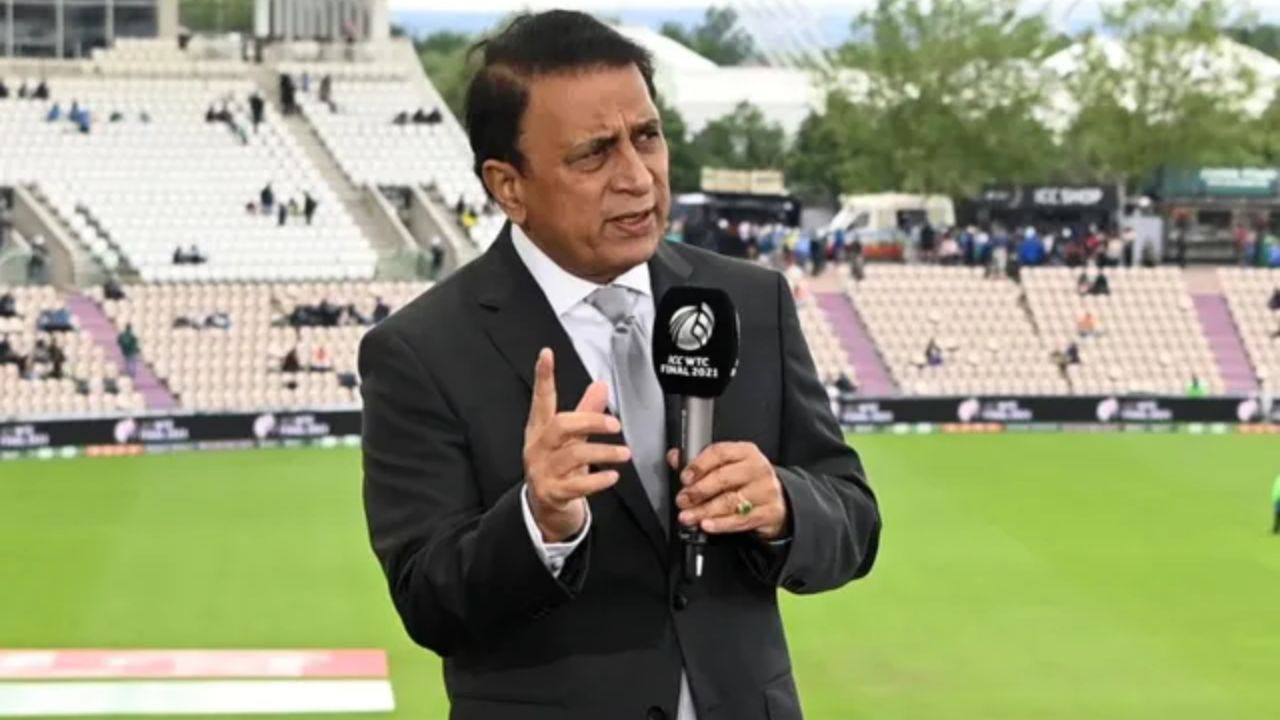
Sunil Gavaskar Criticizes ICC for Biased Pitch Ratings
Legendary Indian cricketer Sunil Gavaskar recently took a stand against the International Cricket Council (ICC) for what he perceives as double standards in pitch ratings. Gavaskar, a former Indian captain, believes that there is a prevailing bias when it comes to evaluating pitches based on the challenges they present to batters.
Gavaskar’s Perspective on Pitch Ratings
Contrary to popular belief that facing fast bowling on bouncy pitches is the ultimate test for batters, Gavaskar argues that the true test lies in playing on turning pitches. In a recent discussion about the first Ashes Test in Perth, where the pitch caused quite a stir, Gavaskar emphasized the importance of spin-friendly tracks.
Gavaskar expressed his dismay at the tendency to praise fast and dangerous pitches while criticizing surfaces that offer turn and keep low. He highlighted the long-standing double standard in pitch ratings, noting that even fans in the subcontinent have internalized this bias.
Challenges of Playing on Turning Tracks
In his column for Sportstar, Gavaskar emphasized the skill and talent required to bat on turning pitches. He explained that it’s not just about playing forward or backward but also about using footwork, judging the ball early, and sometimes moving down the pitch to counter the spin effectively.
Gavaskar debunked the misconception that countering fast bowlers by stepping out of the crease is a reliable strategy, emphasizing that mastering spin requires a different level of control and precision.
The Definition of Greatness in Batting
Gavaskar firmly stated that a batter can only be considered great if they can perform well on turning pitches. He argued that struggling on spin-friendly surfaces indicates a lack of mastery in the toughest challenge of batting.
Furthermore, Gavaskar criticized the prevailing narrative that only batters who excel on fast, bouncy tracks are deserving of praise. He called for a shift in mindset, urging experts to recognize and appreciate the skill required to succeed on turning pitches.
Changing the Perception of Batting Excellence
Gavaskar concluded by highlighting the need to reassess how batters are rated globally. He emphasized that success on turning pitches should be given equal weightage as performance on fast tracks, and called for a more balanced and fair evaluation of batters based on their ability to adapt to different conditions.
As the debate on pitch ratings continues, Sunil Gavaskar’s insights serve as a reminder of the diverse challenges that batters face and the importance of recognizing and rewarding mastery on all types of pitches.
The Impact of Pitch Conditions on Cricket Strategy
While fast and bouncy pitches have long been celebrated for testing a batter’s reflexes and courage against aggressive pacers, the role of spin-friendly tracks in cricket cannot be overlooked. The ability to negotiate sharp turn, variable bounce, and subtle variations in spin demands a different set of skills and tactics. Batsmen must display patience, precision, and adaptability to succeed on these challenging surfaces.
Moreover, playing on turning tracks requires a deep understanding of the game, as batters must anticipate the trajectory of the ball, read the bowler’s intentions, and make split-second decisions to survive and score runs. This intricate dance between bat and ball on spinning pitches showcases the essence of cricket as a game of skill, strategy, and mental fortitude.
The Evolution of Cricketing Legends
Looking back at the history of cricket, many legendary batters have left an indelible mark by excelling on diverse pitch conditions. From Sir Don Bradman’s dominance on fast Australian wickets to Sachin Tendulkar’s masterful performances on both seaming and turning tracks, the true greats of the game have showcased their versatility and adaptability across all playing surfaces.
By broadening the criteria for greatness in batting to include success on spinning pitches, cricket enthusiasts can appreciate the full spectrum of skills that top-tier batters possess. This shift in perspective not only acknowledges the complexities of the sport but also honors the artistry and craftsmanship that define a truly exceptional batsman.
Embracing Diversity in Cricketing Challenges
As the debate on pitch ratings continues to stir conversations within the cricketing community, it is essential to recognize the beauty of diversity in playing conditions. Just as no two pitches are alike, no two batters approach the game in the same way. By celebrating the range of challenges that cricketers face, fans and experts alike can foster a more inclusive and nuanced understanding of the sport.
Ultimately, Sunil Gavaskar’s critique of biased pitch ratings serves as a call to action for cricket’s governing bodies, media outlets, and fans to reevaluate their perceptions of batting excellence. By embracing the multiplicity of conditions that test a batter’s skill and character, cricket can continue to evolve as a sport that values adaptability, creativity, and resilience in equal measure.
Conclusion
In conclusion, the debate around pitch ratings and their impact on the evaluation of batters is a nuanced and multifaceted discussion. By expanding the criteria for greatness in batting to encompass success on turning tracks, cricket can honor the diverse skills and talents that make the sport so captivating. As Sunil Gavaskar advocates for a fair and balanced assessment of batters across all pitch conditions, the cricketing world has an opportunity to celebrate the rich tapestry of challenges and triumphs that define the game.
Latest News

BCCI invites all stakeholders for high-profile meeting ahead of IPL 2027

New Zealand suffer blow as William O’Rourke misses India ODIs and Tests
Top 10 highest run-chases in T20 cricket history, ft. West Indies’ Ranchi win vs India
Aaryavir Sehwag and Anvay Dravid set to make headlines at U19 Asia Cup 2026
Longest ducks in Test cricket history ft. Nic Maddinson, Shoaib Akhtar
ECB to offer 39 central contracts to England players after Ben Stokes, Mark Wood’s retirement

Steve Smith surpasses Steve Waugh in all-time Test run-scorers’ list

Shane Watson identifies Gautam Gambhir’s biggest problem as India struggle for consistency

Is Bhuvneshwar Kumar in India’s 2027 World Cup plans? Ajinkya Rahane makes revelation

BCCI’s big ₹127 Crore move after injury crisis raises concerns over Team India

Parthiv Patel reveals RCB ignored his Jasprit Bumrah recommendation in IPL 2014 Auction
“Never spoke ill of any faith”: Irfan Pathan hits back at fake news using his name
Nic Maddinson bags 33-ball duck on Test comeback, disappoints George Bailey

Imran Tahir predicts 2027 ICC ODI World Cup Semi-Finalists, snubs India for title