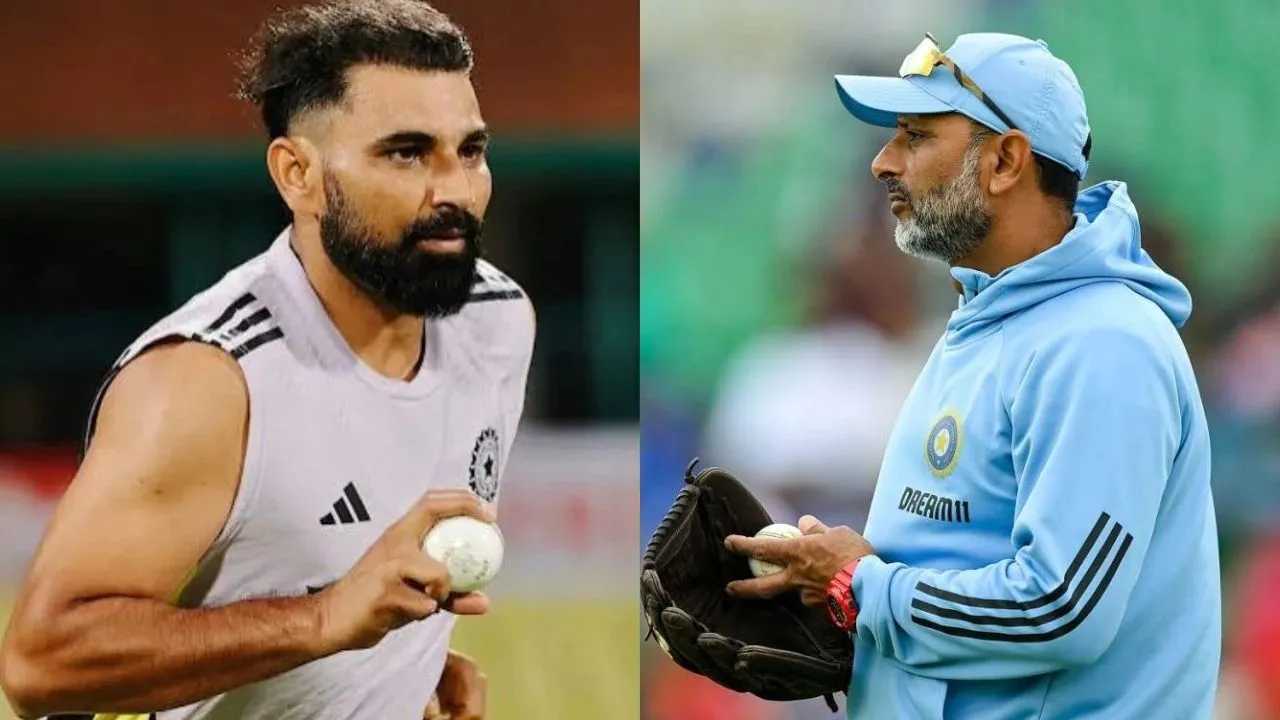
Sunil Gavaskar explains why larger boundaries will benefit Indian batters
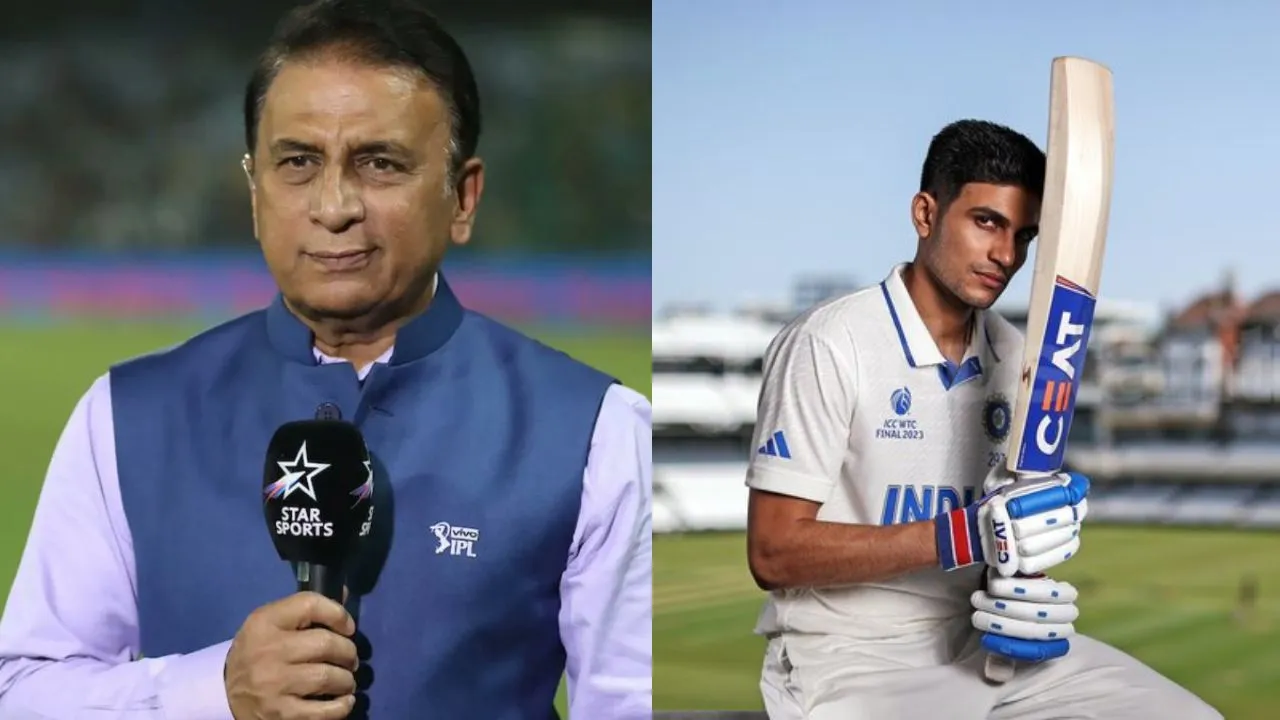
Sunil Gavaskar Advocates for Increased Boundary Sizes in India Ahead of ODI World Cup 2027
Former India captain Sunil Gavaskar has recently shared his insights on the importance of increasing boundary sizes in India to better prepare for the upcoming ODI World Cup 2027. Gavaskar emphasized the need for Indian batters to get a better feel of the major tournament, as some venues in countries like South Africa, Zimbabwe, and Namibia have larger boundaries.
Preparing for the Challenges Ahead
The ODI World Cup 2027 is scheduled to take place from October 4 to November 21. Apart from this tournament, Australia and New Zealand will host the T20 World Cup the following year. Gavaskar highlighted that the boundaries in these tournaments will be longer than what Indian players are used to under home conditions, making it essential to adapt to the new dimensions and challenging conditions.
Gavaskar’s Recommendations for India
In his Sportstar column, Gavaskar urged the Board of Control for Cricket in India (BCCI) to increase boundary sizes as soon as the new season for the India National Cricket Team commences. He pointed out that utilizing the space behind LED advertising boards at various grounds can automatically lead to an increase in boundary size, providing batters with the necessary practice ahead of the World Cup.
Benefits for Spinners and Medium Pacers
Gavaskar also highlighted that larger boundaries would benefit spinners, allowing them to bowl slower deliveries with more loop and turn. Additionally, medium pacers can effectively use slower balls and cutters without worrying about the ball being hit into the stands. He cited examples of bowlers like Adil Rashid and Will Jacks, who have been successful with this strategy.
Playing Smart Cricket
Gavaskar emphasized the importance of playing smart cricket, especially in ODI formats. He advised India batters to strategize and target weaker bowlers in the opposition’s lineup to maximize runs. Gavaskar suggested that no team has five top bowlers, providing opportunities to capitalize on certain overs during the game.
He stated, “No team in the world has five top bowlers, and there will always be eight to 12 overs in a T20 game where the runs can be looted. Similarly, in the 50-over format, a little patience won’t hurt even if the team is chasing a big score like 380-plus.”
Overall, Sunil Gavaskar’s recommendations aim to equip the Indian team with the necessary skills and mindset to tackle the challenges posed by upcoming tournaments. By focusing on increasing boundary sizes, adapting to different conditions, and playing strategically, India can enhance their performance on the global stage.
The Impact of Boundary Sizes on Player Strategy
Increasing boundary sizes can significantly impact player strategy and gameplay. Batsmen will have to adjust their stroke play and shot selection to find gaps in the field and score boundaries effectively. This adjustment can lead to the development of new techniques and innovative ways to score runs, ultimately improving the overall skill level of Indian batters.
Moreover, bowlers will also benefit from larger boundaries as they can experiment with different bowling variations without the fear of being hit for sixes regularly. Spinners, in particular, can exploit the additional space by varying their flight and lengths to deceive batsmen, thus increasing their effectiveness and contributing to the team’s success.
Enhancing Fielding Skills and Strategies
With larger boundary sizes, fielding becomes even more crucial in restricting the opposition’s scoring. Indian players will need to focus on their agility, speed, and throwing accuracy to prevent boundaries and convert half-chances into wickets. By improving their fielding skills, India can create additional pressure on the opposition, leading to more run-saving opportunities and wicket-taking chances.
Additionally, captains and coaches will need to devise new fielding strategies to counteract the challenges posed by larger boundaries. Placing fielders strategically, rotating bowlers efficiently, and setting innovative fielding placements can play a pivotal role in controlling the flow of runs and building pressure on the batting side.
Psychological Preparation for High-Pressure Situations
Preparing for tournaments like the ODI World Cup requires not only physical and technical readiness but also mental strength and psychological preparedness. The prospect of playing in unfamiliar conditions with larger boundaries can create added pressure on players, leading to potential performance anxiety and stress.
India’s cricketers will need to work on their mental resilience, focus, and composure to handle high-pressure situations effectively. Developing a positive mindset, staying calm under pressure, and maintaining confidence in their abilities will be essential for Indian players to succeed in challenging environments and critical moments during crucial matches.
Strategic Partnerships with Grounds and Stadium Authorities
In order to implement Sunil Gavaskar’s recommendations effectively, the BCCI should consider establishing strategic partnerships with grounds and stadium authorities across India. By collaborating with these organizations, the BCCI can work towards modifying existing cricket venues to accommodate larger boundary sizes and create practice facilities that mimic the conditions of international tournaments.
Furthermore, conducting training camps and practice matches at venues with extended boundaries can provide Indian players with valuable experience and exposure to the challenges they will face in overseas tournaments. This hands-on approach to preparation can better equip the team for the rigors of international cricket and enhance their performance on the global stage.
Conclusion
In conclusion, Sunil Gavaskar’s advocacy for increased boundary sizes in India ahead of the ODI World Cup 2027 presents a valuable opportunity for Indian cricket to elevate its standards and prepare for upcoming tournaments effectively. By focusing on adapting to different conditions, enhancing player skills, and implementing strategic changes, India can position itself as a formidable force in international cricket and compete successfully against top cricketing nations.
Through a holistic approach that encompasses technical, tactical, mental, and strategic aspects of the game, Indian cricket can strive for excellence and achieve significant success on the world stage. By embracing change, embracing challenges, and embracing innovation, Indian cricket can pave the way for a bright and successful future in the sport.
Latest News

Top 10 highest run-chases in T20 cricket history, ft. West Indies’ Ranchi win vs India
Aaryavir Sehwag and Anvay Dravid set to make headlines at U19 Asia Cup 2026
Longest ducks in Test cricket history ft. Nic Maddinson, Shoaib Akhtar

ECB to offer 39 central contracts to England players after Ben Stokes, Mark Wood’s retirement

Steve Smith surpasses Steve Waugh in all-time Test run-scorers’ list

Shane Watson identifies Gautam Gambhir’s biggest problem as India struggle for consistency
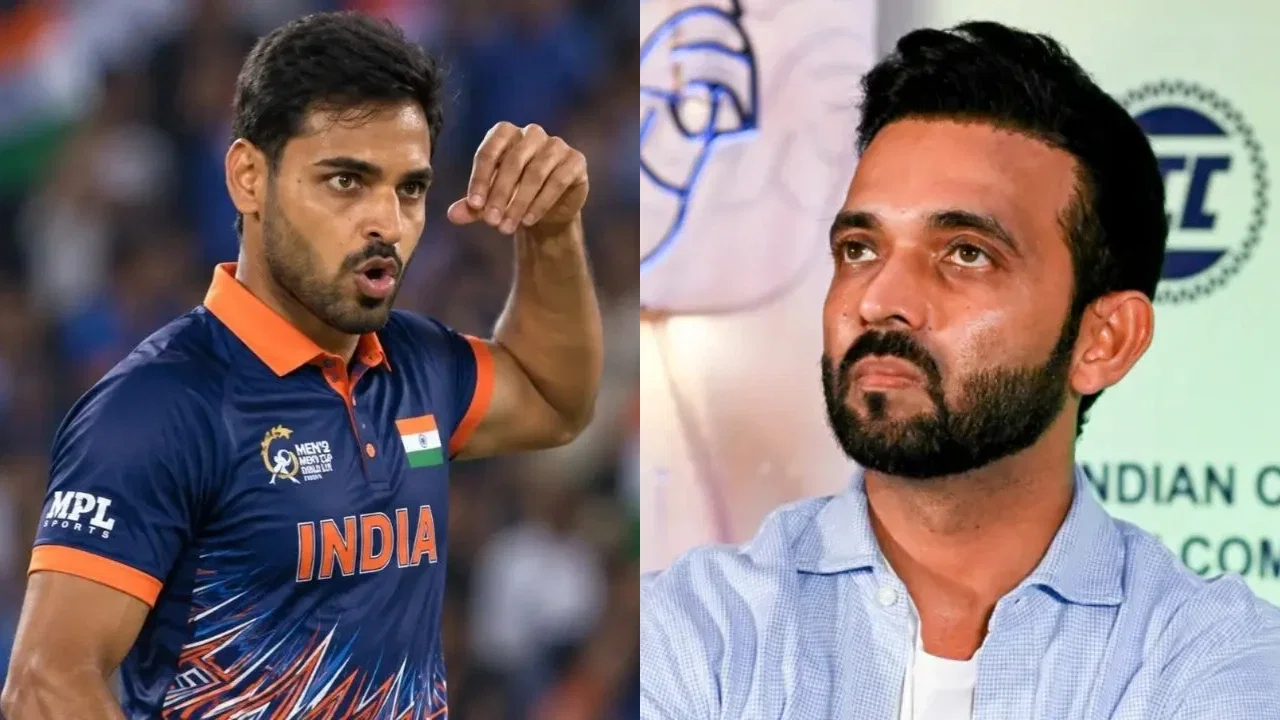
Is Bhuvneshwar Kumar in India’s 2027 World Cup plans? Ajinkya Rahane makes revelation
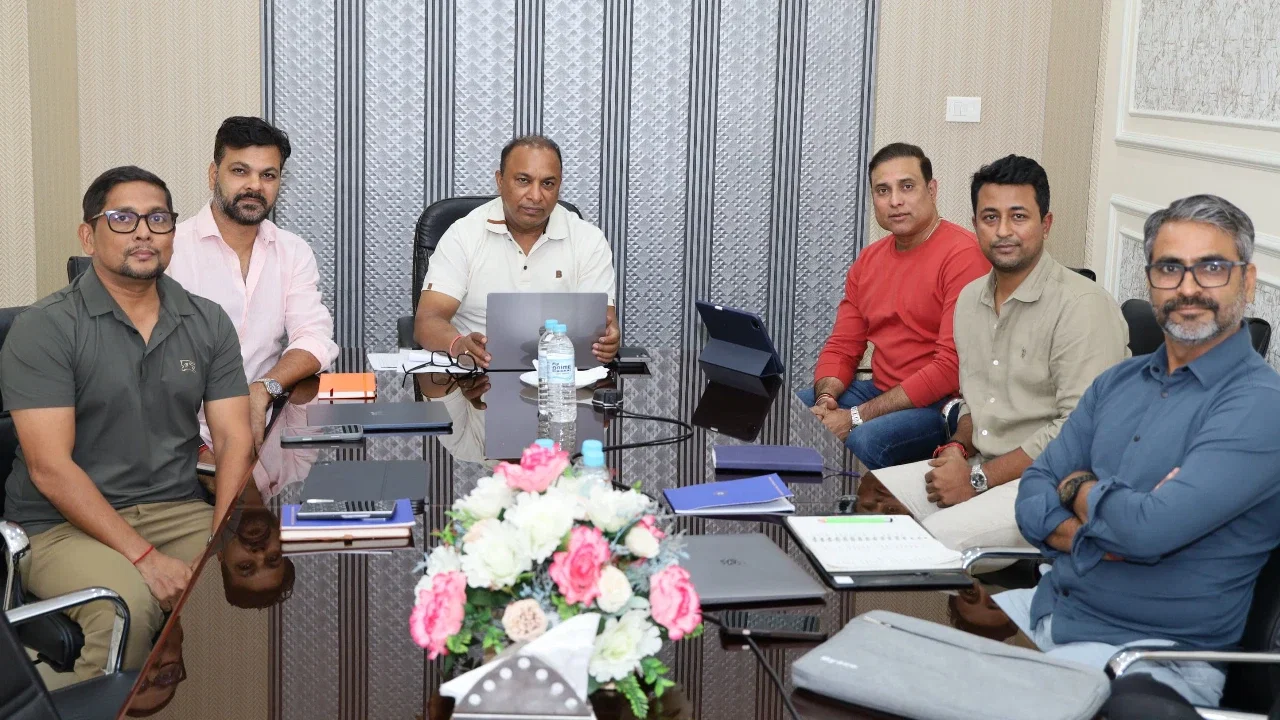
BCCI’s big ₹127 Crore move after injury crisis raises concerns over Team India

Parthiv Patel reveals RCB ignored his Jasprit Bumrah recommendation in IPL 2014 Auction
“Never spoke ill of any faith”: Irfan Pathan hits back at fake news using his name
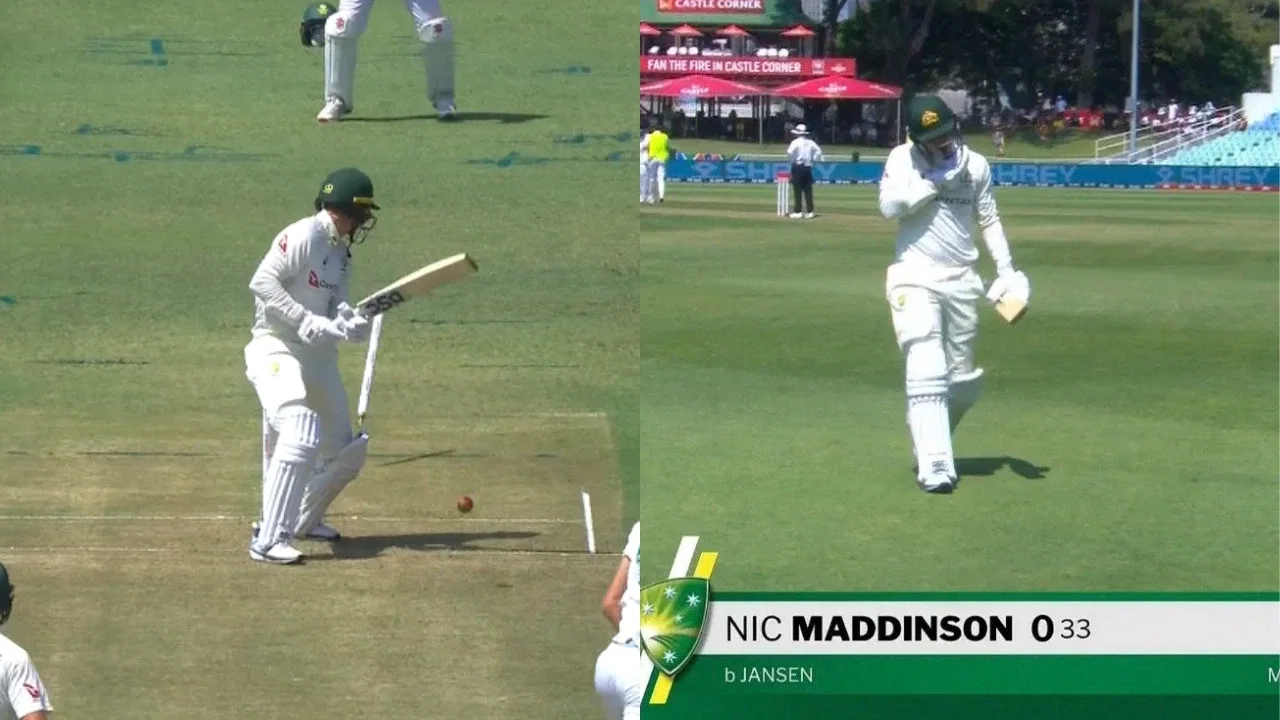
Nic Maddinson bags 33-ball duck on Test comeback, disappoints George Bailey

Imran Tahir predicts 2027 ICC ODI World Cup Semi-Finalists, snubs India for title

Australia create unwanted history with first all-30-plus Test XI
Ravindra Jadeja returns to Ranji Trophy as Saurashtra announce squad