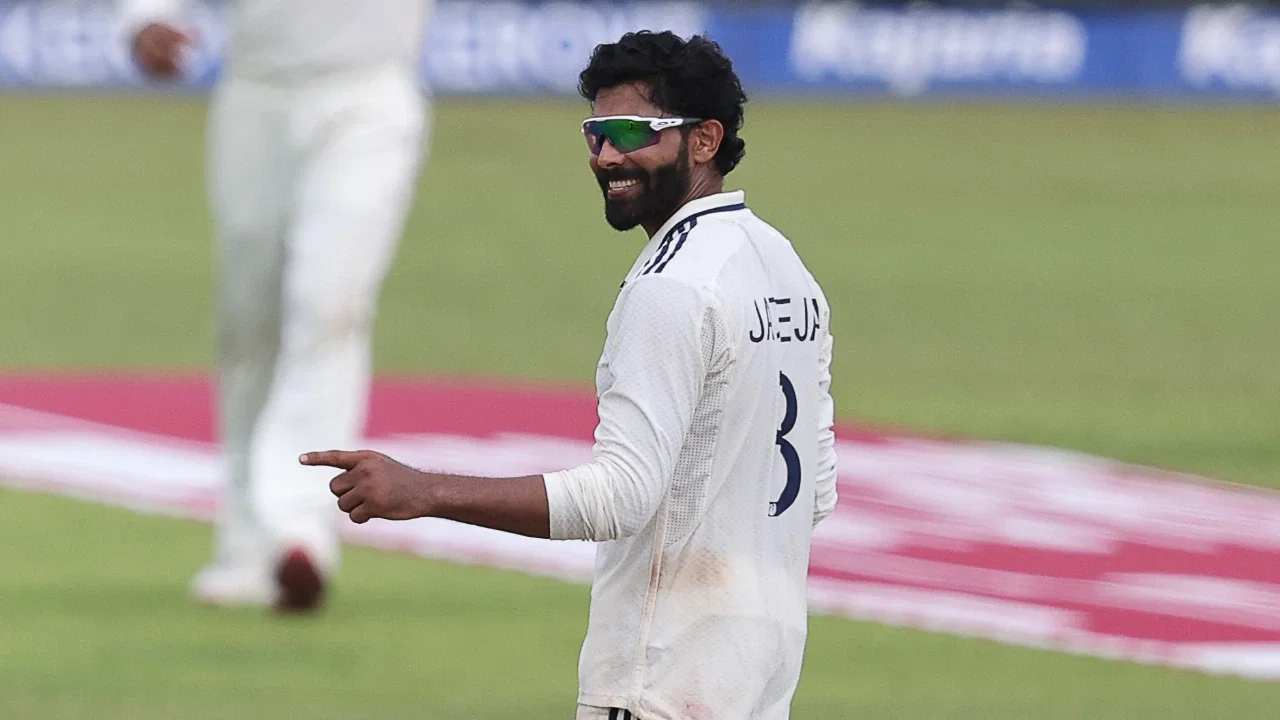
Sunil Gavaskar goes berserk, blames “certain individuals” for India’s shameful ODI series loss vs NZ
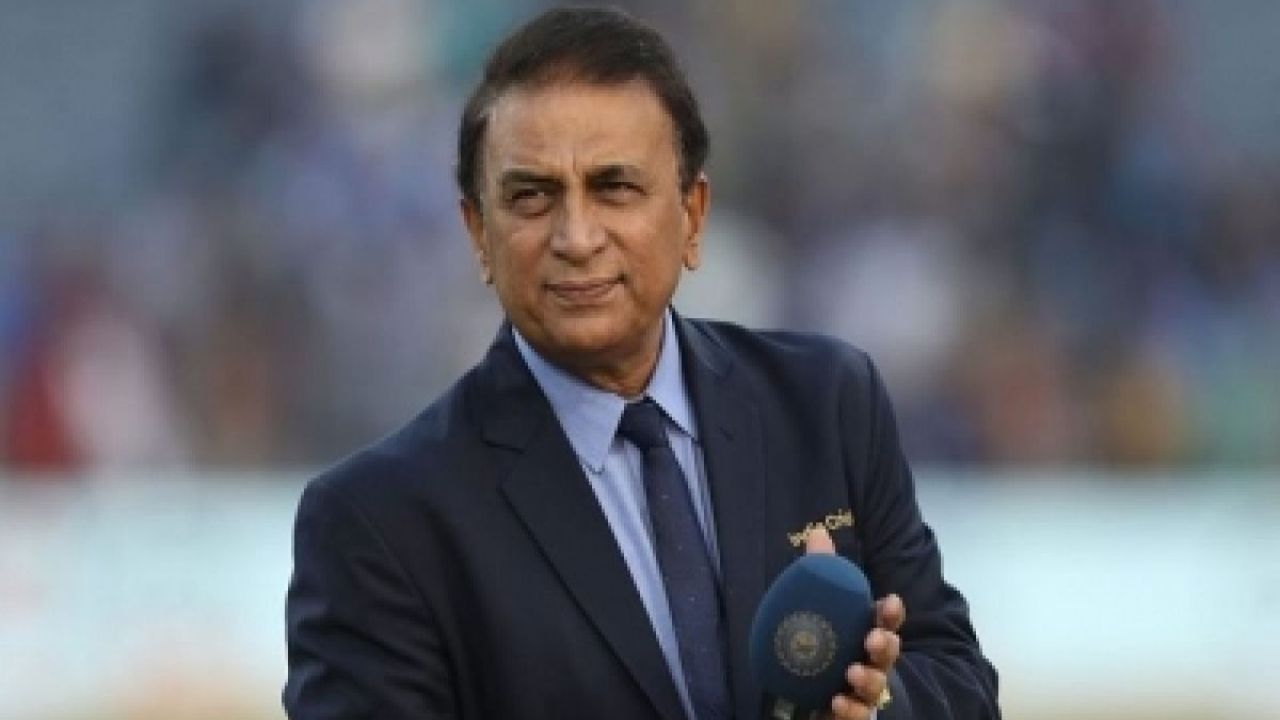
Sunil Gavaskar Criticizes Indian Fielding in Series Loss to New Zealand
Former Indian cricketer Sunil Gavaskar recently pointed out that poor fielding was a significant factor in India’s series defeat against New Zealand. While discussing the matches with Simon Doull, Gavaskar mentioned that India’s fielders were slow to react, allowing the Kiwi batters to easily take singles and keep the scoreboard ticking.
Gavaskar did not single out any specific player by name but emphasized that the fielding effort lacked proactive intent, including top players like Rohit Sharma and Virat Kohli. Despite Sharma’s quickness and Kohli’s athleticism, Gavaskar believed that the Indian fielders could have been more aggressive in their approach.
India’s Struggle in the Series
India’s ODI series loss to New Zealand at home was a significant blow to the Men in Blue, marking the first time the team had lost a series to the Kiwis on home soil. Although India won the opening match, New Zealand bounced back to win the next two games and claim the series victory.
One of the key moments in the series was when India allowed New Zealand to recover from a precarious position of 5/2 to post a challenging total of 338/7 in the third ODI. Despite a brilliant century from Virat Kohli, his 54th in ODIs, India fell short in the chase and lost the match by 41 runs at Holkar.
Virat Kohli’s Heroics in Vain
In the third ODI, Indian bowlers Arshdeep Singh and Harshit Rana made early breakthroughs, dismissing key New Zealand batsmen. However, the failure to take wickets in the middle overs allowed Daryl Mitchell and Glenn Phillips to build a massive partnership of 219 runs for the fourth wicket, propelling New Zealand to a formidable total.
In response, India lost wickets at regular intervals but Kohli’s century and partnerships with Nitish Kumar Reddy and Harshit Rana provided some hope. However, the Indian team ultimately fell short, being bowled out for 296 in 46 overs, handing New Zealand their first ODI series win in India since 1988.
Gavaskar’s Surprise at New Zealand’s Dominance
This was not the first time Gavaskar expressed his surprise at India’s defeat in the series. Following the second ODI in Rajkot, he mentioned his astonishment at New Zealand comfortably chasing down a target that many believed India could defend on a slow pitch.
Gavaskar highlighted the missed opportunity for India to capitalize on the conditions and restrict New Zealand to a lower total. His insights shed light on the areas where India fell short and the improvements needed to bounce back in future series.
Despite the disappointment of the series loss, Indian fans are hopeful that the team will learn from their mistakes and come back stronger in the upcoming matches. With the T20 World Cup on the horizon, India will be looking to address their fielding issues and put up a better performance against strong opponents.
India’s Fielding Woes and Impact on the Series
Sunil Gavaskar’s criticism of India’s fielding performance in the series loss to New Zealand sheds light on a crucial aspect of the game that often goes unnoticed. Fielding is not just about stopping boundaries or taking catches; it also plays a significant role in building pressure on the opposition and creating run-scoring opportunities through direct hits and quick reactions.
India’s fielders seemed lackluster and reactive during the series, allowing New Zealand’s batsmen to capitalize on easy singles and rotate the strike effortlessly. This not only released pressure from the bowlers but also allowed the Kiwis to build partnerships and post challenging totals. The inability to convert half-chances into wickets also cost India dearly, as seen in crucial moments of the series.
Lessons Learned for Team India
As India reflects on the series loss and looks ahead to future challenges, there are valuable lessons to be learned. Fielding has often been an area where India has struggled compared to other top cricketing nations. By addressing these shortcomings and working on proactive fielding strategies, India can enhance their overall performance and competitiveness on the field.
Moreover, the series loss to New Zealand serves as a reality check for India, highlighting the importance of consistency and adaptability in modern cricket. The team needs to identify areas for improvement, including fielding, bowling strategies, and middle-order stability, to ensure better results in upcoming series and tournaments.
Looking Forward to Redemption
Despite the setbacks in the series, Indian fans have reasons to remain optimistic about the team’s future. With a talented squad led by the likes of Virat Kohli, Rohit Sharma, and Rishabh Pant, India has the potential to bounce back strongly and showcase their true capabilities on the field.
As preparations begin for the upcoming T20 World Cup, India’s focus will be on fine-tuning their strategies, addressing fielding weaknesses, and building team cohesion. The team management, under the guidance of head coach Rahul Dravid, will play a crucial role in instilling confidence and resilience in the players ahead of the marquee event.
Conclusion
In conclusion, Sunil Gavaskar’s critique of India’s fielding in the series loss to New Zealand highlights the importance of this aspect in shaping the outcome of matches. While the defeat may sting, it also presents an opportunity for India to introspect, learn from their mistakes, and come back stronger in future contests.
With a talented lineup and a hunger for success, Team India is poised to redeem themselves and make a mark on the international stage once again. As they strive for excellence, addressing fielding deficiencies and honing their skills will be key to achieving their goals and winning the hearts of cricket fans worldwide.
Latest News
New Zealand suffer blow as William O’Rourke misses India ODIs and Tests
Top 10 highest run-chases in T20 cricket history, ft. West Indies’ Ranchi win vs India
Aaryavir Sehwag and Anvay Dravid set to make headlines at U19 Asia Cup 2026
Longest ducks in Test cricket history ft. Nic Maddinson, Shoaib Akhtar
ECB to offer 39 central contracts to England players after Ben Stokes, Mark Wood’s retirement
Steve Smith surpasses Steve Waugh in all-time Test run-scorers’ list

Shane Watson identifies Gautam Gambhir’s biggest problem as India struggle for consistency
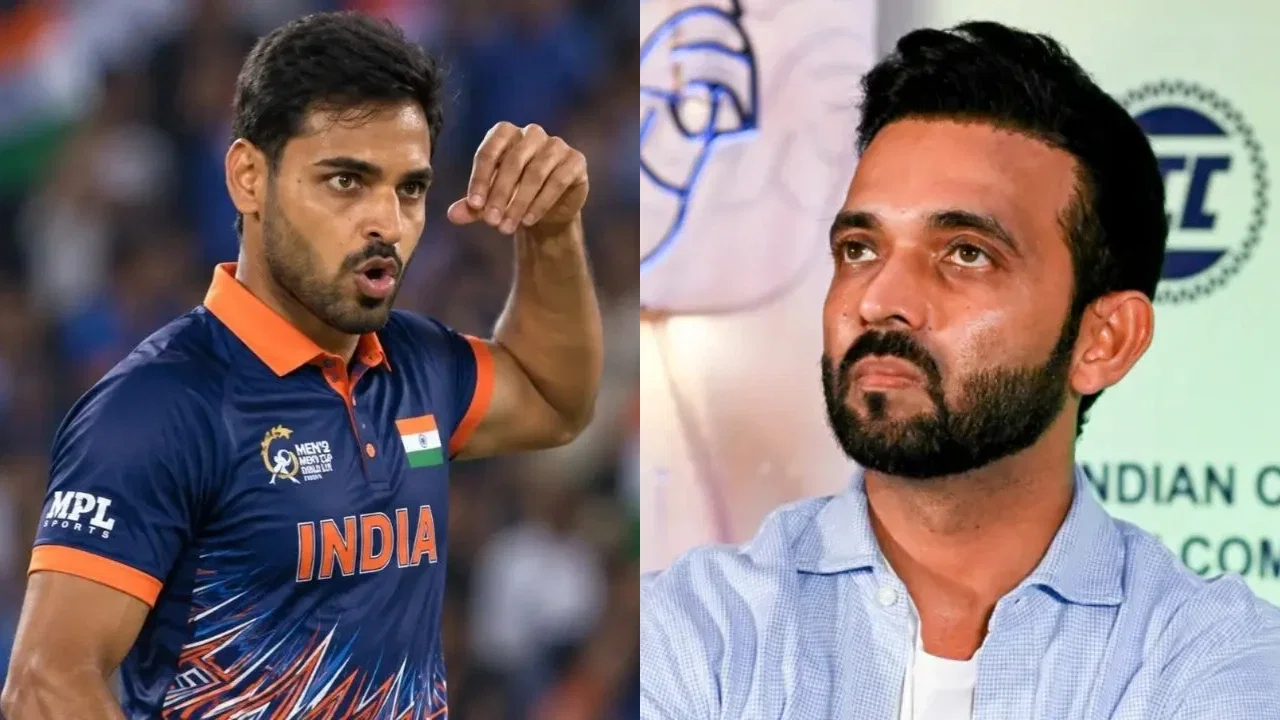
Is Bhuvneshwar Kumar in India’s 2027 World Cup plans? Ajinkya Rahane makes revelation
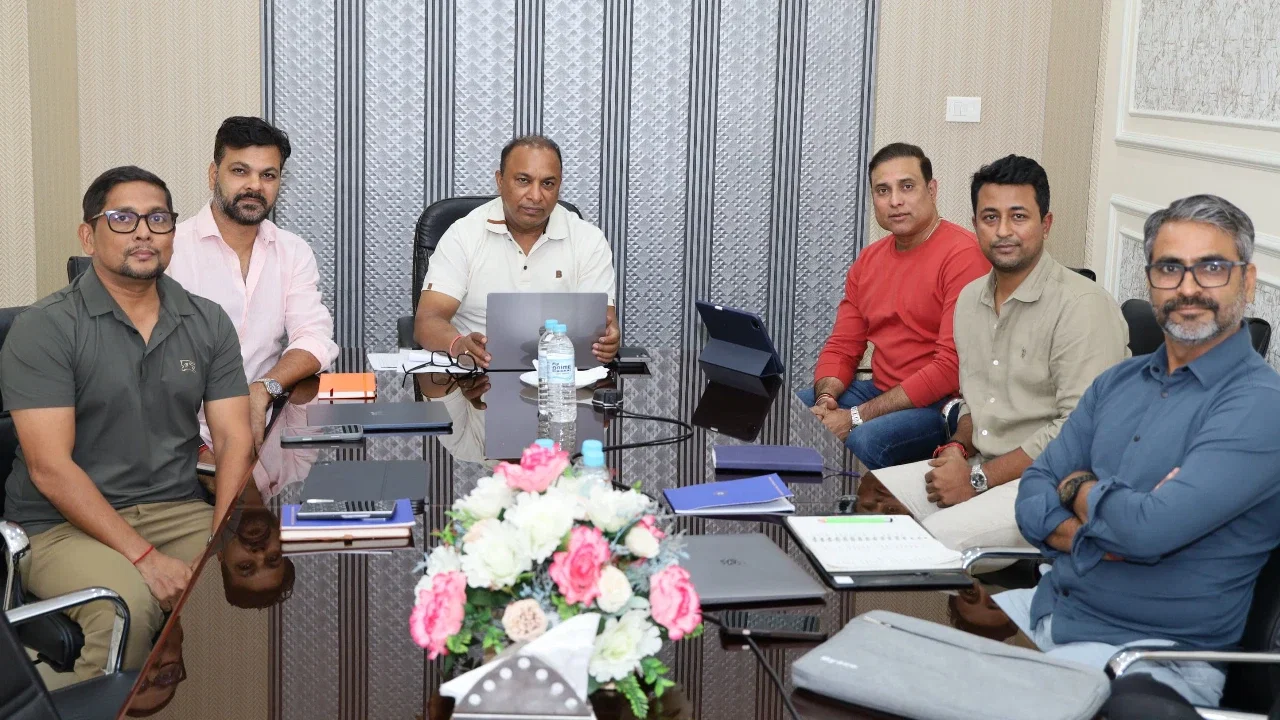
BCCI’s big ₹127 Crore move after injury crisis raises concerns over Team India

Parthiv Patel reveals RCB ignored his Jasprit Bumrah recommendation in IPL 2014 Auction
“Never spoke ill of any faith”: Irfan Pathan hits back at fake news using his name
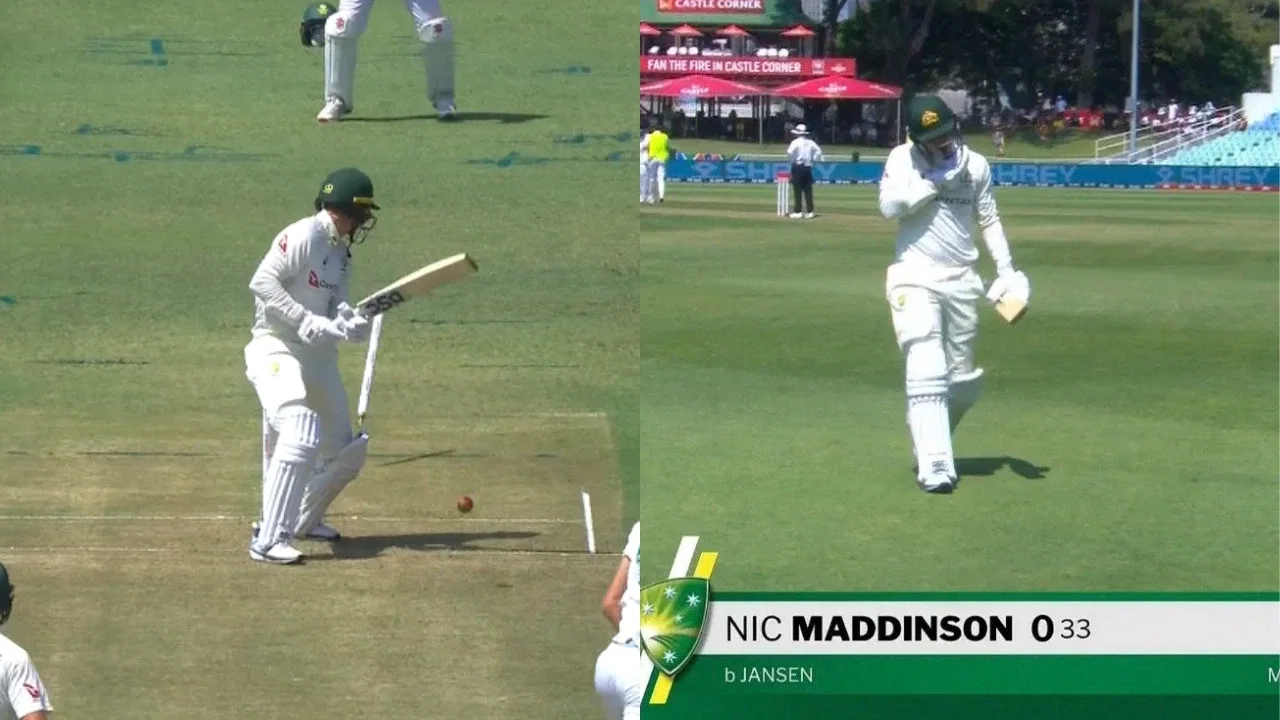
Nic Maddinson bags 33-ball duck on Test comeback, disappoints George Bailey

Imran Tahir predicts 2027 ICC ODI World Cup Semi-Finalists, snubs India for title
Australia create unwanted history with first all-30-plus Test XI