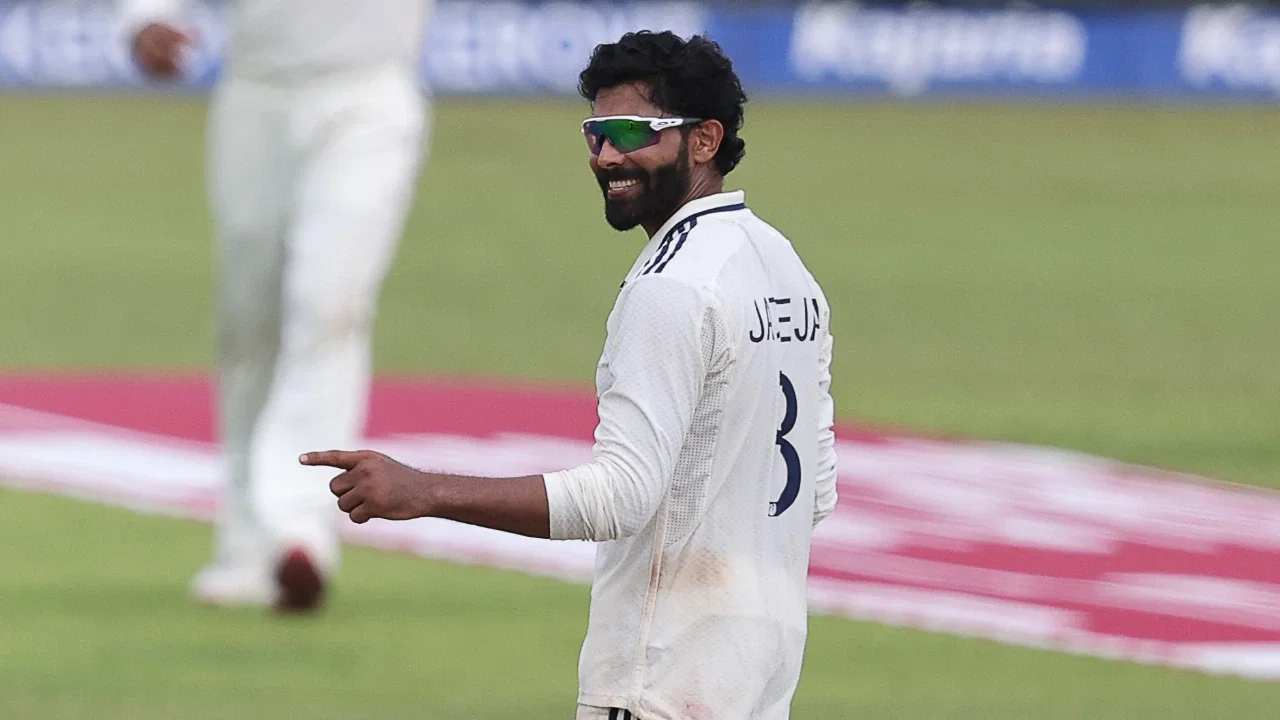
Sunil Gavaskar slams Jay Shah for not banning Pakistan despite controversial behavior in Asia Cup 2025
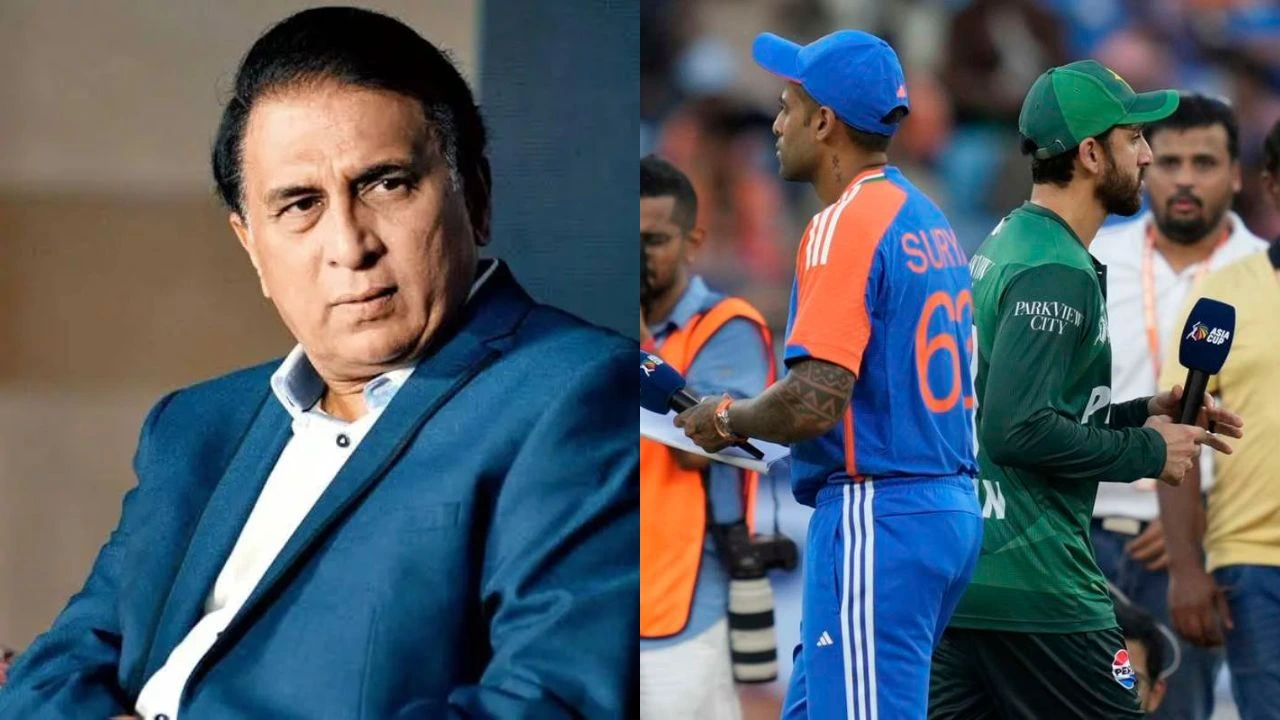
Sunil Gavaskar Criticizes PCB Behavior During Asia Cup 2025
Former Team India cricketer Sunil Gavaskar recently expressed his disappointment with the Pakistan Cricket Board (PCB) for their actions during the Asia Cup 2025 held in the United Arab Emirates (UAE). Gavaskar specifically criticized the PCB’s complaint regarding the lack of handshakes between the Indian and Pakistani teams during the tournament.
Controversy Erupts Over Handshake Incident
During a group-stage match between India and Pakistan, Suryakumar Yadav’s team refused to shake hands with the Pakistani players, sparking a controversy. In response to this, the PCB lodged several complaints with the International Cricket Council (ICC) against match referee Andy Pycroft, alleging that he mishandled the situation on the field.
In his column for Sportstar, Gavaskar questioned the necessity of handshakes in cricket, stating that there is no rule mandating them. He defended India’s decision to skip the handshakes, emphasizing that players should be allowed to follow their customs without facing criticism.
India-Pakistan Match Amidst Tensions
The India-Pakistan encounter during the Asia Cup came at a time of heightened tensions between the two nations, following a terrorist attack in Pahalgam. Fans and former cricketers had urged the Board of Control for Cricket in India (BCCI) to boycott the match, adding more pressure to an already intense rivalry.
Notably, Suryakumar Yadav did not shake hands with Pakistan captain Salman Ali Agha at the toss, and the Indian players also refrained from shaking hands after the match concluded.
PCB’s Actions Under Scrutiny
Gavaskar also pointed out that the Pakistani team had skipped the mandatory pre-match media session, raising questions about their adherence to tournament protocols. He speculated on whether any action would be taken against Pakistan for failing to fulfill this requirement.
Despite the PCB’s threats to withdraw from the Asia Cup if Andy Pycroft was not removed, the ICC stood firm and did not comply with any of their requests. The match between Pakistan and the UAE was delayed by an hour, but the PCB ultimately decided to continue participating in the tournament.
Criticism Towards PCB’s Conduct
Gavaskar criticized the PCB for causing delays and uncertainty during the tournament, describing their behavior as holding the game “to ransom.” He highlighted the importance of timely decisions and professional conduct in cricket matches, urging all teams to uphold the spirit of the game.
In conclusion, Sunil Gavaskar’s critique of the PCB’s actions during the Asia Cup 2025 sheds light on the complexities and tensions surrounding cricket rivalries and the need for sportsmanship to prevail in such high-stakes competitions.
Sportsmanship and National Pride in Cricket Rivalries
The India-Pakistan cricket rivalry is one of the most intense and emotionally charged in the world of sports. Matches between the two nations transcend the boundaries of sport and often become reflections of the political and social tensions between India and Pakistan. As such, every move made by the players and cricket boards is scrutinized and analyzed, adding layers of complexity to an already high-pressure situation.
When it comes to gestures like handshakes before or after a match, these seemingly small actions can carry significant weight in the context of a rivalry as deeply rooted as India vs. Pakistan. For players, coaches, and officials, every decision they make on the field can be magnified and interpreted as a statement of national pride and solidarity.
The Role of Cricket Boards in Managing Tensions
Cricket boards play a crucial role in managing tensions and ensuring that the spirit of the game is upheld above all else. The PCB’s reactions and responses during the Asia Cup 2025 highlighted the challenges faced by cricket boards in navigating politically sensitive situations. While it is important for boards to stand up for their players and seek fairness in officiating, it is equally essential for them to prioritize sportsmanship and professionalism.
By addressing the controversies surrounding the handshakes and media obligations, Sunil Gavaskar’s criticisms shed light on the delicate balance that cricket boards must strike between advocacy for their teams and maintaining the integrity of the game.
Looking Ahead: Predictions for Future India-Pakistan Encounters
As tensions between India and Pakistan continue to simmer on and off the cricket field, it is likely that future encounters between the two teams will be met with similar scrutiny and intensity. The unpredictability of these matches, both in terms of on-field performance and off-field incidents, adds to the anticipation and excitement surrounding India-Pakistan clashes.
However, there is also an opportunity for both cricket boards to leverage the passion and rivalry between the two nations to promote sportsmanship, unity, and mutual respect. By setting aside political differences and focusing on the shared love for the game, India and Pakistan can set a positive example for cricket fans worldwide.
Final Thoughts
In the world of cricket, where emotions run high and national pride is at stake, it is essential for players, officials, and cricket boards to navigate complex situations with tact and diplomacy. Sunil Gavaskar’s critique of the PCB’s behavior during the Asia Cup 2025 serves as a reminder of the challenges and responsibilities that come with participating in high-stakes cricket tournaments, especially when rivalries are involved.
Ultimately, the spirit of cricket lies in fair play, respect for opponents, and upholding the values of sportsmanship. As India and Pakistan continue to face each other on the field, it is crucial for all involved parties to prioritize these principles above all else, ensuring that the game remains a symbol of unity and camaraderie despite the pressures and tensions that surround it.
Latest News
New Zealand suffer blow as William O’Rourke misses India ODIs and Tests
Top 10 highest run-chases in T20 cricket history, ft. West Indies’ Ranchi win vs India
Aaryavir Sehwag and Anvay Dravid set to make headlines at U19 Asia Cup 2026
Longest ducks in Test cricket history ft. Nic Maddinson, Shoaib Akhtar
ECB to offer 39 central contracts to England players after Ben Stokes, Mark Wood’s retirement
Steve Smith surpasses Steve Waugh in all-time Test run-scorers’ list
Shane Watson identifies Gautam Gambhir’s biggest problem as India struggle for consistency
Is Bhuvneshwar Kumar in India’s 2027 World Cup plans? Ajinkya Rahane makes revelation
BCCI’s big ₹127 Crore move after injury crisis raises concerns over Team India
Parthiv Patel reveals RCB ignored his Jasprit Bumrah recommendation in IPL 2014 Auction
“Never spoke ill of any faith”: Irfan Pathan hits back at fake news using his name
Nic Maddinson bags 33-ball duck on Test comeback, disappoints George Bailey
Imran Tahir predicts 2027 ICC ODI World Cup Semi-Finalists, snubs India for title
Australia create unwanted history with first all-30-plus Test XI