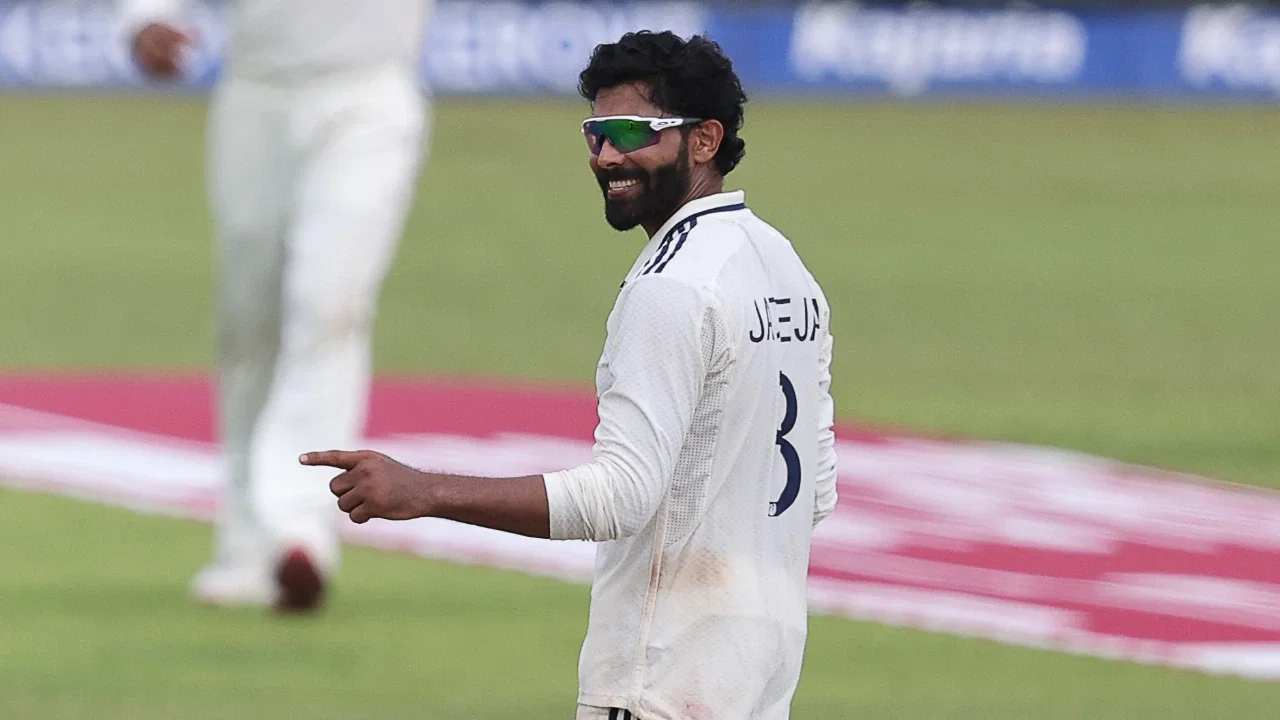
Suryakumar Yadav’s captaincy got exposed vs South Africa, claims 1983 World Cup winner
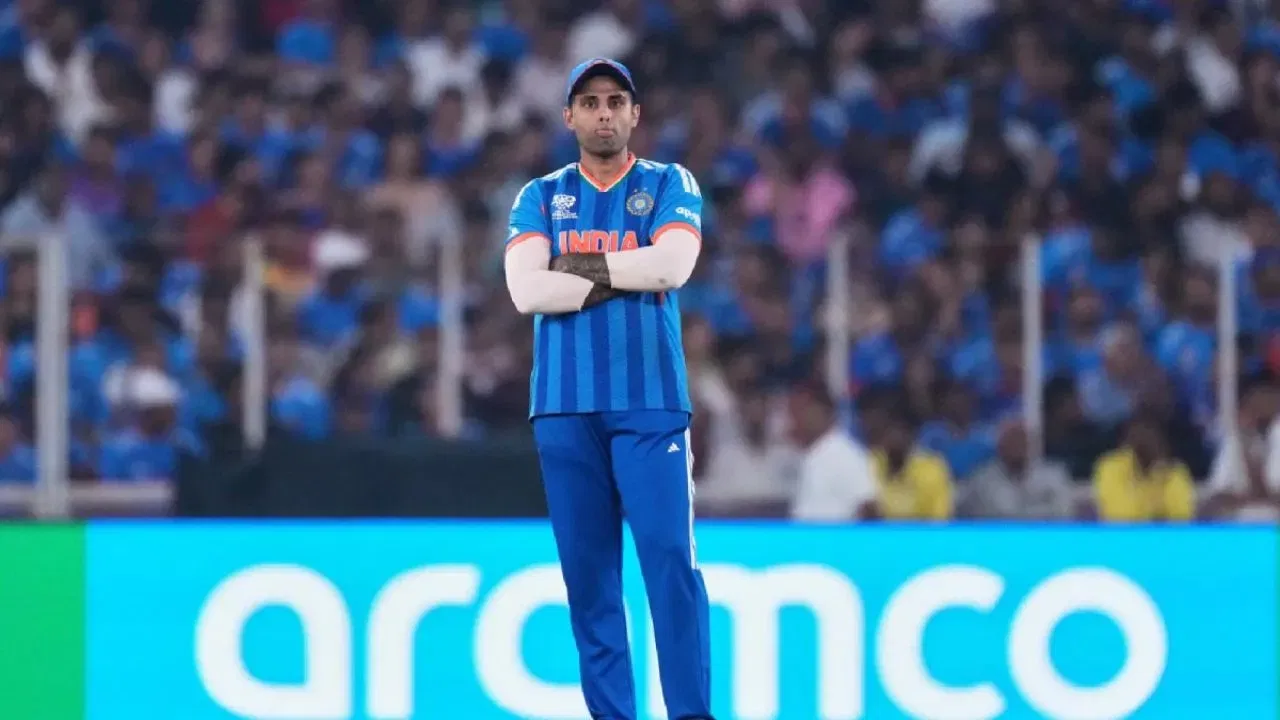
India’s Loss to South Africa: The Factors Behind the Defeat
India faced a disappointing 76-run defeat against South Africa in their recent T20I clash, leaving fans and experts searching for answers. While some blamed Axar Patel’s absence for the team’s performance, former cricketer Kris Srikkanth pointed out Varun Chakravarthy’s struggle as a major factor in India’s loss.
Varun Chakravarthy’s Performance Impact
Historically, Varun Chakravarthy has been a key player for India in T20Is, often leading the team to victories with his exceptional bowling. However, in the match against South Africa, Chakravarthy failed to deliver, allowing the South African batsmen to dominate. Despite picking up a wicket, his four-over spell ended with an expensive economy rate of 11.75.
Former cricketer Kris Srikkanth criticized India’s decision to persist with Chakravarthy even after he was being hit by the South African batters. Srikkanth suggested that once a bowler is struggling, it is crucial to make timely changes to prevent further damage.
Suryakumar Yadav’s Captaincy Critique
Suryakumar Yadav, leading the Indian side, introduced Chakravarthy early in the match to put pressure on the South African batsmen. However, his strategy backfired as the opposition was well-prepared to face the spinner. Yadav’s reliance on Chakravarthy, despite his struggles, was questioned by experts, including Srikkanth.
Moreover, Srikkanth highlighted the underutilization of Washington Sundar, India’s top-ranked T20I bowler. Despite having Sundar in the line-up, India failed to capitalize on his potential, opting to persist with Chakravarthy even as he struggled against the South African batsmen.
Lessons Learned for India
The defeat against South Africa serves as a learning opportunity for the Indian team, especially in terms of strategic decision-making and utilizing the bowlers effectively. Srikkanth emphasized the importance of adapting to the game situation and making timely changes to prevent the opposition from gaining confidence.
Going forward, India will need to address their bowling tactics and captaincy decisions to ensure better outcomes in future matches. With a talented squad at their disposal, the Indian team has the potential to bounce back from this defeat and showcase their true capabilities on the field.
India’s Bowling Depth and Alternatives
While Varun Chakravarthy’s performance was under scrutiny in the recent match against South Africa, it also shed light on India’s bowling depth and potential alternatives. With a plethora of talented bowlers waiting in the wings, including the likes of Yuzvendra Chahal, Rahul Chahar, and Ravindra Jadeja, the team management could explore different combinations to strengthen their bowling attack.
Yuzvendra Chahal, a seasoned campaigner in T20 cricket, has a proven track record of picking crucial wickets in pressure situations. His wrist-spin variations could provide a different dimension to India’s bowling arsenal, adding more variety and unpredictability to the attack. Rahul Chahar, known for his guile and control, offers another spin option that could be utilized effectively in the middle overs.
Ravindra Jadeja, a seasoned all-rounder, brings a unique blend of spin bowling and lower-order batting prowess to the table. His ability to contain runs and break partnerships could prove invaluable in tight situations, providing Suryakumar Yadav with a reliable option to turn to when needed.
Captaincy Dynamics and Decision-Making
Leading a cricket team requires a keen understanding of the game’s nuances and the ability to adapt quickly to changing circumstances. Suryakumar Yadav, in his early days as captain, faced a daunting task against a formidable South African side. The defeat against South Africa highlighted the importance of effective captaincy, strategic decision-making, and utilizing resources wisely.
As a budding captain, Yadav can learn from this experience and grow in his leadership role. Understanding the strengths and weaknesses of each player, assessing the match situation accurately, and making bold decisions when necessary are essential traits that he can develop over time. Learning from seasoned captains and seeking guidance from mentors could further enhance Yadav’s captaincy skills.
Mental Resilience and Team Unity
Cricket is not just a physical game but also a mental battle where resilience and unity play crucial roles in overcoming setbacks. The defeat against South Africa presents an opportunity for the Indian team to regroup, reflect on their performance, and come back stronger in the upcoming matches.
Building team cohesion, fostering a positive environment, and instilling a sense of belief in each player’s abilities are essential for bouncing back from defeats. The coaching staff and senior players can play a pivotal role in boosting the team’s morale, providing support to individuals who may be going through a rough patch, and instilling a winning mindset within the squad.
By emphasizing mental resilience, team unity, and a never-say-die attitude, India can turn this defeat into a stepping stone for future success. The journey to becoming a dominant force in world cricket is paved with challenges, and it is how the team responds to setbacks that truly defines their character and potential.
Overall, the defeat against South Africa serves as a valuable lesson for India, highlighting areas for improvement, strategic adjustments, and mental fortitude. With the right mindset, determination, and a willingness to learn from mistakes, the Indian team can rise above this setback and emerge stronger in the days to come.
Latest News
New Zealand suffer blow as William O’Rourke misses India ODIs and Tests
Top 10 highest run-chases in T20 cricket history, ft. West Indies’ Ranchi win vs India
Aaryavir Sehwag and Anvay Dravid set to make headlines at U19 Asia Cup 2026
Longest ducks in Test cricket history ft. Nic Maddinson, Shoaib Akhtar
ECB to offer 39 central contracts to England players after Ben Stokes, Mark Wood’s retirement
Steve Smith surpasses Steve Waugh in all-time Test run-scorers’ list
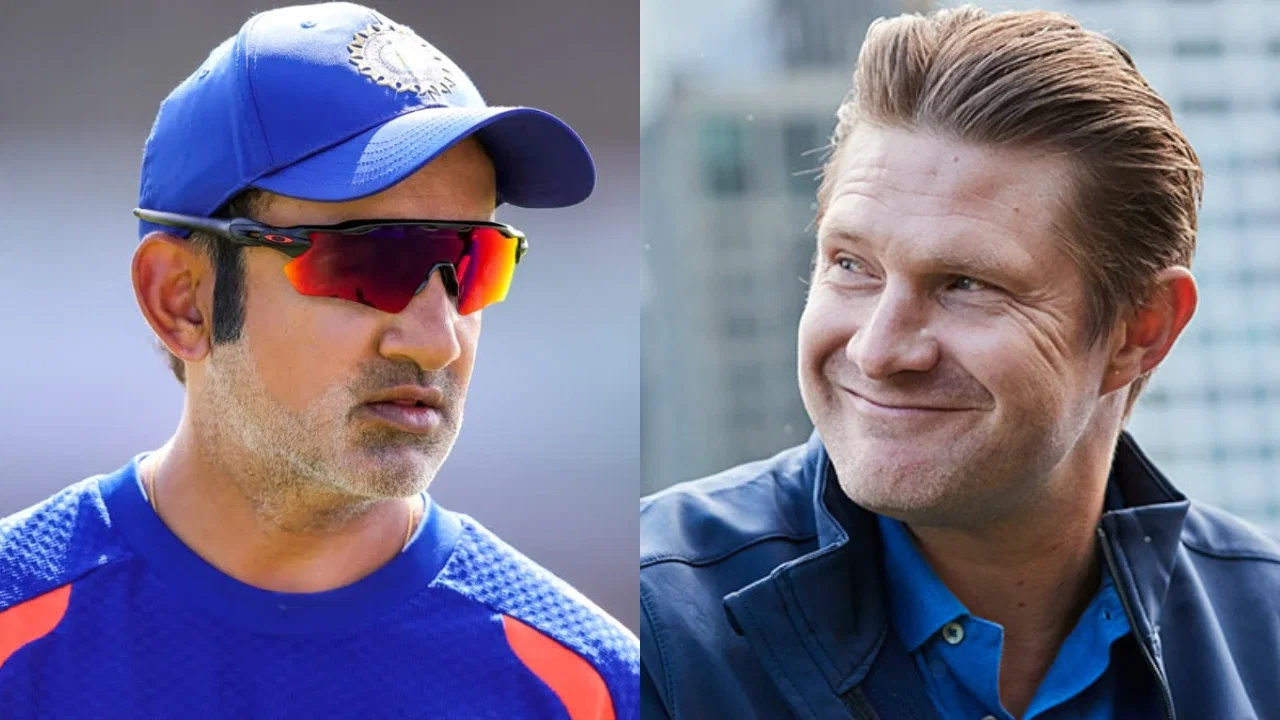
Shane Watson identifies Gautam Gambhir’s biggest problem as India struggle for consistency
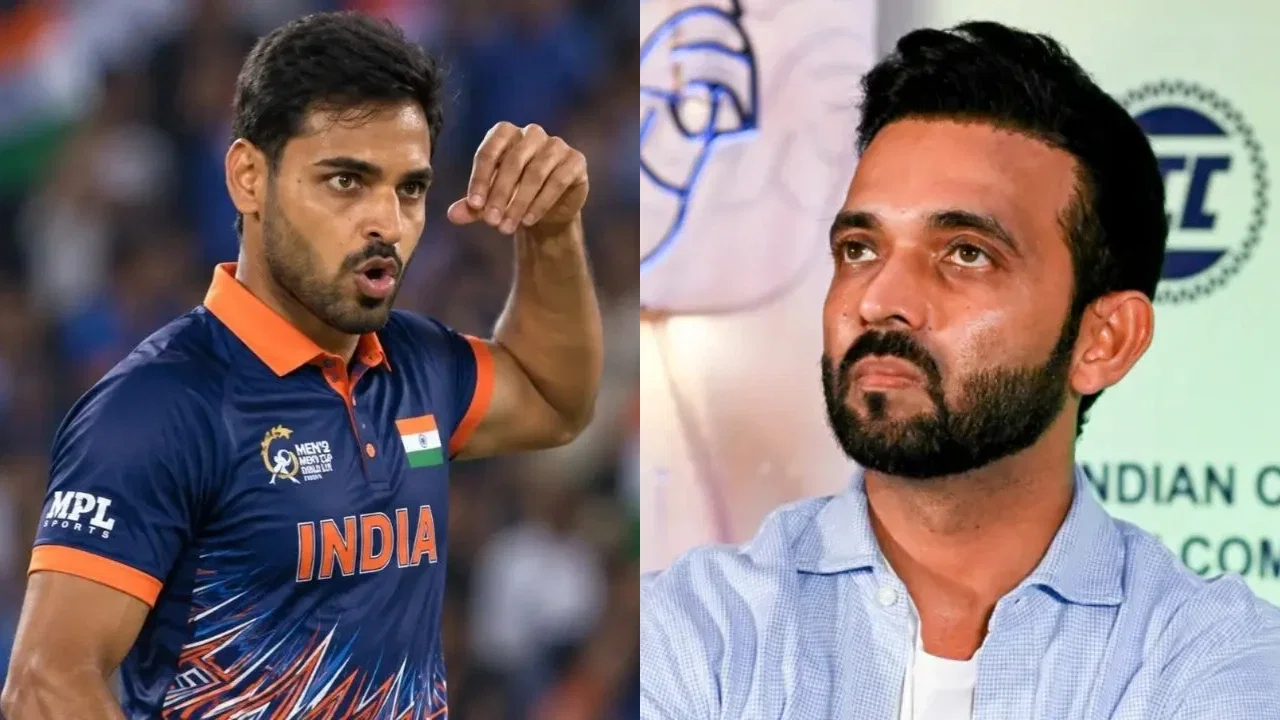
Is Bhuvneshwar Kumar in India’s 2027 World Cup plans? Ajinkya Rahane makes revelation
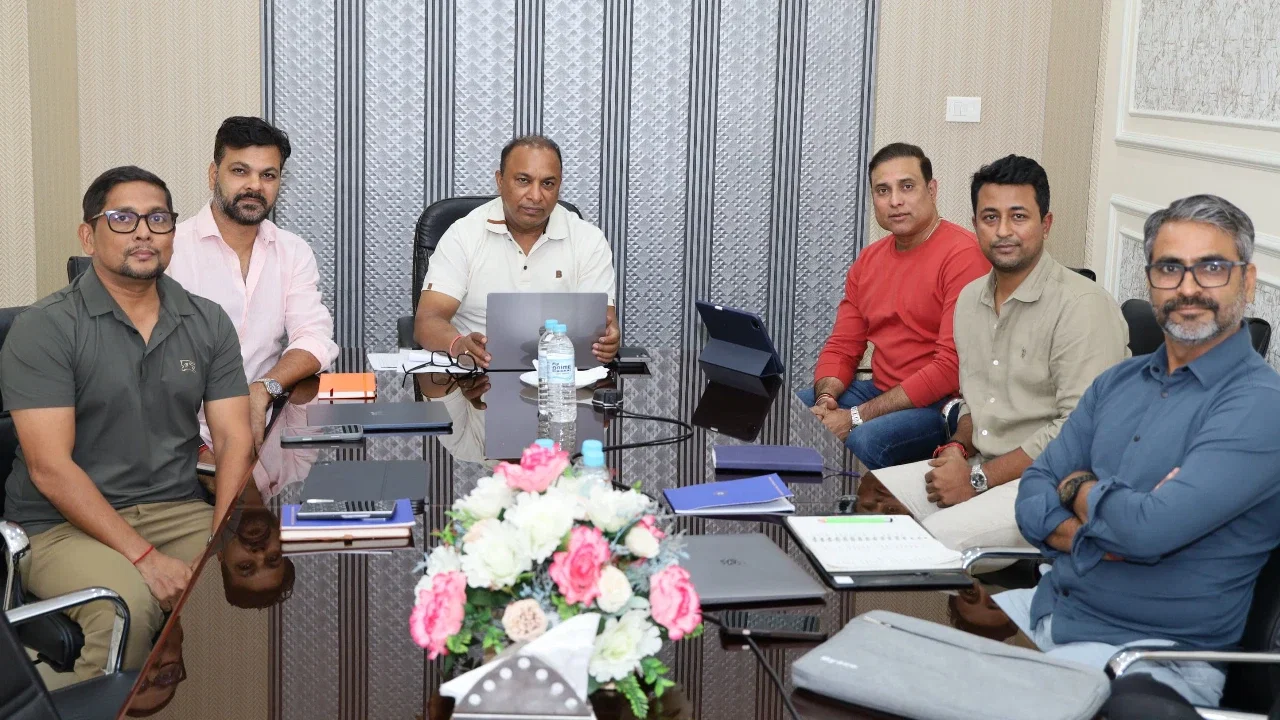
BCCI’s big ₹127 Crore move after injury crisis raises concerns over Team India
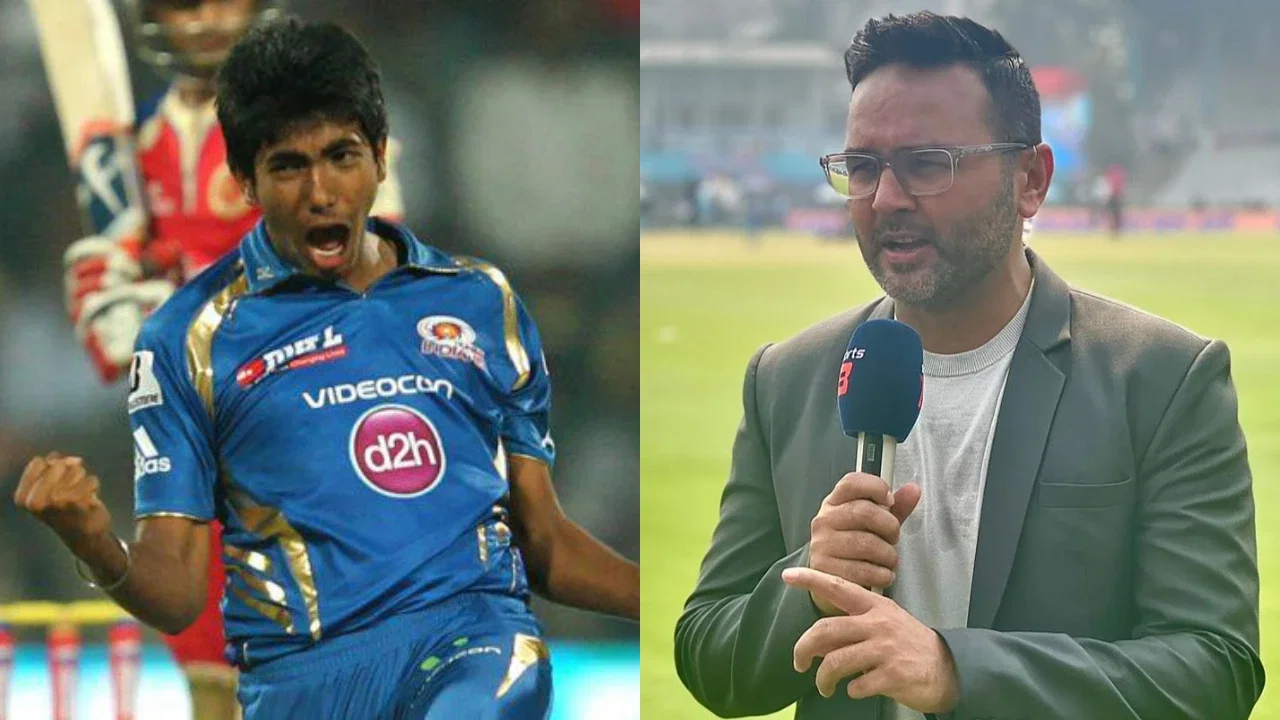
Parthiv Patel reveals RCB ignored his Jasprit Bumrah recommendation in IPL 2014 Auction
“Never spoke ill of any faith”: Irfan Pathan hits back at fake news using his name
Nic Maddinson bags 33-ball duck on Test comeback, disappoints George Bailey
Imran Tahir predicts 2027 ICC ODI World Cup Semi-Finalists, snubs India for title
Australia create unwanted history with first all-30-plus Test XI