“T20s shouldn’t be called cricket because…”: Mark Taylor drops a bombshell amid IPL 2026

Mark Taylor Reflects on the Evolution of T20 Cricket
Australian cricket legend Mark Taylor has recently shared his thoughts on the evolution of the game, particularly in the context of T20 cricket. In a bold statement, Taylor highlighted the significant shift in mindset and approach that modern players exhibit, particularly in the ongoing IPL 2026.
A New Era of Aggressive Batting
In the past, cricket was synonymous with patience, building an innings, and emphasizing the importance of staying at the crease. However, Taylor pointed out that the landscape of T20 cricket has completely transformed the game. Today, it’s all about aggressive batting from the very first ball, with a focus on scoring quickly and taking risks.
Taylor, known for his strong technique and ability to occupy the crease for extended periods during his playing days, acknowledged that he would have been a different player had he grown up in the modern T20 era. With teams now winning matches by playing fearless cricket, the emphasis has shifted from simply staying in to scoring as fast as possible.
The Impact of T20 on Player Development
During an appearance on the Turn it Up! show on Channel Nine’s Wide World of Sports YouTube channel, Taylor expressed his thoughts on adapting to the shortest format of the game. Reflecting on his upbringing in cricket, he recognized the need for different skills in today’s game, particularly in the realm of power hitting and aggressive batting.
Taylor shared, “If that was the game I had to play as I was developing as a cricketer, sure, I would have tried to whack the ball over midwicket. The game I learned in New South Wales was about staying in. Don’t get out, and then you might be able to score some runs.”
The Changing Dynamics of T20 Cricket
The aggressive batting trend is most evident in franchise tournaments like the IPL, where top batters are scoring at remarkably high strike rates. This shift underscores the increased emphasis on fast scoring over prolonged innings.
Despite the fundamental rules remaining the same, Taylor believes that T20 cricket has evolved into a completely different version of the game. He remarked, “T20 cricket, it’s the same amount of players, but it’s a different game. It almost shouldn’t be called cricket because it’s a different game.”
Looking Towards the Future
As the game continues to evolve and adapt to the demands of modern cricket, players like Mark Taylor offer valuable insights into the changing dynamics of the sport. While the essence of the game remains rooted in tradition, the evolution of T20 cricket has ushered in a new era of aggressive and fearless batting, shaping the future of the sport.
With players embracing a more attacking approach and teams prioritizing quick runs over prolonged innings, the T20 revolution shows no signs of slowing down. As the boundaries of the game expand, cricket enthusiasts can expect to witness more innovations and strategic shifts that redefine the sport for generations to come.
The Rise of Specialized T20 Players
One of the key aspects of T20 cricket’s evolution is the emergence of specialized players who excel in this format. With the demand for power hitters, agile fielders, and dynamic bowlers, teams are now focusing on building squads tailored to the fast-paced nature of T20 matches. This shift has led to the development of players who are specialists in T20 cricket, honing their skills to meet the unique demands of the game.
Players like Chris Gayle, Andre Russell, and Rashid Khan have become synonymous with T20 cricket, showcasing their prowess in various aspects of the game. These specialized players bring a new dimension to the sport, adding excitement and flair to matches with their exceptional abilities. Their success has paved the way for a new generation of cricketers who aspire to make their mark in the T20 arena.
The Influence of Data Analytics in T20
Another significant factor in the evolution of T20 cricket is the increasing use of data analytics and technology in player performance analysis. Teams now rely on intricate data models to make strategic decisions, from match tactics to player selection. By leveraging data-driven insights, coaches and players can fine-tune their approach, identify strengths and weaknesses, and optimize performance on the field.
With the advent of technologies like Hawk-Eye, player tracking systems, and advanced statistical analysis tools, T20 teams have access to a wealth of information that can give them a competitive edge. This data-driven approach has revolutionized the way teams prepare for matches, helping them make informed decisions and adapt quickly to changing game situations.
The Global Impact of T20 Cricket
While T20 cricket originated in England in the early 2000s, it has now become a global phenomenon, with leagues and tournaments held in various countries around the world. The IPL in India, the Big Bash League in Australia, and the Caribbean Premier League are just a few examples of the widespread popularity of T20 cricket. These tournaments not only attract top players from across the globe but also captivate audiences with their high-octane matches and fierce competition.
Furthermore, the success of T20 cricket has led to the inclusion of the format in international cricket, with teams competing in T20 World Cups and bilateral series. The growing popularity of T20 cricket has brought a new level of excitement to the sport, appealing to fans of all ages and backgrounds. As the format continues to expand its reach, it is poised to shape the future of cricket on a global scale.
The Evolution of T20 Strategies
As T20 cricket evolves, teams are constantly innovating and refining their strategies to stay ahead of the competition. From inventive field placements to unconventional bowling variations, coaches and players are finding new ways to outsmart their opponents and gain a competitive edge. The evolution of tactics in T20 cricket has made matches more unpredictable and thrilling, keeping fans on the edge of their seats until the last ball is bowled.
Moreover, the rise of franchise leagues has encouraged international collaboration and the exchange of ideas among players and coaches from different cricketing nations. This cross-pollination of strategies and techniques has enriched the game, leading to a more diverse and competitive T20 landscape. As teams continue to push the boundaries of innovation, the future of T20 cricket promises even more excitement and intrigue for players and fans alike.
Conclusion
In conclusion, the evolution of T20 cricket represents a transformative shift in the way the game is played, perceived, and celebrated. With a focus on aggressive batting, specialized players, data analytics, global reach, and innovative strategies, T20 cricket has redefined the sport and captivated audiences worldwide. As the format continues to grow and evolve, cricket enthusiasts can look forward to a future filled with thrilling matches, new stars, and groundbreaking developments that will shape the sport for generations to come.
Latest News
Top 10 highest run-chases in T20 cricket history, ft. West Indies’ Ranchi win vs India
Aaryavir Sehwag and Anvay Dravid set to make headlines at U19 Asia Cup 2026

Longest ducks in Test cricket history ft. Nic Maddinson, Shoaib Akhtar

ECB to offer 39 central contracts to England players after Ben Stokes, Mark Wood’s retirement

Steve Smith surpasses Steve Waugh in all-time Test run-scorers’ list

Shane Watson identifies Gautam Gambhir’s biggest problem as India struggle for consistency

Is Bhuvneshwar Kumar in India’s 2027 World Cup plans? Ajinkya Rahane makes revelation

BCCI’s big ₹127 Crore move after injury crisis raises concerns over Team India

Parthiv Patel reveals RCB ignored his Jasprit Bumrah recommendation in IPL 2014 Auction
“Never spoke ill of any faith”: Irfan Pathan hits back at fake news using his name
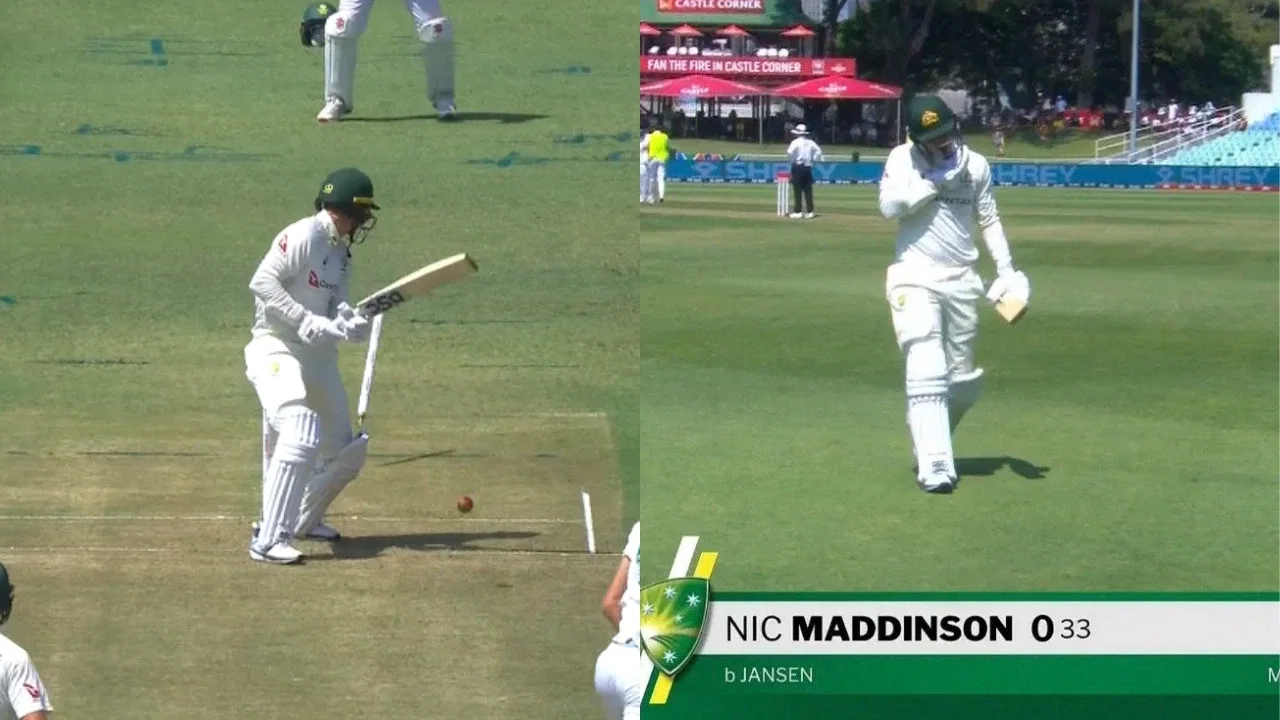
Nic Maddinson bags 33-ball duck on Test comeback, disappoints George Bailey

Imran Tahir predicts 2027 ICC ODI World Cup Semi-Finalists, snubs India for title

Australia create unwanted history with first all-30-plus Test XI
Ravindra Jadeja returns to Ranji Trophy as Saurashtra announce squad