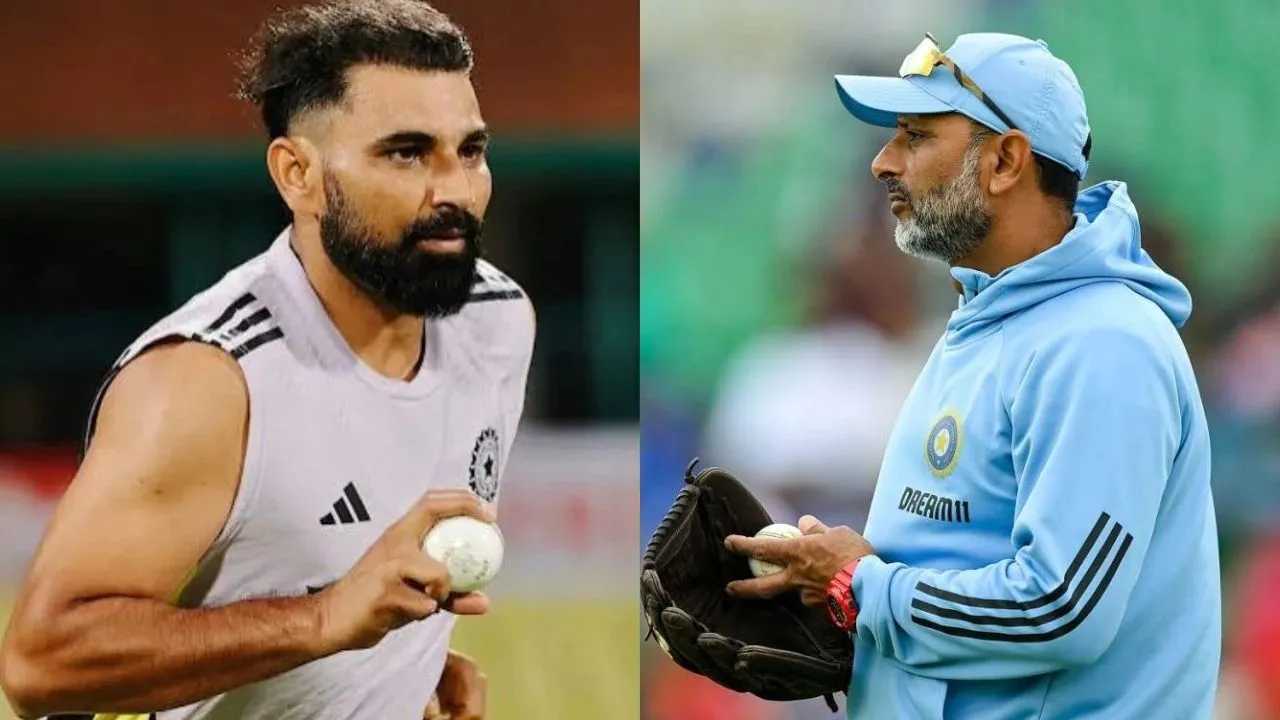
Team India takes legal action in ICC
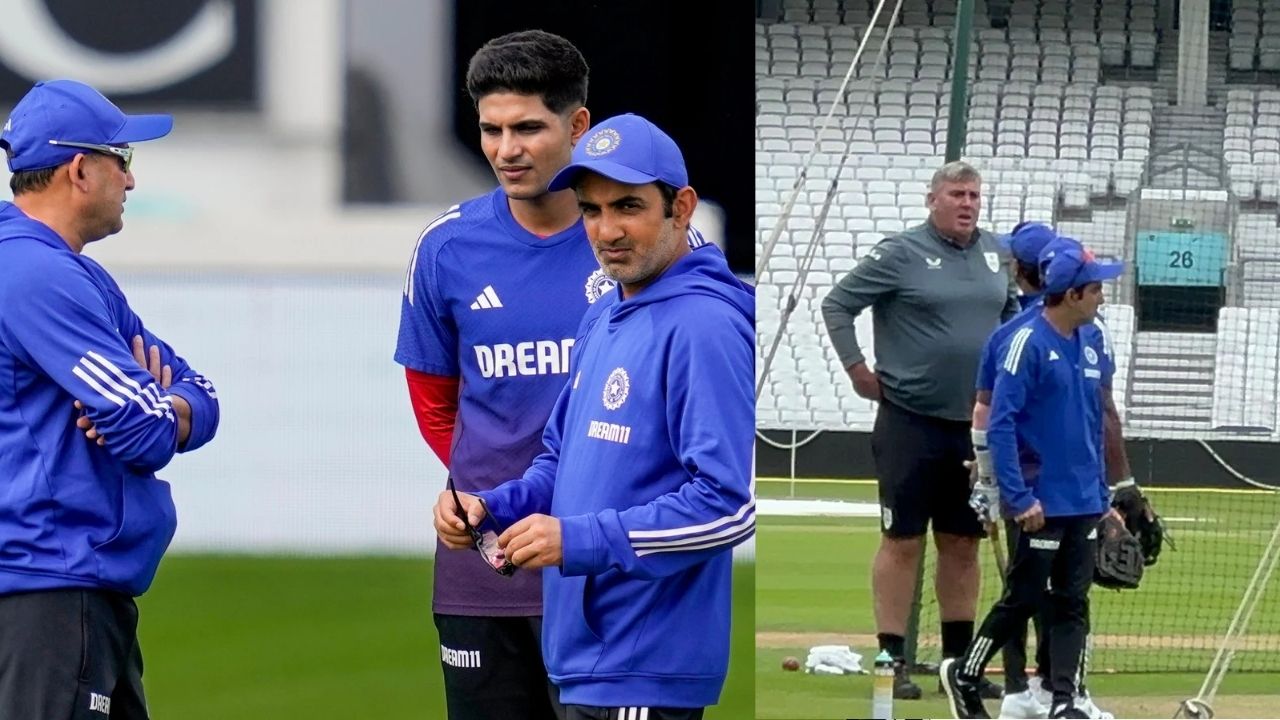
Indian Team Raises Concerns Over Ball Change Process in Anderson-Tendulkar Trophy
Another controversy has erupted in the Anderson-Tendulkar Trophy as the Indian team has lodged a complaint with the ICC match referee regarding the ball-change process. Reports from The Indian Express suggest that Indian officials are dissatisfied with how replacement balls are being selected, accusing match officials of favoring England.
Issues Surrounding the Duke’s Ball
The Duke’s ball has been a contentious topic throughout the series between India and England. Players from both teams have expressed concerns over the ball losing its shape prematurely and becoming too soft early in the innings. During the morning session on Day 3 of the Lord’s Test, the ball had to be changed twice, raising eyebrows on both sides.
India seemed to be in a commanding position at Lord’s during the third Test when Jasprit Bumrah’s exceptional spell triggered a collapse in the England batting line-up. However, the momentum shifted after the replacement ball lost shape within just 10 overs, contrary to ICC guidelines.
Controversy at Lord’s Test
According to reports, the replacement ball failed to swing or seam effectively, allowing England to mount a recovery. Batsmen Jamie Smith and Brydon Carse capitalized on the situation, scoring half-centuries and denying India the opportunity to take a first-innings lead. The difference in swing and seam between the original and replacement balls was stark, affecting the outcome of the match.
India ultimately lost the match by a narrow margin of 22 runs, leading to frustrations within the team and management.
Indian Team Raises Ball Change Concerns
The Indian team management has formally raised concerns with the match referee regarding the ball-change procedures. They believe that the replacement protocol was not followed correctly and that England may have benefitted from the situation.
An Indian team official highlighted the issue, stating that they were given a replacement ball that appeared to be 30-35 overs old, significantly older than the original ball that had lost its shape after just 10 overs. The lack of transparency in the replacement process has led to calls for a change in the rules.
Looking Ahead to the Final Test
With the fifth and final Test of the series set to begin on July 31, India is gearing up to face England once again. After the fourth Test ended in a draw, India’s hopes of winning the series were dashed. However, a victory in the upcoming match at The Oval would allow them to level the series and avoid defeat.
As the controversy surrounding the ball-change process continues to simmer, all eyes will be on the final Test match to see how the teams perform under the spotlight.
Impact of Ball Change Controversy on Series Dynamics
The ongoing ball-change controversy has added an extra layer of tension to the Anderson-Tendulkar Trophy series. The dissatisfaction expressed by the Indian team has not only highlighted issues with the replacement process but has also raised questions about the fairness and integrity of the competition. With emotions running high, the final Test promises to be a high-stakes showdown between two cricketing giants.
The contentious nature of the ball-change procedure has not gone unnoticed by fans and analysts alike. Many have criticized the lack of consistency and transparency in how replacement balls are selected, calling for greater oversight and adherence to established regulations. The outcome of the final Test may well be influenced by how these concerns are addressed and resolved moving forward.
Historical Context of Ball-Tampering Incidents
The issue of ball tampering and ball manipulation is not new to the world of cricket. Over the years, several teams and players have been embroiled in controversies surrounding the altering of the ball to gain an unfair advantage. From using foreign substances to intentionally roughing up one side of the ball, such practices have tarnished the sport’s reputation and led to sanctions against those involved.
Given this historical backdrop, it is understandable why the Indian team is sensitive to any perceived discrepancies in the ball-change process. The integrity of the game is paramount, and any suspicions of foul play must be thoroughly investigated and addressed to maintain the spirit of fair competition.
Importance of Umpire and Match Referee Oversight
Cricket relies heavily on the impartiality and accuracy of match officials to ensure a level playing field for all teams. Umpires and match referees play a crucial role in upholding the rules and regulations of the game, including overseeing ball changes and ensuring compliance with established protocols. In light of the recent controversy, there is a renewed emphasis on the need for greater transparency and accountability in officiating decisions.
Moving forward, it will be essential for the ICC to review and potentially revise the procedures surrounding ball changes to prevent similar incidents from occurring in the future. Clear guidelines and strict enforcement mechanisms can help mitigate the risk of bias or manipulation in the selection of replacement balls, thereby safeguarding the integrity of the sport.
Final Thoughts
As the Anderson-Tendulkar Trophy reaches its climax with the fifth Test, the focus remains on the on-field performances of the players and the resolution of the ball-change controversy. While the outcome of the series hangs in the balance, the broader implications of the recent events are sure to resonate within the cricketing community for some time to come.
Ultimately, it is in the best interest of the sport and its stakeholders to address any concerns or discrepancies promptly and transparently. By upholding the principles of fairness and integrity, cricket can continue to captivate audiences worldwide and inspire the next generation of players and fans.
Latest News
Top 10 highest run-chases in T20 cricket history, ft. West Indies’ Ranchi win vs India
Aaryavir Sehwag and Anvay Dravid set to make headlines at U19 Asia Cup 2026
Longest ducks in Test cricket history ft. Nic Maddinson, Shoaib Akhtar
ECB to offer 39 central contracts to England players after Ben Stokes, Mark Wood’s retirement
Steve Smith surpasses Steve Waugh in all-time Test run-scorers’ list

Shane Watson identifies Gautam Gambhir’s biggest problem as India struggle for consistency
Is Bhuvneshwar Kumar in India’s 2027 World Cup plans? Ajinkya Rahane makes revelation

BCCI’s big ₹127 Crore move after injury crisis raises concerns over Team India

Parthiv Patel reveals RCB ignored his Jasprit Bumrah recommendation in IPL 2014 Auction
“Never spoke ill of any faith”: Irfan Pathan hits back at fake news using his name
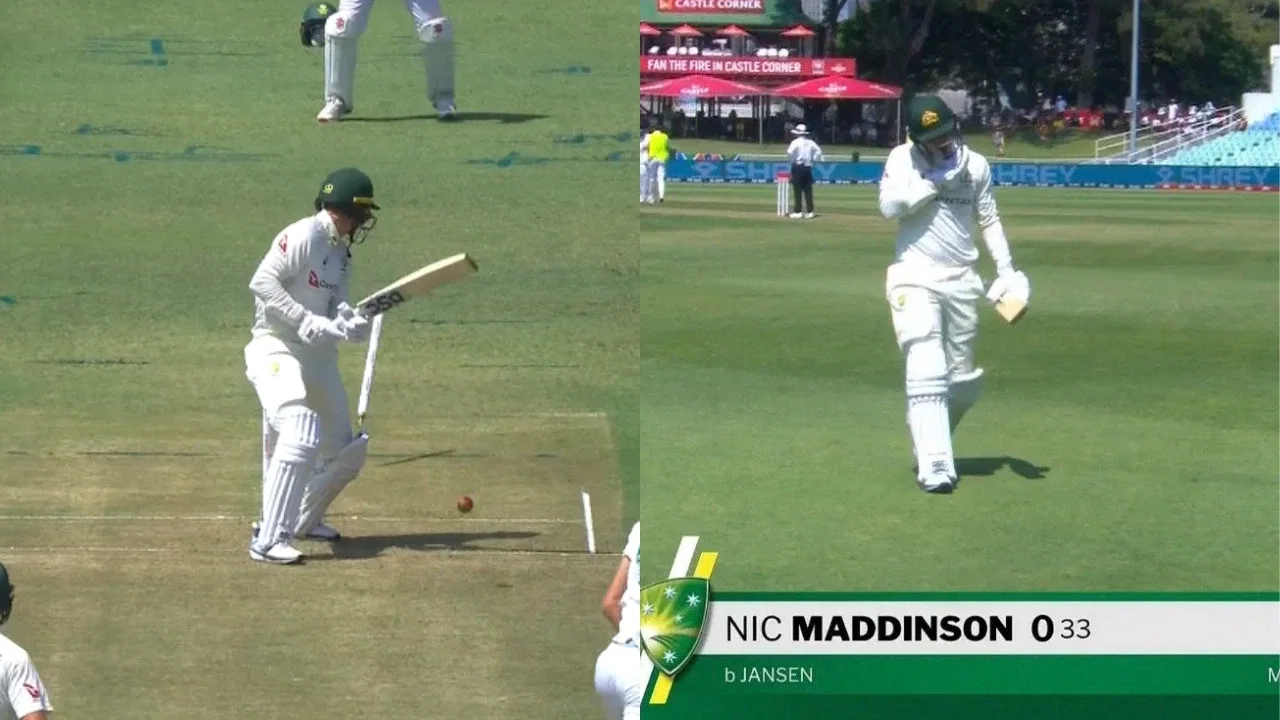
Nic Maddinson bags 33-ball duck on Test comeback, disappoints George Bailey

Imran Tahir predicts 2027 ICC ODI World Cup Semi-Finalists, snubs India for title
Australia create unwanted history with first all-30-plus Test XI
Ravindra Jadeja returns to Ranji Trophy as Saurashtra announce squad