“There was a moment where we…”: Kane Williamson opens up on Fab Four comparison
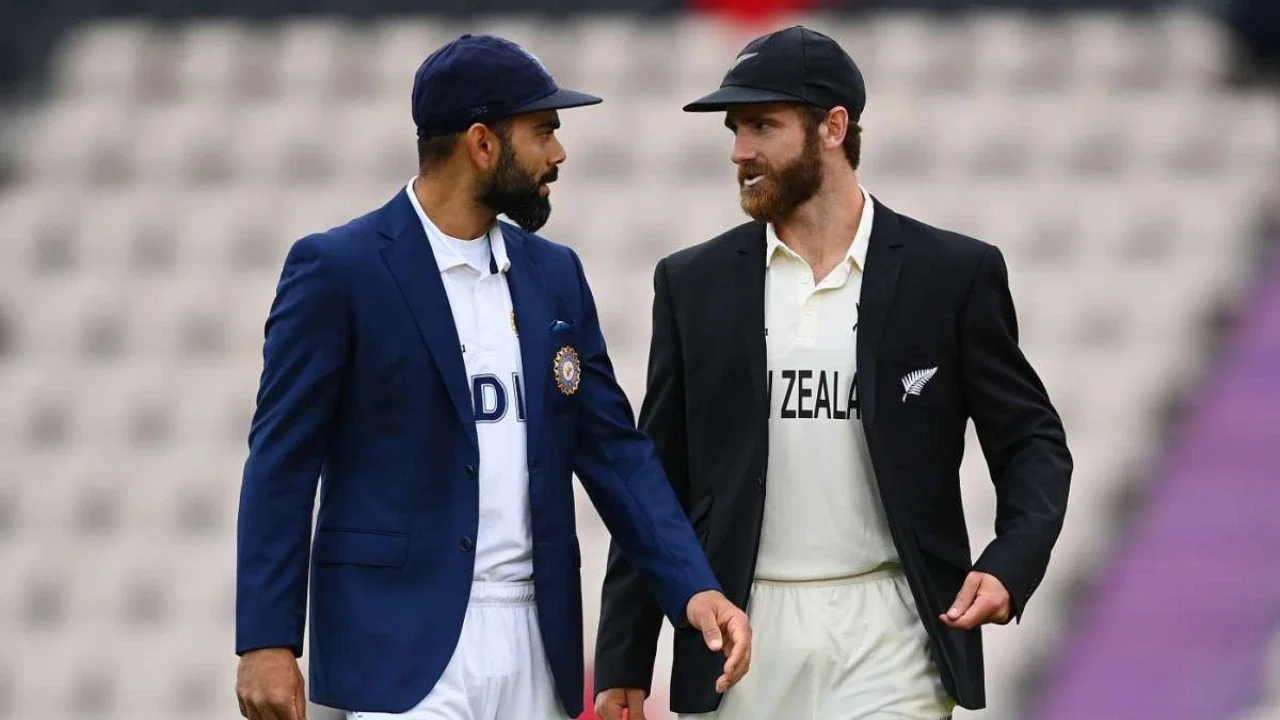
Kane Williamson Reflects on Cricket’s ‘Fab Four’ and His Rivals-turned-Contemporaries
For more than a decade, debates about modern cricket’s finest batters have often centred on four names: Kane Williamson, Virat Kohli, Steve Smith and Joe Root. Yet Williamson says he rarely thought about the label that grouped them together. Looking back on their careers, however, he now sees the “Fab Four” as a remarkable coincidence: four players from different countries whose paths unfolded in parallel at the top of the game.
Speaking on the Stick to Cricket podcast, the former New Zealand captain reflected on the comparisons, his relationships with the other batters and the pleasure he found in watching their distinct approaches. Rather than treating Kohli, Smith and Root as rivals to be measured against, Williamson said he admired how each of them built a career in his own way.
How the ‘Fab Four’ label began
The phrase “Fab Four” entered cricket conversation in 2014, when former New Zealand captain Martin Crowe used it to describe Williamson, Kohli, Smith and Root. The nickname caught on because the four were emerging as leading batters of their generation, regularly producing major performances for New Zealand, India, Australia and England.
Since then, the label has become a familiar feature of cricket coverage and fan discussions. Supporters compare batting averages, centuries, match-winning innings and performances across formats, often trying to decide which player deserves the top spot. Those comparisons can be entertaining, but they also risk flattening four different careers into a single statistical contest.
Williamson acknowledged that the discussion was frequently put to him during his playing days, but said he did not spend much time thinking about it. Only with the perspective that comes from looking back on a long international career did the shared timeline begin to feel especially unusual.
Williamson: “I never thought anything about it”
“I never thought anything about it,” Williamson said on the podcast. He explained that the label was something he would hear from others, rather than a framework he used to judge his own career or those of the other players.
What stands out to him now is not a contest over numbers, but the fact that four batters managed to remain prominent across a similar stretch of time. Each represented a different cricketing nation, faced different conditions and developed a personal method for handling the demands of international cricket.
“To have quite parallel careers and actually get to know the other fellas” was, Williamson suggested, what made the group distinctive. The observation offers a more personal angle on the Fab Four debate: their careers were connected by timing, but not defined by identical styles or a shared rivalry.
Different styles, shared respect
Although the four players are routinely grouped together, their batting identities are notably different. Kohli is widely associated with intensity, aggressive run-chasing and a strong appetite for competition. Smith’s unorthodox technique and extraordinary concentration have made him one of the most distinctive Test batters of his era. Root is known for his fluent stroke play and adaptability, while Williamson has often been praised for his balance, composure and ability to build an innings.
Those differences are part of what makes the comparison so compelling. A single ranking cannot fully capture how each player has responded to changing formats, opposition plans, pitches and the expectations placed on a national-team leader. Williamson’s comments suggest that appreciating those contrasts may be more meaningful than searching for a definitive winner.
He said he enjoyed watching the others and admired the ways they approached the game. That perspective is striking in an era when player comparisons are amplified by statistics, social media and constant debate. For Williamson, admiration did not require rivalry: he could recognise the quality of the other batters without treating their achievements as a threat to his own.
Connections formed before international fame
The four players’ relationship with one another began before they became established stars. Williamson recalled playing alongside or against some of them when they were young cricketers. He had a connection with Root through Yorkshire, while he and Kohli had crossed paths in under-19 cricket. Smith was also part of their early cricketing world, though Williamson said he had spent less time with him than with Root and Kohli.
Those early encounters give the Fab Four story a dimension beyond international scorecards. The players did not simply appear as finished products in senior cricket; they developed through the same broader generation of competitive cricket, eventually becoming central figures for their respective teams.
Williamson described the four as different characters and noted that he had built closer relationships with some than with others. His comments were warm but measured, reflecting the reality that elite players can share a long professional era without necessarily becoming close friends. Respect, familiarity and competition can exist together.
Why the Fab Four debate still matters
The Fab Four label remains popular because it gives fans an easy way to follow the evolution of modern batting. Their careers offer a natural basis for comparison: each has carried major responsibility for a leading cricket nation, and each has produced defining performances under pressure. Their longevity has also kept the conversation alive as the players have moved through different stages of their careers.
Still, any prediction about who is the “best” depends on what a fan values. Some may prioritise consistency across formats, while others focus on Test records, one-day achievements, leadership or performances in decisive matches. Conditions matter too: success in one country or format does not automatically translate into the same challenges elsewhere.
Williamson’s reflection provides a useful reminder that statistics tell only part of the story. The four batters have followed parallel paths, but their methods, personalities and cricketing experiences remain individual. Rather than settling the debate, his comments may make it richer—encouraging supporters to appreciate the distinct qualities that helped each player become a defining figure of his generation.
For Williamson, the most meaningful legacy of the Fab Four may not be a final ranking. It may be the rare sight of four exceptional batters sharing an era, competing at the highest level and earning one another’s admiration along the way.
Latest News

Suryakumar Yadav breaks silence on difficult period following T20 World Cup victory
Usman Khawaja’s book tour faces changes after fiery ABC interview
Sanju Samson returns as captain as Kerala announce squad for Syed Mushtaq Ali Trophy 2026-27
PCB announces venue change for 2nd Pakistan-Sri Lanka Test, dates remain unchanged

Lance Morris suffers freak injury at engagement party, faces month-long absence
Usman Khawaja breaks silence on Lord’s incident, makes racial abuse allegations against MCC members
“There was a moment where we…”: Kane Williamson opens up on Fab Four comparison

Harshal Patel to Gujarat Titans? Sunrisers Hyderabad considering cash deal or Tom Banton swap
Surrey’s Lee Fortis saga ends in exit after ECB row and Gautam Gambhir controversy
KS Bharat to play international cricket for another country after leaving Indian cricket
Rajasthan Royals asked LSG for Mohammed Shami, Mohsin Khan in Yashasvi Jaiswal trade talks

Hardik Pandya-Arshdeep Singh trade officially announced as MI-PBKS pull off historic move
New Zealand Test squad for India series: Jacob Duffy IN, Devon Conway & Rachin Ravindra picked
David Warner backs Chris Broad’s dig at Darren Lehmann over 2018 ball-tampering scandal