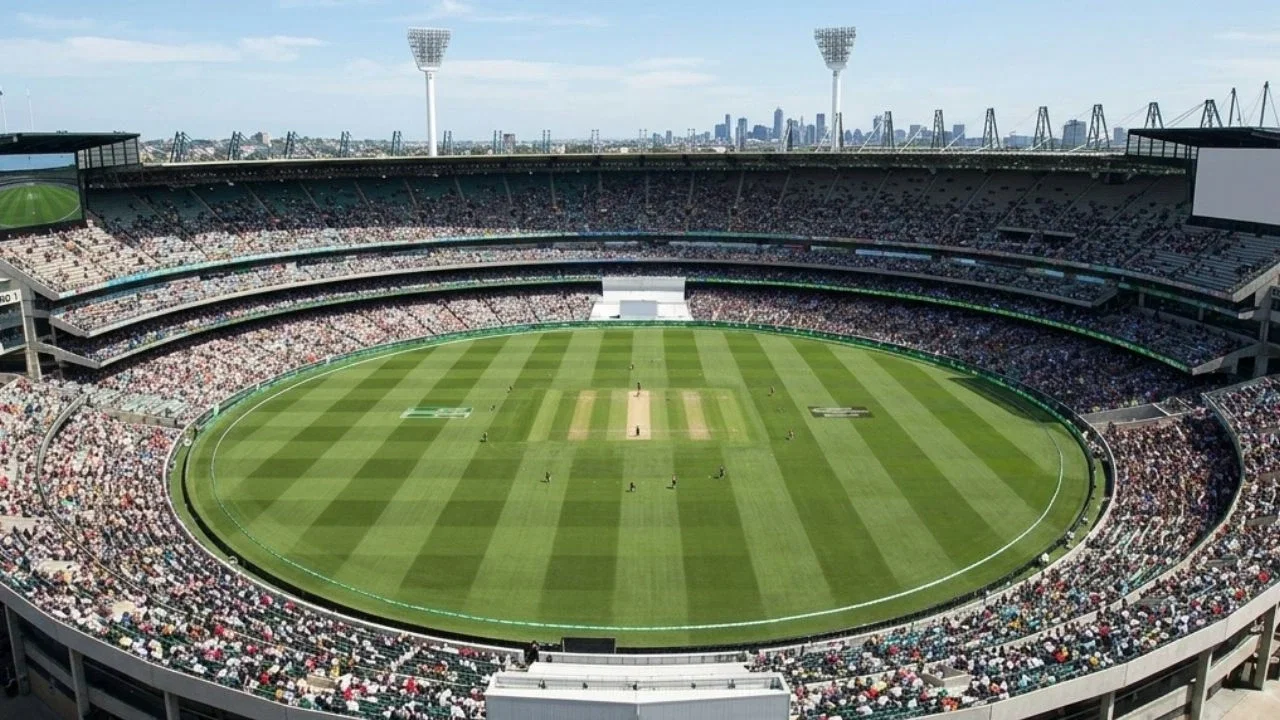
Usman Khawaja breaks silence on Lord’s incident, makes racial abuse allegations against MCC members
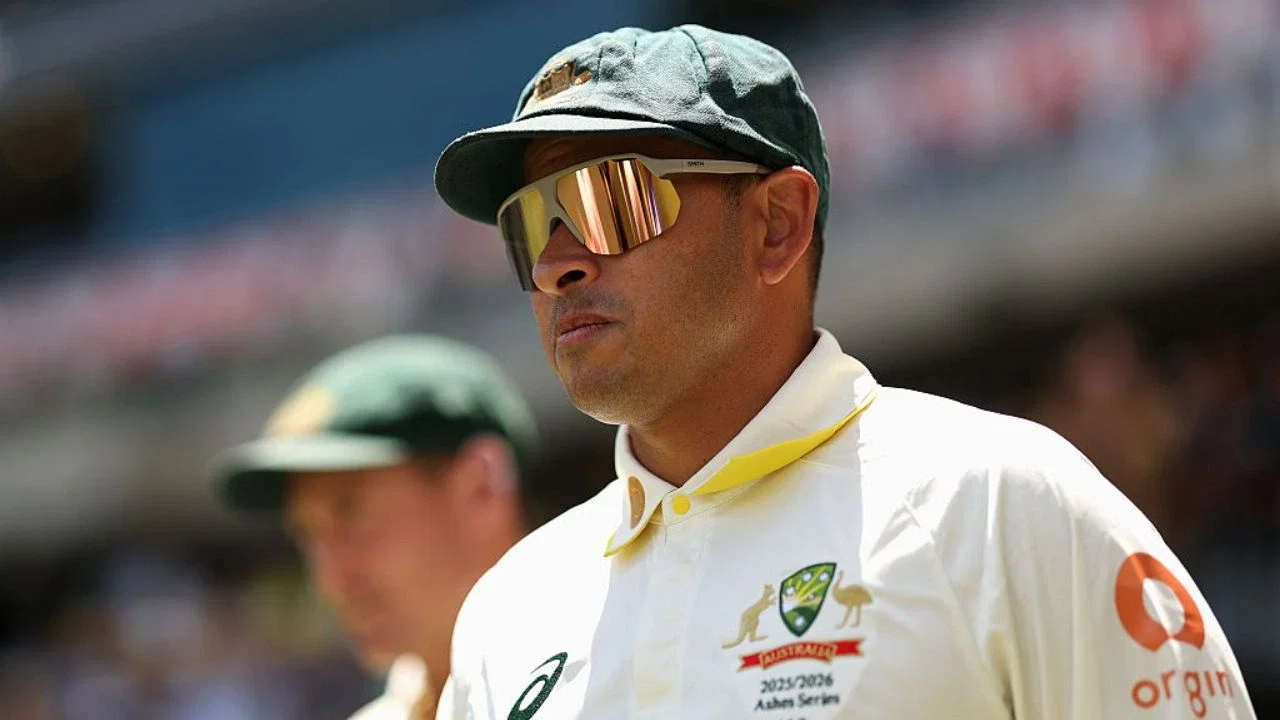
Usman Khawaja’s Lord’s Ashes Account Renews Debate Over Abuse in Cricket
Former Australia opener Usman Khawaja has revisited one of the most heated moments of the 2023 Ashes, alleging in his autobiography, Sabr, that he and his teammates were subjected to racist and abusive comments inside Lord’s. His account adds a personal perspective to the controversy that followed Jonny Bairstow’s disputed dismissal during the second Test against England.
The incident occurred on the fifth day, as Australian players made their way through the Lord’s Long Room during the lunch break. The dismissal had already sparked anger among spectators, and Khawaja’s claims have renewed questions about crowd conduct, accountability and the responsibilities of one of cricket’s most historic institutions.
Controversial Bairstow dismissal set the scene
England batter Bairstow left his crease after playing a delivery, apparently believing the ball was no longer in play. Australia wicketkeeper Alex Carey gathered it and broke the stumps, prompting an appeal. The dismissal was given, and the decision became a major talking point throughout the match and beyond.
Many England supporters viewed the moment as unsporting, while Australia maintained that the wicket was taken within the laws of the game. As the Australian players headed back to the pavilion, they were met with loud jeering. Television footage showed Khawaja stopping to challenge a member of the MCC and later speaking to security staff.
The episode became a defining flashpoint in an already intense Ashes series. Khawaja’s new account, however, focuses not on the cricketing decision itself but on what he says happened as the players passed through the Long Room.
Khawaja describes racist and personal abuse
In Sabr, Khawaja describes a hostile atmosphere in which, he alleges, members shouted profanity at the Australian team. He says one person used a racist slur against people of South Asian heritage. Khawaja wrote that he could not confirm the identity of the person who used that specific insult, and he distinguished that individual from the person he confronted directly.
He portrays the scene as a startling contrast with the Long Room’s reputation as a formal and prestigious part of Lord’s. In the passage, Khawaja says the crowd’s behaviour felt more like a coordinated outburst than the conduct he expected in the historic venue. He also described some people as appearing to have been drinking, though that observation does not establish the state of any particular member.
Khawaja says the abuse was not limited to general shouting. He recalled someone yelling close to his ear and described another person as spitting and screaming at him from a short distance. He told security staff that the individual should be removed. In his account, the tension escalated when he heard a racist insult as he continued towards the dressing room.
Allegation of an attempted trip
Khawaja also alleges that an MCC member tried to trip him and fellow Australian David Warner as they climbed the stairs. The claim adds another serious element to his description of the walk back to the dressing room. It is important to note that these details are Khawaja’s recollections as presented in his autobiography; the MCC has not publicly commented on the latest allegations.
The former opener has said he could not identify every person involved. He explained that, amid the confusion, he confronted the first man he believed was directing abuse at him. Khawaja’s account therefore distinguishes between what he says he personally experienced and what he could not independently attribute to a named individual.
Why Khawaja initially played down the incident
Khawaja says he initially understated the seriousness of what had happened when speaking with Australia’s security manager, Frank Dimasi. He did not want the confrontation to distract the team while the Test was still in progress, according to his account. That decision reflects the competing pressures players can face: reporting misconduct while also trying to remain focused on a high-stakes match.
The experience also affected his family. Khawaja wrote that his wife, Rachel, felt frightened by the anger in the stands, and that his brother-in-law came close to a physical confrontation with an England supporter. Those details underline how an incident involving players can extend beyond the boundary, affecting relatives and others who are present at the ground.
MCC sanctions and the club’s response
The MCC took action against three members after the match. Following an investigation, the club announced that one member had been permanently expelled, while two others received suspensions of four-and-a-half years and two-and-a-half years. The sanctions were imposed in response to unacceptable conduct during the incident.
Khawaja also recounts a later conversation with then-MCC chair Mark Nicholas about the punishments. He says he believed the members might deserve another opportunity if they had accepted responsibility and genuinely regretted their behaviour. His position, as described in the book, suggests that accountability and the possibility of rehabilitation need not be mutually exclusive.
The MCC has declined to comment on Khawaja’s latest allegations, while pointing to the serious action it took at the time. The club’s earlier response shows that it treated the Long Room episode as a significant breach of conduct, though Khawaja’s account has brought renewed attention to what he says he experienced personally.
A lasting Ashes talking point
Australia won the second Test by 43 runs, but the result was overshadowed by the Bairstow dismissal and the scenes that followed. Khawaja’s account is likely to keep the incident in the public conversation—not only as an Ashes controversy, but also as a reminder that tradition and prestige do not excuse abusive behaviour.
For cricket supporters searching for the latest prediction about how the episode may shape discussion around the sport, the clearest expectation is that debate will continue over player safety, spectator conduct and the standards expected at major venues. The facts of the dismissal remain a matter of cricketing interpretation; the allegations in Sabr raise a separate issue about respect. Together, they show how a single Test match can leave a legacy far beyond the scorecard.
Latest News

Suryakumar Yadav breaks silence on difficult period following T20 World Cup victory
Usman Khawaja’s book tour faces changes after fiery ABC interview

Sanju Samson returns as captain as Kerala announce squad for Syed Mushtaq Ali Trophy 2026-27
PCB announces venue change for 2nd Pakistan-Sri Lanka Test, dates remain unchanged

Lance Morris suffers freak injury at engagement party, faces month-long absence
Usman Khawaja breaks silence on Lord’s incident, makes racial abuse allegations against MCC members
“There was a moment where we…”: Kane Williamson opens up on Fab Four comparison

Harshal Patel to Gujarat Titans? Sunrisers Hyderabad considering cash deal or Tom Banton swap
Surrey’s Lee Fortis saga ends in exit after ECB row and Gautam Gambhir controversy
KS Bharat to play international cricket for another country after leaving Indian cricket
Rajasthan Royals asked LSG for Mohammed Shami, Mohsin Khan in Yashasvi Jaiswal trade talks

Hardik Pandya-Arshdeep Singh trade officially announced as MI-PBKS pull off historic move
New Zealand Test squad for India series: Jacob Duffy IN, Devon Conway & Rachin Ravindra picked
David Warner backs Chris Broad’s dig at Darren Lehmann over 2018 ball-tampering scandal