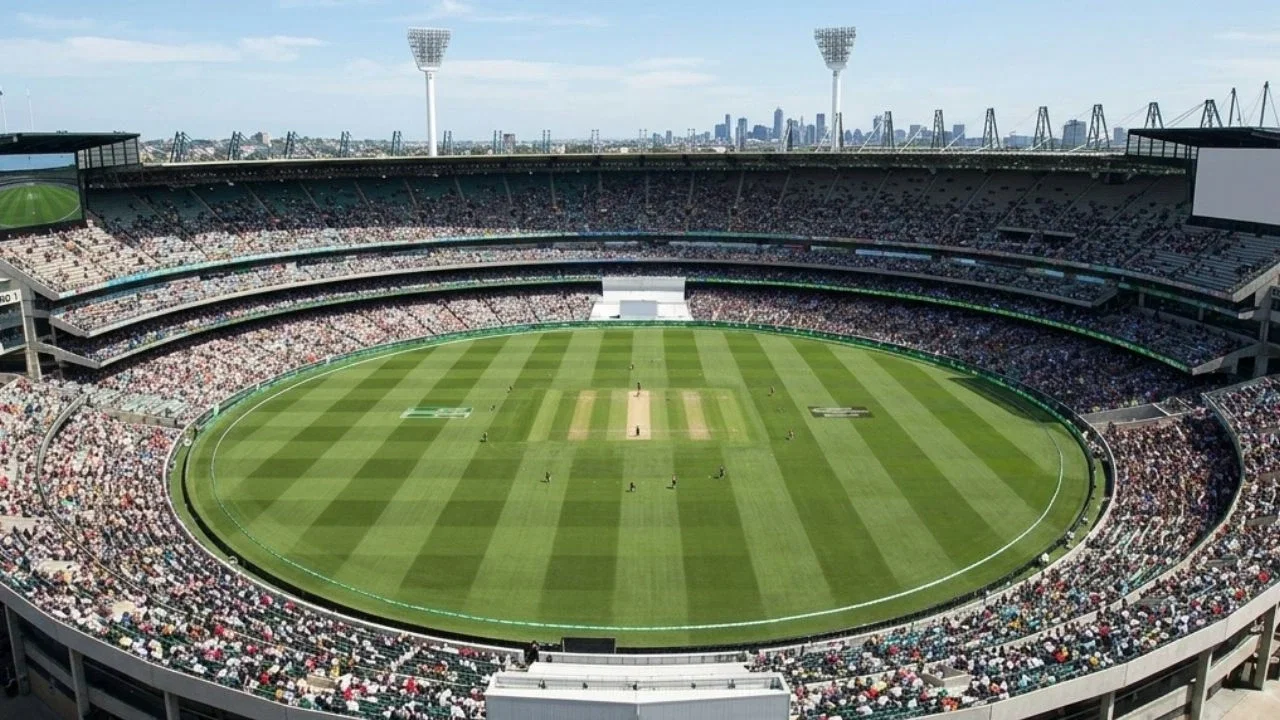
Usman Khawaja’s book tour faces changes after fiery ABC interview
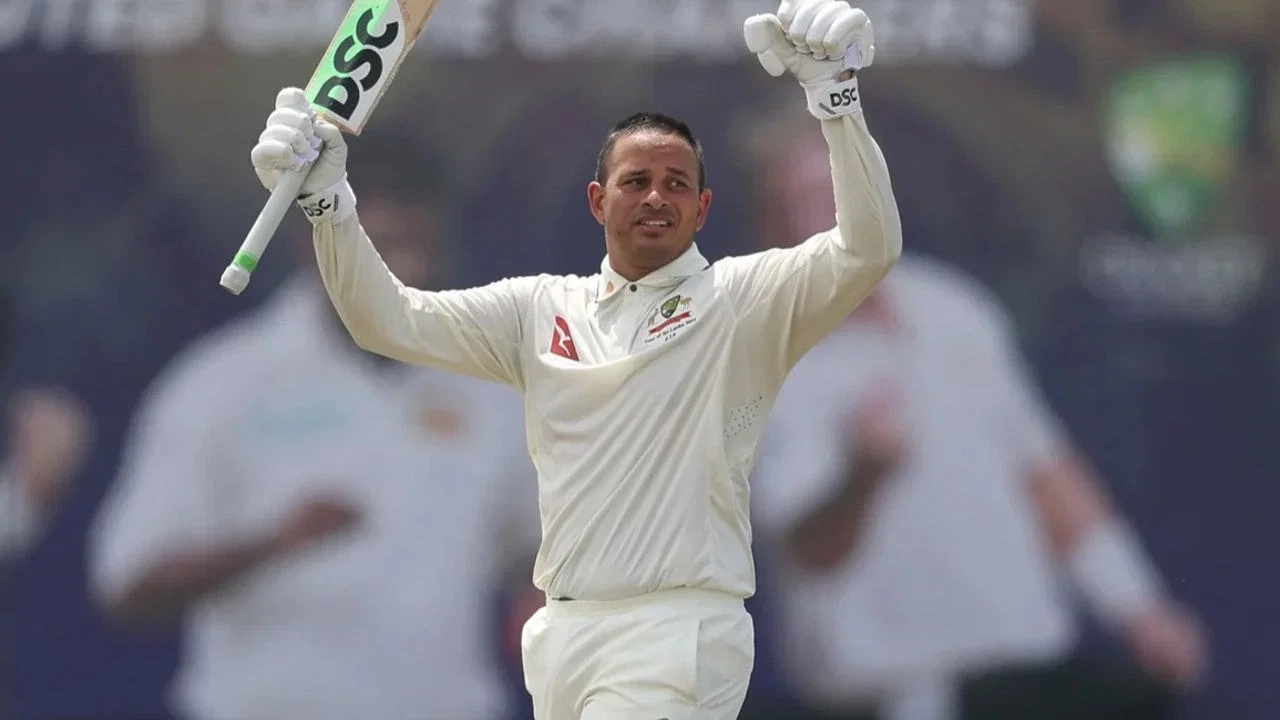
Usman Khawaja Scales Back Media Interviews After Tense ‘Sabr’ Appearance
Usman Khawaja has withdrawn from his remaining television and radio interviews promoting his memoir, Sabr, after a challenging appearance on the ABC’s 7.30. His publisher, Penguin, confirmed that the promotional schedule had been adjusted, while stressing that the wider book tour remains in place.
The decision follows an interview in which host Sarah Ferguson pressed the Australian batter on his account of the 2018 ball-tampering scandal in South Africa. The memoir’s chapter, titled “Sandpaper”, has reignited debate about what members of the Australian team knew during the incident—and has prompted sharply different responses from former teammates.
Questions Over Khawaja’s ‘It Was All of Us’ Account
In Sabr, Khawaja describes the ball-tampering episode as a collective failure, writing: “It was all of us.” During the ABC interview, Ferguson asked him to clarify whether that meant bowlers, including Pat Cummins and Mitchell Starc, knew sandpaper was being used to alter the ball.
Khawaja did not identify specific players or provide a detailed account of what each teammate knew. He said he had already shared his perspective in the book and was reluctant to add comments that could fuel what he described as a “witch-hunt” against former colleagues and friends.
The exchange highlighted a central tension in the memoir’s claims: Khawaja presents the scandal as a broader team and cultural issue, while questions about individual knowledge remain unresolved. His choice not to name players may reflect an effort to distinguish between describing the environment around the incident and making direct allegations about particular teammates.
Penguin Says Book Tour Is Still Going Ahead
Following the broadcast, Penguin notified media outlets that Khawaja would no longer take part in the remaining television and radio interviews scheduled for the campaign. The publisher did not specify which appearances had been removed, prompting speculation that the entire promotional tour might have been cancelled.
Penguin rejected that interpretation. In a statement to ABC Sport, the publisher said the tour was “100 per cent still going ahead” and described the changes as adjustments to the week’s schedule rather than a major cancellation.
Khawaja is still expected to attend in-person events and take part in podcast interviews about Sabr. The revised plan suggests he is stepping back from some high-pressure broadcast settings while continuing to engage with readers and audiences through other formats. Podcasts and live events can allow for longer discussions, although they may also bring further questions about the controversy.
Former Teammates Offer Conflicting Responses
The response to Khawaja’s account has been divided. David Warner has publicly backed the memoir’s description of events, calling it “100 per cent accurate” in a statement released on Monday night. His support has added weight to Khawaja’s version, but it has not ended disagreement over the extent of players’ knowledge.
Starc, by contrast, rejected suggestions that the bowlers knew sandpaper was being used to change the ball’s condition. He stood by a joint statement issued in 2021 with Cummins, Josh Hazlewood and Nathan Lyon, maintaining the position those players had previously set out.
Cameron Bancroft, the player caught using sandpaper during the 2018 Test in Cape Town, declined to discuss Khawaja’s claims in detail when approached by reporters at Melbourne Airport. Steve Smith has not publicly commented on the memoir’s account.
These differing reactions underline why the episode remains sensitive years later. The scandal brought serious consequences for the players directly sanctioned, but questions about the wider team environment and the chain of knowledge have continued to shape discussion of Australian cricket’s conduct and leadership.
What Happened in the 2018 Cape Town Scandal?
During the third Test against South Africa in Cape Town in March 2018, television footage showed Bancroft using a piece of sandpaper on the ball. The incident became one of the most damaging controversies in modern Australian cricket, leading to investigations, public apologies and lengthy suspensions.
Smith and Warner each received 12-month bans, while Bancroft was suspended for nine months. The penalties reflected their respective roles as captain, senior player and the person seen carrying out the act. The episode also prompted a wider review of team culture and accountability.
Khawaja’s memoir revisits that period from the perspective of a teammate who was part of the Australian squad. Its account has renewed interest not only in what happened on the field, but also in how responsibility was understood inside the team. That distinction is important: a claim about collective culture does not necessarily establish that every player had the same information or involvement.
Why Khawaja’s Media Decision Matters
Withdrawing from television and radio interviews may limit opportunities for immediate clarification, but it also gives Khawaja greater control over how he discusses a deeply contentious chapter of his career. The ABC appearance demonstrated how quickly a conversation about a memoir can shift from its broader themes to specific questions about individual teammates.
For readers, the remaining book events and podcast appearances may provide a clearer sense of how Khawaja wants Sabr to be understood. They may also offer more context on the memoir’s wider subjects, including his experiences in Australian cricket and the personal values reflected in its title.
Any prediction about whether the dispute will fade is uncertain. Warner’s endorsement, Starc’s rejection and the silence of other former players suggest the debate may continue as the book reaches a wider audience. For now, Penguin’s message is clear: the media schedule has changed, but Khawaja’s book tour is continuing.
Latest News
Suryakumar Yadav breaks silence on difficult period following T20 World Cup victory
Usman Khawaja’s book tour faces changes after fiery ABC interview
Sanju Samson returns as captain as Kerala announce squad for Syed Mushtaq Ali Trophy 2026-27
PCB announces venue change for 2nd Pakistan-Sri Lanka Test, dates remain unchanged
Lance Morris suffers freak injury at engagement party, faces month-long absence
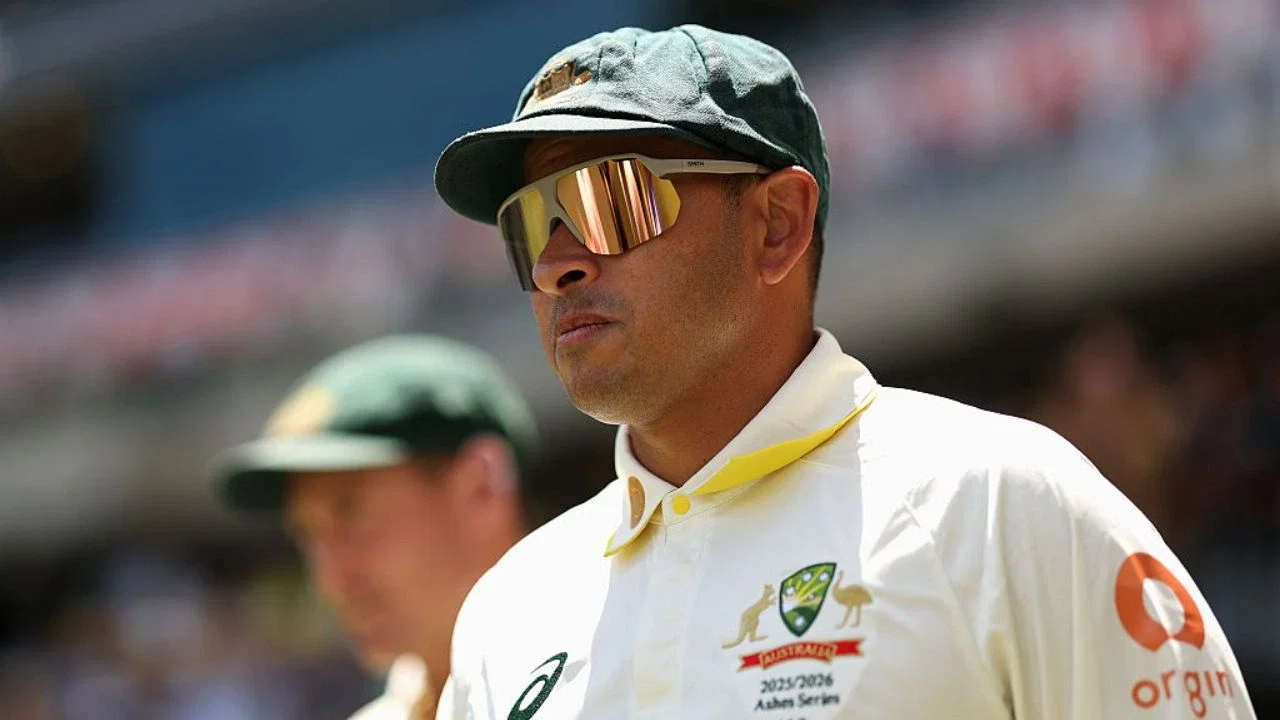
Usman Khawaja breaks silence on Lord’s incident, makes racial abuse allegations against MCC members
“There was a moment where we…”: Kane Williamson opens up on Fab Four comparison
Harshal Patel to Gujarat Titans? Sunrisers Hyderabad considering cash deal or Tom Banton swap
Surrey’s Lee Fortis saga ends in exit after ECB row and Gautam Gambhir controversy
KS Bharat to play international cricket for another country after leaving Indian cricket
Rajasthan Royals asked LSG for Mohammed Shami, Mohsin Khan in Yashasvi Jaiswal trade talks
Hardik Pandya-Arshdeep Singh trade officially announced as MI-PBKS pull off historic move
New Zealand Test squad for India series: Jacob Duffy IN, Devon Conway & Rachin Ravindra picked
David Warner backs Chris Broad’s dig at Darren Lehmann over 2018 ball-tampering scandal