“Things could have been different”: Tilak Varma shares honest verdict after India A’s loss
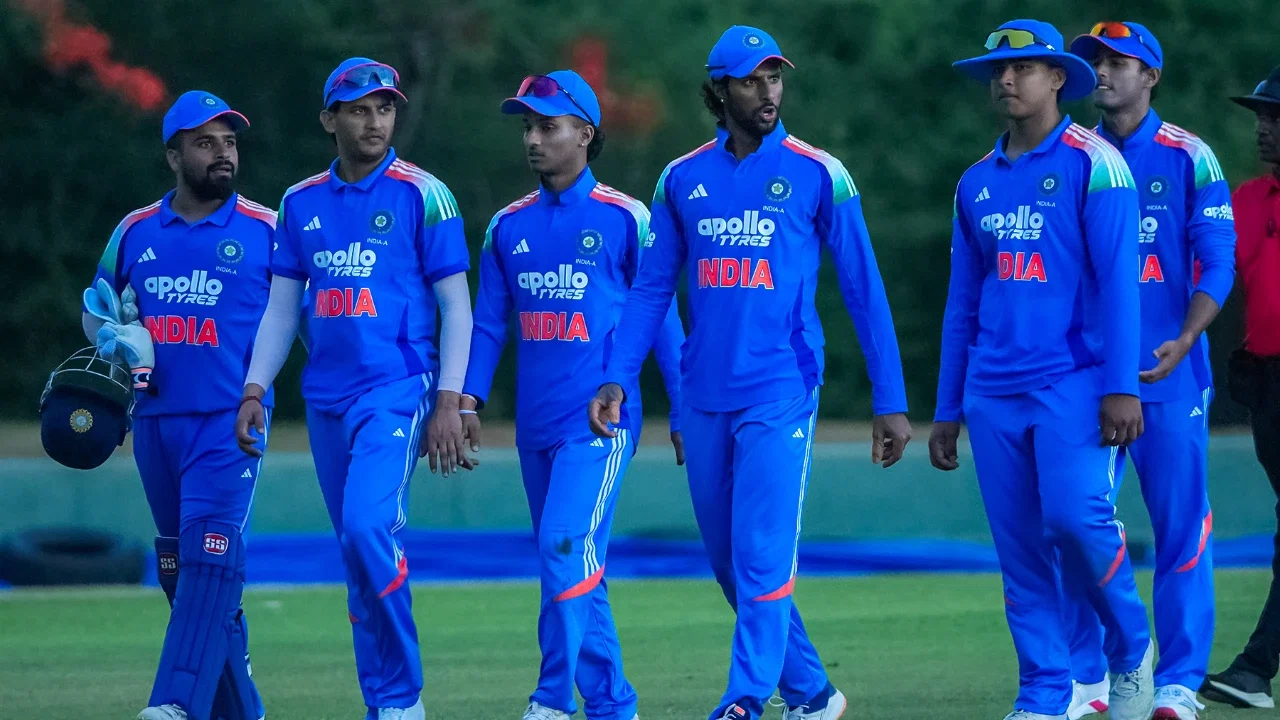
Rain ruins India A’s party as Afghanistan A seals dramatic DLS win in Dambulla
On June 11, India A and Afghanistan A clashed in a thrilling Tri-Series one-day match in Dambulla. However, the match was marred by rain interruptions, ultimately leading to Afghanistan A clinching a dramatic victory by four runs through the DLS method. The unexpected outcome left India A captain Tilak Varma disappointed and frustrated, reflecting on what could have been a different result if not for the weather.
India A sets a formidable total but falls short
The India A batters showcased their skills by posting a massive total of 349 runs against Afghanistan A, with Varma expressing confidence in their competitiveness in those conditions. Despite recent criticism of Varma’s batting, the captain remained hopeful that his team could secure a victory.
However, the match took a turn when rain forced officials to revise the target, setting Afghanistan A to chase 298 runs in 38 overs instead of the initial 350-run target. India A needed quick wickets to stay in the game, but Afghan openers provided a strong start, setting the stage for a challenging chase.
Afghanistan A’s dominance and Varma’s frustration
Arshad Khan struck early by dismissing opener Hassan Eisakhil, while Anukul Roy sent Khalid Taniwal back to the pavilion for a single-digit score. Despite India A’s efforts, Afghanistan A’s Imran Mir and Bahir Shah formed an unbeaten 108-run partnership, leading their team to a strong position against the Indian bowlers.
As the match approached its climax, rain once again intervened, halting play with Afghanistan A at 177 for 2 in 26 overs, slightly ahead on the DLS score. The match officials declared Afghanistan A the winners by four runs via the DLS method, leaving Varma to attribute the defeat to the unfortunate combination of rain and DLS.
Tilak Varma’s resilience and focus on improvement
Following the match, Varma refused to blame his bowlers, emphasizing the team’s need to learn from their mistakes and bounce back stronger in the upcoming matches. Despite acknowledging missed opportunities in the field, Varma praised Vaibhav Sooryavanshi’s impressive performance for India A.
Looking ahead, Varma remains optimistic about India A’s chances in the tournament, setting their sights on a strong comeback against Sri Lanka A on June 15. The captain highlighted the team’s determination to rectify their errors and secure victories in the remaining matches to secure a spot in the final.
Varma concluded, “Our goal is to win the next two games and play the final. We will regroup, address our weaknesses, and come back stronger in the next match.”
Impact of Weather on Cricket Matches
Weather interruptions have long been a challenge in cricket matches, often leading to unexpected outcomes and altering the course of the game. The use of the Duckworth-Lewis-Stern (DLS) method to adjust target scores in limited-overs matches adds another layer of complexity, as teams must adapt their strategies based on revised targets set during rain delays.
Teams like India A have experienced the frustration of weather disruptions, where a strong performance can be overshadowed by the impact of rain on the final result. These unpredictable conditions test players’ adaptability, mental strength, and ability to stay focused despite interruptions.
Strategies for Dealing with Rain Delays
Cricket teams must develop strategies to cope with rain interruptions and revised targets to maintain their competitive edge. Captains and coaches play a crucial role in keeping players motivated, adjusting game plans on the fly, and ensuring that the team stays united and focused throughout the disruptions.
Having a flexible approach to batting, bowling, and fielding strategies is essential in such situations. Teams must be prepared to accelerate scoring, take quick wickets, or defend targets effectively within reduced overs to adapt to the changing dynamics of the game.
Learning from Defeats and Moving Forward
Defeats like the one faced by India A against Afghanistan A can serve as valuable learning experiences for teams, highlighting areas for improvement and reinforcing the importance of resilience in the face of adversity. Analyzing performances, identifying weaknesses, and making necessary adjustments are key steps in bouncing back from setbacks.
Individual players, including captains like Tilak Varma, can lead by example by maintaining a positive attitude, taking responsibility for their performances, and motivating their teammates to strive for excellence. Emphasizing a growth mindset, continuous improvement, and team cohesion are essential elements in regrouping after a loss.
Looking Towards the Future
As India A sets its sights on upcoming matches in the Tri-Series, the team can leverage the lessons learned from the defeat against Afghanistan A to enhance their performance and secure victories in the remaining games. Maintaining a sense of determination, unity, and focus on the ultimate goal of reaching the final can drive the team towards success.
By addressing weaknesses, fine-tuning strategies, and approaching each match with a renewed sense of purpose, India A under the leadership of Tilak Varma can strive for redemption and demonstrate their true potential on the cricket field. The journey towards victory is paved with challenges, but it is the resilience and commitment of the players that ultimately define their success in the face of adversity.
Latest News
Top 10 highest run-chases in T20 cricket history, ft. West Indies’ Ranchi win vs India
Aaryavir Sehwag and Anvay Dravid set to make headlines at U19 Asia Cup 2026
Longest ducks in Test cricket history ft. Nic Maddinson, Shoaib Akhtar
ECB to offer 39 central contracts to England players after Ben Stokes, Mark Wood’s retirement
Steve Smith surpasses Steve Waugh in all-time Test run-scorers’ list

Shane Watson identifies Gautam Gambhir’s biggest problem as India struggle for consistency
Is Bhuvneshwar Kumar in India’s 2027 World Cup plans? Ajinkya Rahane makes revelation
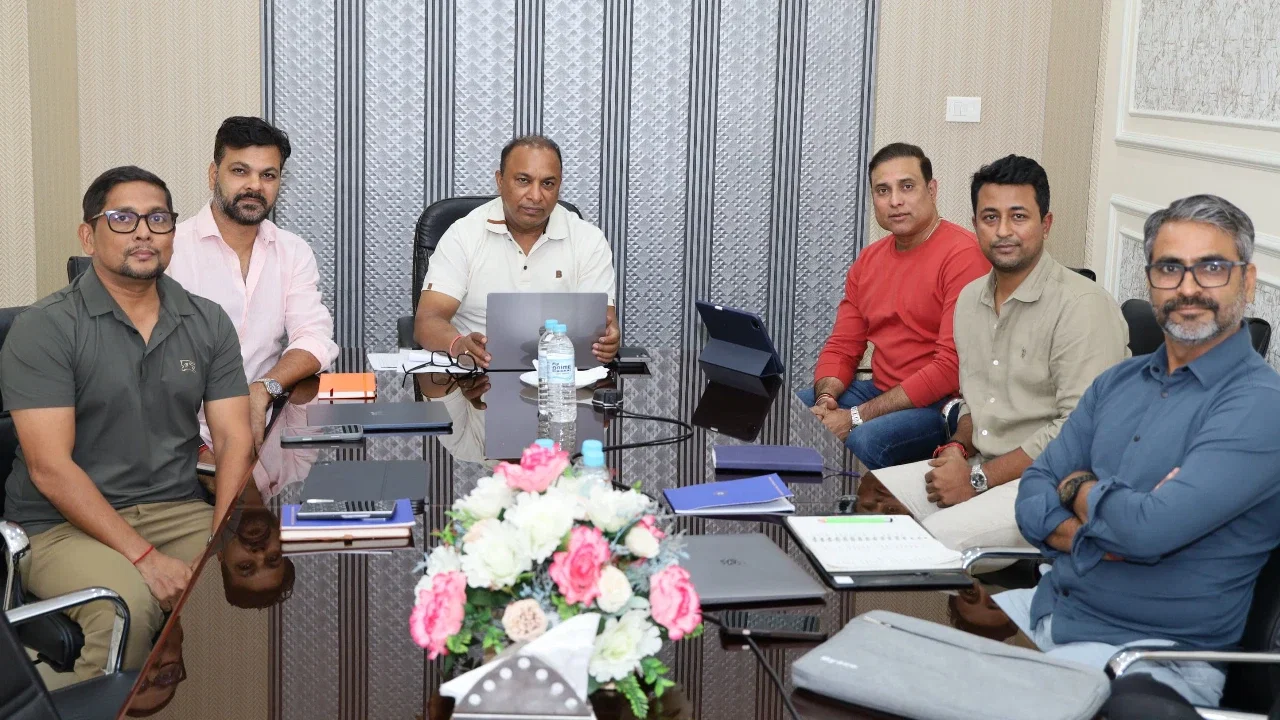
BCCI’s big ₹127 Crore move after injury crisis raises concerns over Team India

Parthiv Patel reveals RCB ignored his Jasprit Bumrah recommendation in IPL 2014 Auction
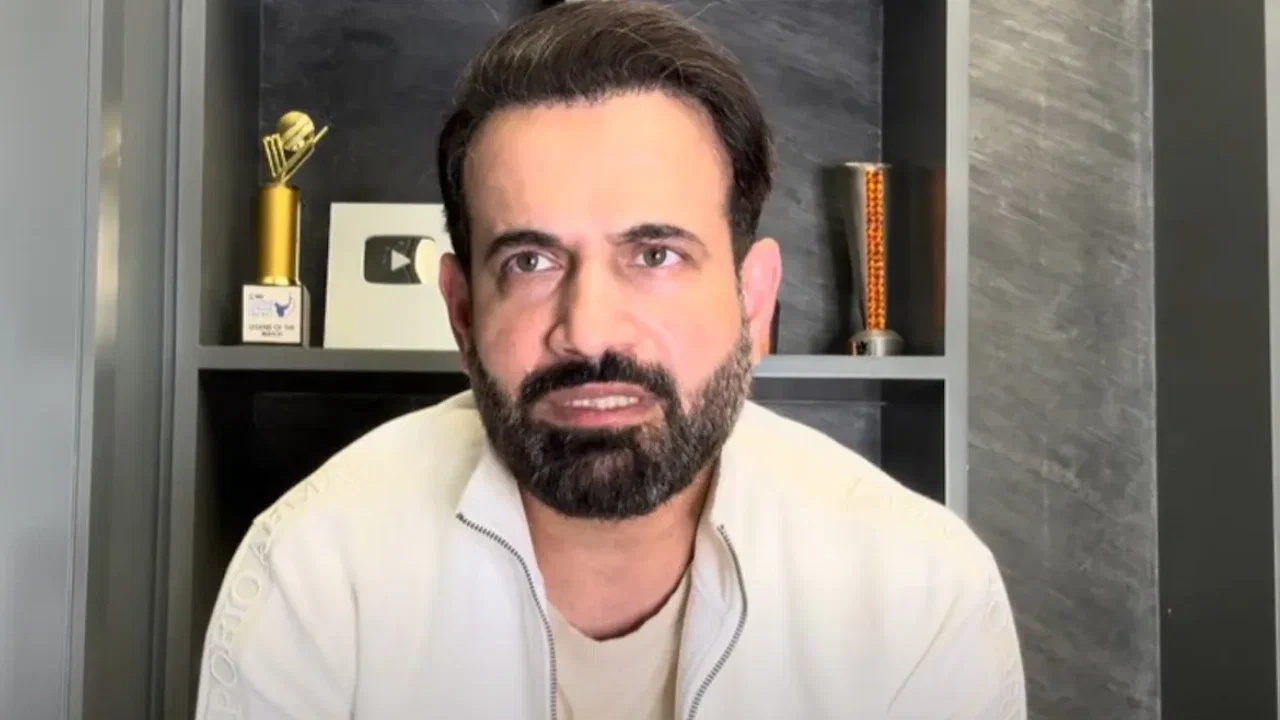
“Never spoke ill of any faith”: Irfan Pathan hits back at fake news using his name
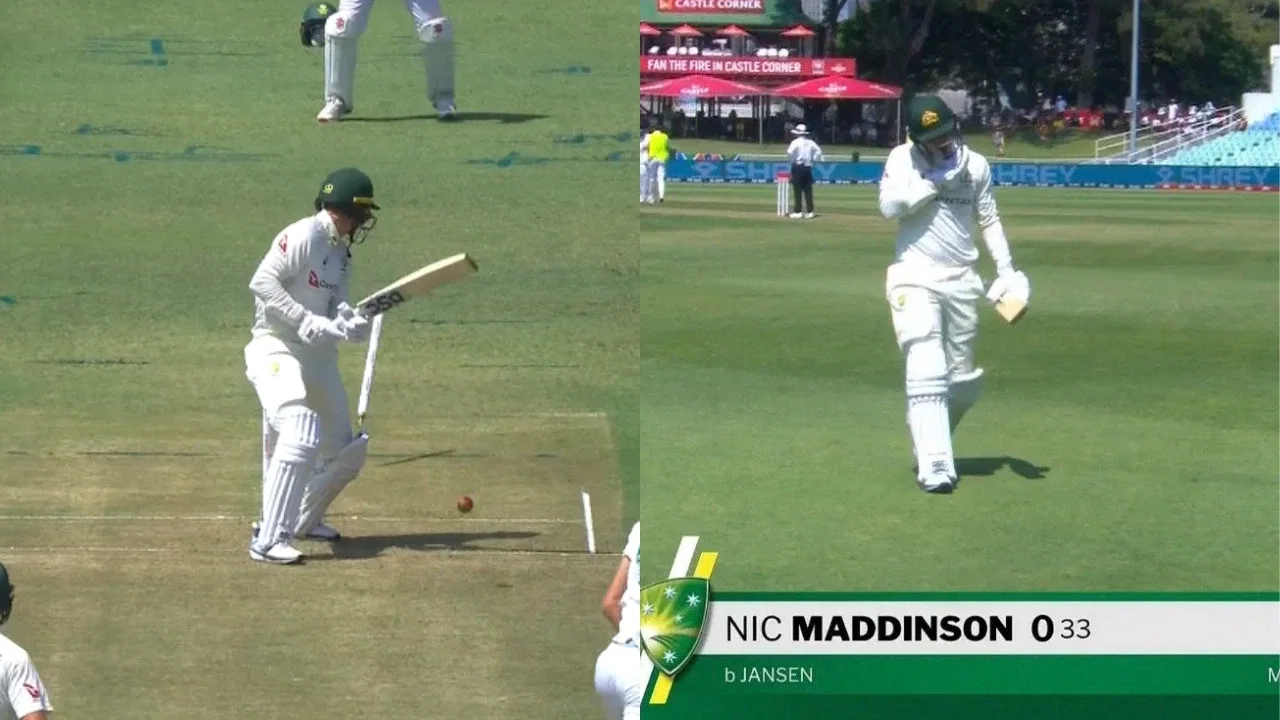
Nic Maddinson bags 33-ball duck on Test comeback, disappoints George Bailey
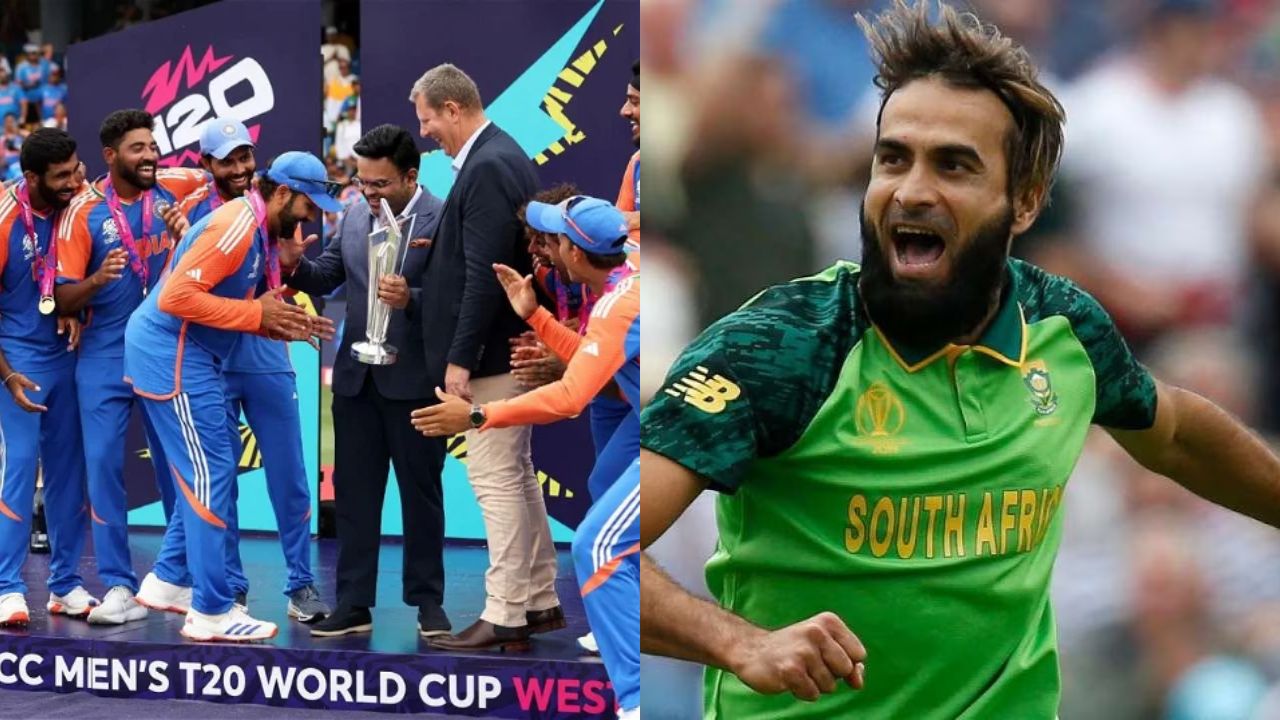
Imran Tahir predicts 2027 ICC ODI World Cup Semi-Finalists, snubs India for title
Australia create unwanted history with first all-30-plus Test XI
Ravindra Jadeja returns to Ranji Trophy as Saurashtra announce squad