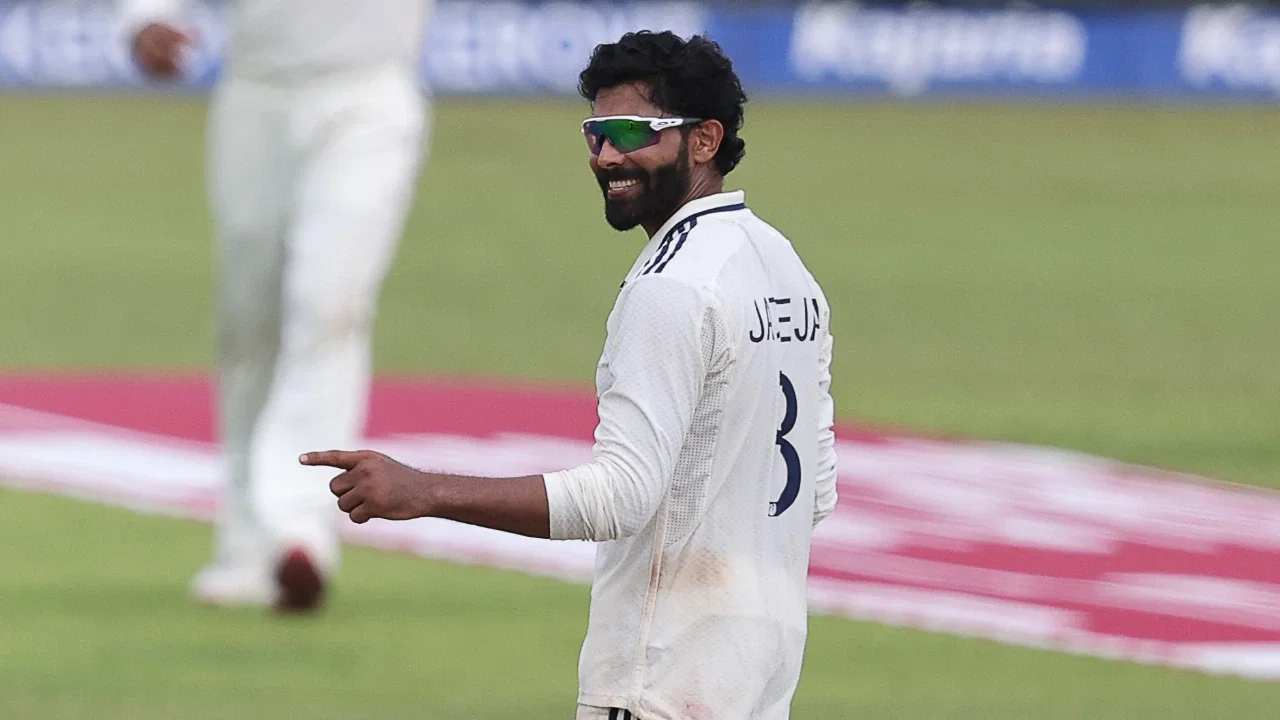
‘This guy destroyed us’ – Steve Waugh’s candid confession after meeting Harbhajan Singh

Harbhajan Singh’s Legendary Performance Against Australia in the 2001 Border-Gavaskar Trophy
Former Australia captain Steve Waugh recently met with former Indian off-spinner Harbhajan Singh, reminiscing about the unforgettable 2001 Border-Gavaskar Trophy. Waugh hailed Harbhajan as one of the toughest opponents his team ever faced, highlighting the impact the spinner had during the series.
The Iconic Test Triumph
The 2001 Border-Gavaskar Trophy is etched in cricketing history as one of the most remarkable contests. After a crushing defeat in the opening Test, India, led by Sourav Ganguly, turned the tables to clinch the series 2-1, ending Australia’s dominant winning streak. The Indian team showcased a blend of emerging talent and seasoned performers, shocking the cricket world with their resilience.
Harbhajan Singh’s Heroics
Harbhajan Singh emerged as the hero of India’s historic triumph, delivering a career-defining performance with 32 wickets across three Tests. His sensational hat-trick in the Kolkata Test played a pivotal role in India’s miraculous comeback after being forced to follow-on. Notably, Harbhajan troubled Australian batsmen, including Ricky Ponting, who struggled against his spin, averaging just 26.48 in 14 Tests in India.
Waugh’s Nostalgic Reunion
Steve Waugh described his recent meeting with Harbhajan Singh as a reunion with an “old adversary.” Waugh took to Instagram to express his admiration for Harbhajan’s outstanding performance in the 2001 series, where the spinner single-handedly dismantled Australia’s formidable batting lineup.
Harbhajan Singh’s Dominance
Australia, boasting cricketing legends like Ricky Ponting, Steve and Mark Waugh, Adam Gilchrist, and Glenn McGrath, entered the series with a 16-match winning streak. However, Harbhajan Singh stunned the world by taking 32 wickets in the series, far surpassing any other Indian bowler. His exceptional bowling display, especially in the final Test where he claimed 15 wickets, sealed India’s historic series win.
Harbhajan’s incredible feat of dismantling Australia’s batting lineup not only earned him accolades but also solidified his place in cricketing folklore. His performance remains etched in the memories of cricket fans worldwide as one of the greatest displays of spin bowling in Test cricket.
As cricket enthusiasts look back at the 2001 Border-Gavaskar Trophy, Harbhajan Singh’s name stands out as the shining star who led India to a memorable victory against the mighty Australians. His legacy as a fierce competitor and a masterful spinner continues to inspire aspiring cricketers and remains a testament to his skill and determination on the cricket field.
The Impact of Harbhajan Singh’s Performance on Indian Cricket
Harbhajan Singh’s legendary performance in the 2001 Border-Gavaskar Trophy not only secured a historic series win for India but also marked a significant turning point in Indian cricket. The victory instilled a newfound belief in the team that they could compete with and defeat the best in the world. It set the stage for a period of dominance for Indian cricket, with the team going on to achieve many more successes in the following years.
Harbhajan’s success against Australia, a team known for their prowess against spin bowling, showcased the importance of having a quality spinner in the team. His performance inspired a generation of young spinners in India to hone their craft and dream of emulating his success on the international stage. Players like Ravichandran Ashwin and Ravindra Jadeja, who have since become integral parts of the Indian team, have cited Harbhajan as a major influence on their careers.
The Psychological Warfare of Prediction
One interesting aspect of Harbhajan Singh’s bowling during the 2001 series was his ability to outthink the Australian batsmen. Through a combination of skillful variations and astute game reading, Harbhajan was able to predict the shots and reactions of his opponents, often setting them up for a dismissal. This psychological warfare added a new dimension to his bowling, making him a formidable opponent for even the best batsmen in the world.
Harbhajan’s mastery of prediction was evident in his battles with Ricky Ponting, whom he consistently troubled throughout the series. By anticipating Ponting’s movements and shot selections, Harbhajan was able to create doubt in the batsman’s mind, leading to his eventual downfall. This strategic approach to bowling set Harbhajan apart from his contemporaries and elevated him to the status of a true match-winner for India.
Legacy and Longevity
Despite his remarkable performance in the 2001 Border-Gavaskar Trophy, Harbhajan Singh’s impact on Indian cricket extended far beyond that series. He went on to have a long and illustrious career, becoming one of India’s most successful spin bowlers in Test cricket. Harbhajan’s ability to adapt to different conditions and continue taking wickets against top-quality opposition solidified his status as a true great of the game.
Off the field, Harbhajan has also been a mentor and role model for younger cricketers, sharing his knowledge and experiences to help them improve their game. His leadership qualities and passion for the sport have inspired many aspiring cricketers to pursue their dreams and strive for excellence, both on and off the field.
Continuing the Legacy
As Indian cricket continues to evolve and produce talented spin bowlers, the legacy of Harbhajan Singh looms large. His success against Australia in the 2001 series serves as a reminder of the impact a single player can have on a team’s fortunes and the importance of mental fortitude in high-pressure situations. Young cricketers in India now look up to Harbhajan as a symbol of determination, skill, and unwavering commitment to the game.
While the 2001 Border-Gavaskar Trophy will always be remembered as a watershed moment in Indian cricket history, it is the enduring legacy of players like Harbhajan Singh that continues to inspire the next generation of cricketers to aim for greatness and write their own chapters of triumph on the international stage.
Latest News

New Zealand suffer blow as William O’Rourke misses India ODIs and Tests
Top 10 highest run-chases in T20 cricket history, ft. West Indies’ Ranchi win vs India
Aaryavir Sehwag and Anvay Dravid set to make headlines at U19 Asia Cup 2026

Longest ducks in Test cricket history ft. Nic Maddinson, Shoaib Akhtar
ECB to offer 39 central contracts to England players after Ben Stokes, Mark Wood’s retirement
Steve Smith surpasses Steve Waugh in all-time Test run-scorers’ list

Shane Watson identifies Gautam Gambhir’s biggest problem as India struggle for consistency

Is Bhuvneshwar Kumar in India’s 2027 World Cup plans? Ajinkya Rahane makes revelation

BCCI’s big ₹127 Crore move after injury crisis raises concerns over Team India

Parthiv Patel reveals RCB ignored his Jasprit Bumrah recommendation in IPL 2014 Auction
“Never spoke ill of any faith”: Irfan Pathan hits back at fake news using his name
Nic Maddinson bags 33-ball duck on Test comeback, disappoints George Bailey

Imran Tahir predicts 2027 ICC ODI World Cup Semi-Finalists, snubs India for title
Australia create unwanted history with first all-30-plus Test XI