Tilak Varma reveals secret behind his growing leadership skills ahead of IND vs NZ 4th T20I
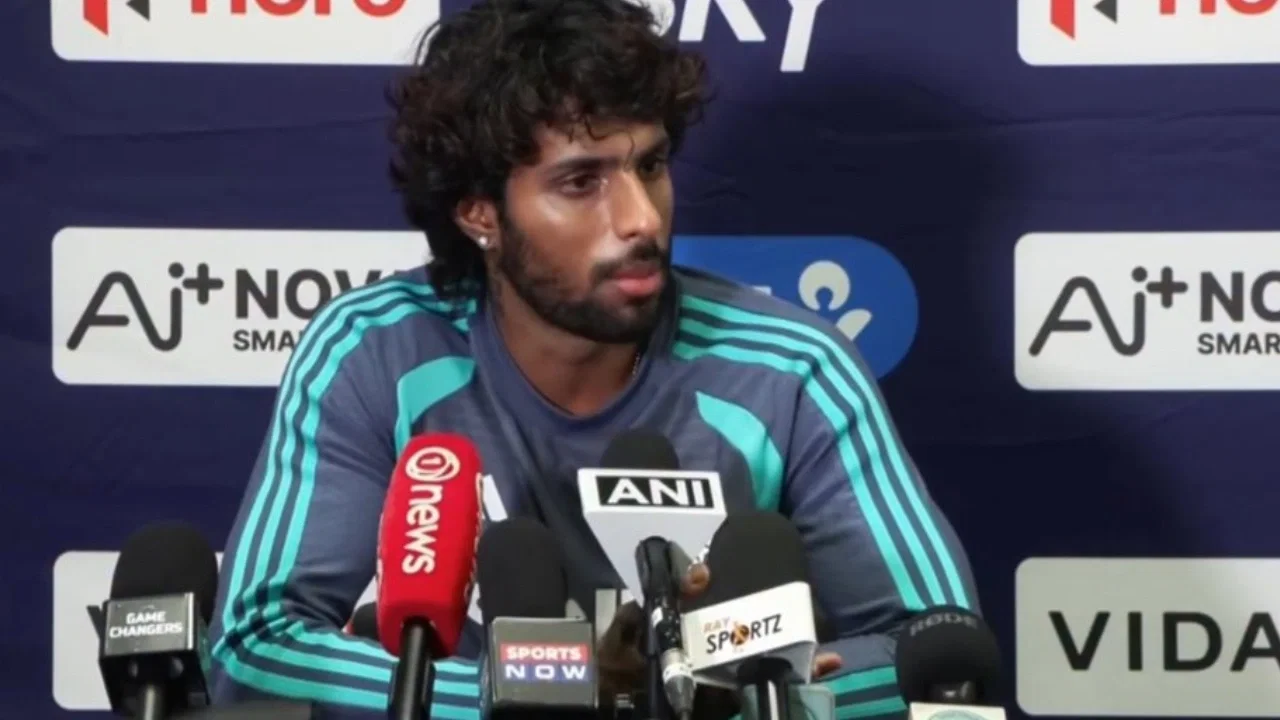
Tilak Varma on His Growth as India’s T20I Vice-Captain
Tilak Varma says his appointment as India’s T20I vice-captain reflects leadership experience built over several years—not simply a new title alongside captain Shreyas Iyer. Speaking ahead of the fourth match of India’s five-game T20I series against New Zealand, the young batter described how opportunities with state, India A and emerging teams have helped prepare him for a bigger role in the national side.
The appointment marked a notable change in India’s leadership group after the 2026 T20 World Cup. Iyer was named captain, replacing Suryakumar Yadav, while Varma was selected as his deputy. Iyer was already recognised for his captaincy, but Varma was more widely known for his aggressive middle-order batting. That contrast prompted questions about how the 23-year-old would adapt to the responsibilities of vice-captaincy.
Experience Behind Varma’s Leadership Role
Varma’s response was that he is not starting from scratch. He said he has led his state side in domestic cricket across formats and also held leadership responsibilities with India A and emerging teams. Those experiences, he explained, have given him practical lessons that he can now apply in the international environment.
“I have done all the formats for my state, and for a year now I have done India A series, Emerging, whatever it is, everywhere, so I have that experience,” Varma told reporters. He added that he tries to share his knowledge and observations on the field when the situation calls for it.
Leadership in T20 cricket often involves making decisions quickly, sometimes with only a few deliveries to assess a batter’s approach or a bowler’s rhythm. A vice-captain can help by offering a second perspective on field placements, match-ups and changes in momentum. Varma’s experience across different teams may therefore be useful not only in formal leadership situations, but also in the everyday exchanges that shape a captain’s decisions.
From Middle-Order Batter to On-Field Contributor
Varma’s primary contribution remains his batting. As an attacking middle-order player, he is expected to handle pressure, build partnerships and accelerate when the innings demands it. The added leadership role does not replace those duties; rather, it gives him another way to influence a match.
That combination can be valuable in a T20 side. Players who regularly assess changing conditions from the middle of an innings may develop a strong sense of how a game is unfolding. A batter’s view of the pitch, the opposition’s tactics and the required scoring rate can add useful context to strategic conversations. Varma’s challenge will be to balance that awareness with the demands of performing consistently with the bat.
How Varma and Captain Shreyas Iyer Communicate
Varma also spoke about the working relationship he is developing with Iyer. He described their communication as a practical partnership: the captain cannot monitor every detail at once, so the vice-captain can help by taking responsibility for specific situations and sharing observations.
“As a captain, it is difficult to cover everything, so there is a small communication between me and Iyer, where I can help Shreyas Iyer,” Varma said. He noted that Iyer also asks for his thoughts, allowing the two to discuss possible moves during matches. Varma said he is enjoying the role and believes their combination is producing good results.
That kind of communication is especially important in a fast-moving format. Captains must manage bowlers, fielders, match-ups and the pace of the game, often while responding to decisions made by the opposition. A trusted deputy can help keep the team aligned and ensure that useful information reaches the captain without slowing the game’s decision-making process.
India’s Series Win Sets Up a Different Challenge
India had already secured the five-match T20I series by winning the first three games. As a result, the final two fixtures became dead rubbers in terms of the series outcome, but they still offered meaningful opportunities for both sides. For New Zealand, the remaining matches were a chance to finish the campaign strongly in front of home supporters. For India, they provided valuable time to test combinations and continue building cohesion within the squad.
For Varma, the closing games also offered a chance to put his vice-captaincy into practice. With the series result settled, the focus could shift toward execution, experimentation and individual improvement—while maintaining the standards expected of the national team. Such matches can be useful for assessing how players respond to responsibility when the pressure of a series-deciding contest has eased.
What to Watch in Varma’s Leadership Development
Varma’s appointment will ultimately be judged through more than one press conference or tactical conversation. His development as a leader will be measured by how effectively he supports Iyer, contributes to decisions under pressure and continues to deliver as a batter. The most useful prediction is not that he will immediately transform India’s leadership structure, but that his domestic and India A experience gives him a foundation to grow into the role.
For fans following India’s T20I plans, the partnership between Iyer and Varma is an emerging storyline. If their communication remains clear and Varma’s on-field input complements the captain’s approach, the vice-captain could become an increasingly influential presence. His comments suggest that he sees leadership as a shared responsibility: listen, observe, communicate and take small roles when the team needs them.
At 23, Varma has time to develop both his game and his leadership style. His appointment signals that India’s management sees potential beyond his batting, while his own remarks point to a measured approach—drawing on experience, supporting the captain and learning through each opportunity.
Latest News
Gautam Gambhir approached by 4 IPL franchises for 2028 season
Tilak Varma reveals secret behind his growing leadership skills ahead of IND vs NZ 4th T20I
Smriti Mandhana reveals MS Dhoni’s special WhatsApp message after World Cup triumph
R Ashwin explains why Hardik Pandya could be a perfect fit for KKR ahead of IPL 2027
Temba Bavuma achieves rare Test milestone at 36, becomes South Africa’s second-oldest to 4,000 runs
Virat Kohli’s name comes up in Supreme Court hearing on Diwali celebration
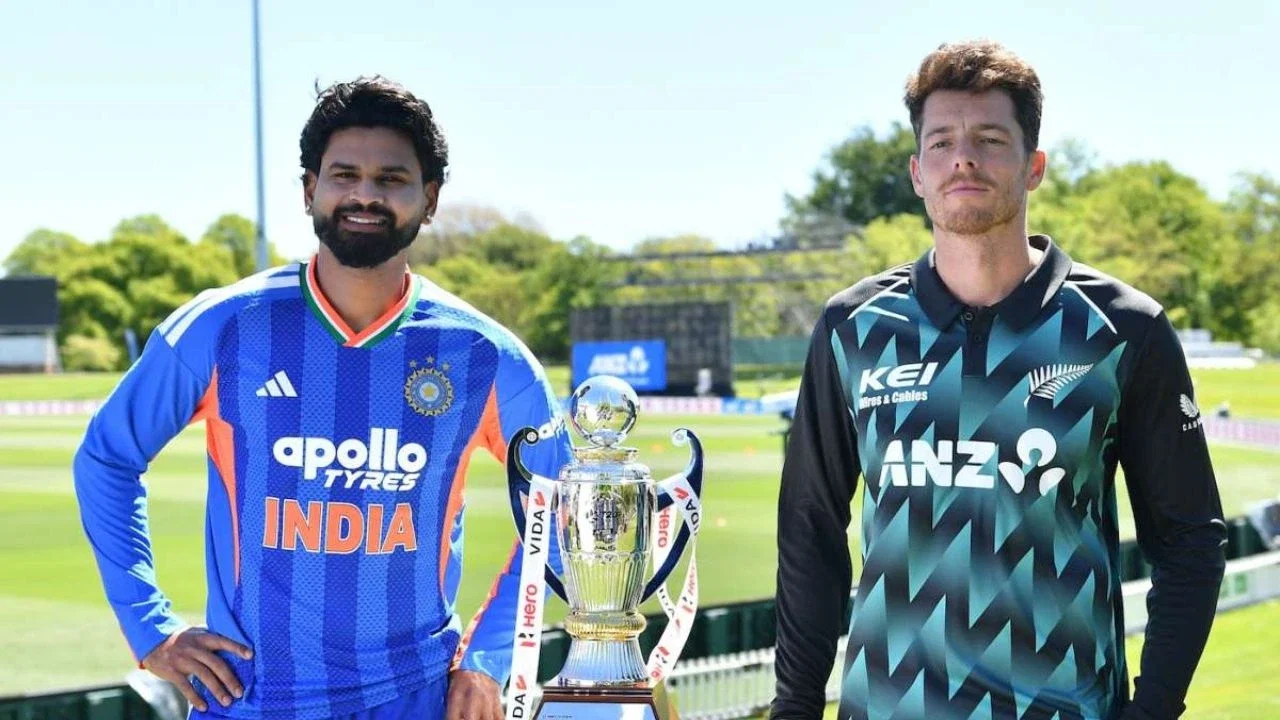
IND vs NZ Playing 11 Today, Live Streaming, Pitch & Weather: India tour of New Zealand 2026, 4th T20I
Litton Das’ injury vs WI: Bangladesh provide update on wicket-keeper batter
Shubman Gill ranked above Ronaldo-Messi in most marketable athletes list, Dhoni-Kohli-Rohit totally snubbed
Josh Inglis becomes first Australian to achieve this historic milestone
BCCI hints at WPL expansion as Devajit Saikia reveals plans for more teams
T Dilip to join Mumbai Indians ahead of IPL 2027: Report

“It is quite jarring” – Kumar Sangakkara makes serious allegations against Ryanair Staff at Dublin airport
Tilak Varma reveals Gautam Gambhir’s warning during New Zealand tour