Virat Kohli’s name comes up in Supreme Court hearing on Diwali celebration
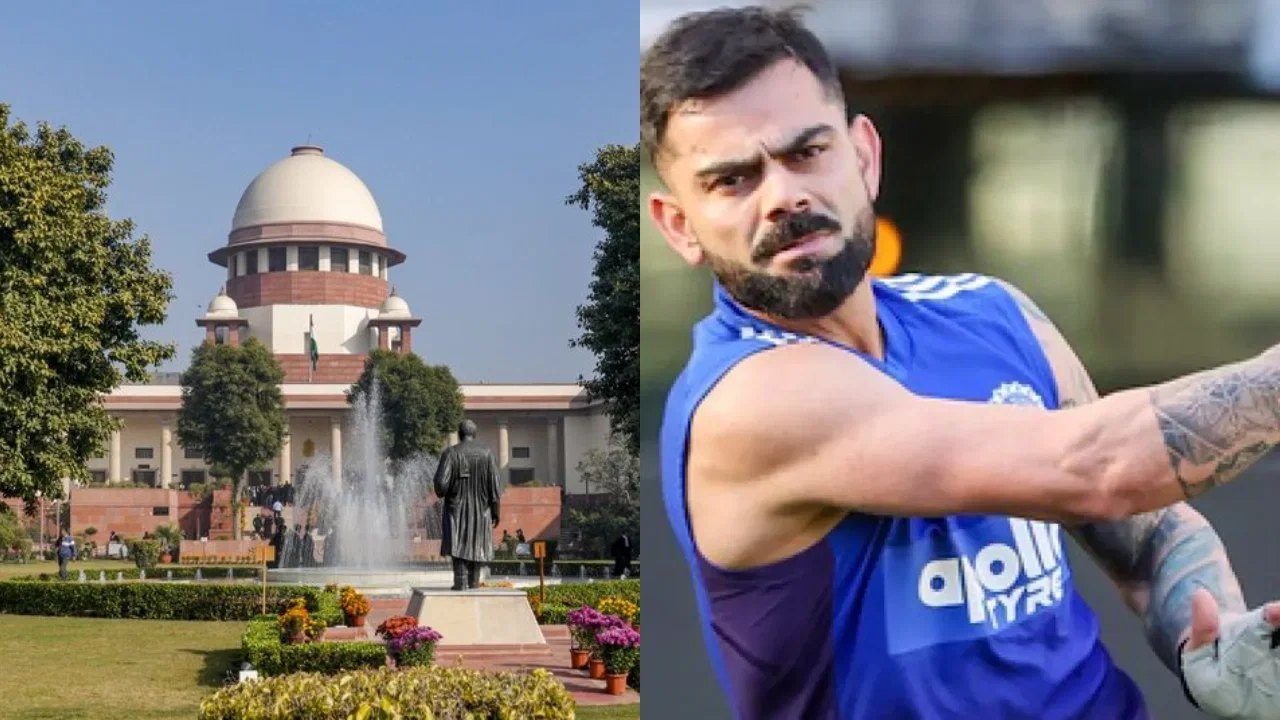
Supreme Court Suggests Virat Kohli Could Help Promote a Firecracker-Free Diwali in Delhi-NCR
As Delhi-NCR prepares for Diwali amid persistent concerns about air pollution, the Supreme Court has suggested that popular public figures could help encourage safer celebrations. During a recent hearing, a bench comprising Justice M.M. Sundresh and Justice P.B. Varale mentioned Indian cricket star Virat Kohli as one possible ambassador for a public-awareness campaign urging people to avoid firecrackers.
The suggestion reflects a broader effort to connect environmental messages with people who have wide public reach. Kohli’s popularity among cricket fans in India and abroad could help bring the issue to a large audience, particularly younger people. The court did not announce that the cricketer had agreed to take part; rather, it proposed that authorities consider approaching respected sports personalities and other well-known figures.
Why the Supreme Court raised the idea
Delhi’s air quality often becomes a major public-health concern around Diwali. Firecracker smoke can add particulate matter and other pollutants to the air, while traffic, construction dust, and seasonal weather conditions may also contribute to poor air quality. The combined impact can be especially difficult for children, older adults, and people with asthma or other respiratory conditions.
Against that backdrop, the bench discussed whether a more visible public campaign could encourage residents to celebrate without fireworks. Justice Sundresh suggested that a celebrated cricketer such as Kohli might be asked to record a message or participate in a short awareness segment. The aim, as described during the hearing, would be to promote an enjoyable festival while reducing harm to the environment and to other people.
The court’s remarks were framed as a suggestion, not a formal prediction that Kohli would appear in a campaign. Any participation would depend on whether the relevant authorities approached him and whether he chose to take part. Still, the example highlights how public figures can help translate a complex issue—air pollution—into a message that is easy to understand and share.
Revisiting the meaning of the Festival of Lights
During the discussion, Justice Sundresh observed that firecrackers were not always central to Diwali celebrations. The festival is traditionally associated with light, family gatherings, prayer, and the sharing of sweets. Fireworks became more closely linked with the occasion over time, but the court’s comments invited people to consider whether the celebration can retain its joy without activities that worsen pollution or disturb others.
The historical point was raised in the context of how customs evolve. Rather than treating firecrackers as indispensable, families and communities could focus on other ways to mark the festival: lighting lamps, decorating homes, organising cultural events, or spending time with relatives and neighbours. Such alternatives can preserve the festive atmosphere while reducing smoke, noise, and the risk of burns or accidental injuries.
That distinction may be particularly relevant in densely populated parts of Delhi-NCR, where pollution does not remain confined to the location where fireworks are set off. Smoke can spread across neighbourhoods, and loud explosions may affect infants, older residents, people with sensory sensitivities, and animals. A firecracker-free celebration is therefore not only an environmental choice but also a consideration for community wellbeing.
Public figures could amplify the message
Justice Varale also asked why authorities could not enlist prominent sportspeople and other respected public personalities to raise awareness. The idea is that messages from familiar figures may attract attention and encourage discussion in a way that official notices alone may not. Athletes, artists, educators, and community leaders can help make environmental guidance more relatable, especially when they explain practical alternatives rather than simply issuing warnings.
For a campaign to be effective, however, celebrity participation would need to support clear and consistent information. Short videos, school visits, social-media posts, and local events could explain how firecrackers affect air quality and what residents can do instead. Campaign organisers could also share advice on following applicable rules and on protecting people who are particularly vulnerable to smoke and noise.
The court’s suggestion also points to the importance of timing. Awareness efforts are more likely to influence behaviour when they begin before the festival, giving families, schools, and neighbourhood groups time to plan alternatives. A last-minute appeal may attract attention, but sustained communication can help make cleaner celebrations feel normal rather than exceptional.
Schools and children could play a central role
Justice Sundresh further suggested that education authorities could help teach children about the effects of air pollution. Schools can explain how smoke affects breathing and why pollution levels may rise during periods when fireworks are widely used. Lessons, assemblies, art activities, and student-led pledges could make the subject accessible without turning the festival into a purely restrictive message.
Children can also influence conversations at home. When students bring environmental information to their families, they may encourage parents and relatives to consider quieter, cleaner ways to celebrate. This approach can build awareness across generations and give young people a constructive role in community action.
Education campaigns are most useful when they pair information with practical choices. Schools and local organisations might suggest diya-lighting events, community gatherings, rangoli competitions, or cultural programmes as alternatives. Such activities preserve the social and festive aspects of Diwali while reducing dependence on fireworks.
A wider conversation about cleaner celebrations
The Supreme Court’s remarks add to an ongoing public conversation about balancing tradition, personal choice, public health, and environmental responsibility. They do not suggest that the festival itself is the problem. Instead, the discussion focuses on how specific practices can affect people beyond the household or neighbourhood where they take place.
For residents, the central message is straightforward: celebrating Diwali does not have to mean adding to the region’s pollution. Families can choose options that keep the emphasis on light, togetherness, and cultural traditions. Authorities, schools, and public figures can help by making those choices visible and easy to adopt.
Kohli’s name has drawn attention to the proposal because of his reach and standing in Indian sport. Whether or not he participates, the court’s suggestion underscores the potential value of trusted messengers in public-awareness campaigns. As Delhi-NCR approaches another festive season, the broader prediction is that cleaner celebrations will depend not on one celebrity alone, but on coordinated efforts from residents, educators, officials, and influential voices.
Kohli’s next scheduled appearance for the India national cricket team is reported to be against New Zealand in an ODI at Eden Park in Auckland on November 4, 2026. His cricket commitments are separate from the court’s proposed awareness effort, and no participation in a Diwali campaign was confirmed during the hearing.
Latest News
Gautam Gambhir approached by 4 IPL franchises for 2028 season
Tilak Varma reveals secret behind his growing leadership skills ahead of IND vs NZ 4th T20I

Smriti Mandhana reveals MS Dhoni’s special WhatsApp message after World Cup triumph
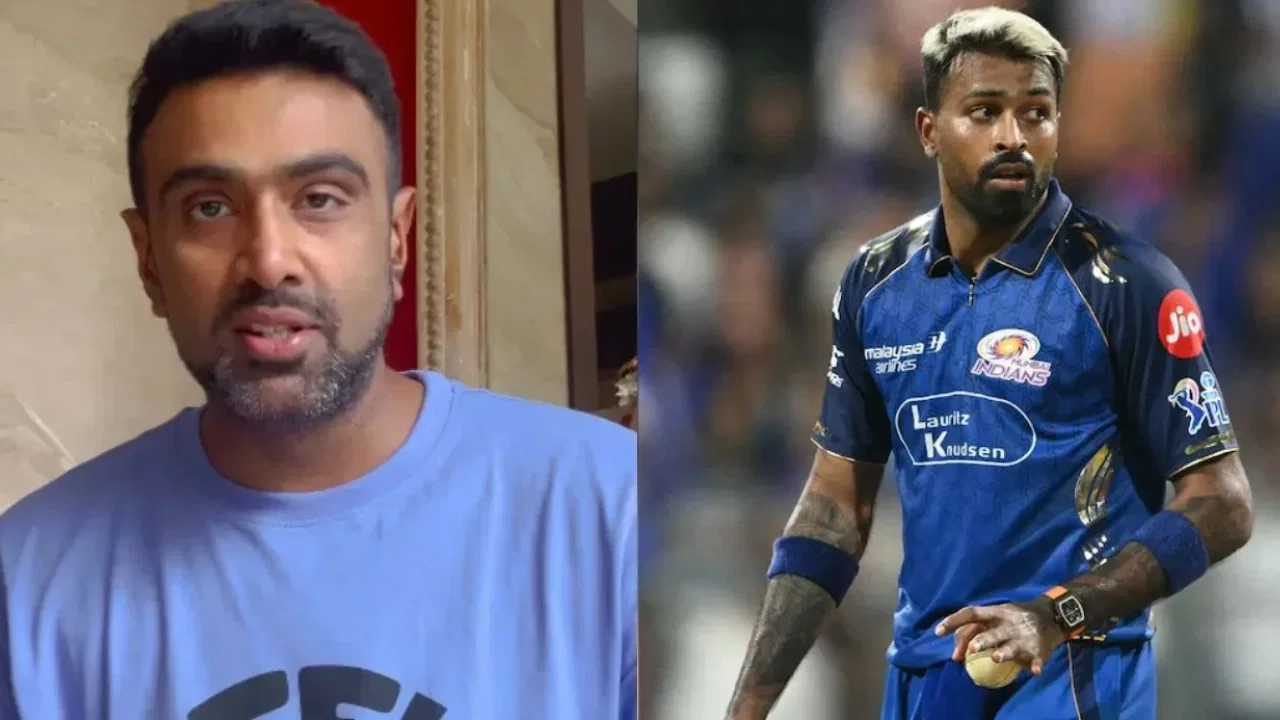
R Ashwin explains why Hardik Pandya could be a perfect fit for KKR ahead of IPL 2027
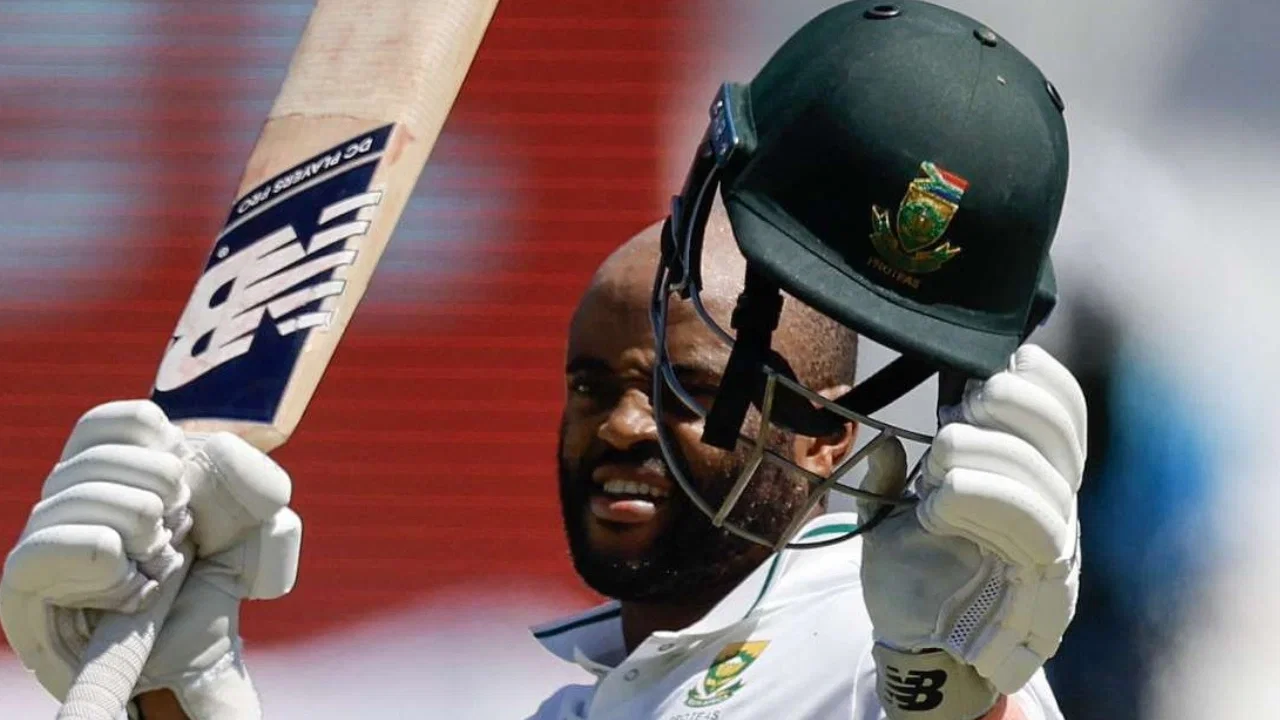
Temba Bavuma achieves rare Test milestone at 36, becomes South Africa’s second-oldest to 4,000 runs
Virat Kohli’s name comes up in Supreme Court hearing on Diwali celebration
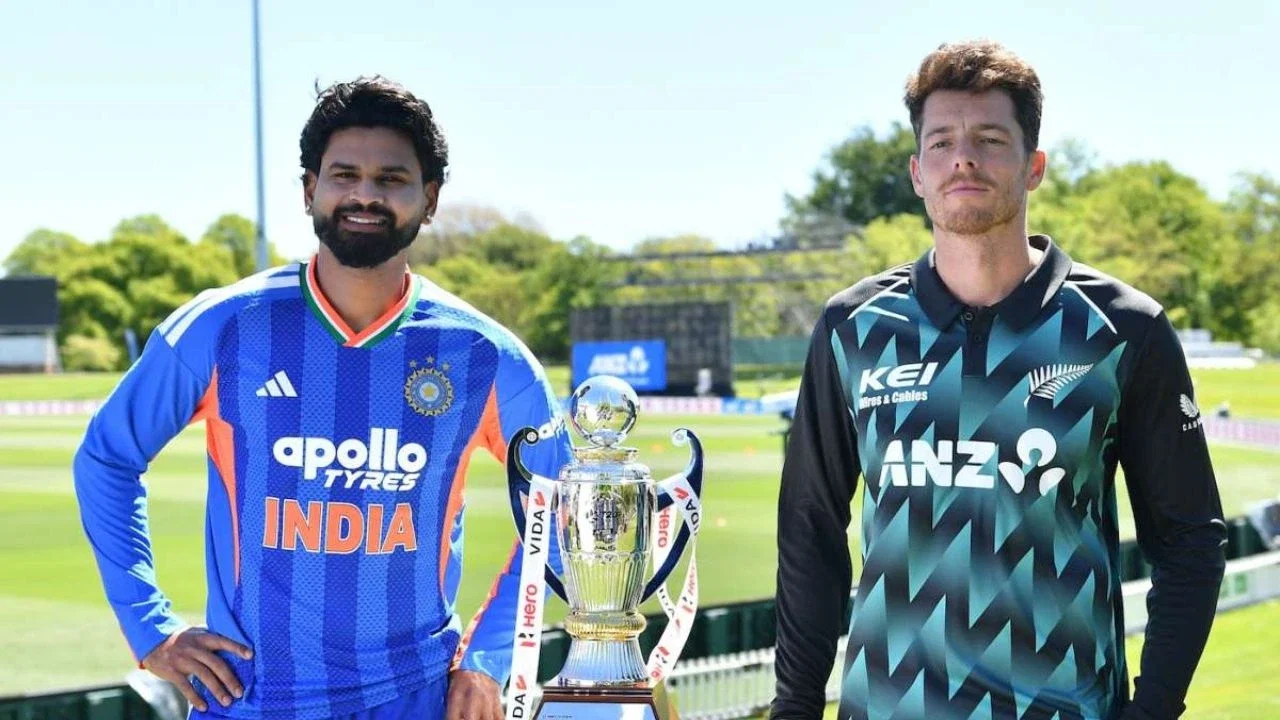
IND vs NZ Playing 11 Today, Live Streaming, Pitch & Weather: India tour of New Zealand 2026, 4th T20I
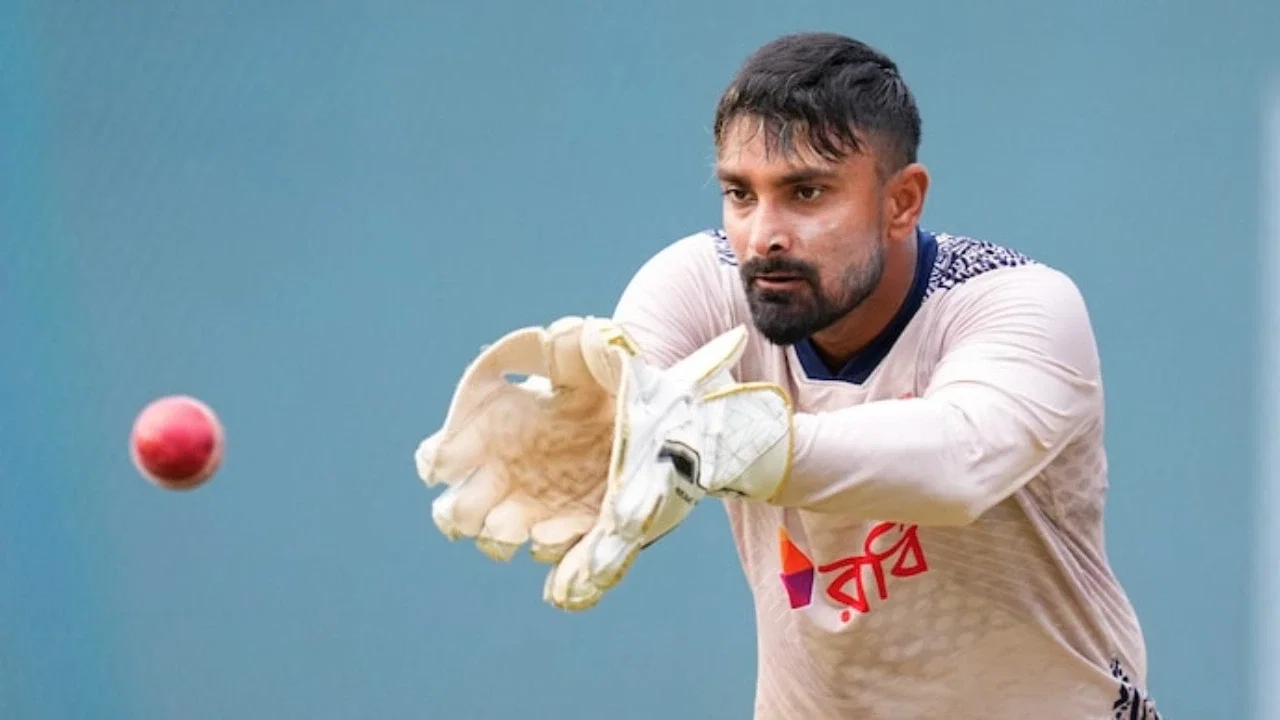
Litton Das’ injury vs WI: Bangladesh provide update on wicket-keeper batter
Shubman Gill ranked above Ronaldo-Messi in most marketable athletes list, Dhoni-Kohli-Rohit totally snubbed
Josh Inglis becomes first Australian to achieve this historic milestone
BCCI hints at WPL expansion as Devajit Saikia reveals plans for more teams
T Dilip to join Mumbai Indians ahead of IPL 2027: Report

“It is quite jarring” – Kumar Sangakkara makes serious allegations against Ryanair Staff at Dublin airport
Tilak Varma reveals Gautam Gambhir’s warning during New Zealand tour