Virat Kohli, Gautam Gambhir block each other in Australia, zero communication
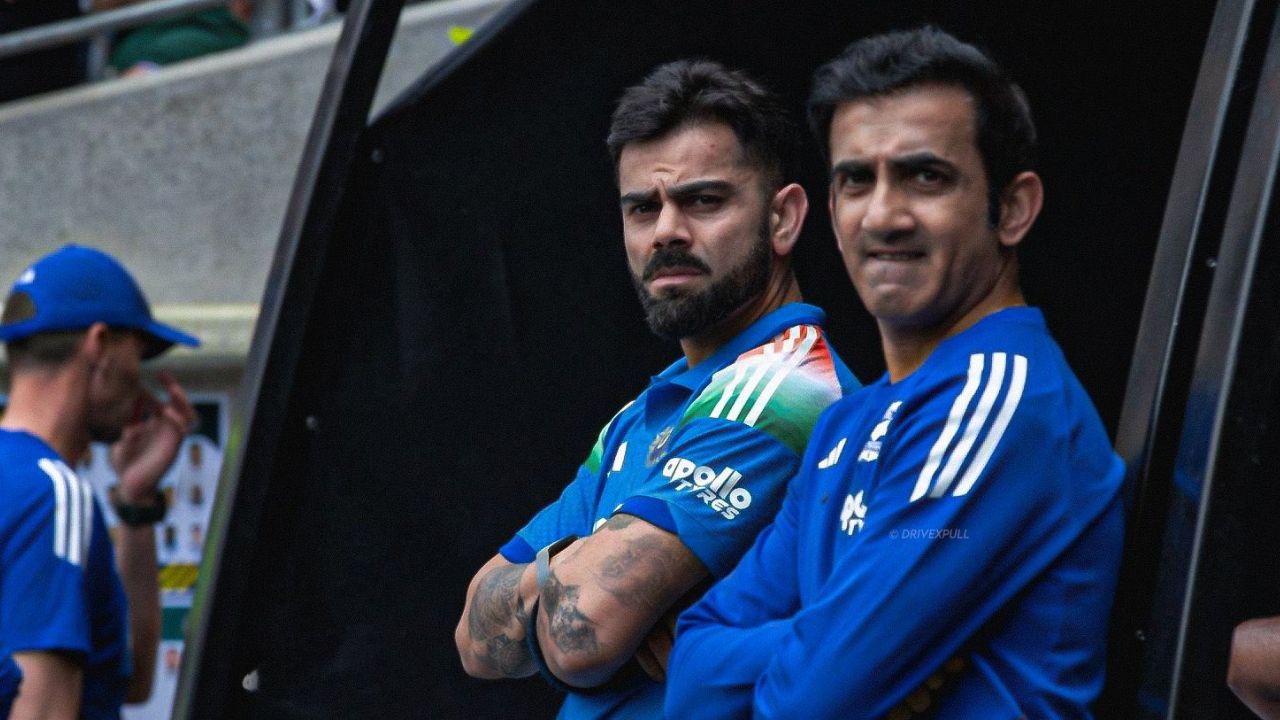
Virat Kohli’s Relationship with Head Coach Gautam Gambhir Raises Concerns
Indian cricket veteran Virat Kohli’s interactions with the rest of the Indian team have been as expected, except for one glaring exception – his lack of communication with head coach Gautam Gambhir. This has raised questions about Kohli’s future with the team, especially after India’s recent loss in the first match of the India vs Australia ODI series in Perth. As the team prepares for the upcoming match in Adelaide, all eyes are on the dynamics between the players and the coaching staff.
Rohit Sharma and Virat Kohli’s Behavior Amidst the Tension
Despite the tension between Kohli and Gambhir, both Virat Kohli and Rohit Sharma have been seen in their usual jovial selves, interacting with their teammates, offering advice, and supporting the new captain, Shubman Gill. While Rohit Sharma has been actively engaging with the younger players, even providing batting tips to Yashasvi Jaiswal, Virat Kohli’s relationship with Gambhir remains strained.
Upon arriving in Australia and rejoining the Indian team, Virat Kohli has been his usual charismatic self, beloved by his teammates. However, his lack of communication with Gautam Gambhir, a former teammate turned head coach, is causing speculation about their relationship.
Pressure Mounting on Gautam Gambhir to Make Key Selection Decisions
Following India’s defeat in the first ODI and the underperformance of both Virat Kohli and Rohit Sharma with the bat, questions have been raised about the selection choices made by head coach Gautam Gambhir. In particular, Gambhir’s decision to exclude Kuldeep Yadav, one of India’s top bowlers, from the playing XI in favor of all-rounders like Axar Patel, Washington Sundar, and Nitish Kumar Reddy has come under scrutiny.
Kuldeep Yadav has been in fine form recently, making significant contributions to both the T20 and Test teams. Many former cricketers have expressed their concerns over his absence from the team and have urged Gambhir to reconsider his selection decisions for the upcoming Adelaide ODI.
Looking Ahead to the Future
As India prepares for the next match against Australia, the dynamics within the team continue to be a topic of discussion. While Virat Kohli’s future with the team remains uncertain due to his strained relationship with head coach Gautam Gambhir, players like Rohit Sharma are stepping up to support the team, even amidst their own struggles on the field.
With pressure mounting on Gambhir to make key selection decisions and restore the balance in the team, the upcoming matches will be crucial in determining the trajectory of Indian cricket heading into the next World Cup.
Virat Kohli’s Leadership Style and Its Impact on Team Dynamics
Virat Kohli’s leadership style has often been described as intense and passionate, with a strong focus on performance and excellence. However, his relationship with head coach Gautam Gambhir has highlighted potential challenges in his ability to communicate effectively with key members of the coaching staff. This lack of alignment between the captain and the coach could have ripple effects on team dynamics, affecting morale and performance on the field.
As a captain, Kohli’s success has been undeniable, leading India to numerous victories across all formats of the game. His aggressive approach to the game has inspired his teammates to push boundaries and strive for greatness. However, in moments of tension and conflict, such as the current situation with Gambhir, his leadership abilities may be put to the test.
Effective communication between the captain and the coach is crucial for the success of any team. It facilitates a shared vision, ensures clarity in roles and responsibilities, and fosters a sense of unity and collaboration. If the rift between Kohli and Gambhir continues, it could potentially disrupt the team’s harmony and impact their performance on the field.
The Importance of Team Cohesion in High-Pressure Situations
Cricket is a team sport that requires cohesion, trust, and collaboration among players, coaches, and support staff. In high-pressure situations, such as international matches against strong opponents like Australia, the unity of the team becomes even more critical. Any discord or tension within the team can be exploited by the opposition and affect the team’s ability to perform at its best.
As India faces challenges on the field, including the recent loss in the first ODI against Australia, the team must come together and stand united to overcome obstacles and bounce back stronger. The players, including Kohli and Sharma, need to set aside any personal differences and focus on the collective goal of representing their country with pride and determination.
Team cohesion is not only essential for on-field success but also for building a strong team culture that values respect, collaboration, and resilience. It is in times of adversity that true leadership shines through, and both Kohli and Gambhir have an opportunity to demonstrate their ability to overcome challenges and lead by example.
The Role of Selection Decisions in Shaping Team Performance
Gautam Gambhir’s selection decisions as head coach play a significant role in shaping the team’s performance and success on the field. The omission of key players like Kuldeep Yadav raises questions about the criteria used for team selection and the impact it has on the team’s overall strategy and balance.
Crucial selection decisions, such as choosing between specialist bowlers and all-rounders, can influence the outcome of matches and determine the team’s competitive edge. As former cricketers voice their concerns over Gambhir’s choices, the head coach must carefully consider the feedback and make adjustments to optimize the team’s chances of victory.
Ultimately, the success of the Indian cricket team hinges on a combination of individual talent, team cohesion, leadership effectiveness, and strategic decision-making. As they navigate through the challenges and opportunities presented in the upcoming matches, the players and coaching staff must work together towards a common goal of excellence and achievement.
By prioritizing communication, unity, and strategic planning, India can overcome any obstacles and emerge stronger as a cohesive and competitive cricketing force on the global stage.
Latest News

New Zealand suffer blow as William O’Rourke misses India ODIs and Tests
Top 10 highest run-chases in T20 cricket history, ft. West Indies’ Ranchi win vs India
Aaryavir Sehwag and Anvay Dravid set to make headlines at U19 Asia Cup 2026

Longest ducks in Test cricket history ft. Nic Maddinson, Shoaib Akhtar
ECB to offer 39 central contracts to England players after Ben Stokes, Mark Wood’s retirement
Steve Smith surpasses Steve Waugh in all-time Test run-scorers’ list
Shane Watson identifies Gautam Gambhir’s biggest problem as India struggle for consistency
Is Bhuvneshwar Kumar in India’s 2027 World Cup plans? Ajinkya Rahane makes revelation

BCCI’s big ₹127 Crore move after injury crisis raises concerns over Team India

Parthiv Patel reveals RCB ignored his Jasprit Bumrah recommendation in IPL 2014 Auction
“Never spoke ill of any faith”: Irfan Pathan hits back at fake news using his name
Nic Maddinson bags 33-ball duck on Test comeback, disappoints George Bailey
Imran Tahir predicts 2027 ICC ODI World Cup Semi-Finalists, snubs India for title
Australia create unwanted history with first all-30-plus Test XI