Pat Cummins expects Cameron Green and Josh Inglis to be available for third South Africa Test

Australia Weighs Selection Changes Ahead of Newlands Test Decider
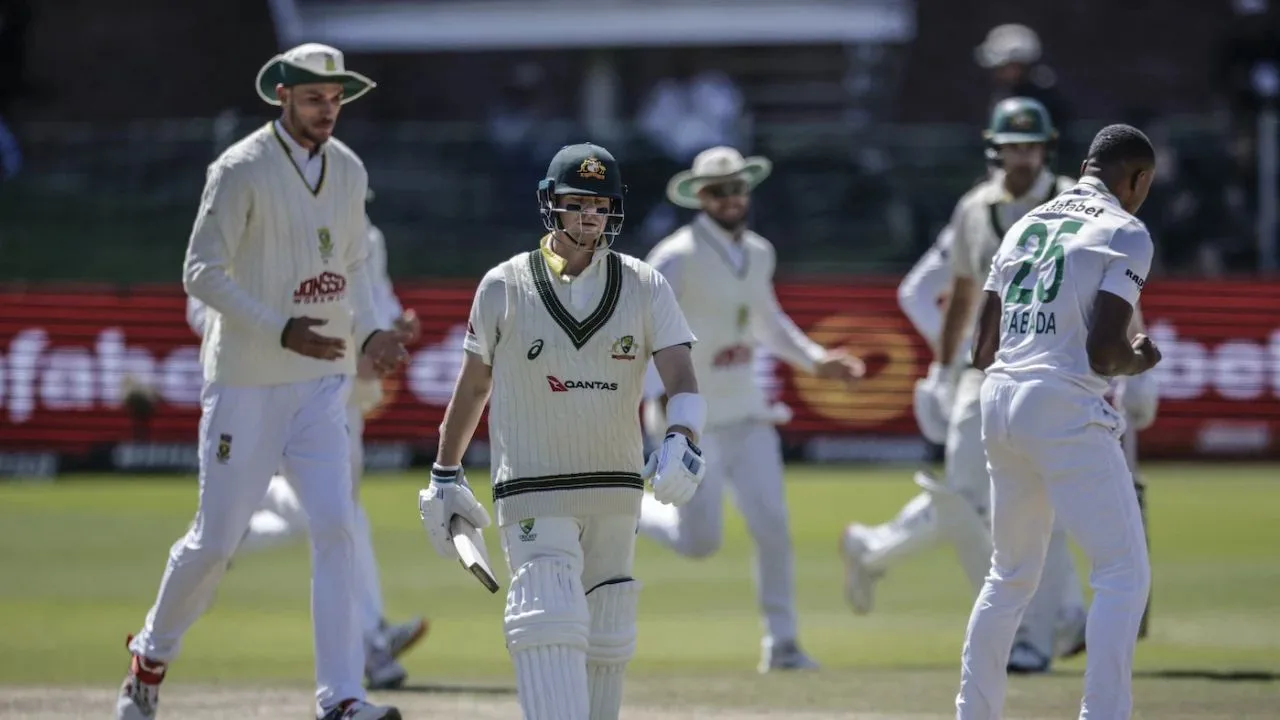
Australia captain Pat Cummins says the team will wait until it reaches Cape Town before settling on its playing XI for the decisive third Test against South Africa. The availability of all-rounder Cameron Green and wicketkeeper-batter Josh Inglis will be part of the selection discussion as Australia looks to recover from a costly batting collapse and win the three-match series.
The series is level at 1-1 after South Africa secured an innings-and-31-run victory in the rain-affected second Test at St George’s Park in Gqeberha. The final match is scheduled to begin at Newlands on Tuesday, October 27, with the winner claiming the series. For Australia, the immediate challenge is clear: find a more reliable batting performance against a South African attack that has already exposed weaknesses in the visitors’ lineup.
Cummins Says Australia Will Take Time Over the Playing XI
Australia’s first-innings total of 99 put the team under severe pressure in Gqeberha. The visitors were dismissed in 42.3 overs, with Marco Jansen taking five wickets and South Africa seizing control of the match. That performance has intensified questions about whether Australia should make changes for the Newlands decider.
Green and Inglis could offer the selectors additional options if they are fit and available. Green’s all-round ability could add balance, while Inglis would provide another choice in the batting group. Cummins indicated, however, that neither player’s potential return automatically guarantees a place in the XI. The selectors must weigh the benefits of fresh personnel against the value of giving current players another opportunity to respond.
“It’s not a perfect science,” Cummins said, describing the difficult choice between persisting with a player and making a change. He added that Green and Inglis were expected to be in contention, and that their names would be discussed when Australia worked through its options.
The decision will depend on more than the team’s disappointing first innings. Conditions at Newlands, player fitness and the balance between specialist batters and all-rounders are also likely to shape Australia’s prediction for its final combination. With the series on the line, the selectors must decide whether continuity can produce a turnaround—or whether the defeat in Gqeberha calls for a fresh approach.
Cummins Backs Labuschagne to Turn Starts Into Bigger Scores
Marnus Labuschagne is another Australian batter facing scrutiny after the second Test. He made 14 and 39 in Gqeberha, reaching a promising position in the second innings but failing to convert it into a match-changing score. His wait for a Test century continues, adding to the pressure ahead of the series decider.
Cummins defended Labuschagne’s technique, pointing out that batting at No. 3 often means confronting the new ball while it is moving and facing fresh fast bowlers. In his view, getting through that difficult opening period is a significant part of the job. Labuschagne has shown he can reach the 30s, but Australia needs those starts to become substantial innings.
“He’s getting to 30s,” Cummins said, while stressing that those scores alone are unlikely to win many matches. The captain suggested that Labuschagne may need to make sharper decisions depending on the demands of the game, rather than treating the issue as a fundamental technical flaw.
That distinction matters for Australia’s selection plans. A batter who is reaching the crease and negotiating the toughest conditions may be closer to a major innings than recent results suggest. But in a series decider, the team also needs runs that change the contest. Labuschagne’s ability to turn a start into a decisive contribution could be one of the key factors at Newlands.
South Africa’s Bowling Put Australia Under Immediate Pressure
South Africa’s victory in Gqeberha was built on a commanding first-innings performance with the ball. Jansen’s five-wicket haul helped restrict Australia to 99, giving the hosts a substantial advantage despite rain reducing playing time earlier in the match.
After enforcing the follow-on, South Africa appeared positioned to finish the contest quickly. Travis Head, however, produced a determined century to keep Australia’s hopes alive. Scott Boland also offered unusual resistance for a nightwatchman, occupying the crease for 166 deliveries and helping extend the visitors’ second innings.
That fightback was not enough to overturn the deficit. Australia was eventually dismissed for 295 early in the final session, leaving South Africa with an innings-and-31-run win and setting up a winner-takes-all Test in Cape Town. The contrast between Australia’s first-innings collapse and its later resistance underlined both the team’s vulnerability and its capacity to compete when batters settle in.
Newlands Adds Another Layer to the Series Decider
The venue gives the final Test added significance. Newlands is a historic ground, but it also carries difficult recent associations for Australia, having been the setting for the team’s 2018 ball-tampering scandal. The sides have also met there in a major contest before: South Africa beat Australia by 322 runs at the venue in their previous meeting.
That history does not determine what will happen this time, but the ground is likely to add pressure to an already high-stakes match. South Africa will arrive with confidence after a dominant win, while Australia must show that its response is more than a brief second-innings recovery. A stronger start with the bat will be essential if Cummins’ side hopes to prevent the hosts’ fast bowlers from dictating the match again.
What to Watch in the Third Test
Australia’s final selection will be a major talking point before the first ball. Green and Inglis could strengthen the lineup, but the team must also consider which players can best handle Newlands conditions and South Africa’s pace attack. The form of Labuschagne, the value of Australia’s all-round options and the need for a dependable top order will all feature in the selection debate.
For South Africa, the priority will be to repeat the discipline and pressure that produced the 99-run first-innings collapse. Australia’s prediction for the decider will depend heavily on whether its batters can avoid another early slide and build partnerships. With the series level, Newlands will host a final Test in which selection, patience and execution could decide which side leaves Cape Town with the trophy.
Latest News

Bangladesh name 15-member squad for West Indies Tests; Taskin Ahmed returns

New Zealand name 11 international stars in 19-member squad for India A series

Ayush Mhatre set to miss rest of Mumbai’s domestic season after surgery for Grade 4 hamstring tear
Pat Cummins expects Cameron Green and Josh Inglis to be available for third South Africa Test

Daren Sammy used Hindi expletive “BC” in reaction to Sri Lanka’s historic chase vs England? Fans react

PSL Sixes: PCB mulls new six-a-side tournament to expand league’s reach

China to host PSL 2027 auction? Franchise owner wants PCB to follow IPL

Glenn Phillips hits back at Indian reporter over New Zealand’s fielding criticism

Ishan Kishan’s injury opens door for Vaibhav Sooryavanshi’s comeback to India XI vs New Zealand

Top 5 highest run-chases in ODIs, ft Sri Lanka’s win over Harry Brook’s England

Sanju Samson makes massive statement on social media noise after match-winning knock vs New Zealand
WTC Points Table after South Africa vs Australia 2nd Test, 2026

Renuka Singh Thakur ruled out of Zimbabwe ODI series, Jintimani Kalita gets call-up
Why was the toss conducted twice in Jammu & Kashmir vs Vidarbha Ranji Trophy match; reason revealed