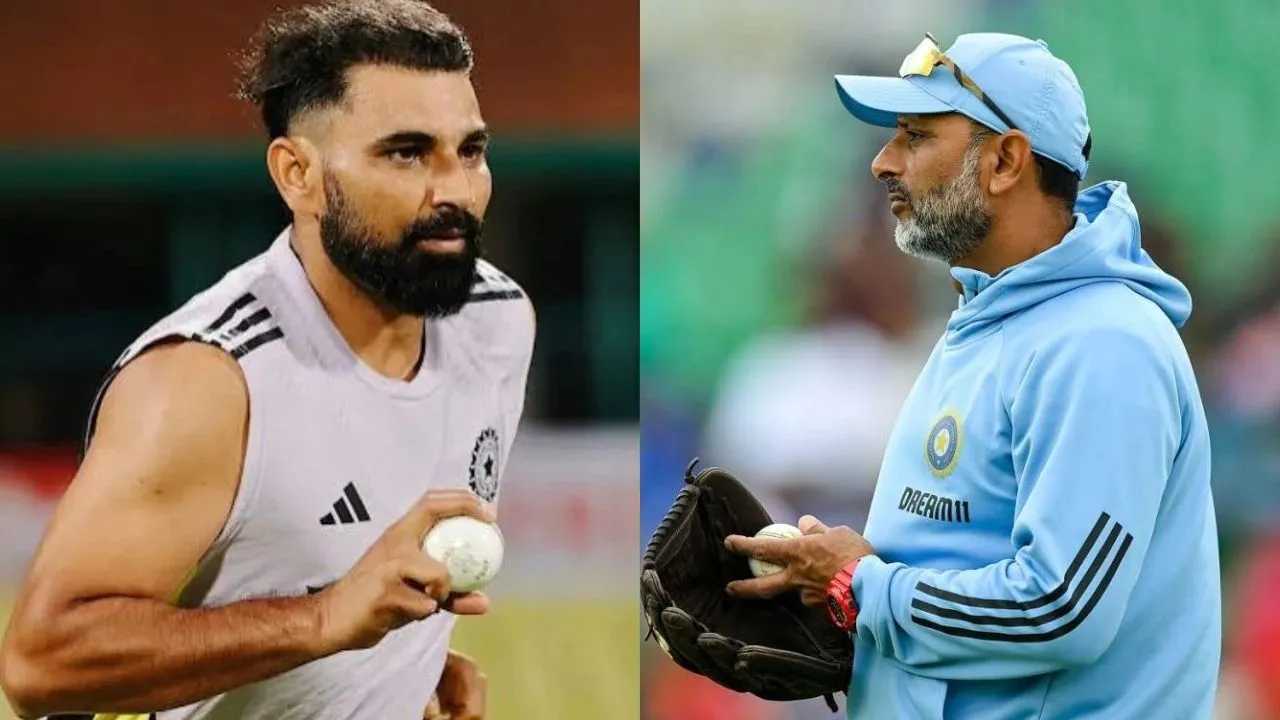
Virat Kohli’s childhood hero blames Jasprit Bumrah for India’s Lord’s Test defeat to England

**India vs England 3rd Test: Bumrah’s Criticism and the Lower-Order Resilience**
In the recent India vs. England third Test match at Lord’s, cricket fans witnessed a thrilling battle between the English seamers and the Indian lower-order batters. Despite India’s loss by a narrow margin of 22 runs, the game was filled with exciting moments that kept viewers on the edge of their seats.
**Resilience of the Lower Order**
One of the standout performances in the match came from India’s no. 10 and no. 11 batsmen, Jasprit Bumrah and Mohammed Siraj. The duo put up a remarkable fight, facing the English pacers with determination and grit. Bumrah and Siraj played around 14 overs themselves, providing crucial support to Ravindra Jadeja at the other end.
**Criticism from Herschelle Gibbs**
However, amidst the praise for the lower-order resilience, former South African cricketer Herschelle Gibbs took aim at Jasprit Bumrah for his batting approach during the game. Gibbs criticized Bumrah for what he perceived as a lack of intent in his shot selection, suggesting that it may have cost India the match.
Gibbs questioned Bumrah’s approach, pointing out that the bowler faced 53 balls before getting dismissed, without showing the intent that was expected from him. The former cricketer emphasized the importance of intent and aggressive play, especially in a closely contested match like the one at Lord’s.
**Responsibility of the Top Order**
In addition to criticizing Bumrah, Gibbs also highlighted the lack of responsibility shown by the Indian top-order batters. He argued that the top-order should have set the tone for the innings by putting pressure on the English bowlers earlier in the game. Gibbs emphasized the importance of intent in batting and suggested that the top-order’s approach was lacking in the match.
**Bumrah and Jadeja’s Crucial Partnership**
Despite the criticism, Jasprit Bumrah played a crucial role in India’s fightback alongside Ravindra Jadeja. The duo shared a vital 35-run partnership for the 9th wicket, frustrating the English bowlers and reviving India’s chances in the game. Bumrah’s resilience at the crease helped India avoid a collapse before tea, showcasing his ability to contribute with the bat when needed.
Overall, the India vs. England third Test was a thrilling encounter filled with moments of brilliance and criticism. While the lower-order batters showed resilience and determination, the top order and Bumrah faced scrutiny for their approach in a closely fought contest. As the series progresses, fans can expect more intense battles between the two cricketing giants.
**The Importance of Prediction in Cricket**
In the world of cricket, the ability to predict the outcome of a match or the performance of individual players can be a valuable skill. As we analyze the India vs. England third Test, it becomes evident that predictions play a significant role in shaping the narrative of the game.
Predicting the performance of lower-order batters like Bumrah and Siraj can be particularly challenging. These players are often considered specialist bowlers, and their contributions with the bat can sometimes be unpredictable. However, their resilience and determination in the face of adversity can defy expectations and impact the course of a match.
In contrast, the top-order batters are often under pressure to perform consistently and set the tone for the innings. Predicting how they will approach their innings and handle the opposition’s bowling attack can give insights into the team’s overall performance. In the case of the India vs. England third Test, the lack of intent displayed by the top order was a point of criticism, highlighting the importance of predicting their mindset and approach to batting.
**The Psychology of Intent in Cricket**
The concept of intent in cricket goes beyond mere shot selection or technique; it delves into the psychological aspect of the game. Players with a positive and aggressive intent are more likely to put pressure on the opposition, seize opportunities, and turn the tide in their favor. In closely contested matches like the one at Lord’s, intent can be the difference between victory and defeat.
Critics like Herschelle Gibbs emphasize the role of intent in shaping a player’s performance. By questioning Bumrah’s intent at the crease, Gibbs highlights the psychological aspect of batting under pressure. The ability to maintain a positive mindset, show aggression, and take calculated risks can determine a player’s success in crucial moments of a match.
**The Evolution of Bumrah as a All-Rounder**
Despite the criticism directed at Jasprit Bumrah for his batting approach, it is important to acknowledge his evolution as an all-rounder in the Indian team. Bumrah’s ability to contribute with the bat in challenging situations showcases his growth as a player and his willingness to adapt to different roles within the team.
As Bumrah continues to develop his skills as a lower-order batsman, fans can expect to see more resilient performances from him in the future. His partnership with Jadeja in the third Test demonstrated his potential to make valuable contributions with the bat, adding depth to India’s batting lineup.
In conclusion, the India vs. England third Test highlighted the unpredictable nature of cricket and the importance of prediction, intent, and resilience in shaping a player’s performance. As the series progresses, fans can look forward to more exciting battles on the field, where individual players’ abilities to predict, adapt, and showcase their intent will play a crucial role in determining the outcome of the matches.
Latest News

Top 10 highest run-chases in T20 cricket history, ft. West Indies’ Ranchi win vs India

Aaryavir Sehwag and Anvay Dravid set to make headlines at U19 Asia Cup 2026

Longest ducks in Test cricket history ft. Nic Maddinson, Shoaib Akhtar

ECB to offer 39 central contracts to England players after Ben Stokes, Mark Wood’s retirement

Steve Smith surpasses Steve Waugh in all-time Test run-scorers’ list

Shane Watson identifies Gautam Gambhir’s biggest problem as India struggle for consistency

Is Bhuvneshwar Kumar in India’s 2027 World Cup plans? Ajinkya Rahane makes revelation

BCCI’s big ₹127 Crore move after injury crisis raises concerns over Team India

Parthiv Patel reveals RCB ignored his Jasprit Bumrah recommendation in IPL 2014 Auction
“Never spoke ill of any faith”: Irfan Pathan hits back at fake news using his name
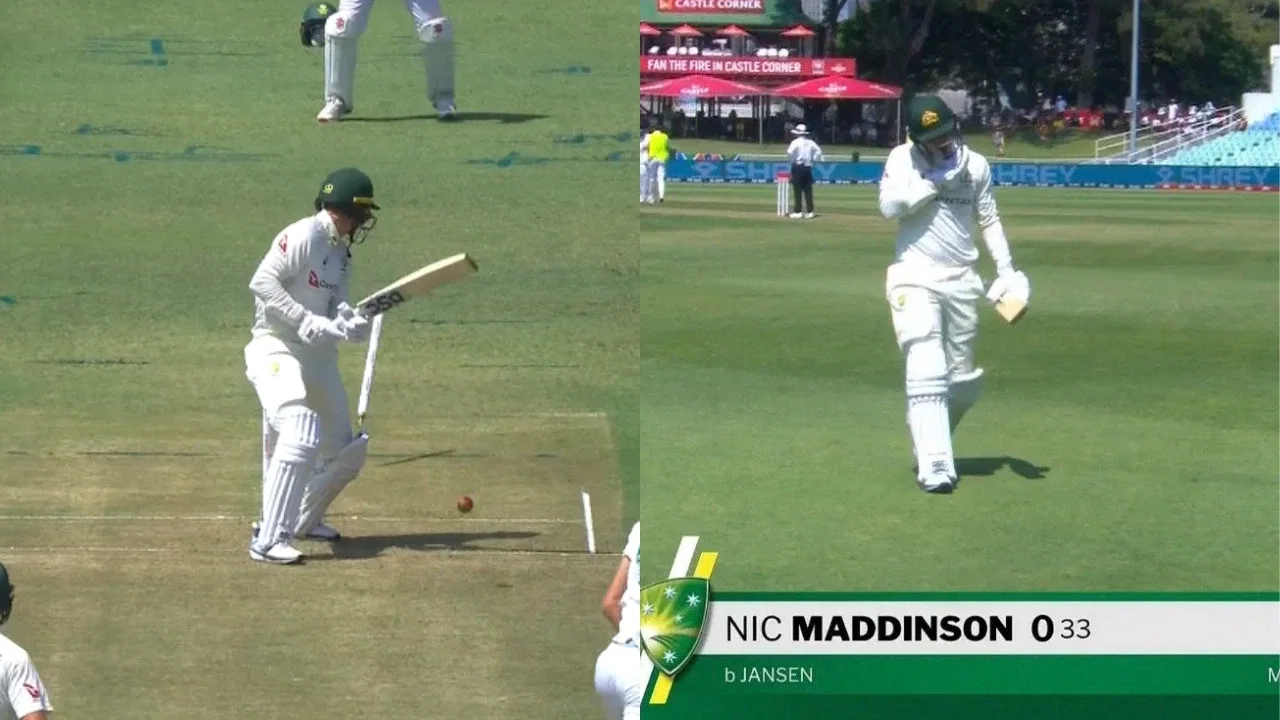
Nic Maddinson bags 33-ball duck on Test comeback, disappoints George Bailey

Imran Tahir predicts 2027 ICC ODI World Cup Semi-Finalists, snubs India for title

Australia create unwanted history with first all-30-plus Test XI
Ravindra Jadeja returns to Ranji Trophy as Saurashtra announce squad