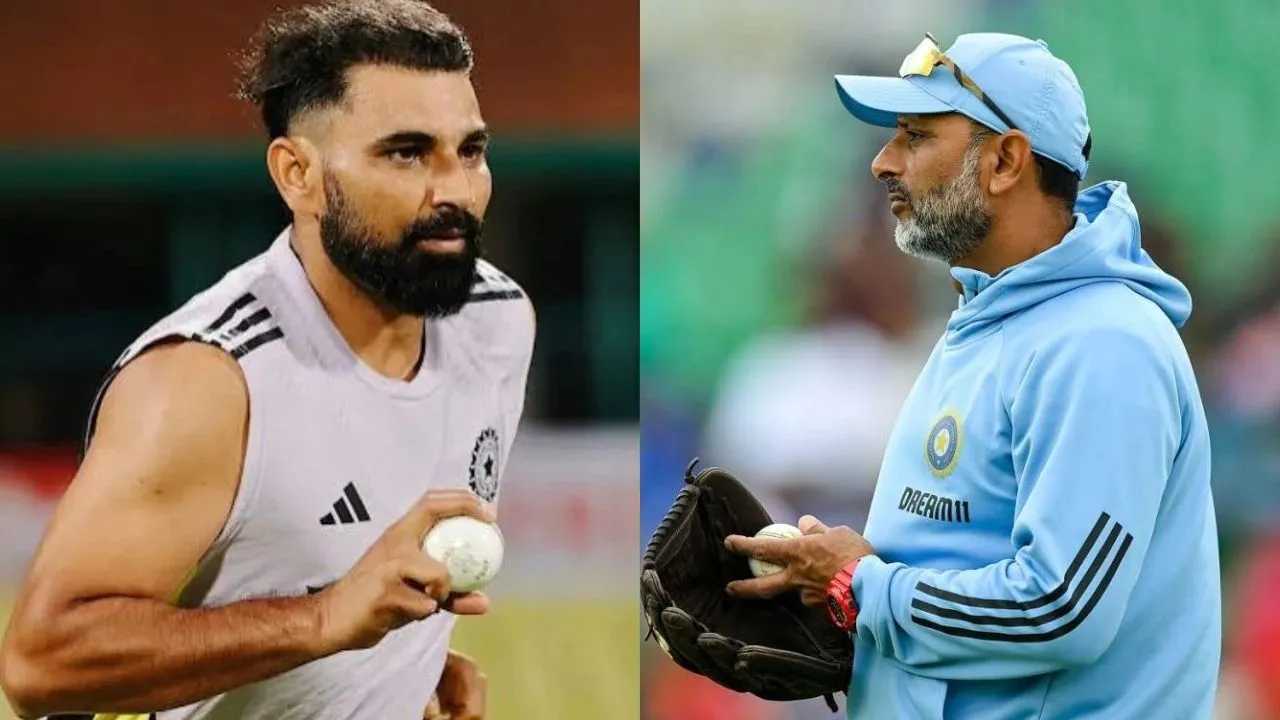
Virat Kohli’s retirement, dressing room unrest tied to Rohit Sharma-Gautam Gambhir saga: Report
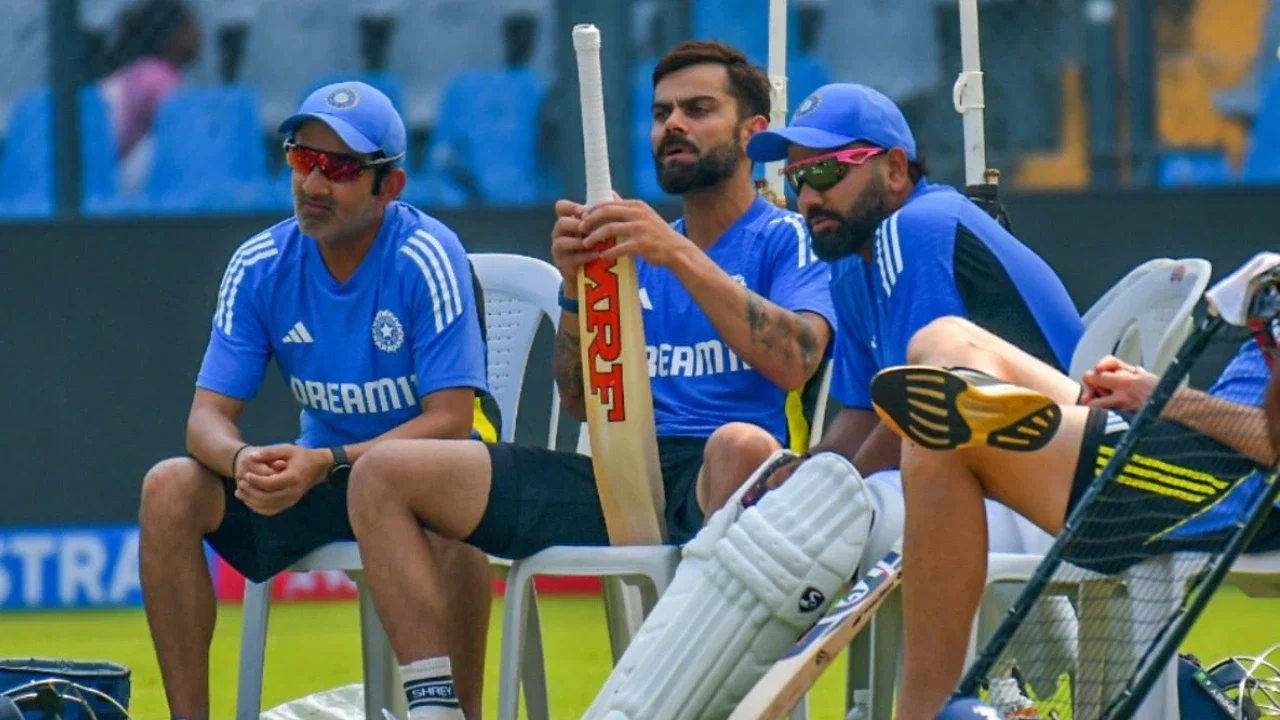
Former India captain Virat Kohli’s decision to retire from Test cricket has raised questions and speculation about the reasons behind his surprising move. According to a report by CricBlogger, developments within the Indian dressing room may have played a significant role in Kohli’s decision.
**Uncertainty Surrounding Rohit Sharma’s Position**
One of the key factors that may have influenced Virat Kohli’s retirement was the uncertainty surrounding Rohit Sharma’s position in the team. The report suggests that during the Border-Gavaskar Trophy 2024-25, Kohli became concerned after seeing Sharma, then India’s Test captain, left out of the playing XI for the Sydney Test. This incident reportedly raised questions in Kohli’s mind about the security of even senior players under the new leadership structure.
**Changing Power Dynamics under Gautam Gambhir**
The report also highlighted the changing power dynamics under head coach Gautam Gambhir as a contributing factor to the uneasy atmosphere within the squad. Alleged fallout between Rohit Sharma and Gambhir created widespread insecurity among players. Sources quoted in the report mentioned that only a few players, such as Harshit Rana, Washington Sundar, and Ravi Bishnoi, currently feel secure about their places in the squad, while most others remain unsure of their standing.
**Gautam Gambhir’s Increasing Influence**
Gautam Gambhir’s credibility within the dressing room reportedly weakened following controversial selection decisions involving senior players. The report claimed that Gambhir took complete control of Team India’s cricketing decisions, with his influence growing significantly after India’s defeats against New Zealand in two home Tests.
**Impact on Team India Players**
The uncertainty created by rapid selection decisions and changing power dynamics has led to a challenging environment for Team India players. The reported differences between Rohit Sharma and Gautam Gambhir have contributed to a sense of instability and a “toxic” atmosphere within the dressing room. If Sharma is eventually removed from India’s ODI plans, it could further intensify the situation and potentially lead to public challenges of the narrative surrounding his exit.
**Conclusion**
While neither Virat Kohli, Rohit Sharma, Gautam Gambhir, nor the BCCI have publicly commented on these claims, the speculation surrounding the reasons for Kohli’s retirement continues to circulate among cricket fans and experts. The reported developments inside the Indian dressing room shed light on the complexities and challenges faced by the team, raising concerns about the future of Indian cricket under the current leadership structure.
**The Changing Landscape of Indian Cricket**
The retirement of Virat Kohli from Test cricket has undoubtedly left a void in the Indian team, sparking discussions about the dynamics within the squad and the leadership structure. As the team navigates through this period of transition, it is essential to consider the broader implications of Kohli’s decision and the potential impacts it may have on Indian cricket in the long run.
**Navigating Leadership Transitions**
With Virat Kohli stepping down from Test cricket, the onus now falls on Rohit Sharma to lead the team forward. As Sharma takes on the mantle of captaincy, it is crucial for him to assert his authority and build a cohesive unit that can navigate the challenges of international cricket. The uncertainty surrounding Sharma’s position in the team adds an additional layer of complexity to his leadership, requiring him to strike a balance between performance on the field and managing the dynamics off it.
**Building Trust and Unity**
In the wake of reported rifts and uncertainties within the dressing room, fostering a sense of trust and unity among the players becomes paramount. Clear communication, transparency in decision-making, and a shared vision for the team’s success are essential ingredients for building a strong team culture. As players strive to secure their positions in the squad, creating an environment where every individual feels valued and supported can go a long way in enhancing team performance.
**Embracing Change and Adaptability**
The evolving nature of cricket demands adaptability from players and management alike. As new leaders emerge and power dynamics shift, it is crucial for the team to embrace change and navigate transitions with resilience. While challenges may arise along the way, leveraging the strengths of individual players and fostering a spirit of collaboration can help the team overcome obstacles and thrive in the face of adversity.
**Looking Ahead: The Future of Indian Cricket**
As Indian cricket enters a new chapter marked by leadership changes and shifting dynamics, the road ahead is filled with both challenges and opportunities. The ability of the team to come together, overcome internal strife, and focus on their collective goals will be instrumental in shaping the future of Indian cricket. With a talented pool of players at their disposal and a rich cricketing heritage to draw inspiration from, Team India has the potential to rise above the current uncertainties and emerge stronger than ever.
**In conclusion, while the reasons behind Virat Kohli’s retirement from Test cricket remain speculative, the reported developments within the Indian dressing room shed light on the complexities and challenges faced by the team. As the team navigates through this period of transition, fostering trust, unity, and adaptability will be key in ensuring the continued success of Indian cricket on the international stage.**
Latest News

Top 10 highest run-chases in T20 cricket history, ft. West Indies’ Ranchi win vs India

Aaryavir Sehwag and Anvay Dravid set to make headlines at U19 Asia Cup 2026

Longest ducks in Test cricket history ft. Nic Maddinson, Shoaib Akhtar

ECB to offer 39 central contracts to England players after Ben Stokes, Mark Wood’s retirement

Steve Smith surpasses Steve Waugh in all-time Test run-scorers’ list

Shane Watson identifies Gautam Gambhir’s biggest problem as India struggle for consistency
Is Bhuvneshwar Kumar in India’s 2027 World Cup plans? Ajinkya Rahane makes revelation
BCCI’s big ₹127 Crore move after injury crisis raises concerns over Team India
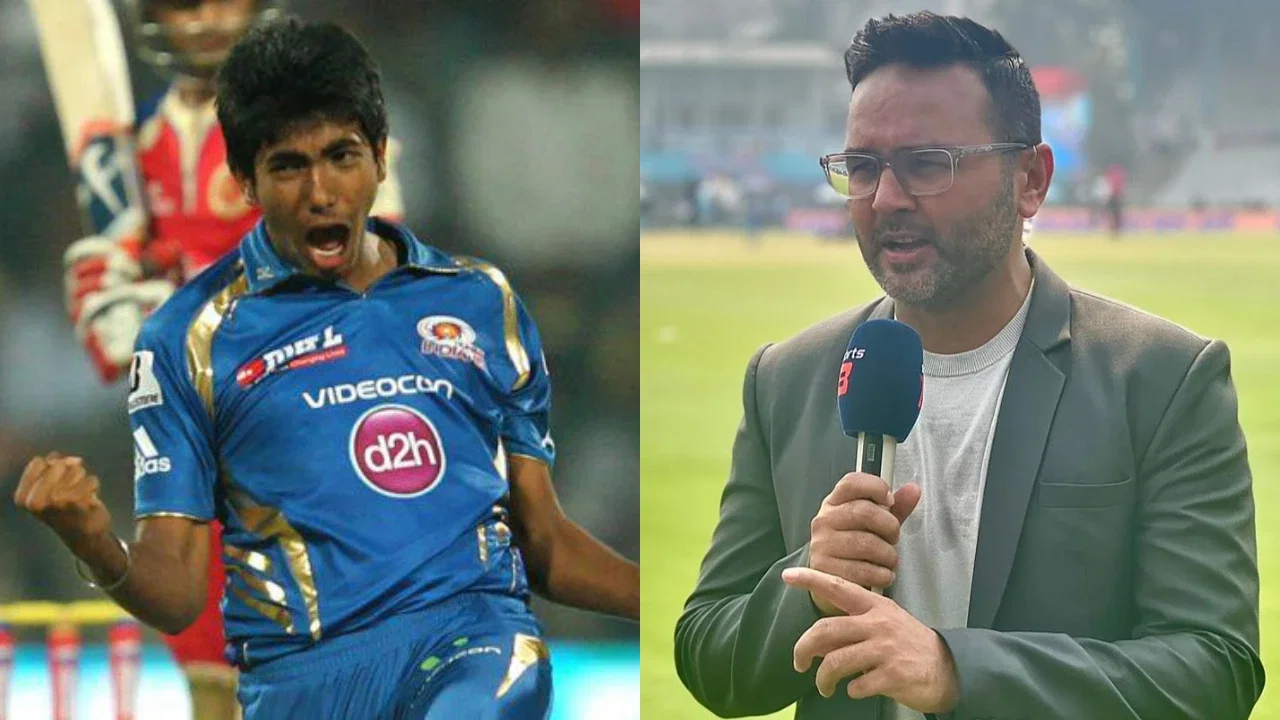
Parthiv Patel reveals RCB ignored his Jasprit Bumrah recommendation in IPL 2014 Auction
“Never spoke ill of any faith”: Irfan Pathan hits back at fake news using his name
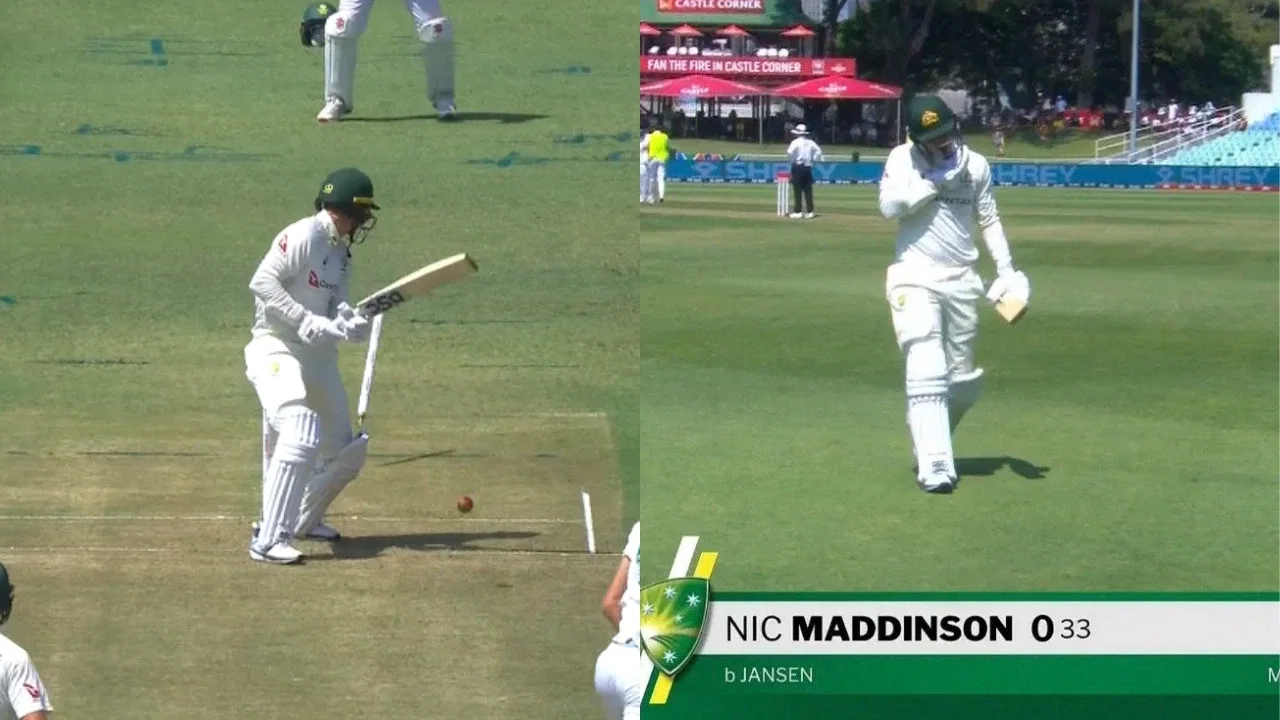
Nic Maddinson bags 33-ball duck on Test comeback, disappoints George Bailey
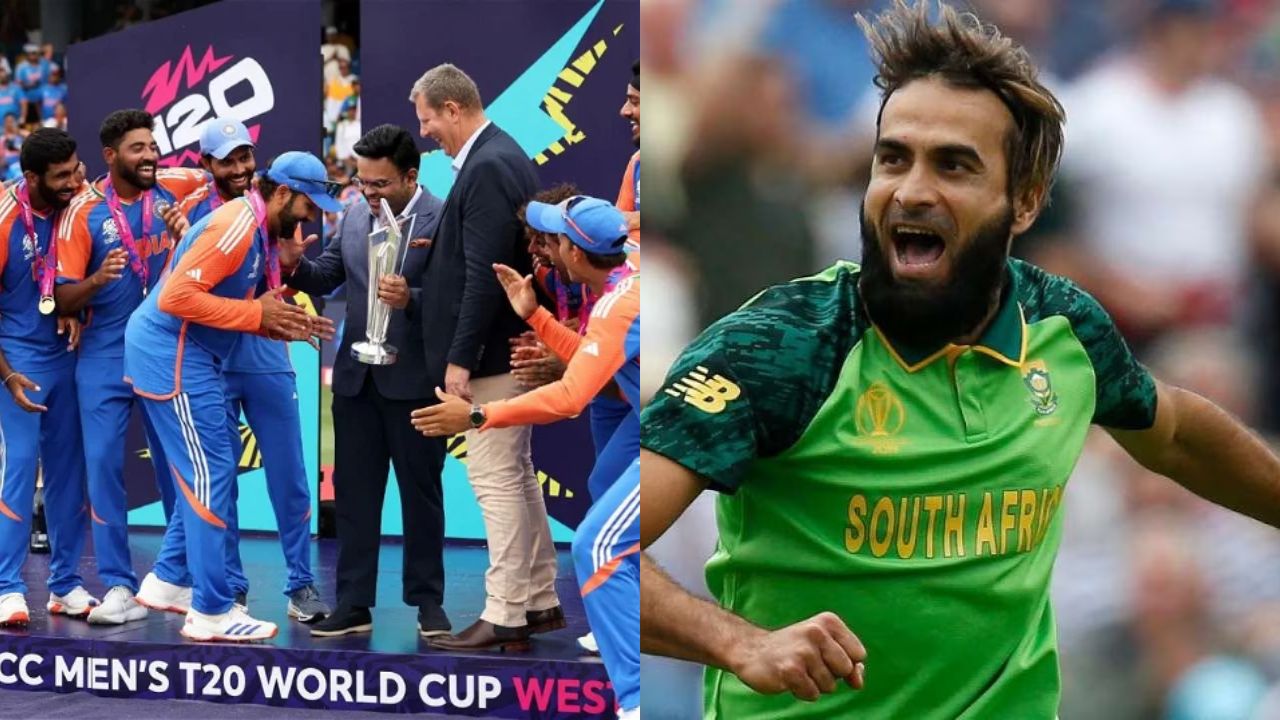
Imran Tahir predicts 2027 ICC ODI World Cup Semi-Finalists, snubs India for title
Australia create unwanted history with first all-30-plus Test XI
Ravindra Jadeja returns to Ranji Trophy as Saurashtra announce squad