Watch: Ben Stokes, Jofra Archer ruthlessly target Rishabh Pant’s fractured foot, mock him for limping
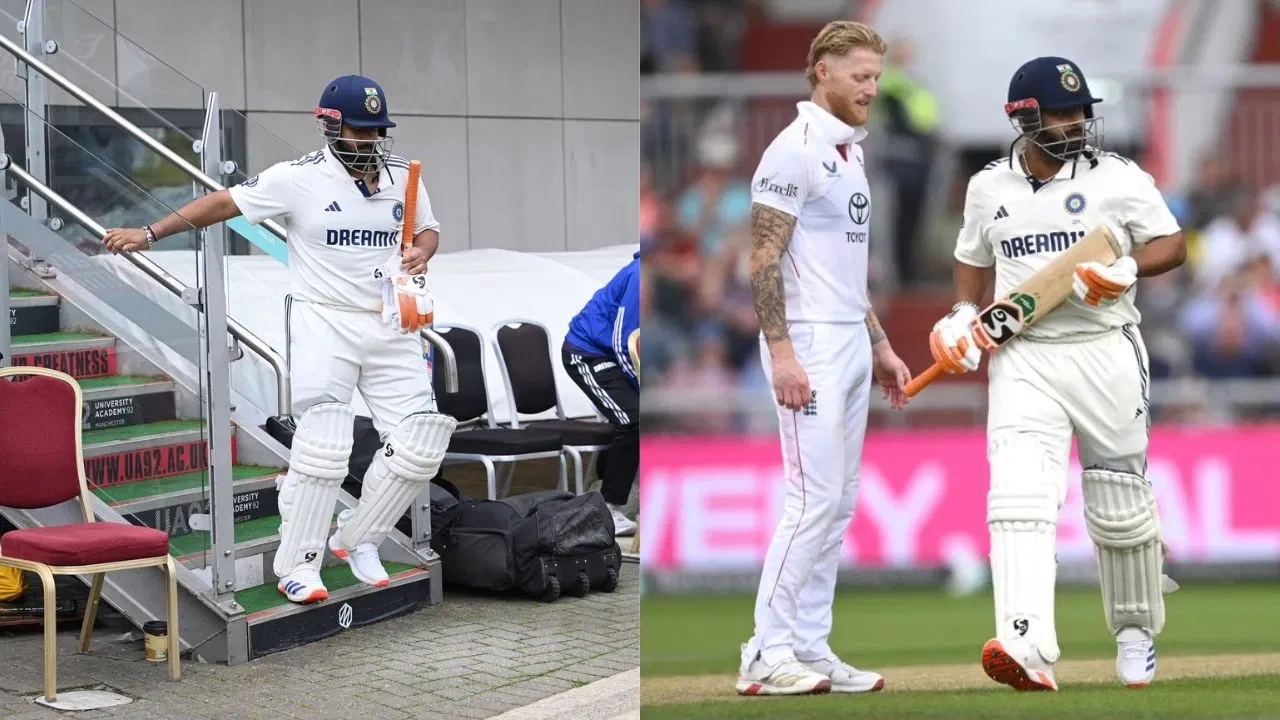
England Players Target Rishabh Pant’s Injury During Fourth Test Against India
Ben Stokes and Jofra Archer Accused of Targeting Rishabh Pant’s Injured Foot
The England National Cricket Team skipper, Ben Stokes, and premier pacer, Jofra Archer, came under fire during the fourth Test match against the India National Cricket Team for deliberately targeting wicketkeeper-batsman Rishabh Pant’s injured foot. The incident took place on Day 2 of the Anderson-Tendulkar Trophy at Old Trafford in Manchester.
On Day 1 of the Test match, Rishabh Pant sustained a foot injury while facing Chris Woakes in the 68th over and was forced to retire hurt after scoring 37 runs. The scans later revealed that Pant had fractured his foot, leading to concerns about his ability to continue playing in the match.
Despite the injury, when the need arose after the dismissal of Shardul Thakur in the 102nd over, Pant bravely made his way back to the crease. However, his visible discomfort and struggle to run between the wickets did not stop the England players from targeting his injured foot.
England Players’ Unsportsmanlike Behavior
Ben Stokes was seen carefully observing Pant’s foot and then decided to target him with a series of yorker-length deliveries. Stokes even went as far as mocking Pant, who was visibly in pain, by pretending to point at his watch and accusing the wicketkeeper-batsman of wasting time.
Jofra Archer also joined in by attempting to hit Pant’s fractured foot directly. Despite the hostile behavior from the England players, Pant displayed immense courage by not only facing the deliveries but also managing to score runs, including hitting a brilliant six off Archer.
Ravi Shastri’s Reaction and Public Outcry
Former India head coach Ravi Shastri expressed his concerns about Pant’s injury, stating that it was a significant setback for the Indian team. Shastri highlighted the impact of losing a key batter like Pant, especially considering his recent form and the energy he brings to the team.
Shastri also mentioned that England might have felt relieved not to have to deal with Pant’s threat on the field. The incident sparked outrage among cricket fans and experts, with many condemning Stokes and Archer for their unsportsmanlike conduct towards a player battling injury.
Conclusion
The incident during the fourth Test match between England and India shed light on the importance of sportsmanship and fair play in cricket. Despite the competitive nature of the sport, players are expected to show respect and empathy towards their opponents, especially when dealing with injuries. The controversy surrounding the targeting of Rishabh Pant’s injury serves as a reminder of the need for mutual respect and integrity in the game.
The Psychological Impact of Targeting Injuries in Cricket
While physical injuries are a common occurrence in sports like cricket, the psychological impact of deliberately targeting an injured player can be detrimental. In the case of Rishabh Pant, being singled out by opposition players can not only affect his physical well-being but also his mental resilience. The pressure of facing aggressive deliveries aimed at his injured foot could potentially lead to heightened anxiety and fear of further injury, impacting his performance on the field.
Moreover, the tactic of targeting injuries raises ethical questions about fair play and sportsmanship in cricket. Players are expected to compete within the spirit of the game, showing respect and empathy towards their fellow competitors. Deliberately aiming at a player’s vulnerable area goes against these principles and can tarnish the reputation of the sport.
The Role of Umpires and Match Officials in Preventing Unfair Tactics
In situations where players resort to unsportsmanlike behavior, the role of umpires and match officials becomes crucial in maintaining the integrity of the game. Umpires are responsible for ensuring fair play and can intervene if they observe any actions that cross the line of sportsmanship. By actively monitoring on-field conduct and addressing any misconduct promptly, umpires can prevent situations like the one involving Rishabh Pant from escalating.
Additionally, match officials have the authority to penalize players who engage in behavior that is deemed unfair or dangerous to their opponents. By enforcing strict disciplinary measures, officials send a clear message that unsportsmanlike conduct will not be tolerated in cricket, setting a standard for players to uphold ethical standards during matches.
Building a Culture of Respect and Fairness in Cricket
To cultivate a culture of respect and fairness in cricket, it is essential for players, coaches, and administrators to prioritize sportsmanship above winning at all costs. Emphasizing values such as integrity, empathy, and fair play can help create an environment where players compete fiercely but with mutual respect for their opponents.
Furthermore, educating players about the importance of ethical conduct and the implications of targeting injuries can contribute to a more positive and sportsmanlike atmosphere in the game. By fostering a culture of respect both on and off the field, cricket can uphold its traditions of camaraderie and fair competition.
Conclusion
As the incident involving Rishabh Pant’s injury during the fourth Test between England and India demonstrates, the issue of targeting injuries in cricket goes beyond physical harm—it raises ethical concerns about sportsmanship and fair play. By addressing these issues through a combination of education, enforcement of regulations, and a commitment to upholding the spirit of the game, cricket can continue to be a sport that values integrity and respect among its participants.
Ultimately, the responsibility falls on players, officials, and stakeholders to uphold the principles of sportsmanship and ensure that incidents like the one involving Rishabh Pant are not repeated in the future.
Latest News
Top 10 highest run-chases in T20 cricket history, ft. West Indies’ Ranchi win vs India
Aaryavir Sehwag and Anvay Dravid set to make headlines at U19 Asia Cup 2026
Longest ducks in Test cricket history ft. Nic Maddinson, Shoaib Akhtar
ECB to offer 39 central contracts to England players after Ben Stokes, Mark Wood’s retirement
Steve Smith surpasses Steve Waugh in all-time Test run-scorers’ list
Shane Watson identifies Gautam Gambhir’s biggest problem as India struggle for consistency
Is Bhuvneshwar Kumar in India’s 2027 World Cup plans? Ajinkya Rahane makes revelation
BCCI’s big ₹127 Crore move after injury crisis raises concerns over Team India
Parthiv Patel reveals RCB ignored his Jasprit Bumrah recommendation in IPL 2014 Auction
“Never spoke ill of any faith”: Irfan Pathan hits back at fake news using his name
Nic Maddinson bags 33-ball duck on Test comeback, disappoints George Bailey
Imran Tahir predicts 2027 ICC ODI World Cup Semi-Finalists, snubs India for title
Australia create unwanted history with first all-30-plus Test XI
Ravindra Jadeja returns to Ranji Trophy as Saurashtra announce squad