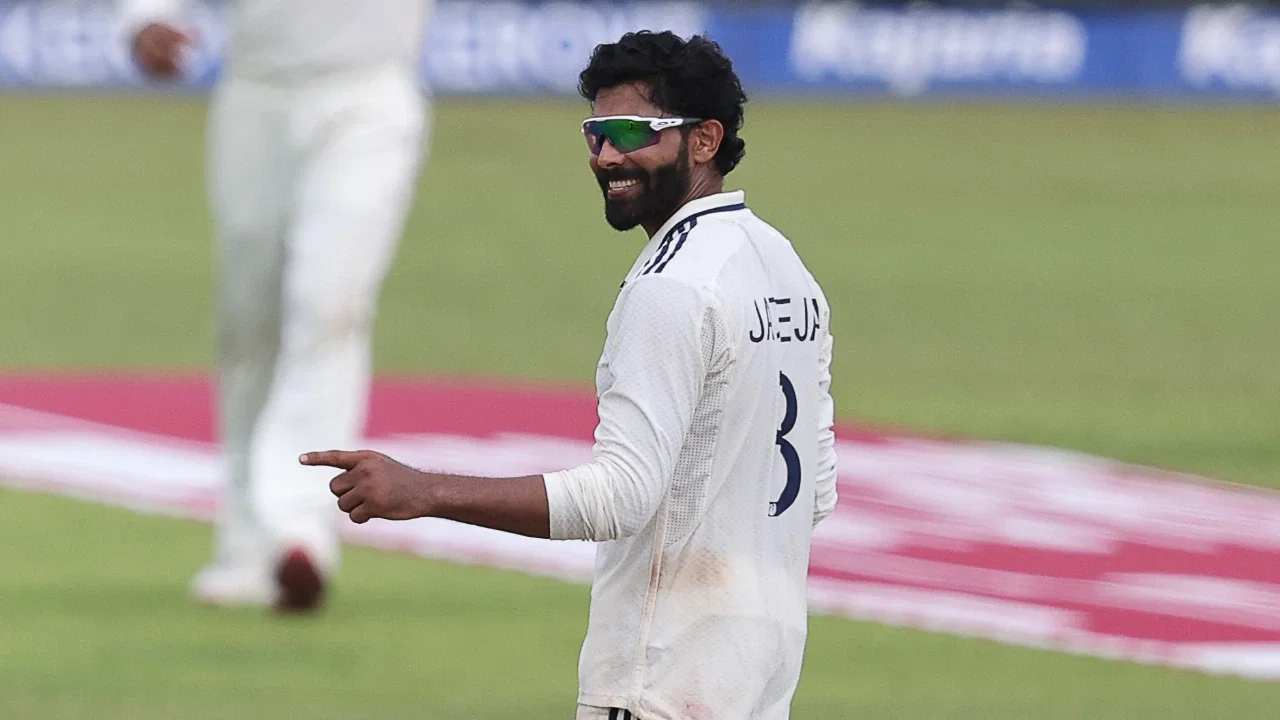
Watch- Gautam Gambhir, Hardik Pandya combine to give Pakistan another handshake heart burn for ages
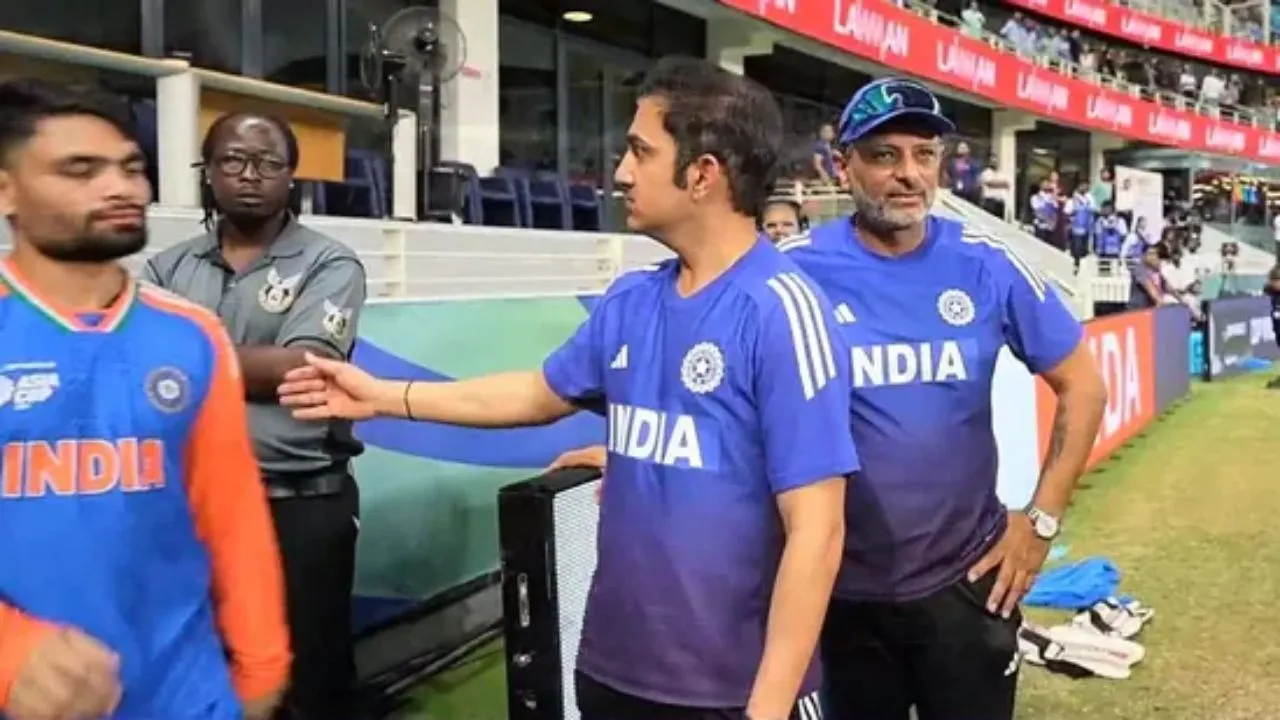
India’s No-Handshake Stance Continues After Victory Against Pakistan
After India’s six-wicket win over Pakistan in the Asia Cup 2025, the focus shifted from the on-field action to a controversial decision by Team India’s head coach Gautam Gambhir. Gambhir’s comments on boycotting handshakes with the Pakistan team have sparked a debate among fans and experts.
The Handshake Boycott
The controversy began when Suryakumar Yadav, the captain of India, refused to shake hands with Salman Ali Agha during the toss in the group stage match between the two teams. This gesture set the tone for the rest of the match, as Indian players did not shake hands with their Pakistani counterparts after the game. The no-handshake policy extended even to the match officials, as Indian players avoided greeting them as well.
No Handshakes After Match-Winning Runs
During the Super Four campaign, India, led by Suryakumar Yadav, continued their winning streak by defeating Pakistan with a six-wicket victory. Tilak Varma’s match-winning four on the penultimate ball of the 19th over sealed the win for India. However, both Varma and Hardik Pandya opted to skip the customary handshakes with the Pakistan players after guiding India to victory.
Despite the win, the no-handshake stance remained firm. In a viral video, Gautam Gambhir was seen instructing his players to greet the on-field umpires while maintaining the policy of avoiding handshakes with the Pakistan players. This move emphasized India’s stance against Pakistan while showing respect to the match officials.
Upcoming Challenges
After their victory against Pakistan, India is now gearing up to face Bangladesh in the next Super Four clash. Openers Shubman Gill and Abhishek Sharma put up an impressive performance against Pakistan’s bowling attack, leading India to victory. The Men in Blue will aim to continue their winning momentum against Bangladesh to secure their spot in the final.
Meanwhile, Pakistan, led by Salman Ali Agha, will face Sri Lanka in their upcoming match as they strive to stay in contention for a spot in the final. With the top two teams from the Super Four stage set to meet in the final, the competition is heating up as teams battle it out for supremacy in the Asia Cup 2025.
As India maintains its no-handshake stance and focuses on securing victories on the field, the team’s determination and resilience are on full display, making them a force to be reckoned with in the tournament.
Impact of the No-Handshake Stance
The decision by Team India to boycott handshakes with the Pakistan team has had far-reaching implications beyond just the field of play. It has sparked a debate on sportsmanship, diplomacy, and the complex relationship between the two neighboring countries. The gesture of not shaking hands may seem like a small act, but in the context of the India-Pakistan rivalry, it carries significant weight.
By refusing to engage in the traditional post-match handshake, Team India has sent a strong message about their stance on political tensions between the two nations. The act of not shaking hands can be seen as a symbolic gesture of protest against the ongoing conflicts and historical animosities that exist between India and Pakistan.
Broader Implications for Sports Diplomacy
Sports has often been used as a tool for diplomacy and peace-building between nations. However, in the case of India and Pakistan, sporting events have sometimes been marred by political tensions and controversies. The no-handshake stance taken by Team India raises questions about the role of sports in diplomatic relations and whether it should be influenced by political considerations.
While some argue that sports should remain apolitical and focus on promoting unity and sportsmanship, others believe that athletes have the right to express their views and take a stand on social and political issues. The debate surrounding the handshake boycott brings to light the complexities of sports diplomacy and the balancing act that athletes and teams must navigate in such situations.
Looking Ahead: Future Matches and Predictions
As the Asia Cup 2025 progresses, all eyes are on the upcoming matches as teams battle it out for a spot in the final. With India’s impressive performance against Pakistan and their no-handshake stance making headlines, the team is poised to be a strong contender for the championship.
Meanwhile, Pakistan will be seeking redemption in their match against Sri Lanka as they aim to bounce back from their defeat against India. The outcome of these matches will play a crucial role in determining which teams advance to the final showdown, setting the stage for an exciting conclusion to the tournament.
As fans eagerly await the remaining matches in the Asia Cup 2025, the unpredictable nature of cricket makes it difficult to make concrete predictions. However, one thing is certain – the no-handshake stance by Team India has added an extra layer of intrigue and controversy to an already fiercely competitive tournament.
With each match bringing new twists and turns, the Asia Cup 2025 promises to be a thrilling spectacle for cricket fans around the world. As teams continue to fight for supremacy on the field, the significance of sportsmanship, rivalry, and diplomacy in the context of India-Pakistan cricket matches remains a topic of intense discussion and debate.
Latest News
New Zealand suffer blow as William O’Rourke misses India ODIs and Tests
Top 10 highest run-chases in T20 cricket history, ft. West Indies’ Ranchi win vs India
Aaryavir Sehwag and Anvay Dravid set to make headlines at U19 Asia Cup 2026
Longest ducks in Test cricket history ft. Nic Maddinson, Shoaib Akhtar
ECB to offer 39 central contracts to England players after Ben Stokes, Mark Wood’s retirement
Steve Smith surpasses Steve Waugh in all-time Test run-scorers’ list
Shane Watson identifies Gautam Gambhir’s biggest problem as India struggle for consistency
Is Bhuvneshwar Kumar in India’s 2027 World Cup plans? Ajinkya Rahane makes revelation
BCCI’s big ₹127 Crore move after injury crisis raises concerns over Team India
Parthiv Patel reveals RCB ignored his Jasprit Bumrah recommendation in IPL 2014 Auction
“Never spoke ill of any faith”: Irfan Pathan hits back at fake news using his name
Nic Maddinson bags 33-ball duck on Test comeback, disappoints George Bailey
Imran Tahir predicts 2027 ICC ODI World Cup Semi-Finalists, snubs India for title
Australia create unwanted history with first all-30-plus Test XI