Watch: Gurnoor Brar takes one-handed blinder to dismiss Tom Latham in IND vs NZ 1st ODI
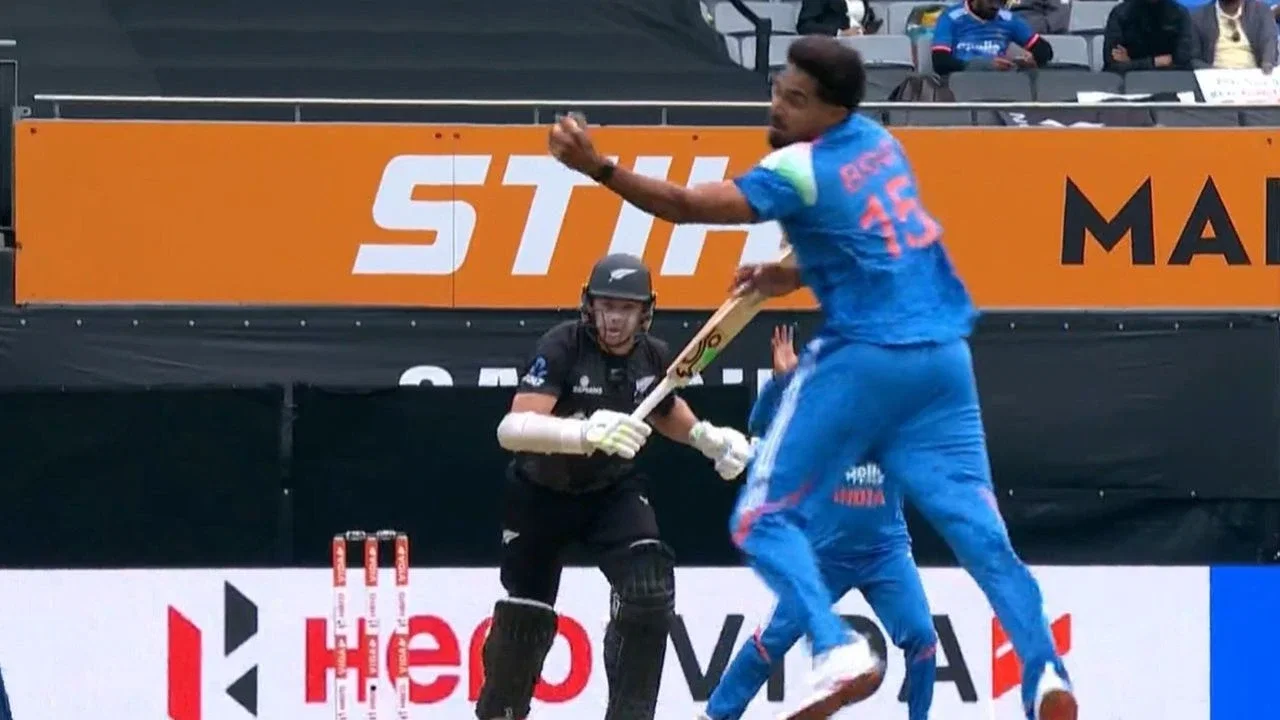
Gurnoor Brar’s One-Handed Stunner Sends Tom Latham Back in India–New Zealand ODI
India fast bowler Gurnoor Brar delivered one of the standout moments of the opening ODI against New Zealand, taking a remarkable one-handed return catch to dismiss captain Tom Latham at Eden Park in Auckland. The reflex effort capped an impressive spell from the young seamer, who also removed Tim Seifert as India made early inroads into the New Zealand innings.
The five-match series began on Wednesday, November 4, with India captain Shubman Gill winning the toss and choosing to bowl. Overcast skies suggested that the seamers could find assistance from the surface, and India’s selection reflected that expectation: the visitors went with four specialist fast bowlers alongside two all-rounders.
Brar Produces a Stunning Caught-and-Bowled Dismissal
The catch came on the final delivery of the 17th over, when Brar bowled a length ball outside off stump and angled it across the left-handed Latham. Looking to work the ball through the leg side, the New Zealand batter closed the face of his bat too early. The ball took a leading edge and looped back towards the bowler.
Brar was already moving forward in his follow-through, and the ball appeared to be travelling awkwardly behind him. But the tall right-armer reacted instantly, reaching out with his non-dominant left hand and holding on as his momentum carried him past the ball. It was a difficult chance to judge and an even harder one to complete, making the catch an early contender for the match’s defining moment.
Brar celebrated by tossing the ball into the air and racing away with his arms spread wide. Latham had made just three from 11 deliveries, and his dismissal left New Zealand four wickets down inside 17 overs. The wicket also marked Brar’s second breakthrough of the innings, underlining his growing influence during India’s opening spell.
Seifert’s Promising Start Ends After the Drinks Break
Brar had already struck earlier in the innings, ending Tim Seifert’s counterattacking contribution shortly after the drinks break. New Zealand had been under pressure from the outset: Arshdeep Singh dismissed Will Young and Henry Nicholls for nine apiece, helping India restrict the hosts to 45 for two after the first 10 overs.
Seifert, however, had shown signs of turning the innings around. He benefited from an early reprieve when Naman Dhir dropped a chance off Auqib Nabi, then used the opportunity to attack, hitting two sixes while building a partnership with Daryl Mitchell. The stand offered New Zealand a chance to steady their innings after the early losses.
Brar broke that momentum with a short ball delivered at around 140 kilometres per hour, surprising Seifert with its pace and bounce. The batter shuffled across and tried to pull, but the ball climbed on him. His mistimed shot went high down the ground, where substitute fielder Ruturaj Gaikwad ran in from mid-on to complete a straightforward catch.
Seifert departed for 38, giving Brar his first wicket of the spell and leaving New Zealand at 72 for four before the 17-over mark. The dismissal was a useful reminder of how quickly a promising partnership can unravel when a bowler varies pace and length effectively.
India’s Four-Seamer Plan Suits the Conditions
Gill said India’s decision to bowl was influenced by the cloud cover and the possibility of rain reducing the match. In those circumstances, he felt it was advantageous to know the target rather than set one under uncertain conditions. He also described the squad as well prepared after a strong run of practice sessions.
India’s four-fast-bowler combination was designed to make the most of the conditions, with Brar, Arshdeep, Anshul and Auqib providing pace options. All-rounders Naman Dhir and Axar Patel added flexibility to the lineup, giving Gill alternatives as the innings developed. The early wickets suggested that India’s strategy was producing the pressure the captain had hoped for.
The series also carries significance beyond its immediate result. Gill described the matches as an important part of India’s preparation for the upcoming World Cup, particularly because conditions in New Zealand could offer experience relevant to other challenging overseas environments. Adaptability—whether dealing with movement, bounce or changing weather—is a key part of building a successful one-day side.
Prediction: Brar’s Spell Could Shape the Series
One eye-catching catch does not decide a five-match series, but Brar’s performance offered India an encouraging early sign. His success came through two different methods: a short ball that forced Seifert into a mistake and a fuller delivery that drew an edge from Latham. That variety could make him a valuable option as New Zealand’s batters adjust to India’s attack.
For New Zealand, the early collapse made the middle order’s task more demanding, particularly after Seifert’s counterattack had briefly eased the pressure. The hosts will need to find a balance between rebuilding carefully and keeping the scoring rate moving. India, meanwhile, will look to maintain disciplined lines and use the conditions while they last.
The opening match has already given fans a memorable highlight, with Brar’s one-handed catch likely to feature among the most replayed moments of the contest. If the young pacer can carry the same control and energy into the remaining games, he could become a significant factor in the series—and an important part of India’s broader World Cup prediction and preparation discussions.
Latest News
Watch: Gurnoor Brar takes one-handed blinder to dismiss Tom Latham in IND vs NZ 1st ODI
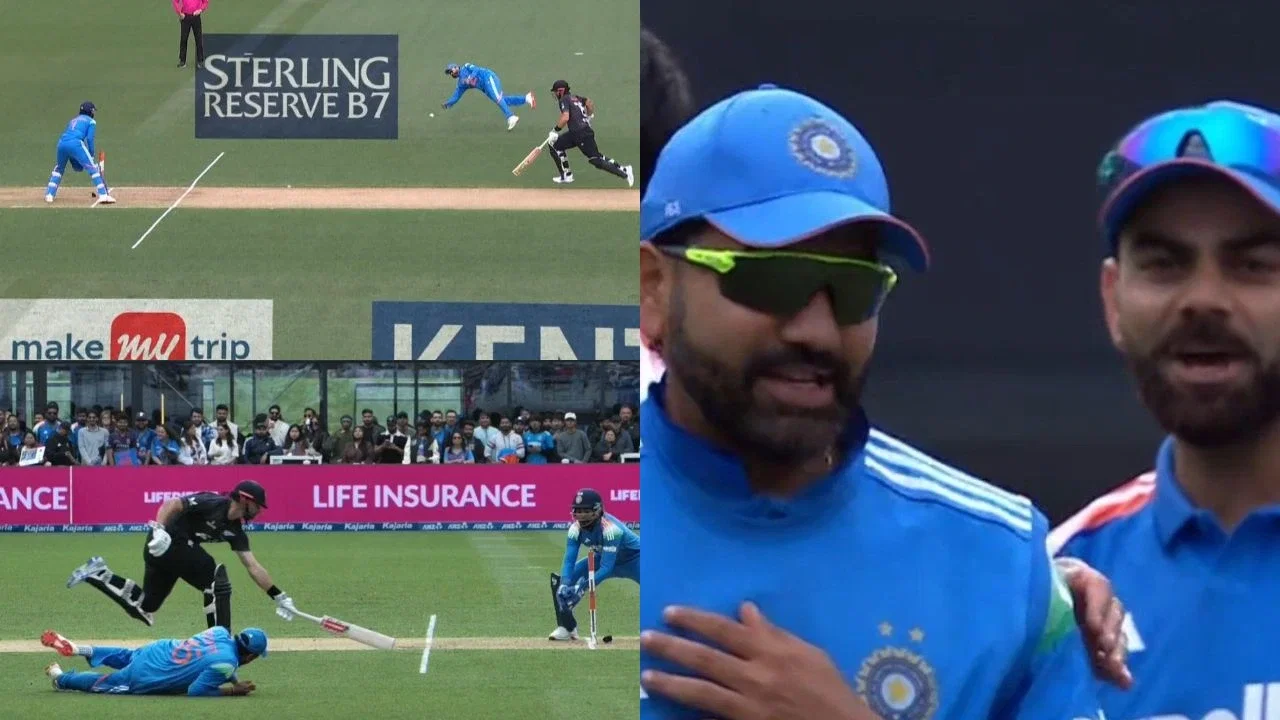
Watch: ‘Flying’ Rohit Sharma’s fielding brilliance sends Daryl Mitchell packing in 1st ODI
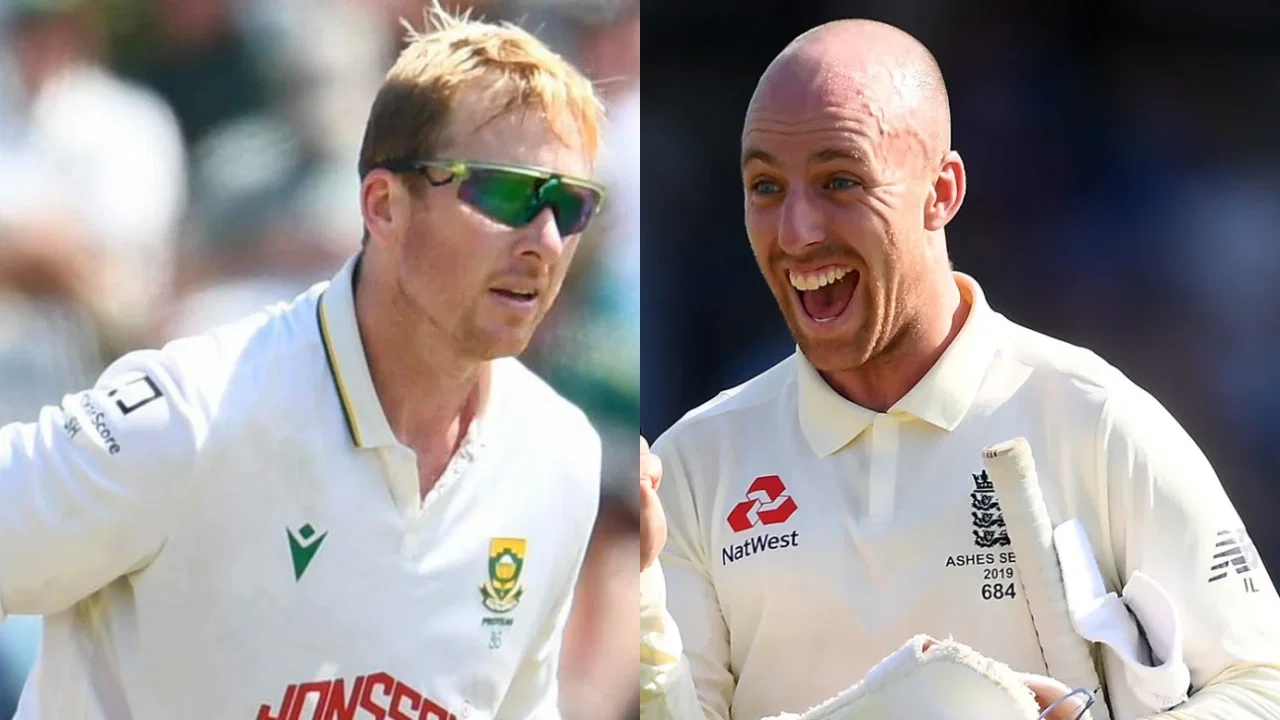
Simon Harmer reveals why Jack Leach should be picked for the SA vs ENG Test series
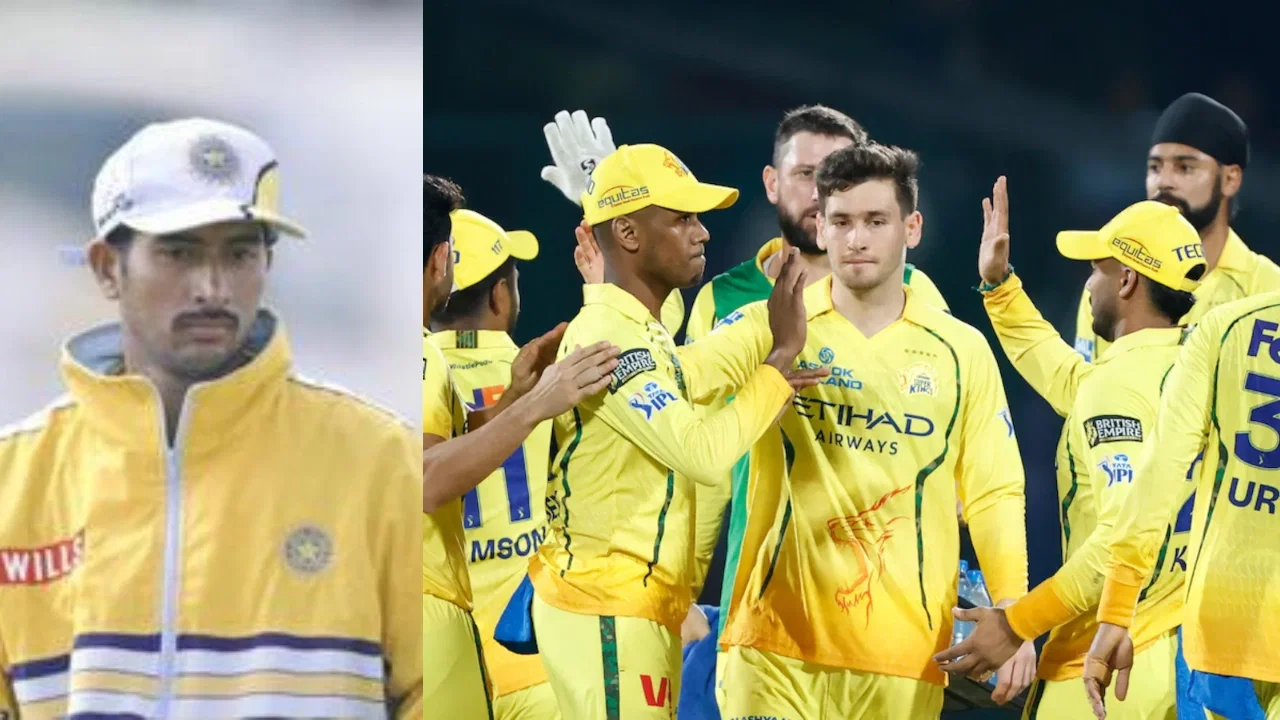
Sadagopan Ramesh questions CSK’s decision to not appoint a batting coach
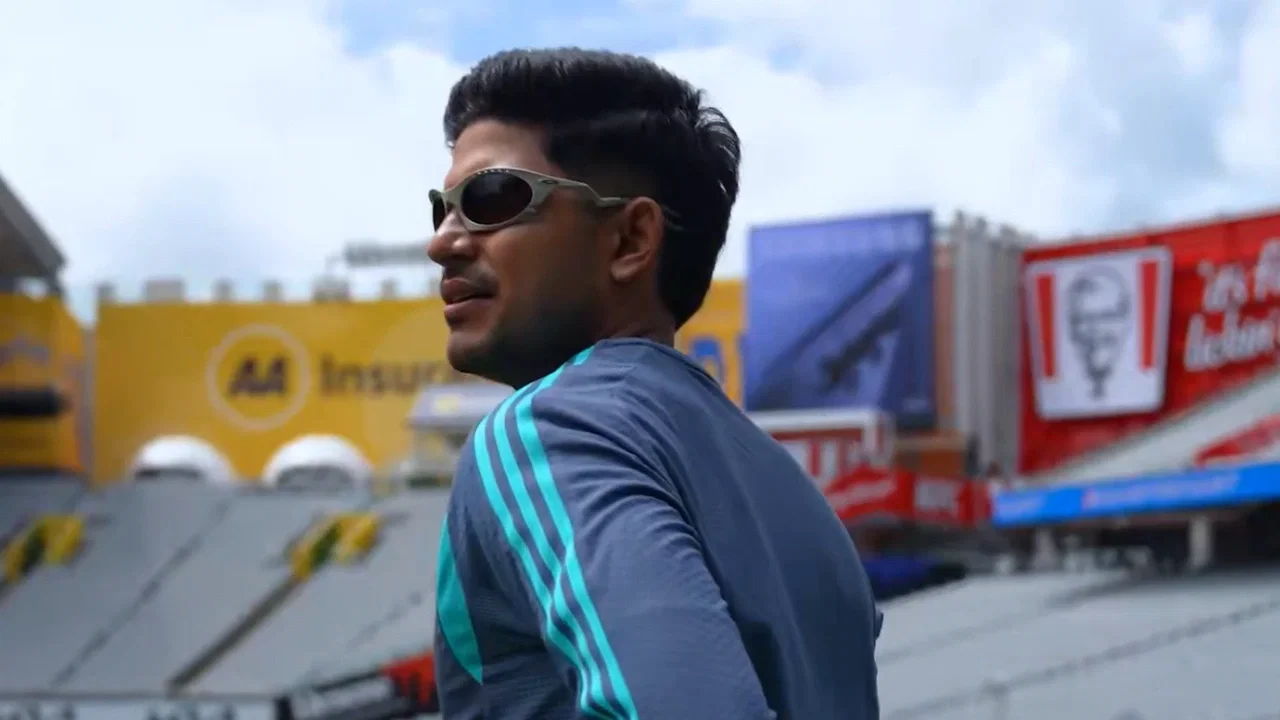
Shubman Gill warns New Zealand, says India can beat any team in any conditions
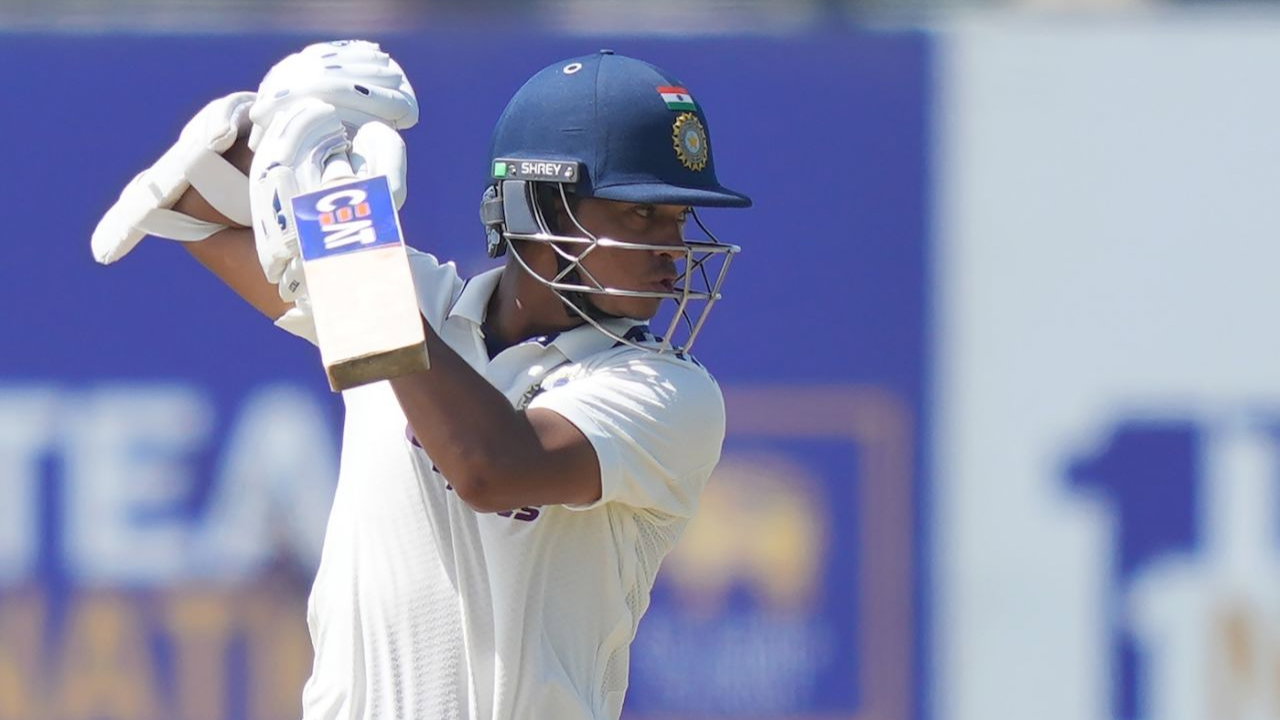
“I won’t say”: Yashasvi Jaiswal breaks silence on poor form in New Zealand after scoring 155

Virat Kohli’s message leaves Harry Kane starstruck after Ballon d’Or triumph
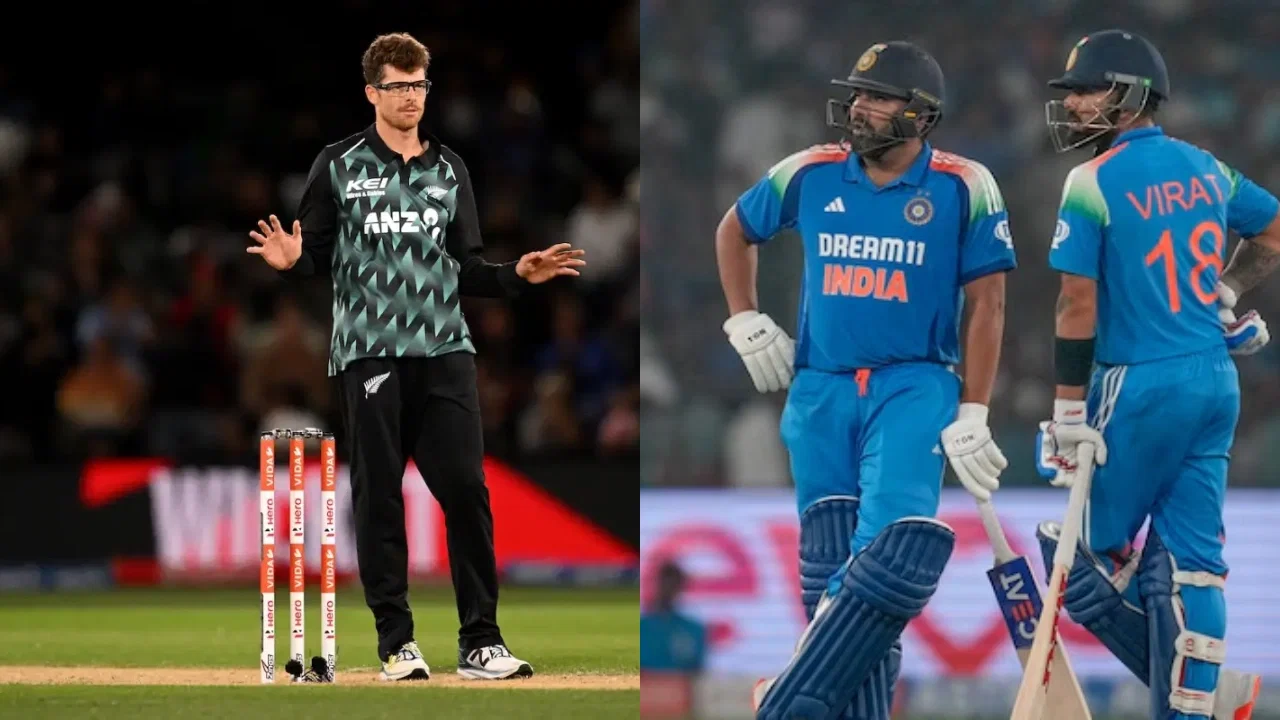
Mitchell Santner opens up on threats posed by Rohit Sharma, Virat Kohli in ODIs
Mitchell Santner opens up on threats posed by Rohit Sharma, Virat Kohli in ODIs
IPL 2027: CSK explore bizarre Liam Livingstone-Khaleel Ahmed swap with SRH

PCB demands $10,000 from Pakistani players for Abu Dhabi T10 2026 NOCs
Prasidh Krishna declared fit for India vs New Zealand Test series after ODI snub
Hardik Pandya’s IPL future uncertain as Mumbai Indians hold talks with multiple franchises
Suryakumar Yadav to become Mumbai Indians captain? Instagram video sparks speculation